


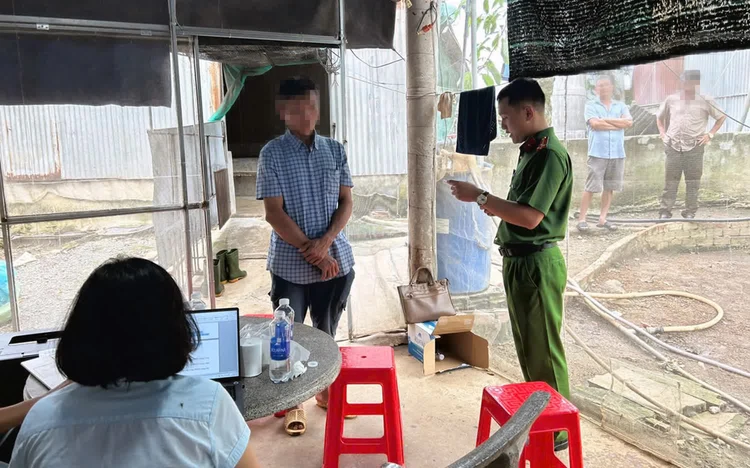
An official inspects a pig farm in Dong Nai City, southern Vietnam during a crackdown on the use of banned substances in livestock farming. Photo: A.B. / Tuoi Tre
The Dong Nai Sub-Department of Livestock Production and Fisheries said on Wednesday that it inspected pig-fattening facilities across the province from July 28 to August 4.
The inspections found that pigs at seven facilities in Tri An Ward, Dau Giay Ward, and Hung Thinh Commune tested positive for salbutamol, a beta-agonist banned in livestock farming because it promotes lean muscle growth.
Authorities temporarily seized more than 4,100 pigs at the facilities and collected pig urine samples for laboratory testing to determine the levels of salbutamol.
Residues of the substance in pork can pose health risks to consumers and raise food safety concerns.
Once the test results are confirmed, the farms found using the banned substance will face strict penalties, the department said.
Pig-fattening operations are mainly run by traders rather than traditional livestock farmers.
The traders typically purchase pigs weighing between 70 and 100 kilograms, fatten them for a short period, and then sell them to the market.
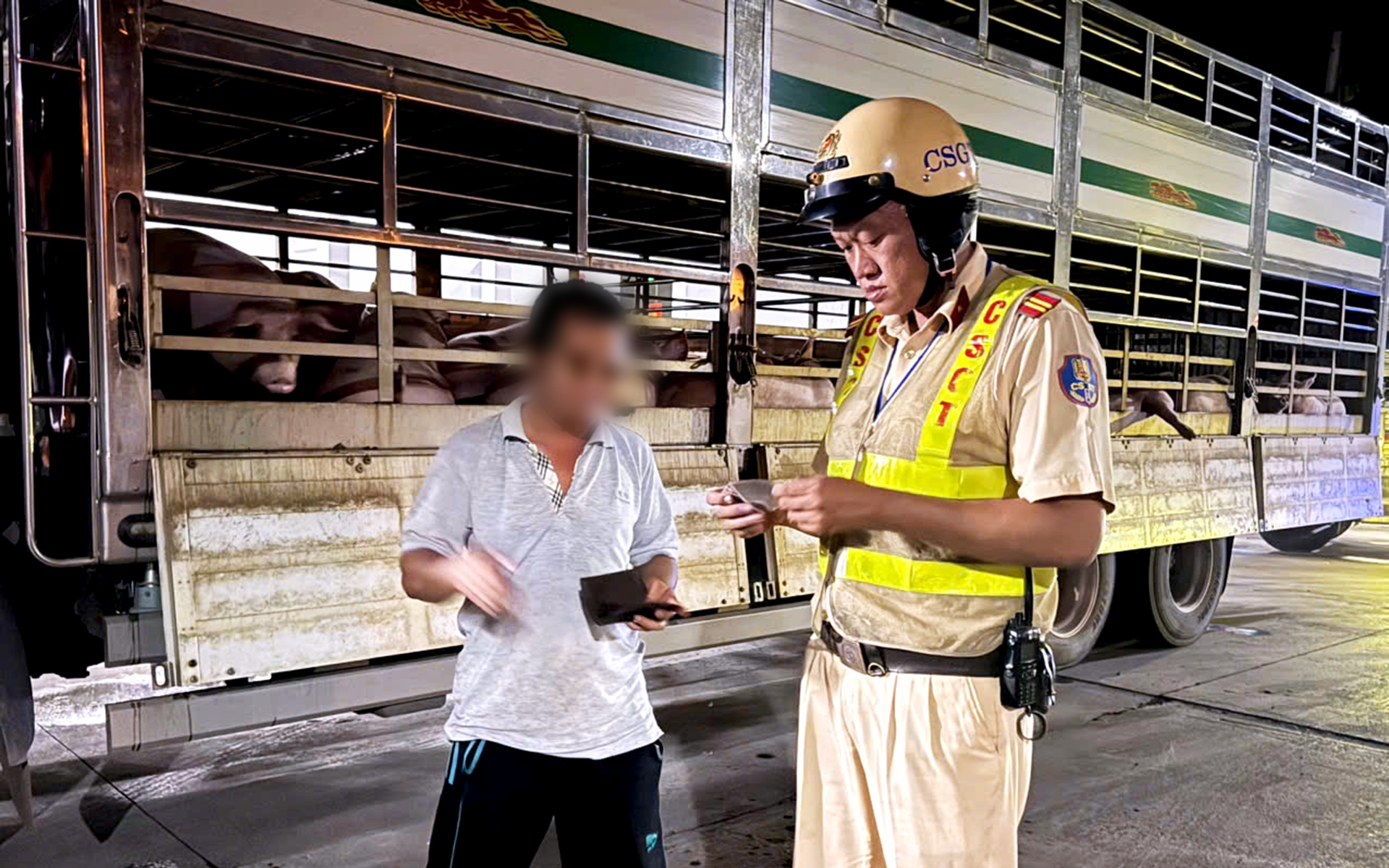
During this stage, the pigs usually gain weight quickly but also accumulate excess fat, making them less visually appealing and harder to sell at higher prices.
Therefore, some operators illegally administer banned substances such as salbutamol to produce leaner-looking pigs that can fetch higher prices.
The department said Dong Nai is home to thousands of pig farms, the vast majority of which raise pigs using conventional farming methods, while only a small number operate pig-fattening facilities.
To date, authorities have not detected the use of banned substances at any traditional pig farms in the city.








Max: 1500 characters
There are no comments yet. Be the first to comment.