


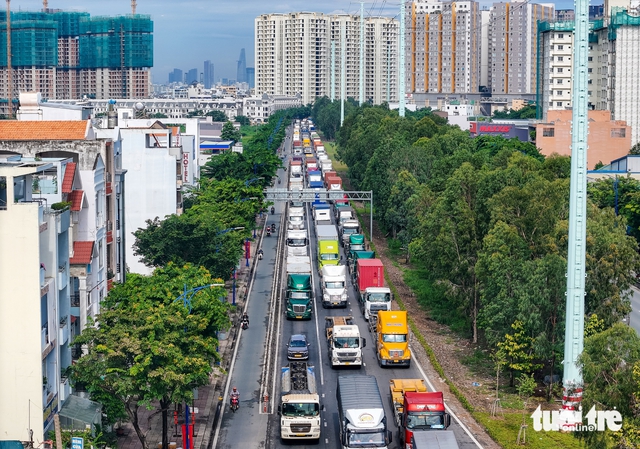
Tractor-trailers and heavy duty trucks line up on Dong Van Cong Street heading to Cat Lai Port in Ho Chi Minh City. Photo: Tuoi Tre
The eastern part is being positioned as the city’s innovation hub, combining finance, commerce, services, and knowledge centers with modern urban systems.
It also serves as a strategic link to the under-construction Long Thanh International Airport in neighboring Dong Nai City.
Once the new administrative and political center in Thu Thiem New Urban Area is complete, eastern Ho Chi Minh City is expected to become the city’s “front face.”
Given its strategic location, the eastern area has attracted substantial infrastructure investment in recent years and now hosts multiple nationally and regionally significant projects.
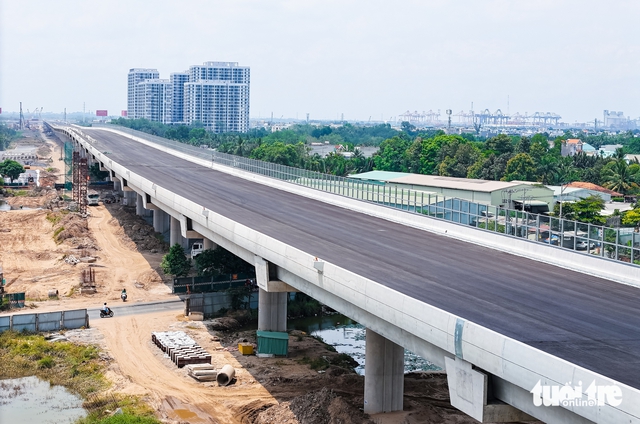
Work on a 14km elevated section of Ring Road No. 3 in Ho Chi Minh City is nearing completion. Photo: Tuoi Tre
Major works such as Ring Road No. 3 and the expansion of the Ho Chi Minh City-Long Thanh Expressway are scheduled for completion by late 2026 and early 2027.
Interchanges at An Phu and My Thuy are also being fast-tracked.
Metro development is central to the plan, with three lines crossing the eastern zone and connecting to Long Thanh International Airport.
The Ben Thanh-Thu Thiem line project already got off the ground, while construction on the Thu Thiem-Long Thanh line and phase one of Metro Line No. 6 are slated to start in September and December this year.
These metro projects are intended to support transit-oriented development, creating compact, modern urban clusters around metro stations where residents can access schools, workplaces, parks, and essential services within a 15-minute walk or bicycle ride.
With the new transport network, travel time between eastern Ho Chi Minh City, Long Thanh International Airport, and other major growth centers is expected to be reduced to around 30 minutes.
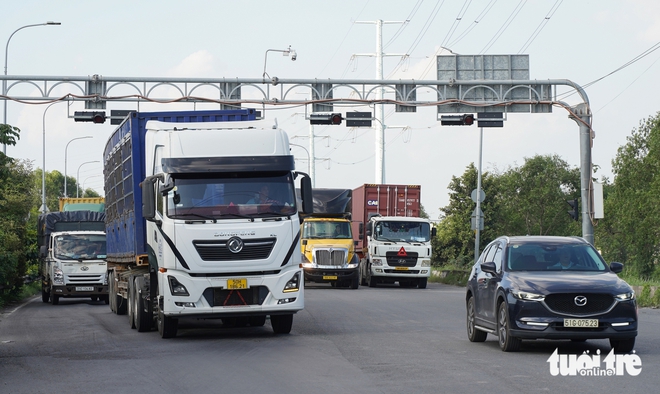
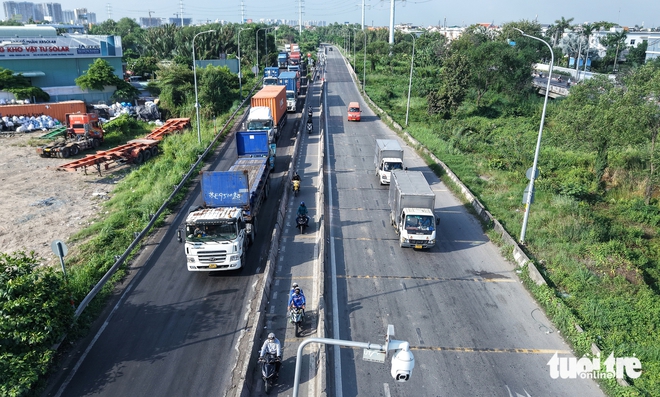
Vo Chi Cong Street is undergoing a transformation as part of a container corridor leading to Cat Lai-Phu Huu ports in Ho Chi Minh City. Photo: Tuoi Tre
Truck drivers and businesses have long complained about limited access corridors to Cat Lai and Phu Huu ports, often facing hours-long delays.
The planned completion of Ring Road No. 3 later this year will allow trucks from Tan Van to reach Cat Lai in just 14 kilometers via elevated roads. A dedicated 20-kilometer corridor, including the inter-port road, will further streamline container traffic.
The inter-port road project, with 12 lanes and an investment of some VND8.7 trillion ($330 million), is expected to break ground in the last quarter of this year.
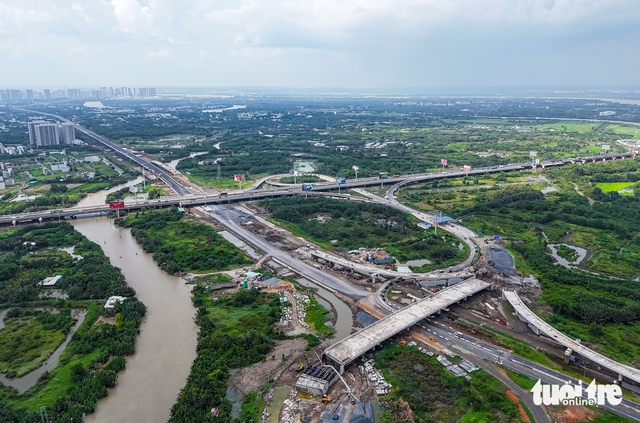
HLD interchange connects the Ho Chi Minh City-Long Thanh-Dau Giay Expressway with Ring Road No. 3 and the Cat Lai-Phu Huu inter-port road. Photo: Tuoi Tre
Once the Cat Lai Bridge is complete, it will provide direct access from the port cluster to Long Thanh International Airport and other parts of Dong Nai City.
Additional projects include the expansion of the Phu My Bridge, Vo Chi Cong Street, and Nguyen Thi Dinh Street to strengthen port connectivity.
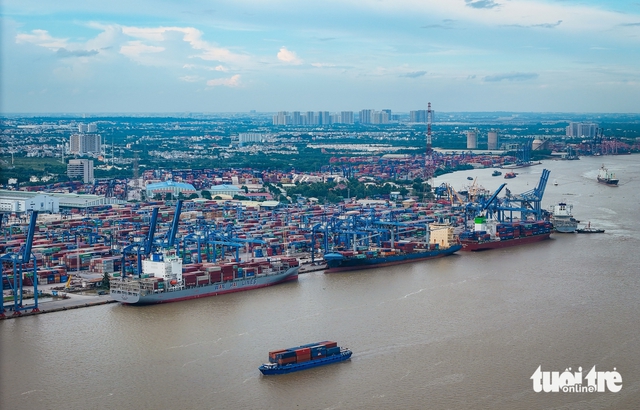
The Ho Chi Minh City-based Cat Lai Port, Vietnam’s largest container port, handles massive import-export volumes daily, underscoring the urgent need for new transport corridors. Photo: Tuoi Tre
A new six-lane road linking Hanoi Highway to Ring Road No. 3, with a price tag of over VND12.4 trillion ($470 million), will also connect to the Long Hung Bridge, creating a direct route to National Highway 51 and Long Thanh International Airport.
Three projects on Ring Road No. 2 are also under construction to ease inner-city traffic and connect industrial parks, urban areas with seaports.








Max: 1500 characters
There are no comments yet. Be the first to comment.