


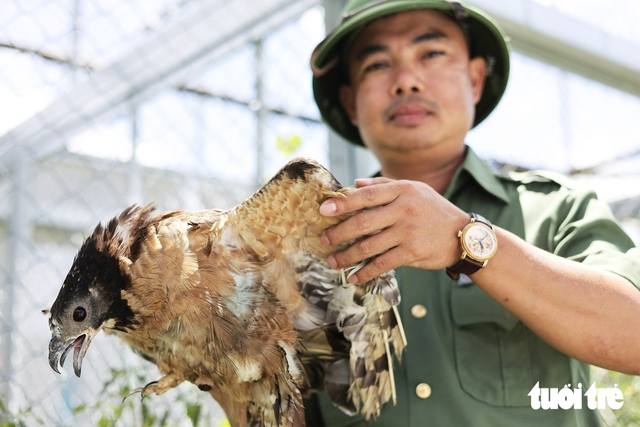
A one-legged crested serpent eagle receives care at a wildlife rescue station in Dak Lak Province, located in Vietnam’s Central Highlands. Photo: Le Trung / Tuoi Tre
The station, operated by the Center for Elephant Conservation, Animal Rescue and Forest Protection Management under the provincial Department of Agriculture and Environment, is situated in Buon Don Commune.
Refuge for permanently injured wildlife
Among its residents is a crested serpent eagle, a rare and endangered Group I wildlife species, which was rescued in May after being caught in a trap and seriously injuring its left leg.
Upon arrival at the station, the eagle underwent an initial examination by veterinarians before receiving treatment and care.
Its wound has since healed, but the bird lost one leg and now has difficulty flying and moving around, according to Le Quoc Dung, who oversees the station’s animal rescue division.
“Staff cut its food into small pieces and feed it piece by piece because it can no longer tear up food on its own,” Dung said.
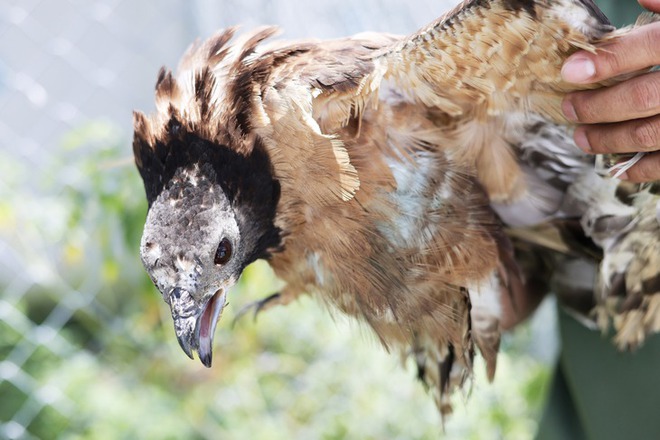
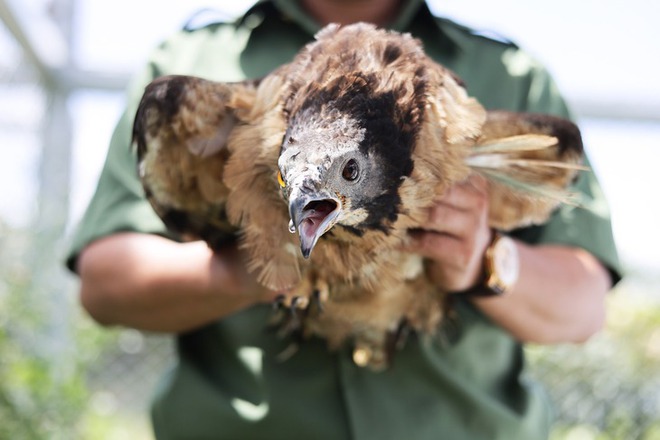
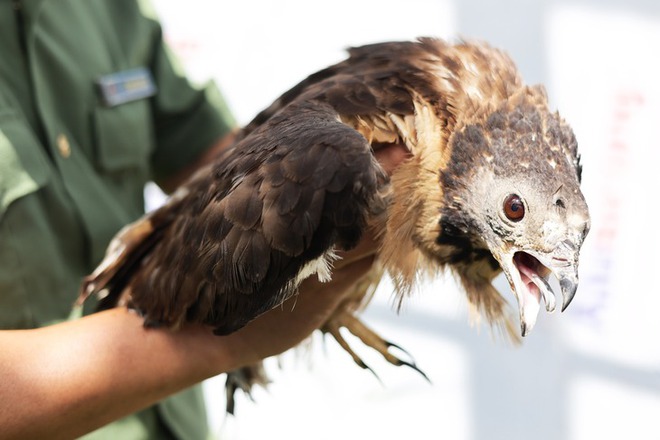
The one-legged crested serpent eagle. Photo: Le Trung / Tuoi Tre
As the eagle is no longer considered capable of surviving in the wild, it will remain at the station, where it is fed mainly chicken and beef and receives additional care during seasonal changes.
The station also provides special care and regular health checks for several other rescued birds of prey, such as black eagles and fiery-colored eagles.
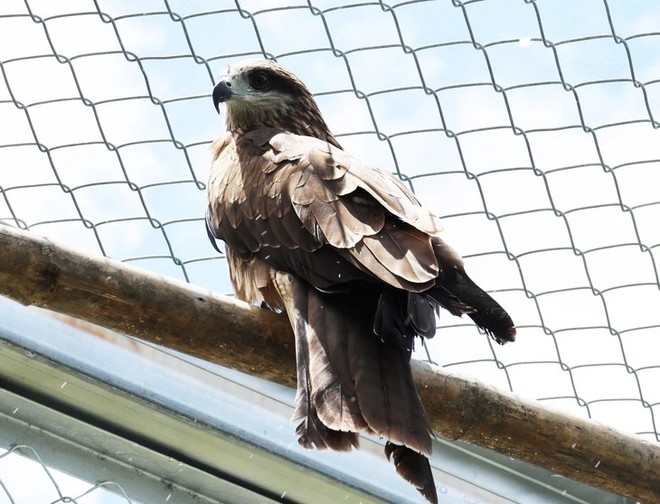
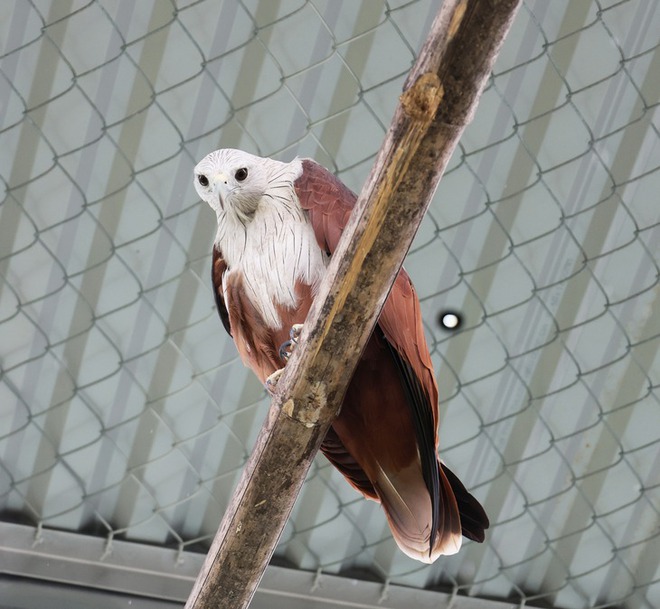
Fiery-colored and black eagles at the wildlife rescue station. Photo: Le Trung / Tuoi Tre
Another permanent resident is a clouded monitor (Varanus nebulosus) that lost both front legs after being caught in a trap.
Veterinarian Mai Thanh Nhan said a university lecturer rescued the reptile about three years ago after finding it being sold by local residents along the roadside.
The animal was handed over to the station with serious injuries to both front legs.
Veterinarians disinfected the wounds, administered painkillers, and provided treatment for more than a month, but both legs eventually had to be amputated.
Staff now hand-feed the lizard small pieces of chicken, beef, and animal liver.
The station is currently caring for six clouded monitors, all in stable condition, Nhan said.
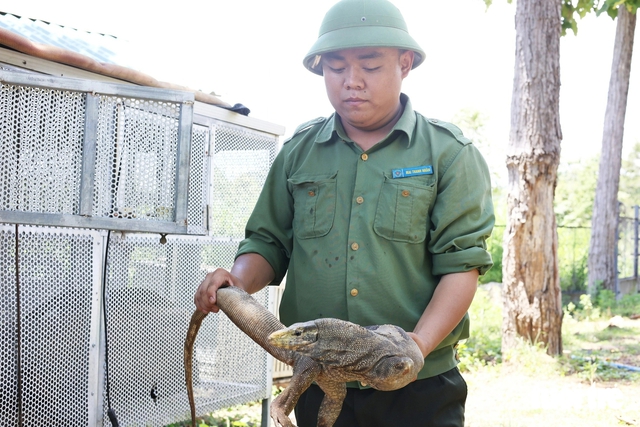
A clouded monitor is cared for at the wildlife rescue station. Photo: Le Trung / Tuoi Tre
Lifelong care for injured animals
More than 190 wild animals from around 30 species are currently being cared for at the station, Dung said.
They include Group I rare and endangered species such as pangolins, monitor lizards, crested serpent eagles, binturongs and yellow-cheeked gibbons, as well as Group II species including pig-tailed and long-tailed macaques.
The station is also home to more than 70 rare turtles.
Only five employees handle the station's rescue, treatment, and daily animal-care work.
Newly admitted animals undergo health checks, while injured ones are quarantined for first aid and treatment.
Staff then provide appropriate nutrition and rehabilitation to restore their physical condition, natural behavior, and survival skills before assessing whether they can be returned to the wild.
“Animals that meet the necessary conditions are released back into nature,” Dung said.
“For those that can no longer survive in the wild, we provide suitable welfare and care for them for the rest of their lives.”
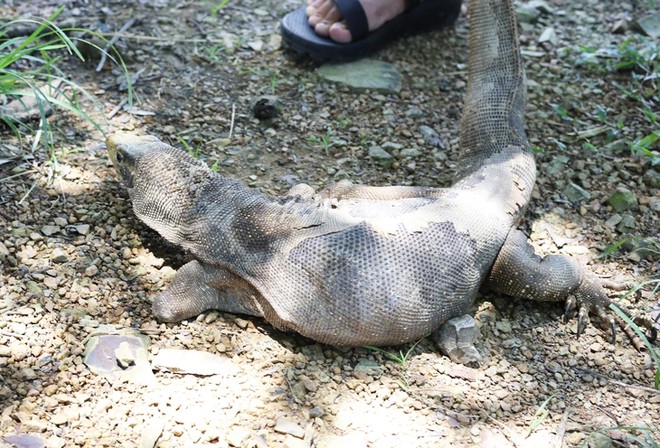
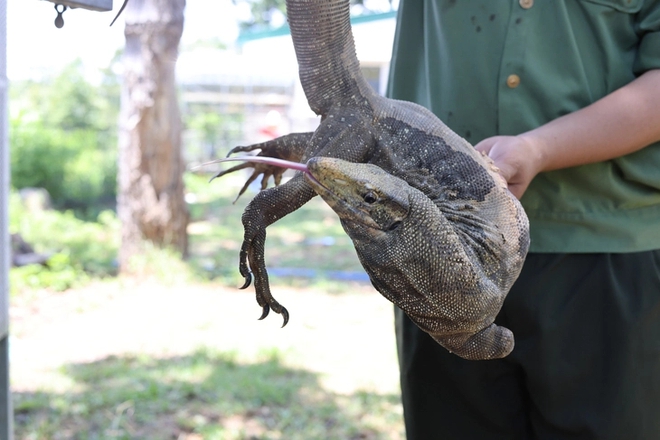
The clouded monitor lizard missing both front legs. Photo: Le Trung / Tuoi Tre
The station also works with the AAF project, whose specialists visit monthly to train veterinarians in animal observation, diagnosis, blood sampling, ultrasound examinations, and laboratory testing.
Feeding schedules and diets vary by species.
Monkeys, turtles, and peafowl are generally given fruit and vegetables in the morning, while some birds of prey and binturongs are fed in the afternoon and leopard cats at night.
Nhan said staff inspect the enclosures every day to monitor the animals' behavior and health.
Some rescues have ended with successful releases.
About two years ago, the station received a slow loris with a fractured femur.
Veterinarians performed surgery to stabilize the injury, and the animal was later returned to the wild after recovering, Nhan said.
The station keeps daily records of food intake, animal admissions, releases, and health conditions.
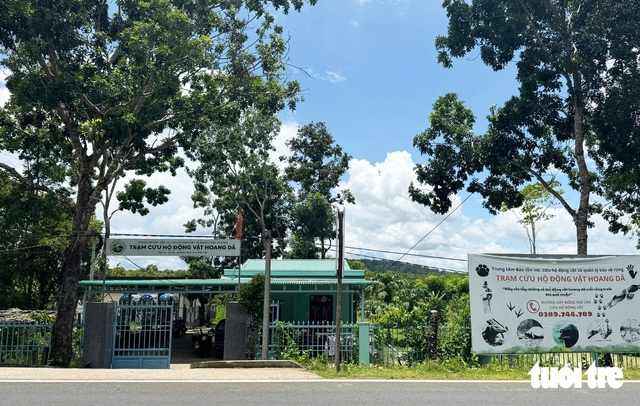
The wildlife rescue station in Dak Lak Province, Vietnam. Photo: Le Trung / Tuoi Tre
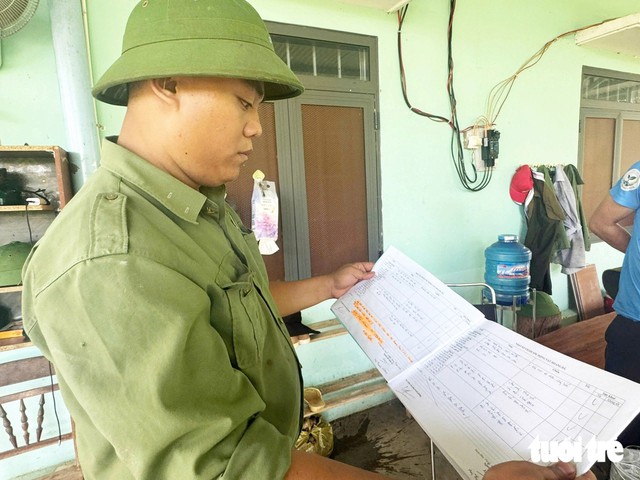
A logbook documenting the care of rescued animals. Photo: Le Trung / Tuoi Tre
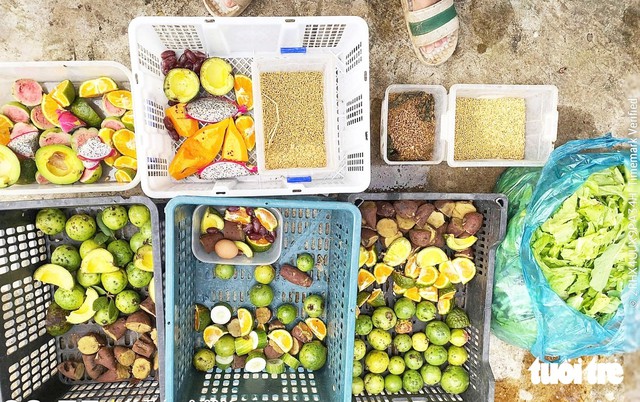
Food is carefully prepared by staff at the wildlife rescue station. Photo: Le Trung / Tuoi Tre








Max: 1500 characters
There are no comments yet. Be the first to comment.