


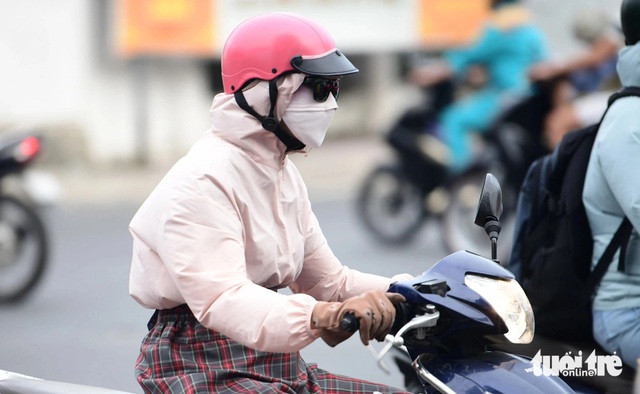
A woman covers herself against the cold while riding a motorbike in Ho Chi Minh City. Photo: Tuoi Tre
Several additional cold air surges are forecast to move south in the coming weeks, bringing fluctuating temperatures, low night-time readings, and occasional off-season rainfall across the southern region, Le Dinh Quyet, head of the forecasting division at the Southern Regional Hydro-Meteorological Center, told Tuoi Tre (Youth) newspaper.
Temperatures in parts of southeastern Vietnam fell sharply earlier this week as a strong northeast monsoon pushed cold air deep into the south.
The lowest readings ranged from 15 to 18 degrees Celsius in eastern provinces, with some localized areas dipping below 15 degrees Celsius.
In Ho Chi Minh City, minimum temperatures dropped to about 17.8 degrees Celsius in Nha Be and around 18 degrees Celsius near Tan Son Nhat International Airport, among the lowest levels recorded so far this dry season.
Quyet said the cooling trend was driven by a combination of repeated cold air incursions from Northern Asia, clear night-time skies that allow heat to escape rapidly, and low humidity levels typical of the early dry season.
Although such temperature drops are not unprecedented, the current cold spell has been one of the most pronounced so far this season in southern Vietnam.
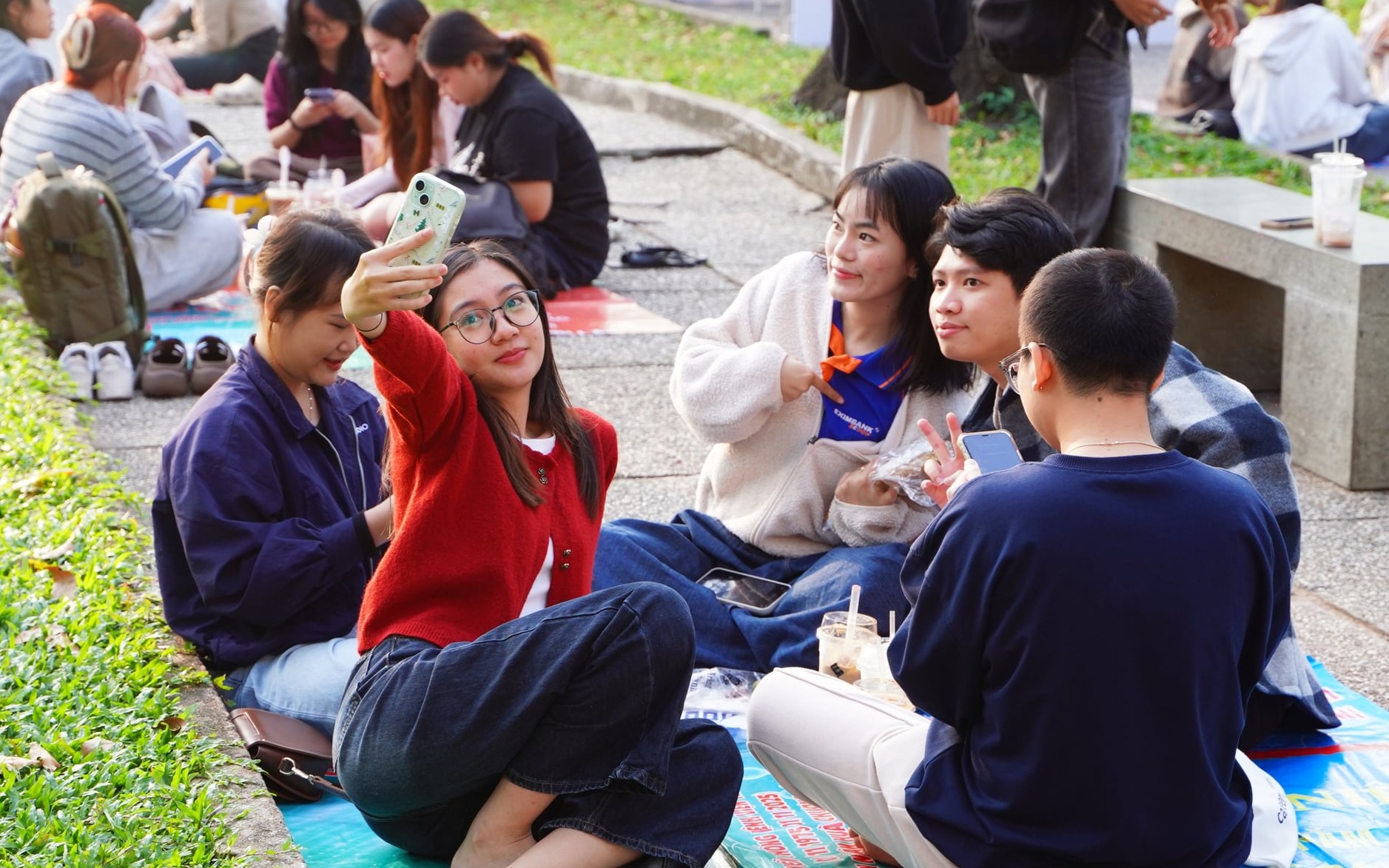
Weak La Nina conditions in the Pacific are also contributing to increased moisture transport from the sea, raising the likelihood of unseasonal showers and localized thunderstorms in December and January, despite the region being in its dry season.
Quyet warned that rapid weather shifts, large temperature differences between day and night, and alternating dry and wet conditions could affect public health and agricultural production ahead of the Lunar New Year holiday in mid-February.
Older people and young children were advised to take precautions against respiratory illnesses and cardiovascular risks during early morning cold periods.
Farmers were urged to monitor forecasts closely to protect crops, flowers, and ornamental plants grown for the holiday season.
Low daytime humidity and prolonged sunny conditions are also expected to heighten fire risks in urban and industrial areas.








Max: 1500 characters
There are no comments yet. Be the first to comment.