



Families and schools should join hands to equip children with digital skills as they navigate the online world. Photo: AI-generated
Be mindful of digital footprint
The Internet has transformed how people work, communicate, and access information.
But every online interaction leaves a digital footprint, and those traces can have lasting consequences after a post, comment, or message is made.
Young people need to know how to protect themselves online.
They should understand privacy settings, be cautious about sharing personal information, and carefully evaluate the trustworthiness of software and applications before downloading them.
More broadly, users need the skills to think before they post, question the information they encounter, and approach online content with critical thinking rather than blind acceptance.
The rise of social media has also seen many individuals to appear knowledgeable and influential despite lacking genuine expertise.
The term ‘edgelord’ is used to describe individuals who seek attention online by presenting themselves as unusually insightful or provocative, despite having limited expertise.
Their popularity highlights a broader challenge of the digital era: not everything that gains visibility or engagement is necessarily true.
Understanding how personal data is collected, stored, and used can help individuals recognize potential risks and better protect themselves.
Also, developing a strong sense of digital ethics and an awareness of legal responsibilities online is equally important.
Actions taken in virtual spaces can have real-world consequences, and many digital footprints remain long after the moment has passed.
Knowledge, sound judgment, and emotional resilience, in this case, can serve as important safeguards against the pressures and risks of social media.

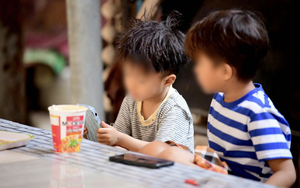

By helping children develop these qualities, parents can better prepare them to become responsible digital citizens capable of navigating an increasingly connected world.
Schools also have a critical role to play.
Safe and responsible use of social media should be incorporated into educational activities rather than being solely a family matter.
The risks children face online today are too significant to be ignored, making digital literacy a shared responsibility between families, schools, and society as a whole.
Is outright ban the right approach?
Some parents argue that banning children under 16 from social media is the most effective way to reduce harm.
Others contend that an outright ban could prove difficult to enforce and may encourage children to seek access without supervision.
In a world where digital technology is embedded in everyday life, prohibitions may appear counterproductive as they only make children more curious and encourage them to seek access on their own.
Clear, age-appropriate boundaries and guidance may be more effective than prohibition alone.
For younger children, parents can limit screen time, select age-appropriate content, activate safety settings, and participate in their children’s online activities.
For adolescents, the priority shifts toward building digital literacy: protecting self-privacy, recognizing online manipulation, protecting personal information, and developing a healthy relationship with social media.
Social media itself is neither inherently good nor harmful.
The concern lies when children enter these spaces too early and without adequate preparation.
Whether the answer is restriction or guidance, responsibility ultimately rests with families, schools, and the wider community to ensure young people are equipped with the maturity and skills needed to navigate an online world with few boundaries.








Max: 1500 characters
There are no comments yet. Be the first to comment.