


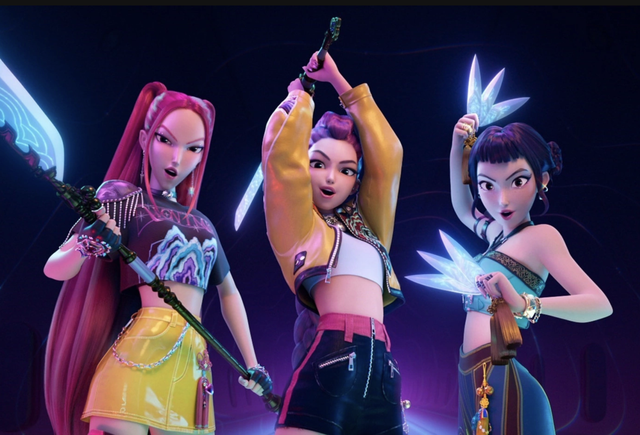
A scene from Netflix’s K-pop Demon Hunters, a film that used AI to build global fandom. Photo: Sony Pictures Animation
The seminar, themed ‘Digital Technology, AI, and Intellectual Property Rights Protection in Filming,’ was held in Da Nang City, central Vietnam as part of DANAFF IV, which ran from June 28 to July 4.
It brought together filmmakers, government officials, and experts in AI, digital technology, and IP.
Speaking at the event, Curtis Chin, chairman of the Asia Center at the Milken Institute, said he is frequently asked how Vietnam can become "the next South Korea."
He said that South Korea's rise as a creative economy powerhouse was driven by a comprehensive ecosystem combining government strategy, tax incentives, financing, and long-term policy support.

Curtis Chin, chairman of the Asia Center at the Milken Institute, attends a seminar, themed ‘Digital Technology, AI, and Intellectual Property Rights Protection in Filming,’ in Da Nang City, central Vietnam, June 30, 2026. Photo: Courtesy of the DANAFF IV organizers
He also raised broader questions about Vietnam's AI strategy, asking how the country should position itself amid competing AI models from the United States and China while protecting its own data.
His comments echoed remarks by Deputy Minister of Culture, Sports, and Tourism Nguyen Huy Dung, who asked how Vietnam's film industry should adapt as AI rapidly reshapes production costs and capabilities.
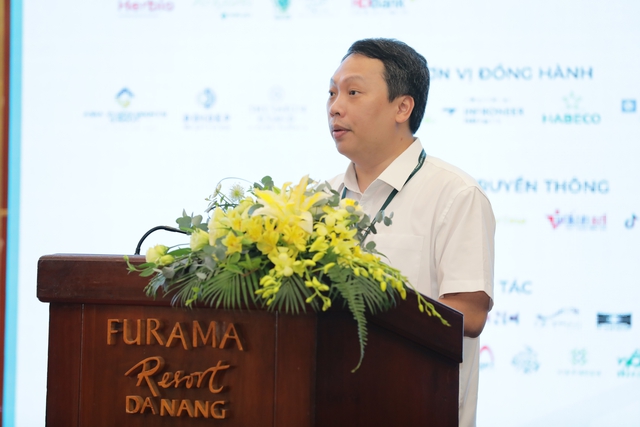
Nguyen Huy Dung, Vietnam’s Deputy Minister of Culture, Sports, and Tourism, delivers a speech at a seminar, themed ‘Digital Technology, AI, and Intellectual Property Rights Protection in Filming,’ in Da Nang City, central Vietnam, June 30, 2026. Photo: Courtesy of the DANAFF IV organizers
Ngo Phuong Lan, president of the Vietnam Film Development Association and co-head of the DANAFF IV organizing committee, said the festival was meant to become a platform for discussions on the future of filmmaking in the digital era.
While Vietnam's film industry has made significant progress, she said it must adopt new technologies throughout production, distribution, and IP protection to become a globally competitive cultural industry.
According to Lan, AI can support market research, audience analysis, idea development, production optimization, post-production, international promotion and distribution.
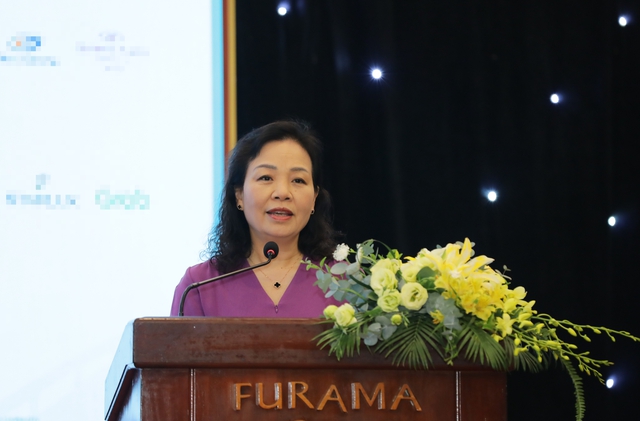
Ngo Phuong Lan, president of the Vietnam Film Development Association and co-head of the fourth Da Nang Asian Film Festival organizing committee, addresses at a seminar, themed ‘Digital Technology, AI, and Intellectual Property Rights Protection in Filming,’ in Da Nang City, central Vietnam, June 30, 2026. Photo: Courtesy of the DANAFF IV organizers
Nikey Kim, director of the Korea Character Business Association, highlighted South Korea's use of AI to develop fan communities, or fandoms.
Rather than serving only as a production tool, AI has evolved into an infrastructure that helps identify audiences, overcome language barriers, create interactive experiences, and strengthen brand loyalty through merchandise and community engagement, Kim said.
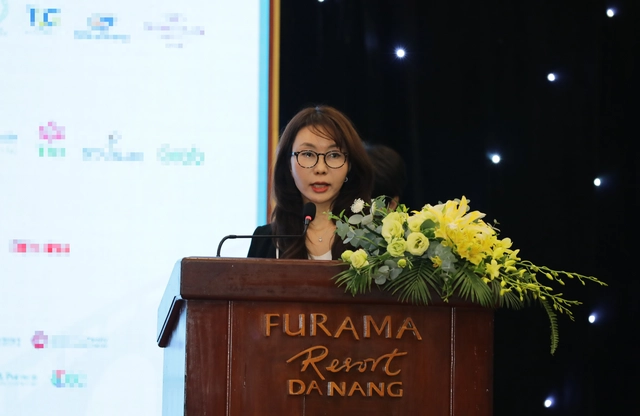
Nikey Kim, director of the Korea Character Business Association, discusses AI-powered fandom development during a seminar, themed ‘Digital Technology, AI, and Intellectual Property Rights Protection in Filming,’ in Da Nang City, central Vietnam, June 30, 2026. Photo: Courtesy of the DANAFF IV organizers
She cited Netflix's K-pop Demon Hunters (2025) as an example of AI being leveraged for fandom development.
Its soundtrack album climbed to No. 2 on Spotify's global chart, while both toy giants Mattel and Hasbro signed licensing agreements for products based on the same intellectual property, which is an unprecedented move in the entertainment industry.
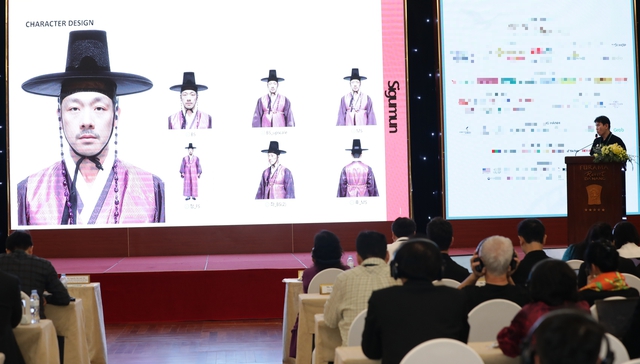
Participants in a seminar, themed ‘Digital Technology, AI, and Intellectual Property Rights Protection in Filming,’ in Da Nang City, central Vietnam, June 30, 2026. Photo: Courtesy of the DANAFF IV organizers
Jinsik Lee, CEO and creative director of ANIEDU Co., Ltd. and vice-chairman of the Korea Animation Artists Association, described generative AI as both a major opportunity and a serious threat to the content industry.
While AI can improve production efficiency, it also creates risks involving copyright infringement, disputed training data, ownership ambiguity, and misuse of creative works, he said.
Instead of resisting AI, Lee suggested that creators use technology as a shield to protect intellectual property.
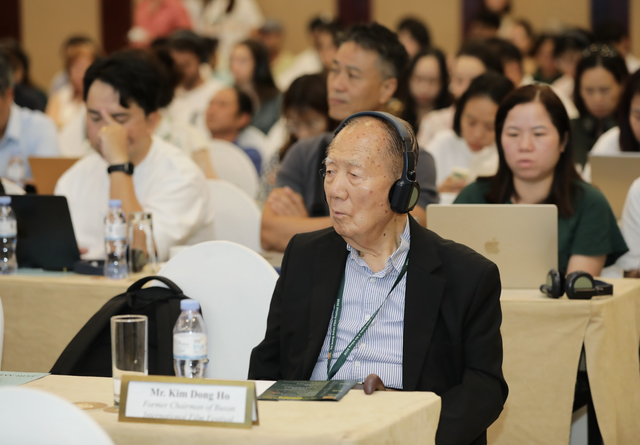
Kim Dong Ho, founder of the Busan International Film Festival, joins a seminar, themed ‘Digital Technology, AI, and Intellectual Property Rights Protection in Filming,’ in Da Nang City, central Vietnam, June 30, 2026. Photo: Courtesy of the DANAFF IV organizers
Pham Thi Kim Oanh, deputy head of the Copyright Office of Vietnam, stressed the need for new legal frameworks.
She argued that copyright law should not ban technology but serve as a balanced framework encouraging investment and innovation.









Max: 1500 characters
There are no comments yet. Be the first to comment.