


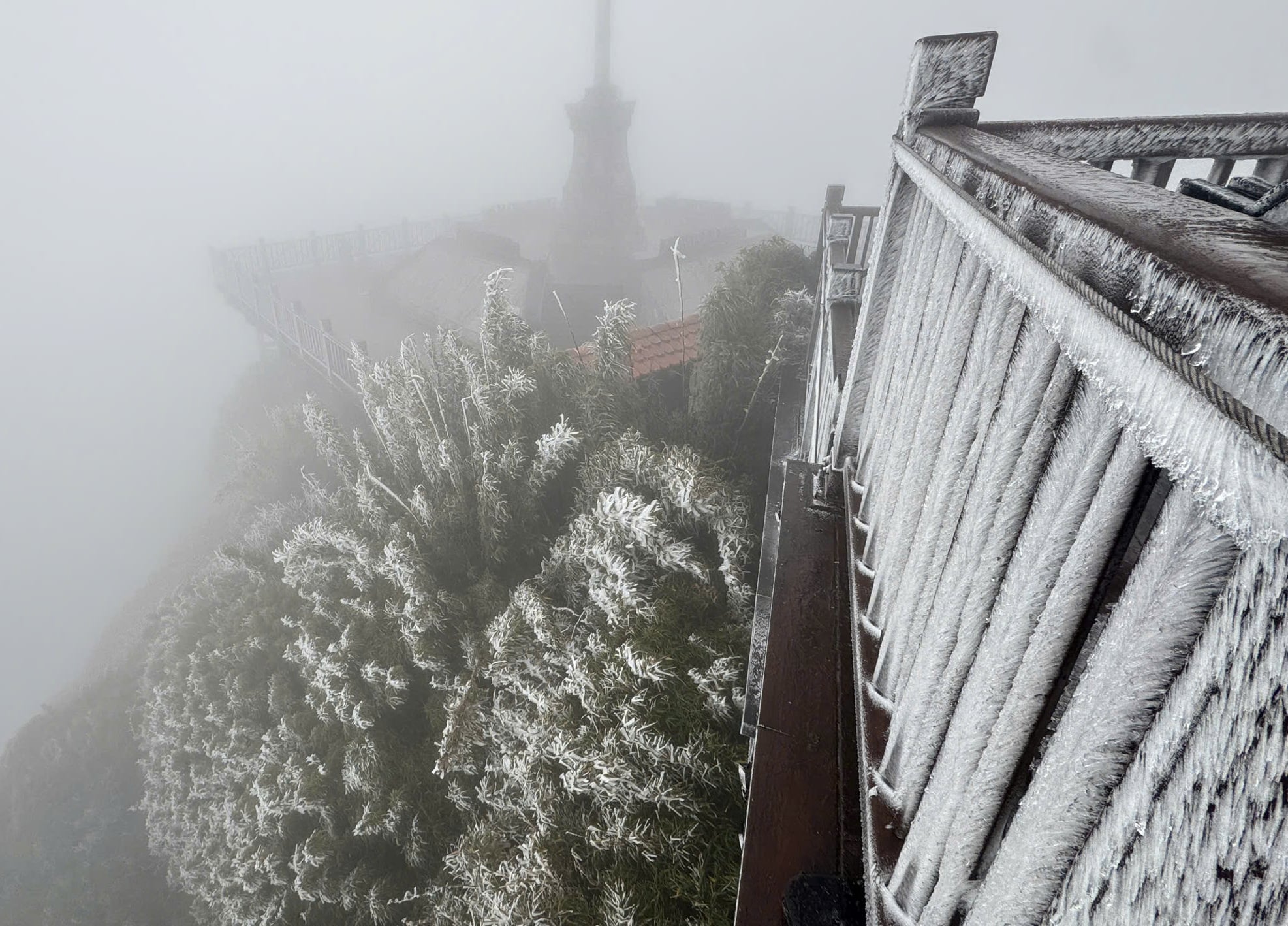
Thick frost clings to tree branches and walkways on Fansipan’s summit in Lao Cai Province, northern Vietnam. Photo: AX
As a prolonged cold spell grips northern Vietnam, temperatures have fallen sharply across a wide area.
At around 6:00 am on Wednesday, the temperature in Fansipan plunged to -3 degrees Celsius.
Under the impact of a strong cold air mass, Vietnam's highest peak has seen its thickest layer of ice since the start of the winter, producing striking wintry scenery.
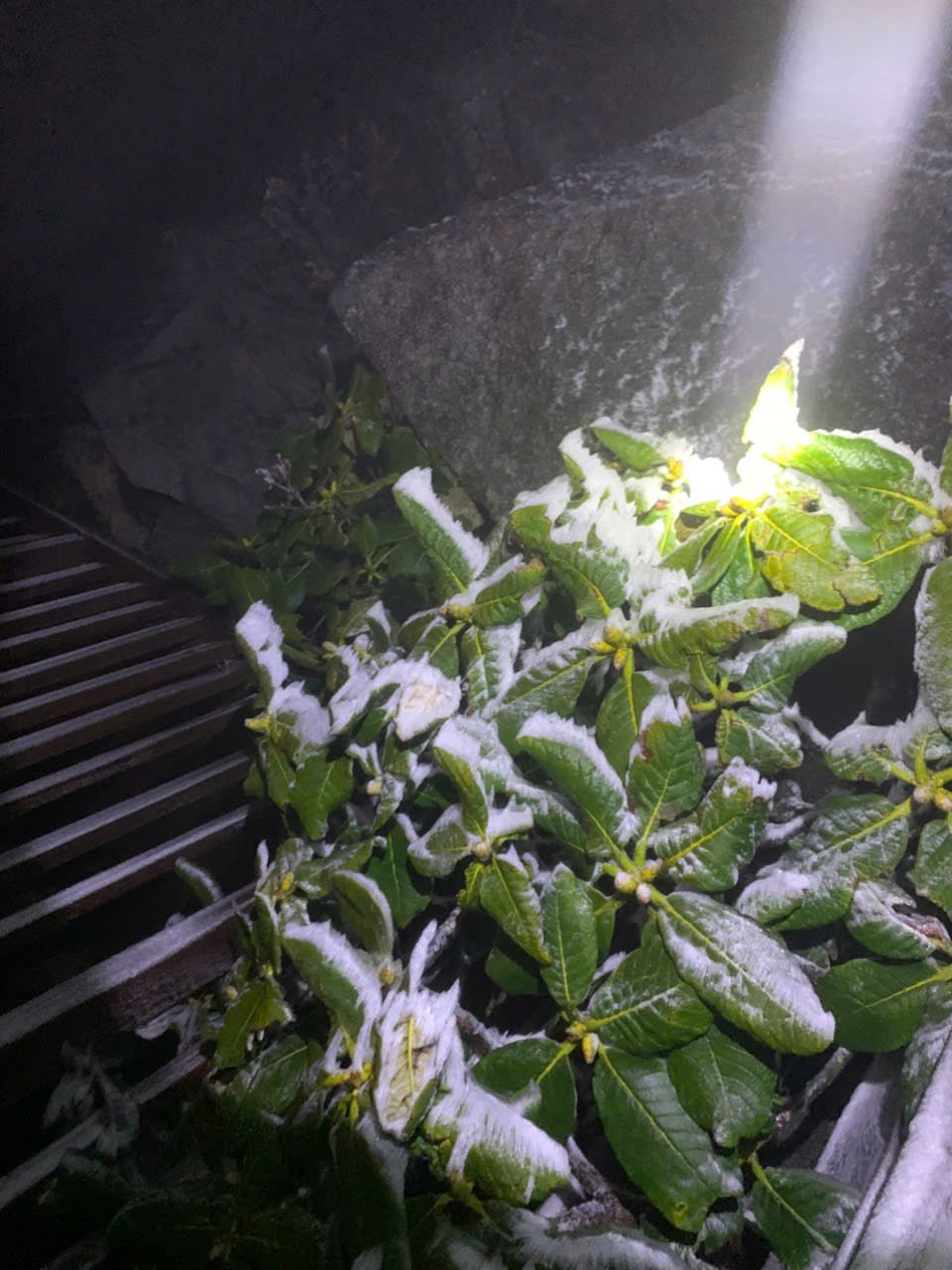

The frost is the thickest recorded since the start of the winter season.
Earlier this season, frost had appeared several times on Fansipan but only in thin layers.
Light snowfall was also recorded on the summit on December 18.
According to staff at the Sun World Fansipan Legend cable car, weather patterns in early 2026 show similarities to years of heavy snowfall such as 2019 and 2021, when snow began lightly before becoming more frequent and accumulating more thickly.
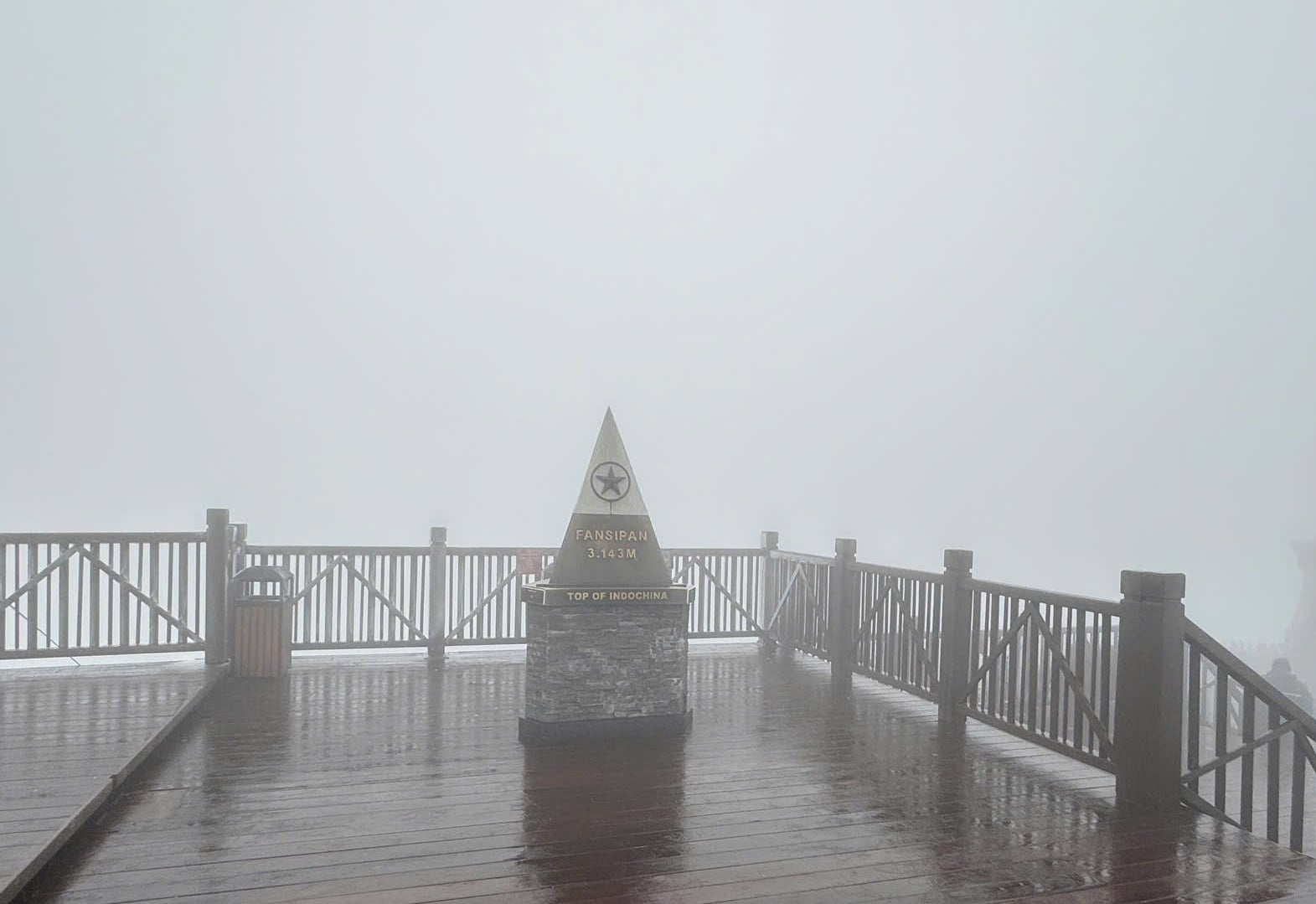
At 7:00 am on January 7, 2026, dense fog still blanketed the mountain peak of Fansipan as temperatures dropped to -3°C.
The National Center for Hydro-Meteorological Forecasting said early on Wednesday that intensified cold air had affected northern areas of the north-central region, bringing rain and showers.
Temperatures in many places dropped by 4-7 degrees Celsius.
At 5:30 am on Wednesday, temperatures recorded at weather stations from Ha Tinh northward were all below 15 degrees Celsius.
The lowest reading was at Mau Son Mountain station in Lang Son Province at 2.9 degrees Celsius.
A day earlier, thick frost was also observed on the summit of Phia Oac Mountain in Cao Bang Province due to the strengthened cold air.
Meteorological authorities forecast that in the coming days, northern Vietnam will continue to experience severe cold at night and in the morning, while daytime sunshine will push mercury up to around 17-19 degrees Celsius.










Max: 1500 characters
There are no comments yet. Be the first to comment.