


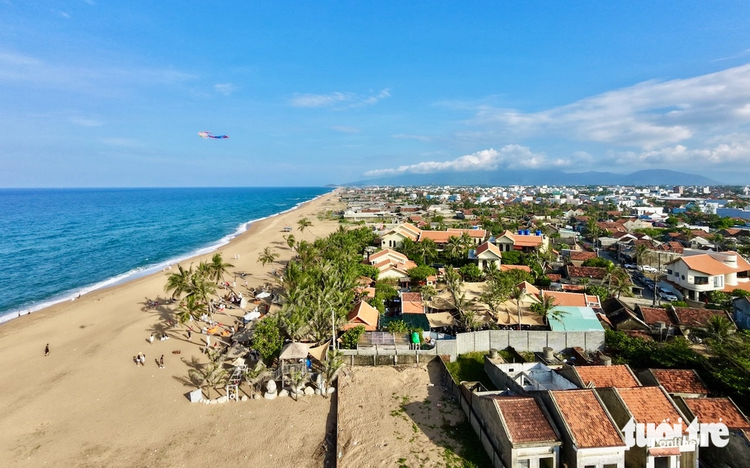
Lo Village in Dak Lak Province has become a popular community tourism destination. Photo: Minh Chien / Tuoi Tre
Lo is a name recently given by tourism operators to the Phu Tho 1, Phu Tho 2, Phu Tho 3, and Phu Tho residential areas in Hoa Hiep Ward.
Over the past few years, many investors have purchased properties from local residents and developed eco-friendly resorts while preserving the area’s original character to attract visitors.
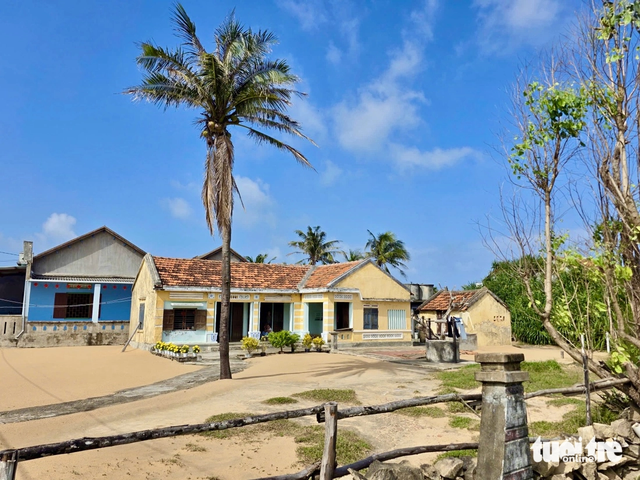
A house built in the 1960s in the Lo Village community tourism area. Photo: Minh Chien / Tuoi Tre
During her first visit to Lo Village, Nguyen Thi Thanh Mai from Ho Chi Minh City said she was most impressed by the peaceful atmosphere and the simplicity of local residents.
"I like it because everything follows the rhythm of life in a fishing village rather than being staged for tourists," Mai said.
Alongside its traditional values, a wave of entrepreneurship among young people has brought new energy to Lo Village.
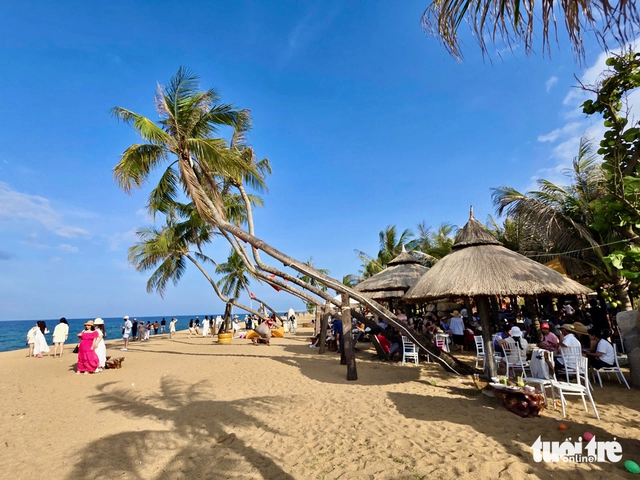
A popular spot in Lo Village. Photo: Minh Chien / Tuoi Tre
Over the past few years, numerous homestays, coffee shops, small restaurants, and sea-related experiences have emerged, encouraging visitors to stay longer.
After returning to her hometown with her husband and two children to open a homestay, Luu Phuong Thao established a community bookstore to provide local children with a place to read and play.
"We want to create a place where visitors can live like local residents, from joining fishing trips and learning how to mend nets to helping fishermen sort their catch," Thao said.
"Homestay owners also work together to organize various experiences for visitors and local children."
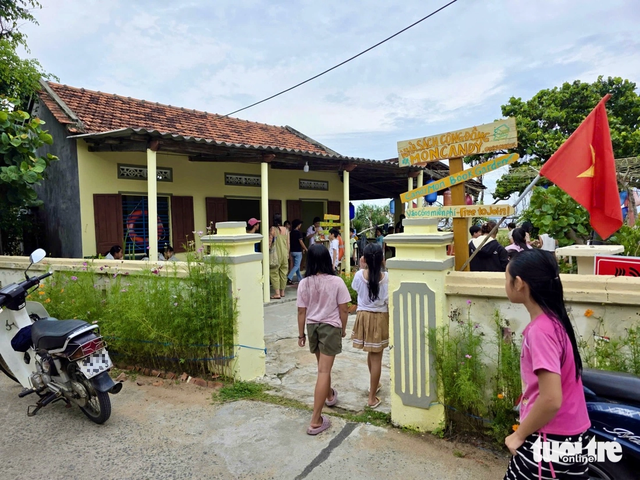
A community bookstore for children in Lo Village. Photo: Minh Chien / Tuoi Tre
According to Thao, the homestay model not only extends visitors' stays but also creates jobs for local residents through cooking, tour guiding, seafood sales, and related services.
Without relying on extensive promotional campaigns, Lo Village has gained widespread recognition on social media.
Phan Thu Phuong, a TikToker who runs the 'Bi To' channel and moved from Hanoi to the village nearly three years ago, regularly shares everyday moments such as visiting the fish market, joining fishermen as they pull in their nets, and playing with local children.
Her videos have attracted millions of views.
According to Phuong, Lo Village's appeal lies in its authenticity. Simply recording daily life without staging scenes is enough to attract viewers, she said.
In addition to social media, Lo’s selection as a filming location for several movies has also helped bring the fishing village closer to tourists.
Developing tourism without sacrificing local identity
Huynh Nguyen Ngoc Giang, chairman of the Hoa Hiep Ward People's Committee, said Lo Village currently has 72 accommodation establishments with 459 rooms.
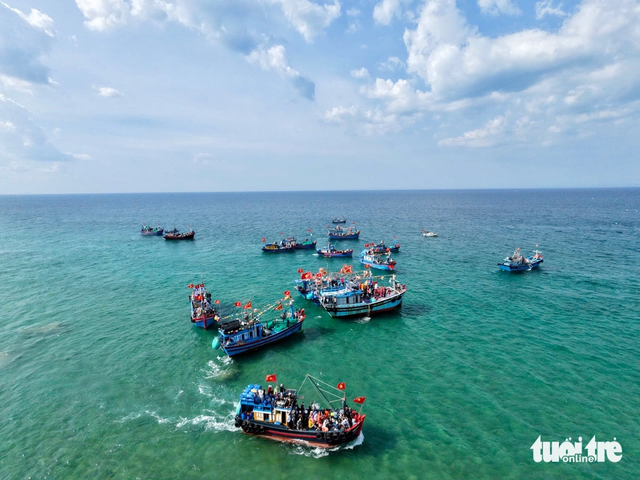
Authorities in Dak Lak Province plan to preserve Lo Village’s traditional customs and architecture. Photo: Minh Chien / Tuoi Tre
The rapid increase in the number of homestays since 2024 demonstrates the effectiveness of the community tourism development plan, he said.
"We are developing community tourism without sacrificing our identity. The locality prioritizes preserving the fishing village's landscape, cultural values and residents' livelihoods, while gradually developing the Cau Ngu (Whale Worship) Festival into a distinctive cultural tourism product," Giang said.
According to Giang, the ward will continue supporting residents in improving the quality of homestays, cuisine, One Commune One Product (OCOP) items, and sea-related experiences.
It will also facilitate film crews, YouTubers, and TikTokers in promoting the village.

Tourists visit Lo Village. Photo: Minh Chien / Tuoi Tre
The nomination of Lo Village for the international award presents an opportunity to promote the locality while creating momentum for more professional, green, and sustainable tourism development, said Le Phuc Long, deputy director of the Dak Lak Department of Culture, Sports, and Tourism.
According to Long, building on Lo Village’s initial success, the province will continue to develop a network of community tourism villages and connect fishing villages, traditional craft villages, and cultural areas to diversify tourism products.








Max: 1500 characters
There are no comments yet. Be the first to comment.