



Hanoi police detect several individuals who tested positive for narcotics at a bar during a raid and inspection campaign. Photo: Bich Ngoc
The goal is outlined in Plan No. 76, recently signed by standing vice-chairman of the Hanoi People’s Committee Duong Duc Tuan.
The plan implements the ‘Improving the Effectiveness of Grassroots Drug Prevention and Control’ project, as part of the national program on drug prevention and control through 2030.
Under the plan, authorities aim to detect 100 percent of drug dealers and eradicate all areas of illegal cultivation of plants containing narcotic substances.
The city expects to train some 2,000 personnel involved in preparing dossiers for compulsory drug rehabilitation measures, as well as those responsible for receiving, counseling, and registering individuals for rehabilitation at the commune level.
By 2030, more than 90 percent of drug addicts, illegal drug users, post-rehabilitation individuals, and those undergoing voluntary treatment at home or in the community are expected to receive medical, psychological, and social support interventions.
To fulfill its goal, Hanoi will provide training for grassroots health workers at commune and ward medical stations on identifying drug addiction and delivering psychological interventions to illegal drug users.
The city will also organize three to five training sessions annually, conducted either in person or online, for officials and support staff of commune-level drug prevention steering committees, as well as local police officers.
Training materials will include handbooks, documents, and instructional videos.
Investment will also be directed toward upgrading and equipping facilities that receive, register, and counsel individuals seeking drug rehabilitation, particularly those that do not yet meet regulatory standards.
In addition, Hanoi will issue criteria to classify key routes and areas with complex drug-related issues, as well as drug-free localities.
This classification will help authorities assess crime and social disorder linked to narcotics and allocate funding to communes and wards for more effective grassroots-level prevention and control efforts.
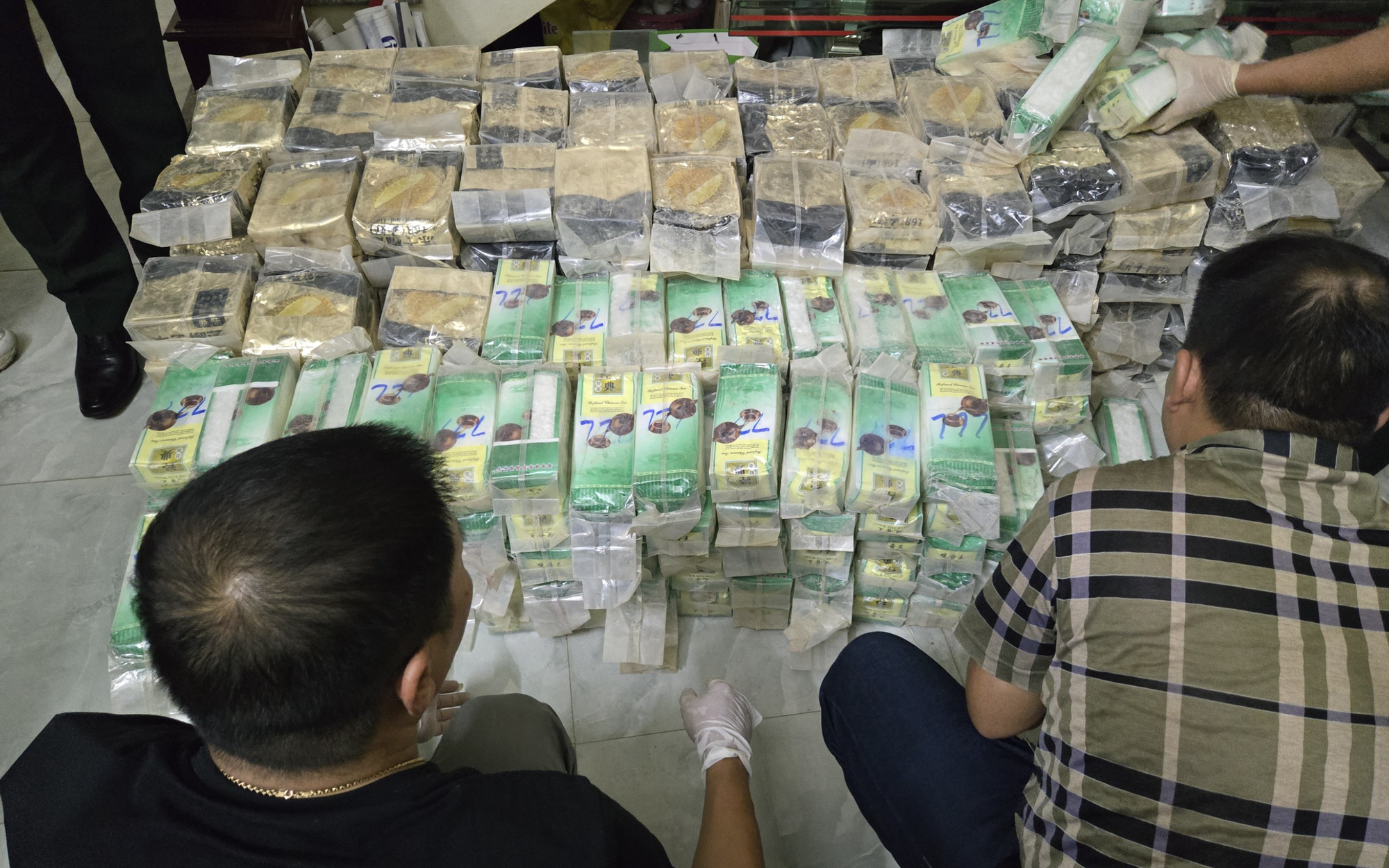
In 2025, police in the capital launched multiple campaigns to crack down on drug-related crimes, detecting over 3,030 cases, handling 4,749 suspects, and seizing more than 777 kilograms of various types of drugs, local media reported.








Max: 1500 characters
There are no comments yet. Be the first to comment.