


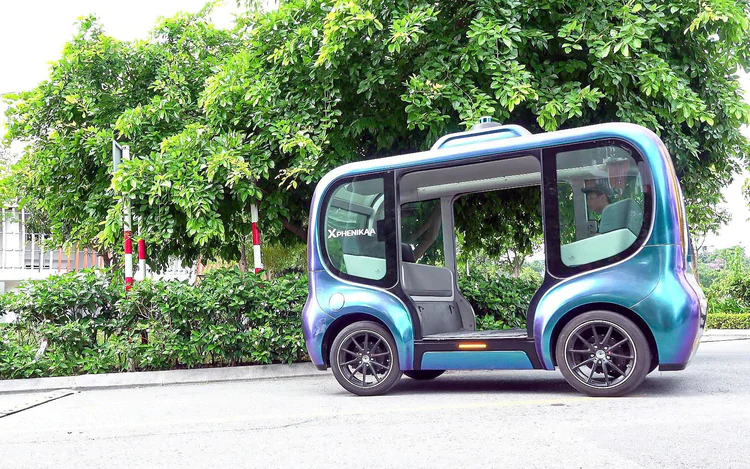
An autonomous bus developed by Phenikaa-X JSC, a Vietnamese autonomous technology developer. Photo: Hanoi People's Committee
Under a decision issued by the municipal administration on Tuesday, the trial will be conducted on fixed routes at the Hoa Lac Hi-Tech Park and the Hoa Lac campus of Vietnam National University-Hanoi, with high-definition digital maps and monitoring systems in place.
The project is designed to test the safety, reliability, and readiness of autonomous vehicles under real-world traffic conditions, while assessing the effectiveness of autonomous public transportation, user experience, and the vehicles' ability to integrate with existing transport systems.
The trial results will also provide data and a basis for developing technical standards, regulations, operating procedures, and management models for autonomous vehicles in Vietnam.
The system incorporates LiDAR, cameras, high-definition 2D and 3D digital maps, high-precision GPS, and artificial intelligence algorithms, including machine learning and deep learning.
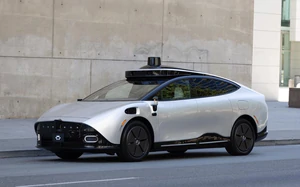
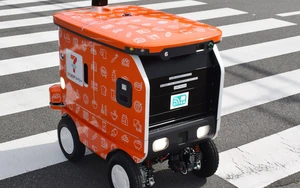
At the Hoa Lac Hi-Tech Park, robotaxis and delivery robots will be tested along a route of about 11.5 kilometers.
The robotaxis will transport passengers, while delivery robots will handle deliveries within the area.
At the Vietnam National University-Hanoi campus in Hoa Lac, autonomous buses will operate along a route of about 2.8 kilometers to transport students between dormitories, lecture halls, military training facilities, and bus connections.
Automated cleaning and delivery robots will also be tested on the campus.
Testing is scheduled to take place from 9:00 am to 4:30 pm daily under daylight conditions to ensure adequate visibility and monitoring.
The vehicles will operate at speeds of no more than 40 kph and will not be allowed to run during heavy rain, thunderstorms, flooding, strong winds, dense fog, natural disasters, or other incidents that could affect traffic safety, the Vietnam News Agency (VNA) reported.
Autonomous buses and robotaxis must have safety supervisors on board who can take manual control in emergencies or when operating conditions exceed safe limits.
The supervisors must hold appropriate driver's licenses and receive relevant training, while personnel will also be assigned to supervise the cleaning and delivery robots.
Each autonomous bus will be allowed to carry up to eight passengers per trip, while each robotaxi can carry up to four passengers, excluding safety supervisors.
Commercial transport services and fares are prohibited during the trial.
The Hanoi Management Board of Hi-Tech Parks and Industrial Parks will oversee the trial, while the municipal Department of Science and Technology will evaluate the results and advise the city on policies following the trial, according to VNA.
- REFERENCE MORE
- REFERENCE MORE
- REFERENCE MORE








Max: 1500 characters
There are no comments yet. Be the first to comment.