


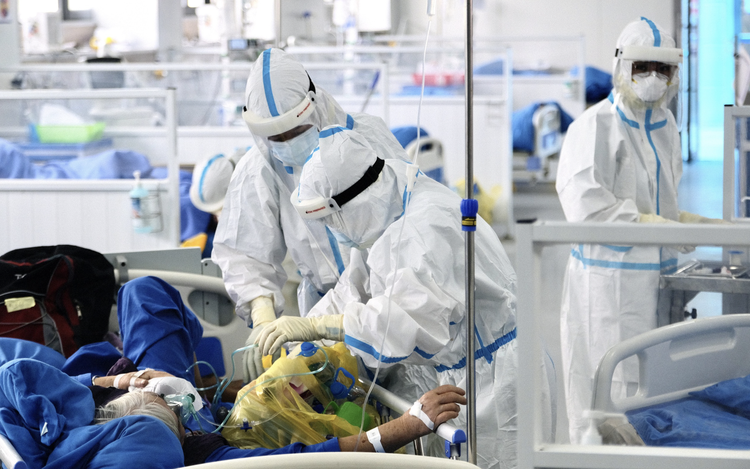
COVID-19 patients receive treatment at a hospital in Hanoi in 2022. Photo: Nam Tran / Tuoi Tre
During the most recent reporting period, from March 20 to March 27, the city documented 17 new cases across 12 wards and communes.
This marked a sharp increase from the previous week, which saw only three cases logged in three wards and communes.
Health officials said that the new BA.3.2 variant of SARS-CoV-2, the virus behind the COVID-19 pandemic that killed millions worldwide, has been placed under monitoring, urging the public not to panic.
The variant was first identified in South Africa on November 22, 2024, according to the World Health Organization (WHO).
Data indicate the new variant has some changes in antigenic properties and immune evasion in laboratory conditions.
However, there is no evidence that it increases disease severity, hospitalizations, or deaths.
WHO also said existing COVID-19 vaccines remain effective in preventing severe illness and death.
The Hanoi Department of Health has urged residents to remain calm while continuing to exercise caution.
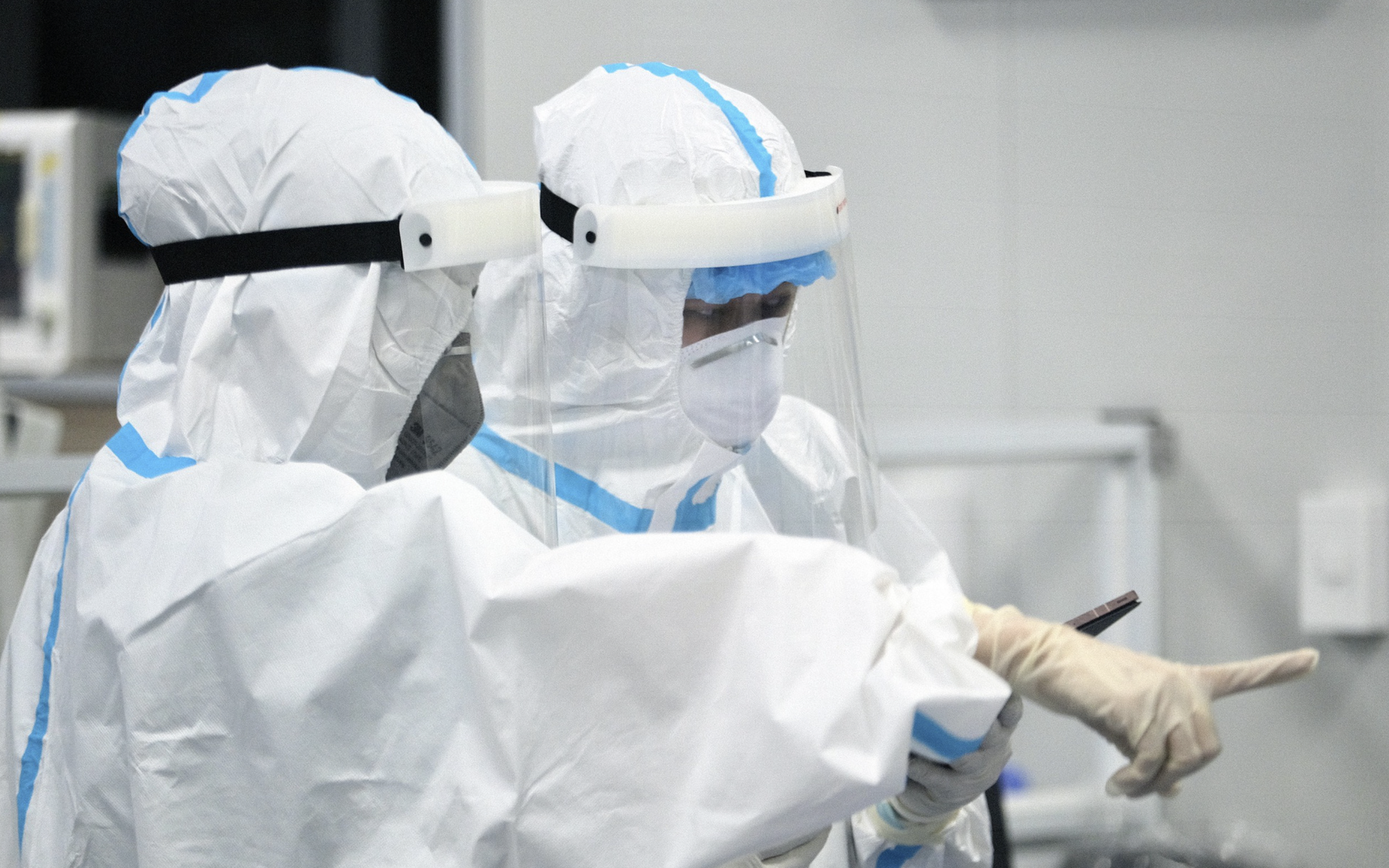
Preventive measures remain essential, particularly in healthcare facilities, crowded areas, and enclosed spaces.
Individuals experiencing symptoms such as cough, fever, or respiratory issues are advised to wear masks to reduce the risk of transmission.
Residents should regularly wash their hands with soap or alcohol-based sanitizers, and disinfect touched surfaces, including doorknobs, desks, phones, and personal devices.
Also, they are encouraged to monitor their health closely and limit contact with others if symptoms arise.
Mild cases should be managed with rest, adequate hydration, and symptom-based treatment under medical guidance.
Those experiencing severe symptoms such as high fever, shortness of breath or chest pain are urged to seek medical attention promptly.
The Ministry of Health continues to closely track the evolution of the pandemic and circulating variants worldwide.
It has instructed preventive health systems and medical facilities to maintain vigilance, ensure early detection, assess risks, and remain prepared to respond to potential developments.
Health officials reiterate that while there is no need for panic, complacency must be avoided, especially among vulnerable groups, including the elderly, individuals with underlying conditions, and pregnant women.
According to a WHO report released in November 2025, nearly 780 million COVID-19 cases and more than 7.1 million deaths have been officially reported worldwide since December 2019, although the actual toll is believed to be higher.
In Vietnam, where COVID-19 was first detected in January 2020, the health ministry reported 41,477 COVID-19-related deaths as of March 15, 2022, the same day the country reopened to international tourists after earlier success in containing the pandemic.








Max: 1500 characters
There are no comments yet. Be the first to comment.