


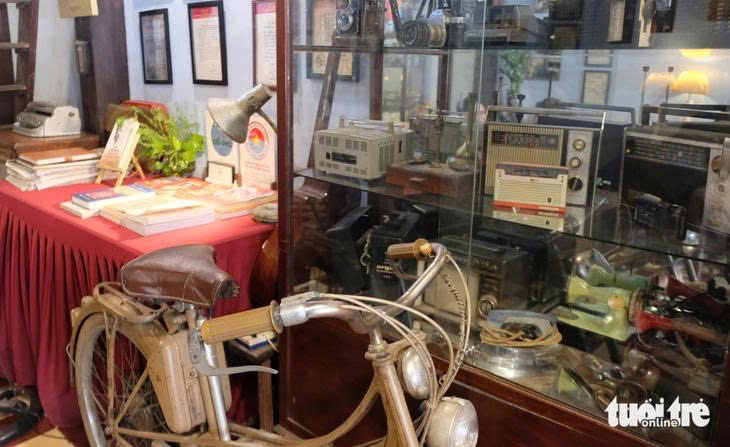
Artifacts are displayed at House 113A Dang Dung Street in Tan Dinh Ward, a former safe house in Ho Chi Minh City, Vietnam. Photo: Linh Doan / Tuoi Tre
From cafés concealed behind old doors to subterranean spaces and historic artillery sites, each location offers a distinct story and a different slice of the fast-moving southern metropolis.
Layers of memory and experience overlap across these sites, inviting visitors to uncover them.
The upcoming Hung Kings’ Commemoration Day, which falls on the 10th day of the third lunar month and coincides with April 26, and the Reunification Day (April 30) and International Workers’ Day (May 1) holidays provide an opportunity to explore historical landmarks across the city.
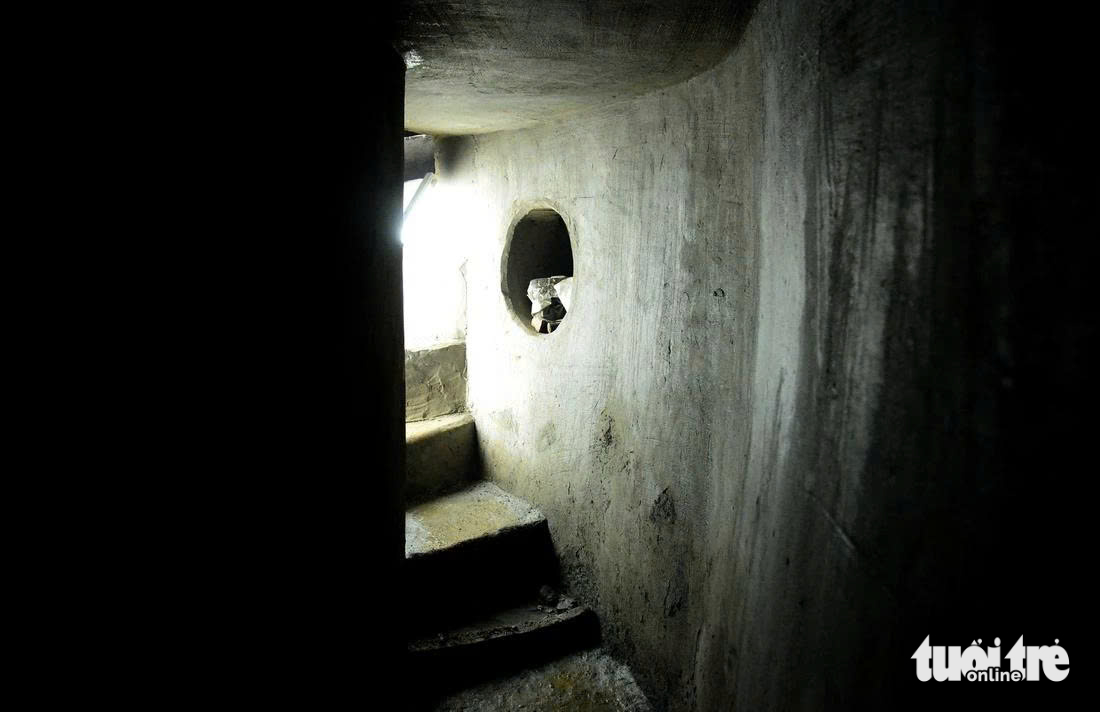
A narrow entrance to a hidden bunker, about 50 cm wide and located behind a kitchen, used to transport weapons in wartime, is seen at 287/70 Nguyen Dinh Chieu Street in Ban Co Ward, Ho Chi Minh City, Vietnam. Photo: Tu Trung / Tuoi Tre
At the Ho Chi Minh City Museum, a bunker beneath the former Gia Long Palace was built between May 1962 and October 30, 1963 under then–South Vietnam President Ngo Dinh Diem as protection against bombings and coups.
The 1,400-square-meter bunker sits about four meters underground, with reinforced concrete walls up to one meter thick and four entrances along its corridors.
It includes multiple shelter compartments, a communications system, and water supply and drainage infrastructure, and about 150 meters of the tunnel is now open to visitors after reopening in late March.
The museum, located at 65 Ly Tu Trong Street in Saigon Ward, is open daily from 8:00 am to 5:00 pm, including weekends and holidays, with tickets priced at about VND30,000 (US$1.14) per adult.
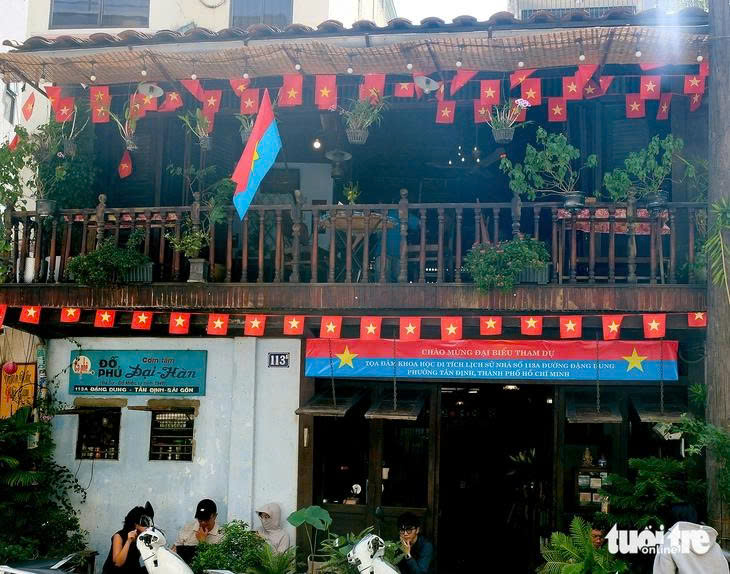
House 113A Dang Dung Street in Tan Dinh Ward, Ho Chi Minh City now serves coffee and rice dishes while preserving stories of Saigon Commando fighters during wartime. Photo: Linh Doan / Tuoi Tre
Elsewhere, two secret weapon bunkers used by the Saigon Special Forces have been preserved as a national historical site and are open to the public free of charge.
During the American war, Do Van Can, also known as Ba Mu, operated from a house at 183/4 3 Thang 2 Street in Vuon Lai Ward under the cover of a shoe-sole workshop.
In early 1965, he built a concealed bunker with a small, well-camouflaged entrance to store weapons including explosives, grenades, and firearms over a period of about four months.
During the 1968 Tet Offensive, forces led by Lieutenant General Le Thanh Binh gathered at the house to receive weapons for combat operations.
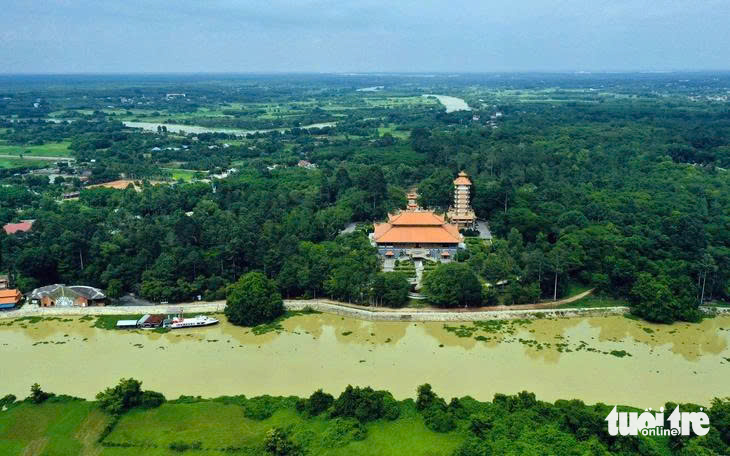
An aerial view shows the Cu Chi tunnel complex, an extensive underground network in Ho Chi Minh City, Vietnam. Photo: Quang Dinh / Tuoi Tre
Another bunker at 287/70 Nguyen Dinh Chieu Street in Ban Co Ward, built secretly beneath a house by Tran Van Lai, stored nearly two tonnes of weapons for the attack on the then Independence Palace during the same offensive.
Measuring about eight meters long, two meters wide, and 2.5 meters deep, the structure remains open daily to visitors.
A related site at 113A Dang Dung Street in Tan Dinh Ward functions both as a café and a preserved historical location linked to the Saigon Special Forces.
The house, built in 1946, was used as a covert base for meetings, communications, and logistics under the cover of a food and coffee business.
It contains hidden mailboxes, underground passages, and escape routes, and continues to operate daily with food and drinks available.
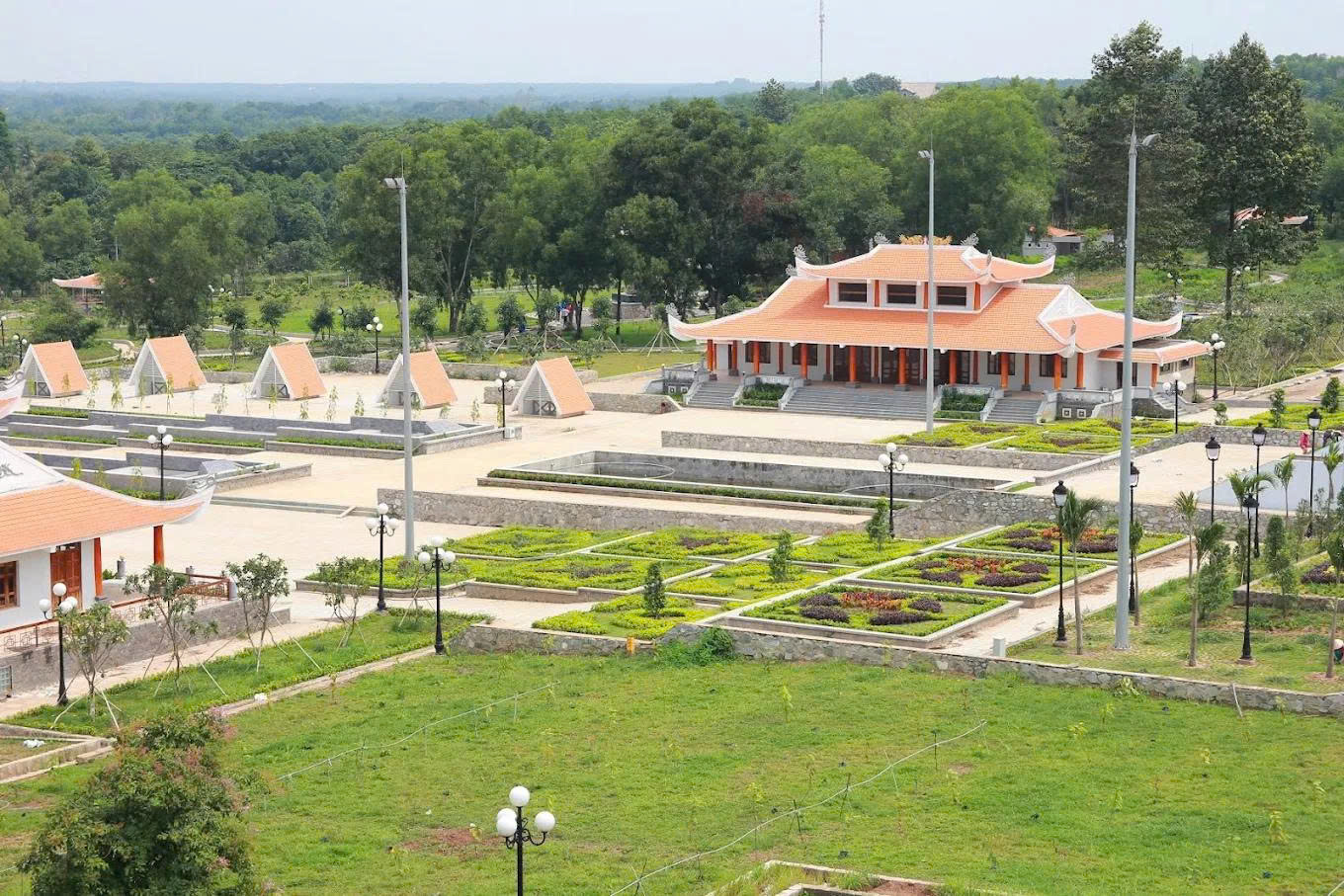
An overview shows the Iron Triangle tunnel historical site, an underground wartime network in Tay Nam Ward, Ho Chi Minh City, Vietnam. Photo: H.L.
Outside the city center, located in Phu Hiep Hamlet, An Nhon Tay Ward, the Cu Chi Tunnels stretch for about 250 kilometers in a network beneath the ground, with interconnected facilities including living quarters, medical rooms, storage areas, and defensive structures.
The tunnels were designed to withstand artillery and some types of bombs, with multiple levels, narrow passages, and concealed entrances.
They are open daily from 7:00 am to 5:00 pm, with entry fees starting at about VND35,000 ($1.33) per person.
East of the city, in Tam Long Ward, the Long Phuoc tunnel system consists of interconnected underground clusters located about two to three meters below ground, with narrow passageways measuring roughly 0.6-0.7 meters wide.
Originally a 300-meter tunnel, it was later expanded and formed part of a larger network totaling about 3,600 meters built during the wars against French and U.S. forces.
Visitors can access the site daily free of charge and experience the tunnels first-hand.
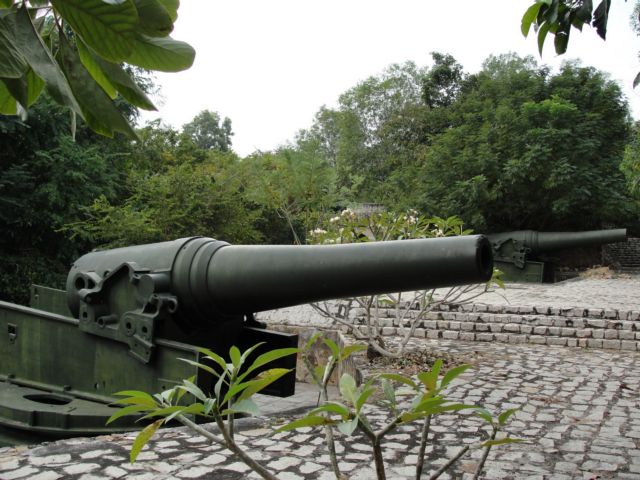
French-era artillery positions and naval mine bunkers at Nui Lon are seen in Vung Tau Ward, Ho Chi Minh City, Vietnam. Photo: Ba Ria–Vung Tau Museum
In nearby coastal areas, the Nui Lon artillery site and naval mine bunkers in Vung Tau Ward were built by French colonial forces in the late 19th century to control maritime access in southern Vietnam.
The site includes six large cannons arranged in an arc, along with ammunition depots and reinforced bunkers, some later used by Japanese forces during World War Two.
Further north, the Iron Triangle tunnel complex in Tay Nam Ward, built from 1948, extends nearly 100 kilometers and served as a key base for resistance forces during both wars.
Open to visitors daily, the system includes combat positions, shelters, and supply storage areas.








Max: 1500 characters
There are no comments yet. Be the first to comment.