


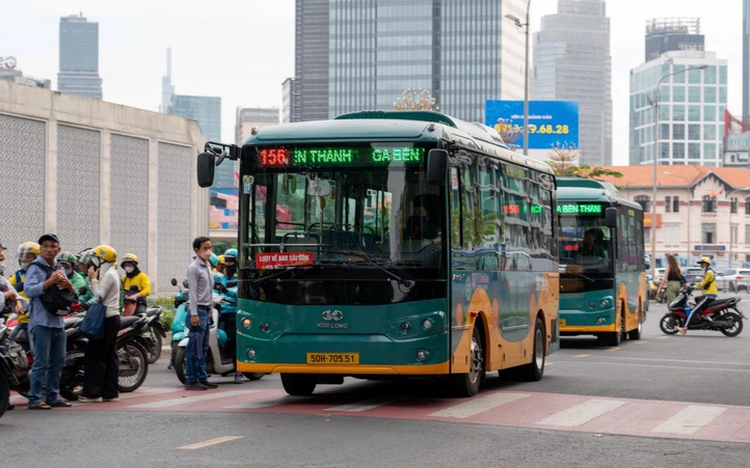
The Ho Chi Minh City Department of Construction has proposed piloting a Demand-Responsive Transport (DRT) model in some selected areas in the city. Photo: N.G.
According to the department, while the city’s public transport system has developed in recent years, its overall share of passenger demand remains modest.
In 2025, public transport met only seven percent of the city's total travel needs.
The department pointed to limited accessibility as a major constraint.
Several dispersed residential areas, new urban developments, and narrow streets remain insufficiently served by fixed-route bus lines.
In addition, the connectivity to major transit corridors, especially metro stations, continues to be a challenge for commuters.
Meanwhile, the DRT model is being considered as a complementary solution, and has already been deployed in countries such as South Korea and Japan.
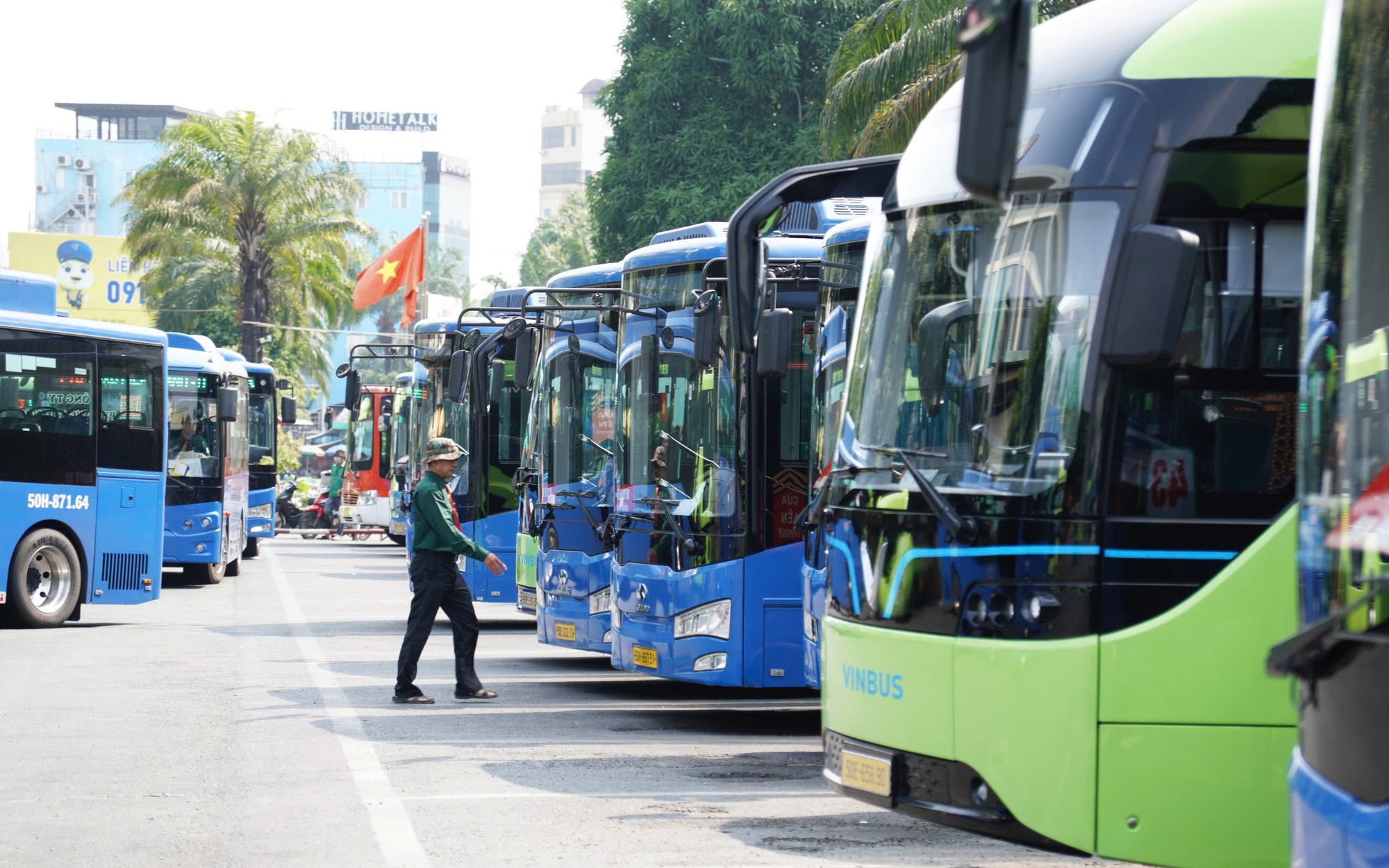
DRT systems operate with greater flexibility than traditional bus services, adjusting routes and stops based on real-time passenger demand rather than fixed schedules alone.
Under the proposed pilot, mini buses would operate in a hybrid format.
During peak hours, vehicles would follow fixed routes similar to conventional bus lines, while the system would shift to a more flexible mode outside peak periods, allowing passengers to book rides through a mobile application.
The initial phase of the test is expected to be limited in scale and deployed in selected areas, including Vietnam National University-Ho Chi Minh City, the downtown area, and corridors along the city’s first metro line.
The pilot period would run for no longer than three years.
After the first year of operation, the city will conduct a comprehensive review to assess performance, operational efficiency, and passenger uptake to guide decisions on whether to refine the model and expand coverage.
The municipal department has also proposed that fares for the DRT service be aligned with existing bus ticket prices to ensure affordability and encourage adoption among residents.
Besides, the department suggested the city consider financial subsidies during the trial period.
The vehicles used in the pilot will be small buses already available within the existing fleet, according to the proposal.








Max: 1500 characters
There are no comments yet. Be the first to comment.