


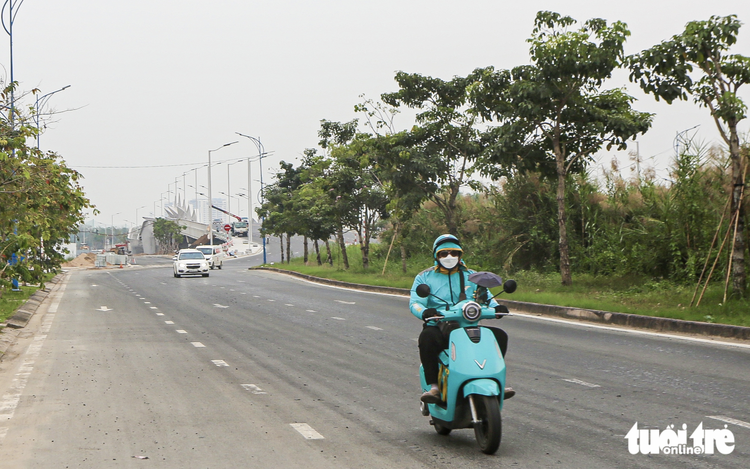
The Ho Chi Minh City Department of Construction will publicize a list of streets for the installation of electric motorbike battery-swap cabinets. Photo: Chau Tuan / Tuoi Tre
The move aims to provide a clear legal basis for businesses to deploy the infrastructure in compliance with safety regulations and urban aesthetics.
The approved streets and locations will be publicly posted on its official website, according to the municipal department.
Based on this list, enterprises seeking to install battery-swap cabinets will be required to prepare detailed plans covering installation, operation, and exploitation, ensuring full compliance with standards on electrical safety, fire prevention and fighting, traffic safety, environmental hygiene, and urban landscape management.
All investment, installation, power connection, and operational costs will be covered entirely by the enterprises.
They must also demonstrate adequate financial capacity, relevant experience, and public liability insurance to cover third-party risks in the event of incidents.
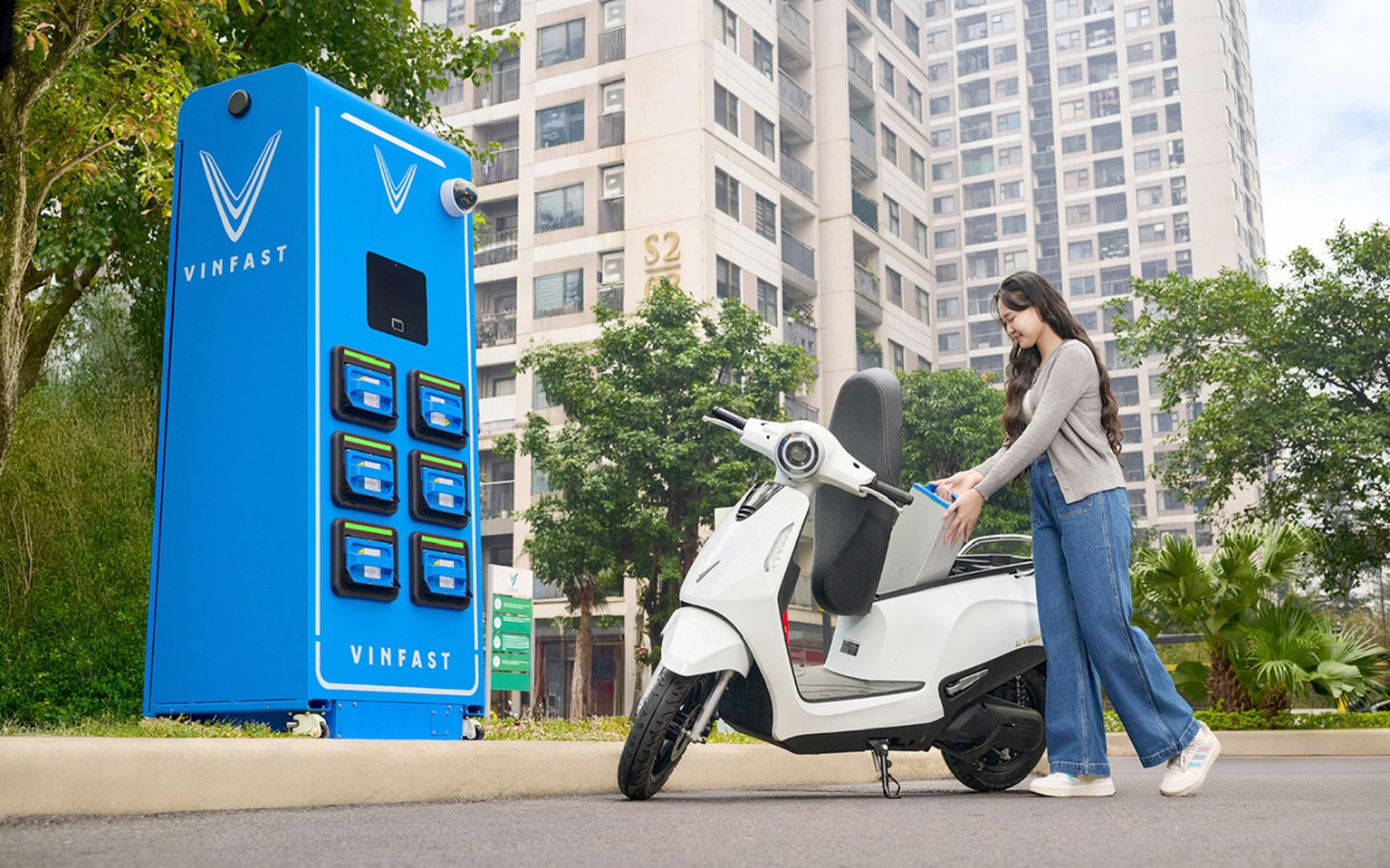
The department requires that battery-swap cabinets meet technical standards and undergo periodic electrical safety inspections.
Each unit must be equipped with automatic shut-off systems, temperature warnings, and round-the-clock monitoring capabilities, including surveillance cameras and remote data connectivity to promptly detect and handle incidents.
The surrounding area must be kept clean and orderly, and the cabinets may not display commercial advertising beyond basic identification and user instructions.
Battery-swap cabinets may be installed on sidewalks or in other suitable areas along approved roads, provided they do not obstruct pedestrian movement.
They are banned from intersections, pedestrian crossings, access routes for people with disabilities or locations prone to frequent flooding.
The spacing between cabinets must meet requirements for both spatial use and urban aesthetics.
Priority will be given to sites where electric charging stations already exist and to areas adjacent to bus stops.
Once the list is released, enterprises must complete their applications for temporary sidewalk use permits and submit them to the department, along with the required fees.
In cases involving construction work on sidewalks, additional permits must be obtained before implementation.
During operation, enterprises are responsible for complying with any relocation or dismantling requests issued by competent authorities and for restoring sidewalks to their original condition upon termination of operations.
Chairman of the municipal People’s Committee Nguyen Van Duoc chaired a meeting to review the proposal to install electric motorbike battery-swap cabinets on sidewalks on December 16, 2025.
After hearing reports from the Department of Construction and opinions from meeting participants, the chairman approved in principle the installation of battery-swap cabinets for electric motorbikes on sidewalks and in public areas, within the protected scope of road infrastructure.








Max: 1500 characters
There are no comments yet. Be the first to comment.