


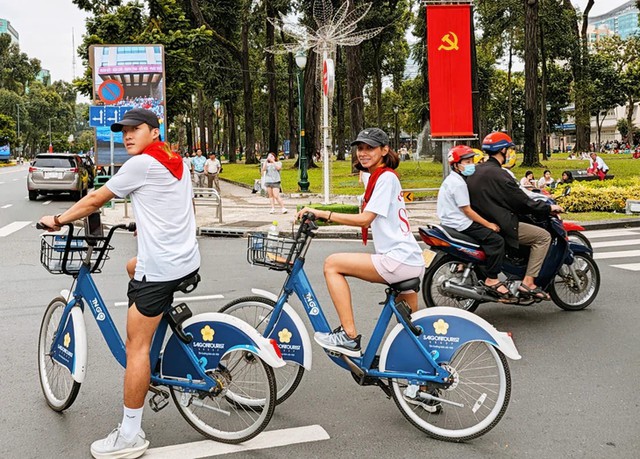
Tourists visit Ho Chi Minh City during the peak travel season in 2026. Photo: Do Dat / Tuoi Tre
According to the local authorities, the city welcomed an estimated 8.52 million international visitors during the period, up 34.5 percent from a year earlier and equivalent to 77.4 percent of its full-year target.
Domestic tourist numbers, however, fell 5.2 percent to about 39.57 million.
The contrast between the two markets has become a defining feature of Ho Chi Minh City’s tourism performance this year.
While domestic travel weakened, international arrivals continued to expand and tourism revenue grew even faster, pointing to the increasing importance of overseas visitors and higher visitor spending.
International arrivals on the rise
International arrivals remained a key growth driver for Ho Chi Minh City’s tourism sector in the first nine months of the year.
By the end of August, the city had already received more than 7.77 million international visitors and generated nearly VND259.7 trillion ($9.8 billion) in tourism revenue.
Vietnam climbs 7 places in global tourism development ranking
26/09/2026 12:27
Ho Chi Minh City eyes int’l circus festival after $53.5mn venue opens
24/09/2026 19:25
South Korea, Japan, Australia, and other Northeast Asian markets remain among the key sources of international visitors targeted by the city.
The domestic market has moved in the opposite direction, with tourism authorities citing fluctuating airfares and tighter consumer spending as factors weighing on travel demand.
Even so, the fall in domestic visitor numbers has not prevented overall tourism revenue from posting strong growth, reinforcing the city’s efforts to move beyond simply attracting more tourists and instead encouraging them to stay longer and spend more.
Ho Chi Minh City continues to prioritize segments such as MICE tourism, medical tourism, ecotourism, waterway tourism, and aerial sightseeing as part of efforts to increase visitor spending.
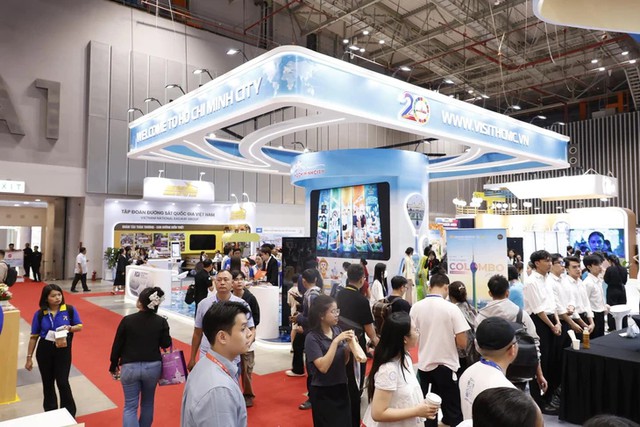
New tourism products are expected to help extend visitors’ stays and increase their spending. Photo: Do Dat / Tuoi Tre
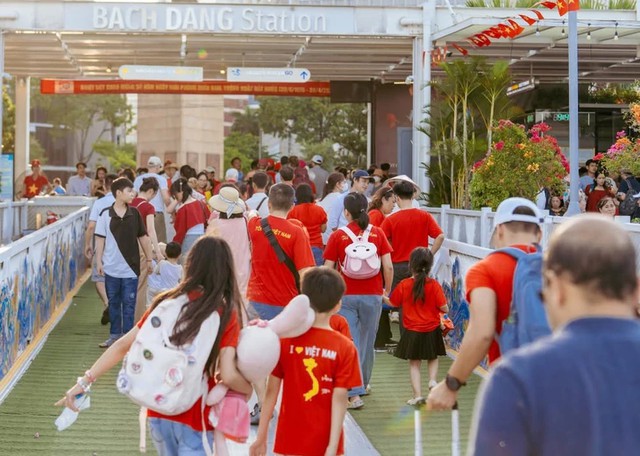
During the National Day holiday around September 2, the city welcomed about 1.7 million visitors and generated roughly VND4.9 trillion in tourism revenue. Visitor flows also spread more widely to Vung Tau, Binh Duong, and Con Dao following the expansion of the city’s tourism space.
During the National Day holiday around September 2, Ho Chi Minh City welcomed about 1.7 million visitors and generated roughly VND4.9 trillion ($188.7) million in tourism revenue.
Visitor flows also spread more widely to Vung Tau, Binh Duong, and Con Dao following the expansion of the city’s tourism space.
Infrastructure bottlenecks remain
Despite the strong revenue growth, waterway and helicopter tourism still face infrastructure constraints.
The incomplete city master plan has affected updates to the inland waterway wharf network, limiting the development of river tourism products.
Helicopter tourism also faces a shortage of suitable land for conveniently located helipads.
The tourism sector is additionally dealing with competition from regional destinations and a shortage of high-quality workers, particularly MICE personnel and foreign-language tour guides.
Tourist boat services on the Saigon River attract both domestic and international visitors. Photo: Do Dat / Tuoi Tre
In the final months of 2026, the city plans to complete and submit its tourism development plan through 2030 for approval, while developing standards for green, smart, and boutique hotels.
It will also organize the sixth Ho Chi Minh City Tourism Week and the ninth Ho Chi Minh City International Marathon, launch a promotion campaign in Singapore, and join activities held by the Tourism Promotion Organization for Global Cities.


Max: 1500 characters
There are no comments yet. Be the first to comment.