


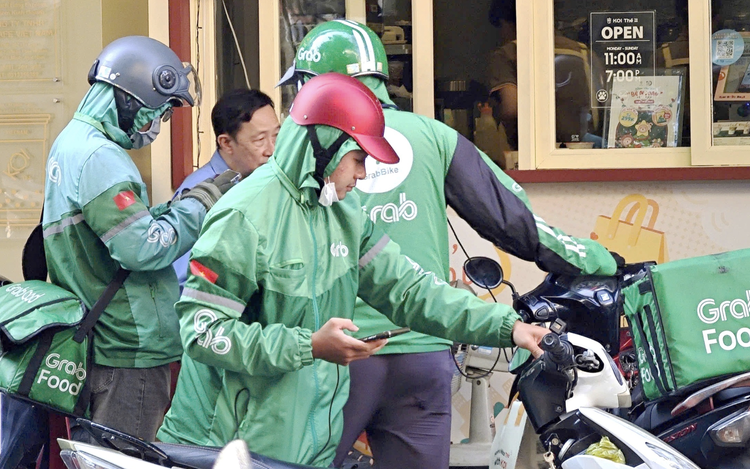
Many ride-hailing drivers are becoming more selective when accepting passengers amid rising fuel prices. Photo: Cong Trung / Tuoi Tre
Many drivers are forced to extend working hours, avoid short trips, and calculate every kilometer to maintain their earnings.
The Ministry of Industry and Trade raised retail fuel prices sharply at 11:00 pm on Thursday last week.
E5 RON92 gasoline is now capped at VND27,177 (US$1.03) per liter, up VND4,673 ($0.18) from the previous level, while RON95-III is priced at VND30,690 ($1.17) per liter, up VND5,115 ($0.19).
Global oil prices have been volatile in recent weeks due to escalating conflicts in the Middle East since February 28 and concerns over supply disruptions through key shipping routes.
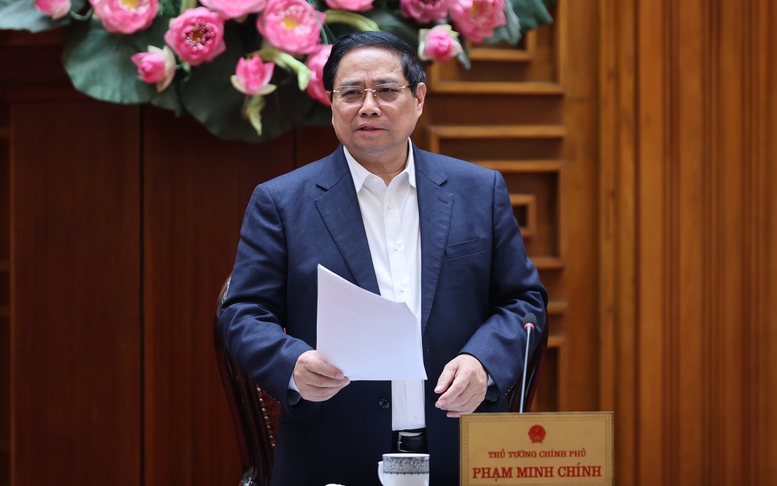
Vietnam’s Prime Minister Pham Minh Chinh has directed authorities to ensure fuel supply and prevent shortages, while enforcing measures against hoarding and price manipulation.
Waiting for his customer on Phan Xich Long Street in Ho Chi Minh City, H., a GrabBike driver, shared that what worries him most is not the heat or fewer trips, but the skyrocketing price of petrol.
A tank filled that morning already cost far more than before.
H. recently received a VND100,000 ($3.8) support from the app, but it only covers roughly two days of fuel.
For many drivers, short trips are the hardest to profit from.
A 1.5-2-kilometer ride is priced at VND15,000-20,000 ($0.56-0.75), yet drivers often cover a similar distance just to reach the pickup point.
Given empty mileage, waiting time, platform commissions, and vehicle wear, their income is minimal.
“Short trips used to help generate extra rides. Now, they barely break even,” H. said.
The pressure is even heavier for car drivers.
B.V.V., a GrabCar driver, said he previously spent about VND300,000 ($11.4) daily on fuel.
Now, costs have risen to nearly VND500,000 ($19) a day.
His average daily revenue is around VND1 million ($38).
Though he gets a seven-percent support from Grab, equivalent to only VND70,000 ($2.6), he still faces a daily shortfall of VND80,000 ($3) per day, or over VND500,000 per week.
“Displayed revenue doesn’t reflect real earnings,” he notes.
“After each trip, fuel, commission, maintenance, parking, and empty return trips eat into my income."
As fare increases remain limited, input cost fluctuations fall largely on drivers.
Many are now selective with trips, avoid unnecessary mileage, and focus on peak hours to preserve earnings.
Longer wait for passengers
Rising costs have changed driver behavior.
Many wait for rides closer to their current locations rather than drive around or head to passenger pickup locations.
They are increasingly rejecting short trips with lengthy dead mileage.
“I no longer just look at the fare. I calculate the distance to reach the passenger,” said Son, a BeBike driver.
“Some trips offer VND18,000 [$0.7], but require a two-kilometer drive to the pickup, almost not worth it.”
This is the reason why several passengers have complained about longer wait times.
Minh Anh, an office worker, shared that she had found it hard to book rides in the mornings.
“Some days I booked a ride for my child to go to school, but the first driver canceled," she said.
“The next one took a long time, and no drivers accepted it. Finally, I had to drive my child myself."
While fares are yet to rise officially, platforms like Grab and Be have launched short-term support for drivers to mitigate the impact.
Grab Vietnam has rolled out weekly bonuses for drivers using petrol-powered vehicles, offering seven percent of revenue for GrabCar drivers in Hanoi and Ho Chi Minh City.
GrabBike drivers can also receive weekly rewards through app notifications.
Be Group has implemented similar short-term programs.
The ‘Supporting Fuel Transport Drivers’ initiative adjusts weekly to track fuel price fluctuations, with maximum support reaching VND800,000 ($30.4) per month.
A Be Group representative described these measures as short-term solutions balancing driver welfare, customer affordability, and platform finances.
Considering electric vehicles
Within driver communities, comparisons between gasoline and electric vehicles are growing.
Many admit electric vehicles currently offer better, more stable earnings.
Vietnamese electric taxi ride-hailing app Xanh SM provides Green SM Mini drivers with a VND50,000 ($1.9) daily charging allowance for the first three months and guarantees daily earnings of up to VND600,000 ($22.8).
Some drivers also enjoy free access to public V-Green charging stations until mid-2027.
These incentives make electric vehicles not just eco-friendly but also economically attractive.
As a result, ride-hailing companies are accelerating the transition to electric vehicles.
Grab, after agreements with domestic electric motorcycle brands, has partnered with Yadea to expand driver options.
According to Ma Tuan Trong, CEO of Grab Vietnam, collaboration within the electric vehicle ecosystem is key to promoting a greener transition.
Drivers benefit not only from purchase incentives but also from warranties, maintenance, roadside assistance, and gradually expanding battery-swapping networks.
Some economic experts said that in the short term, hundreds of thousands of drivers still manage costs by being selective, working longer hours, and minimizing empty mileage.
Long-term sustainability depends less on immediate bonuses and more on operational models capable of shielding drivers from unpredictable cost shocks.








Max: 1500 characters
There are no comments yet. Be the first to comment.