


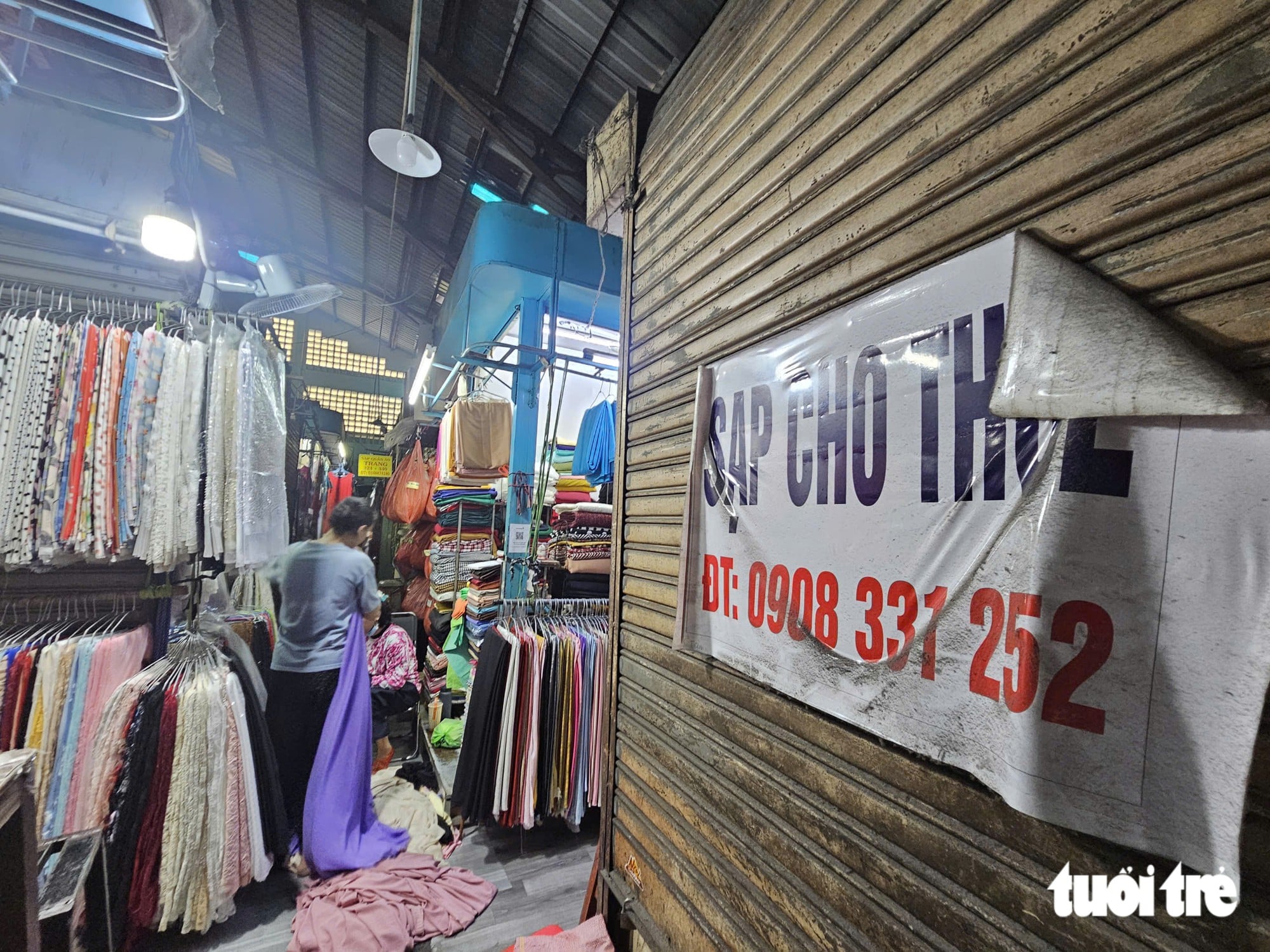
Stalls continue to be offered for transfer at both wholesale and retail markets in Ho Chi Minh City. Photo: Nhat Xuan / Tuoi Tre
Consumer spending at traditional markets in the city has yet to recover since the COVID-19 pandemic, with vendors continuing to abandon their stalls as sales decline.
Tuoi Tre reporters visiting Tran Huu Trang Market in Phu Nhuan Ward on Tuesday found more vendors than shoppers.
Most shoppers were concentrated in the outdoor sections selling vegetables, produce and food.
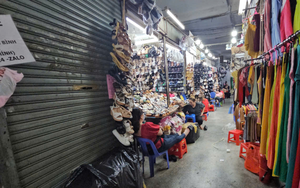
Meanwhile, rows of stalls selling household goods, clothes and shoes were quiet and gloomy.
Vendors sat waiting for customers. Some nodded off, while others watched YouTube, TikTok and Facebook before switching to short videos on their phones.
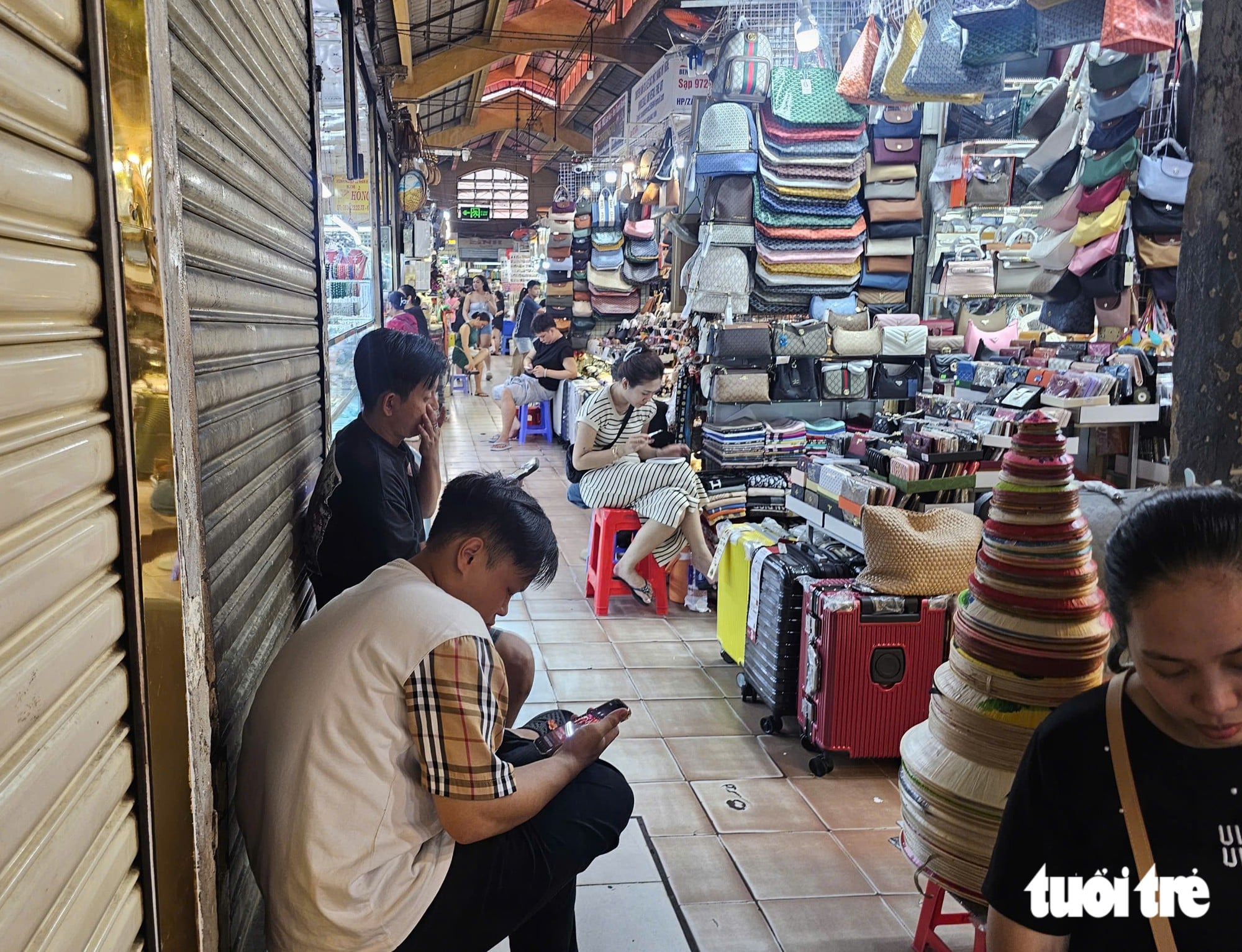
Vendors scroll their phones to pass the time as sales remain sluggish at a market in Ho Chi Minh City. Photo: Nhat Xuan / Tuoi Tre
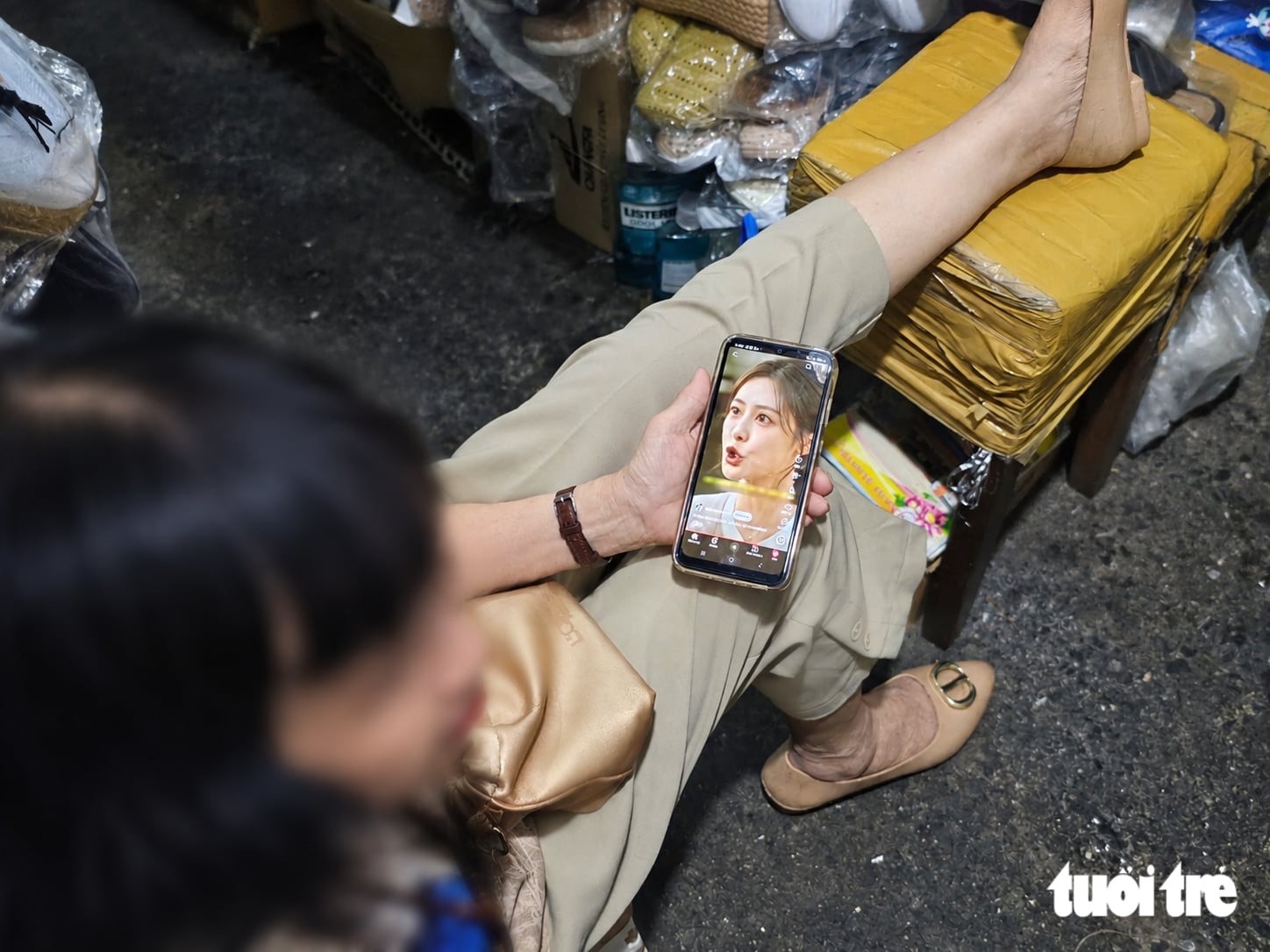
AI-generated short videos have become a new pastime for market vendors. Photo: Nhat Xuan / Tuoi Tre
Going days without a single customer
According to V.H.Q., a fashion vendor at the market, going a whole day without making a sale had become normal.
"Clothes and shoes are not essential goods, and they are easy to buy online at low prices, so sales at the market are very slow," Q. said.
P.T.H., a vendor selling slippers at Tran Huu Trang Market, said sales had steadily declined since the pandemic.
She now makes only about one-tenth of what she did before the pandemic.
Now that she is older, she mainly comes to the market for something to do and to chat with fellow vendors, as there are few customers.
Going two or three consecutive days without making a sale is no longer unusual, she said.
H. also said requirements to use apps to declare taxes and manage revenue had made her even more discouraged.
"I'm nearly 70 now. I can't keep up with apps and technology, so sometimes I find it really difficult," she said.
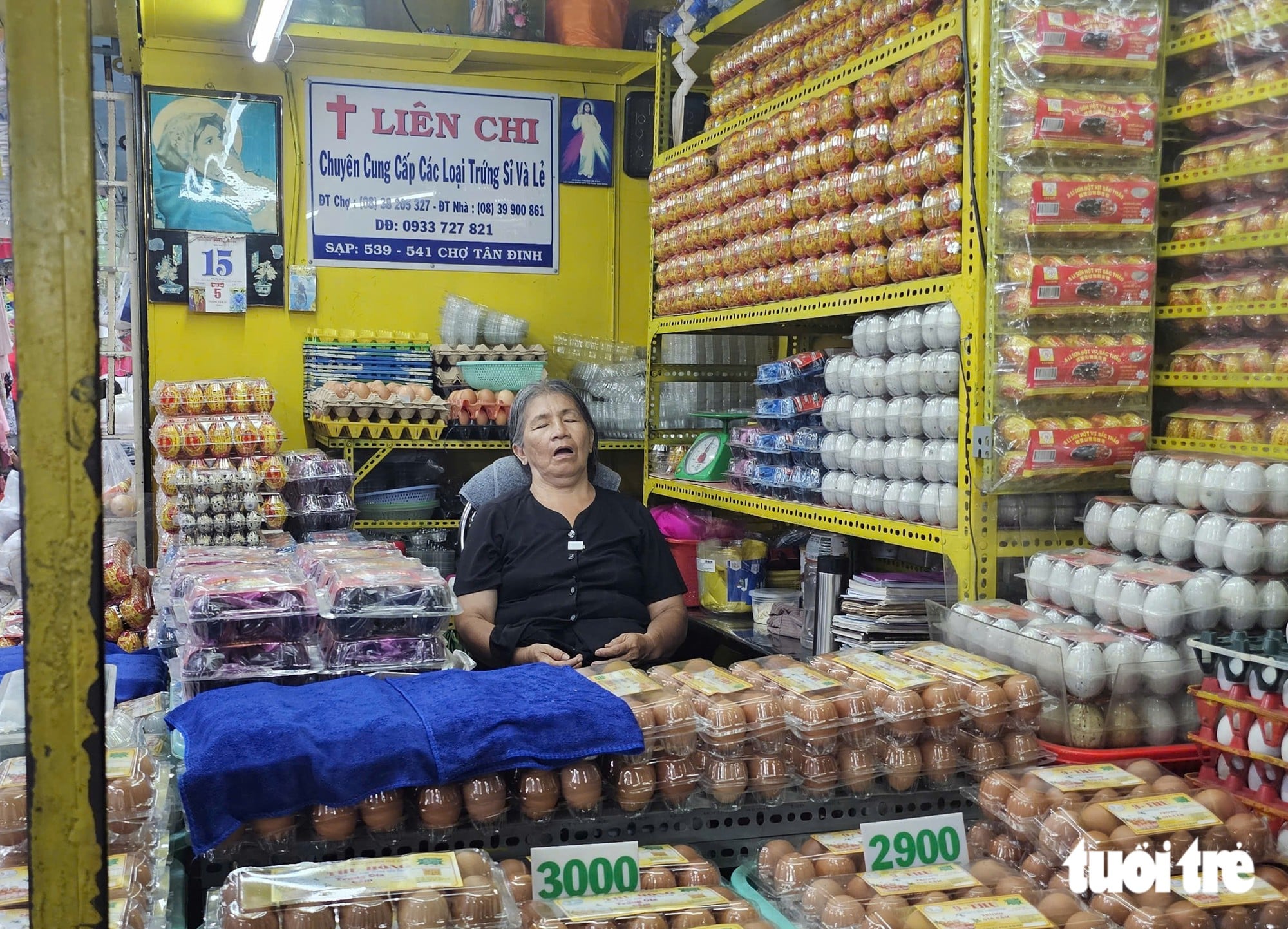
An elderly vendor nods off while waiting for customers at Tan Dinh Market, Ho Chi Minh City. Photo: Nhat Xuan / Tuoi Tre
The situation is no better at major markets such as Ba Chieu, Tan Dinh and Ben Thanh, where vacant stalls and stalls being offered for transfer remain common.
At Ba Chieu Market, there are times when the number of shoppers inside can be counted on one hand, particularly in areas selling fabrics, clothes and jewelry.
Pointing to a neighboring stall with a "for transfer" sign, K.V., a jewelry vendor at Ba Chieu Market, said the owner had been looking for someone to take over the stall for about four years but had yet to find one.
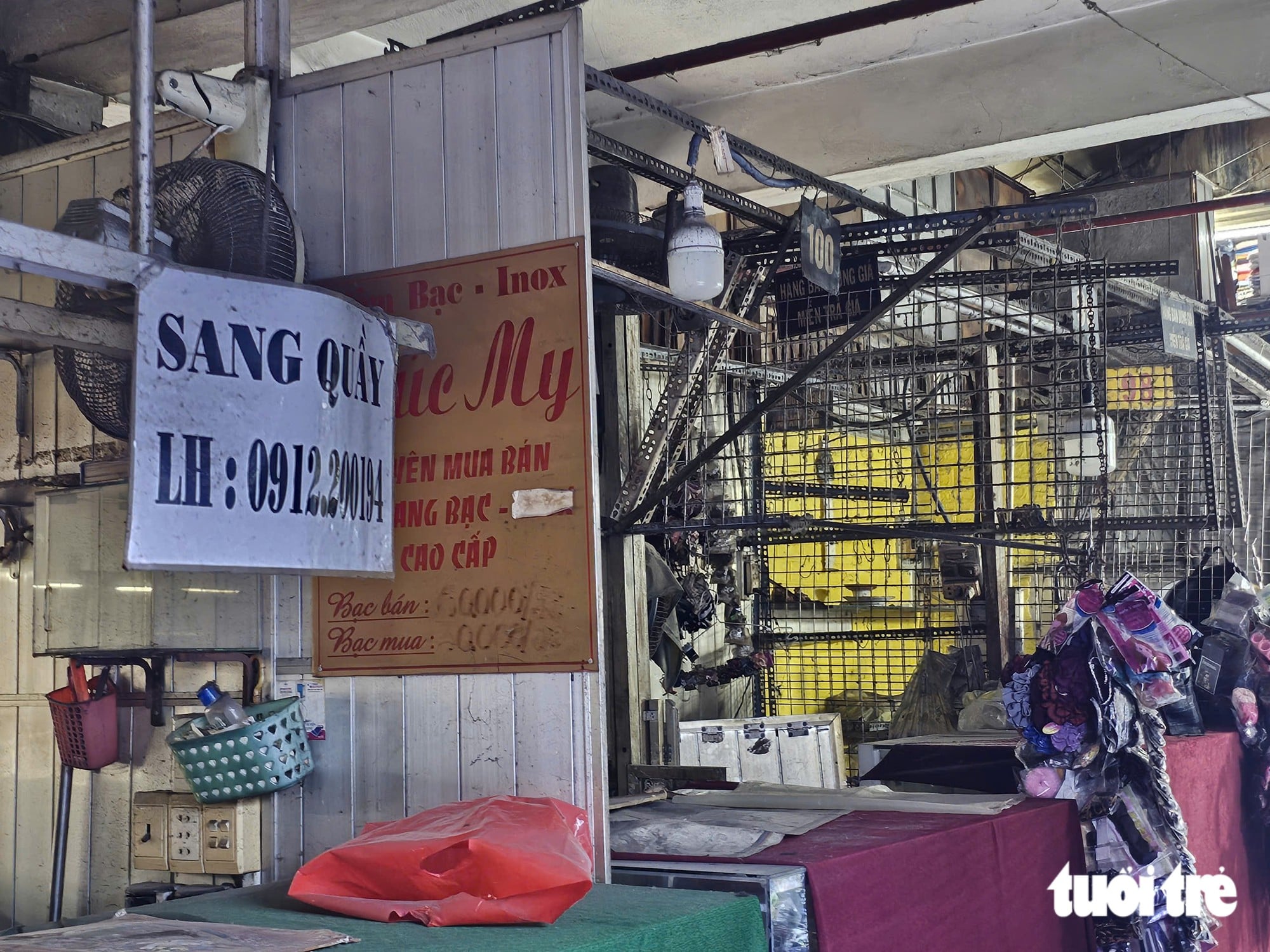
A stall at Ba Chieu Market in Ho Chi Minh City has displayed a ‘for transfer’ sign for years. Photo: Nhat Xuan / Tuoi Tre
According to V., sales have continued to decline since the pandemic.
"Part of the reason is the difficult economic situation, and part is that customers choose to shop at supermarkets, convenience stores and businesses outside the market, leaving the market quiet," V. said.
Weak sales have forced V. to cut expenses wherever possible, including cutting the cost of hiring someone to help at the stall and even her lunch budget.
"I used to start selling at 5:00 am, arriving early to set up and wait for customers. Now I don't set up until 9am because there is no point doing it earlier when nobody comes," V. said.
"I would take the time in the morning to cook lunch and bring it with me to save money,” she added.
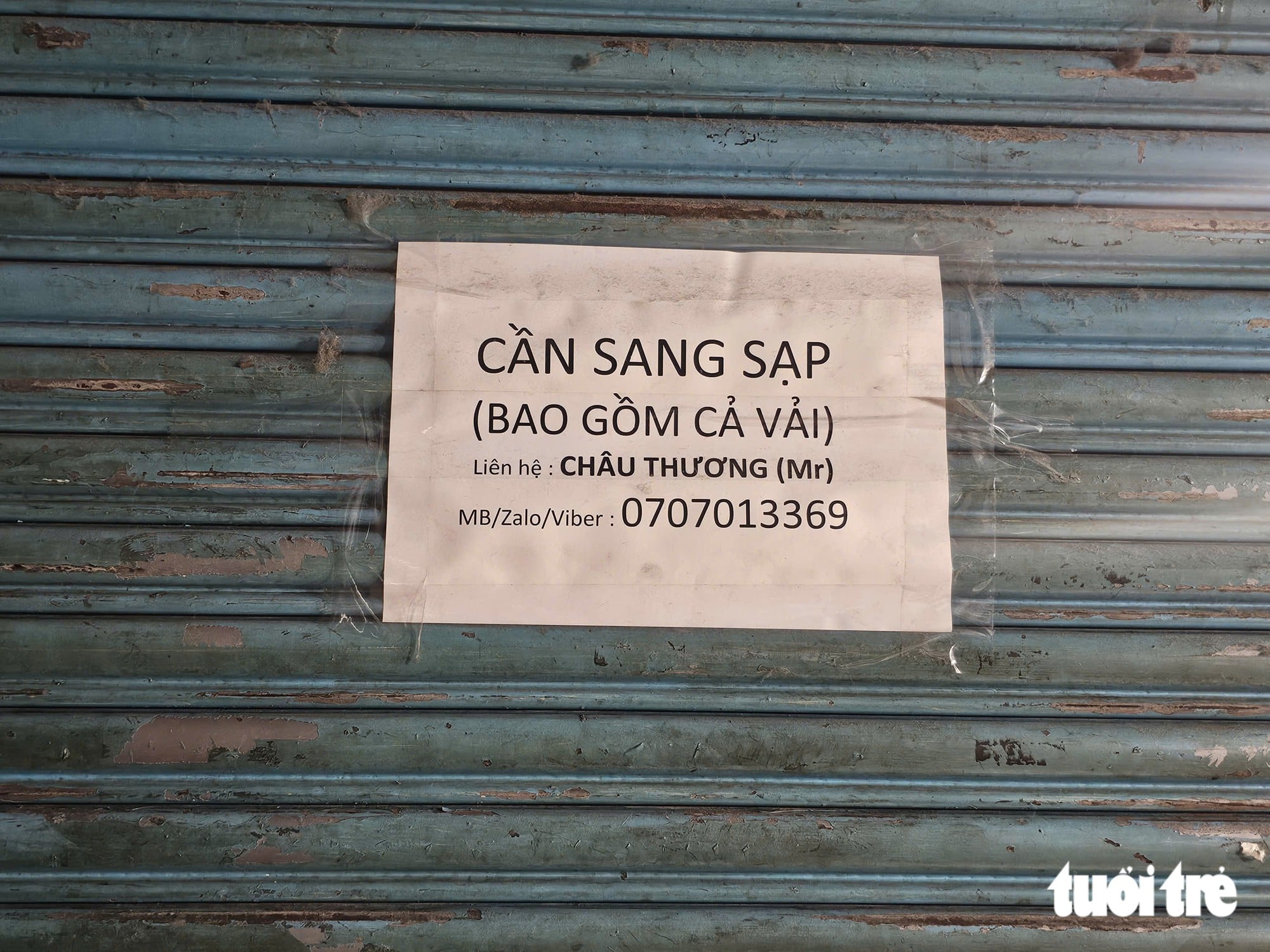
A vendor offers to transfer both the stall and its merchandise. Photo: Nhat Xuan / Tuoi Tre
Another vendor at Ba Chieu Market said she continued to operate because she did not have to pay rent for her stall.
"I just sell whatever I can. I come here for something to do, but sales are really slow now," she said.
"These days, it's normal to open for several days without a customer coming to buy anything,” she added.
“In fact, if I suddenly make a lot of sales one day and earn a few million dong, I immediately start worrying that the next three or four days will be even quieter.”
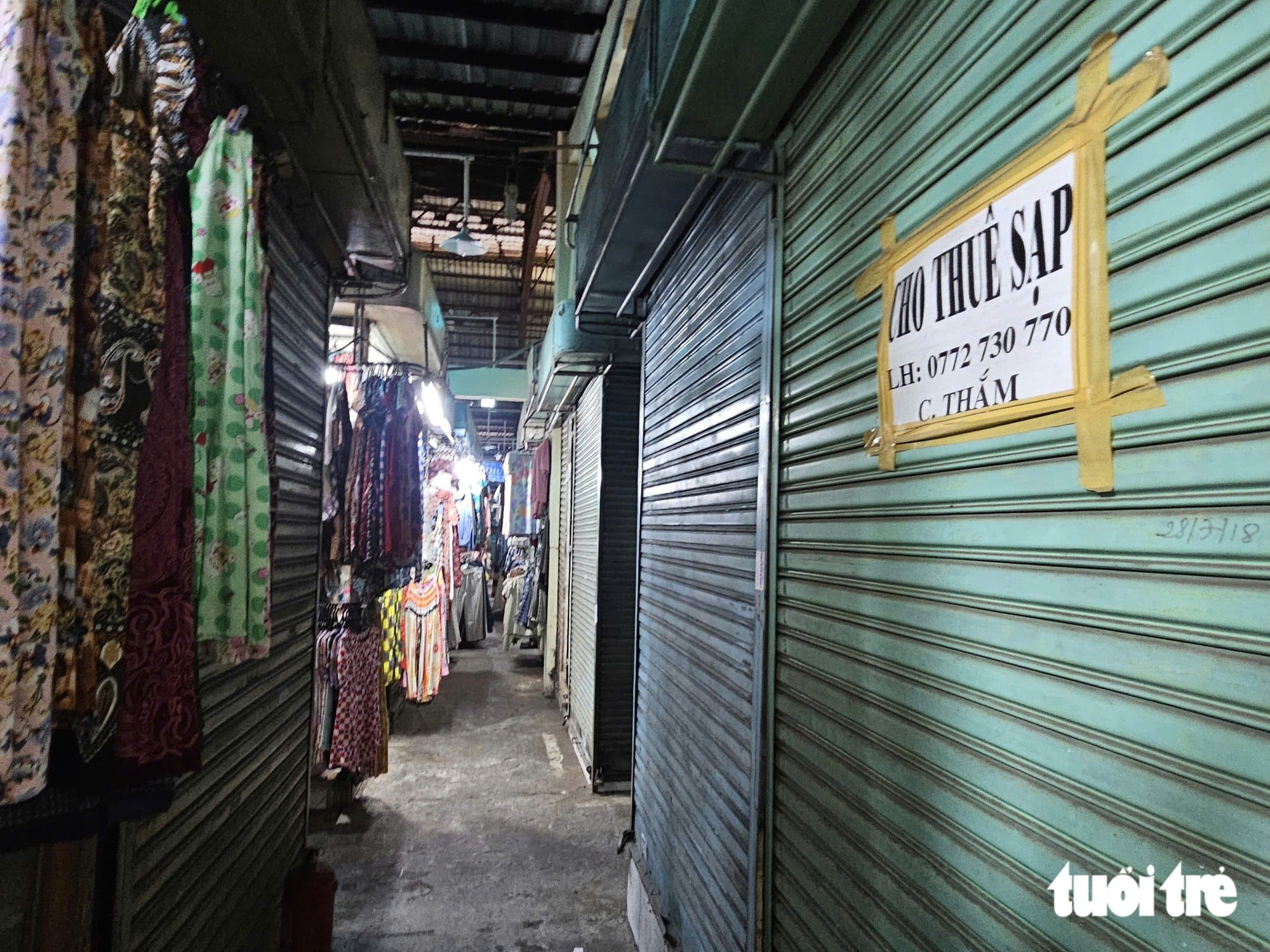
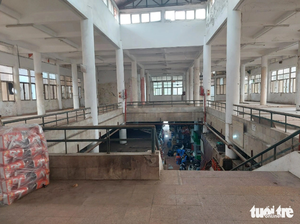
A quiet section at Tran Huu Trang Market. Photo: Nhat Xuan / Tuoi Tre
Meanwhile, H.Y., a fashion vendor at Ben Thanh Market, said the market had organized various programs to support vendors, particularly livestreaming sales, but they had made little difference.
"Sales are very slow. Compared with before the pandemic, I'd say they're only about 20 percent," Y. said.
According to Y., customers mainly stop at stalls along the market's frontage, while stalls deeper inside remain largely empty.
"The economy is difficult, and tourist customers mostly walk around and look at things. They don't buy much, and they bargain more than before," Y. said.



Max: 1500 characters
There are no comments yet. Be the first to comment.