


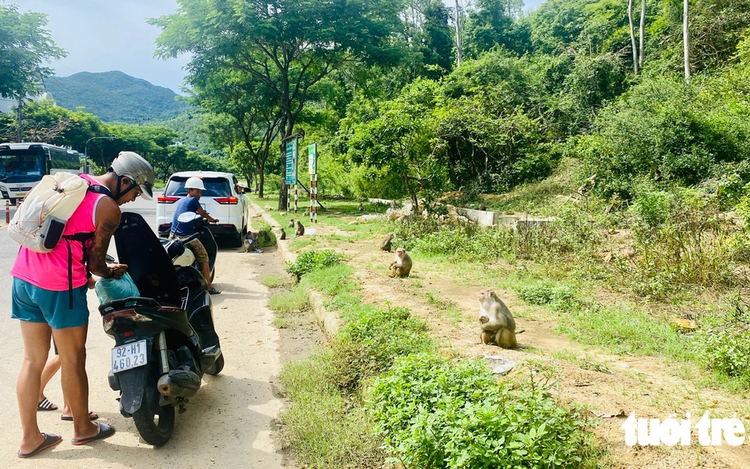
Monkeys sit along Le Van Luong Street on Son Tra Peninsula in Da Nang City waiting for visitors to feed them. Photo: Truong Trung / Tuoi Tre
Wild monkeys appearing along roads on Son Tra Peninsula have become a familiar sight for visitors. Some sit close to the roadside, watching passing motorbikes and cars and approaching people when they spot food.
At the intersection of Le Van Luong and Hoang Sa streets, some monkeys have become particularly accustomed to people. They approach visitors, sit nearby or extend their hands, appearing to ask for food.
The sight has often fascinated foreign tourists, who take out their phones to photograph and film the animals.
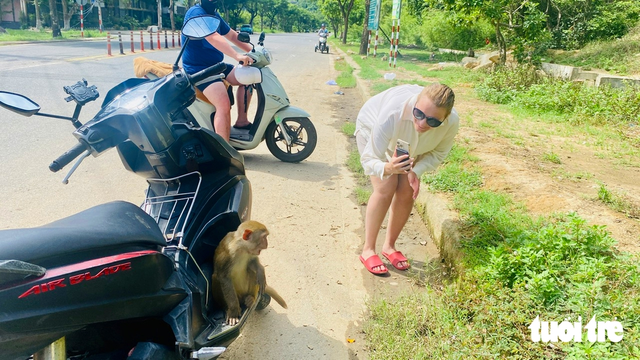
A monkey jumps onto a vehicle to look for more food after visitors have finished feeding other monkeys fruit. Photo: Truong Trung / Tuoi Tre
Alexie, a Russian visitor, said it was his first time seeing monkeys extend their hands as if asking for food. Their behavior reminded him of children asking for treats and initially seemed cute to him.
However, one monkey suddenly jumped onto his vehicle, frightening his child.
“The monkeys here are so accustomed to people that they come right up to us without showing any fear,” he said.
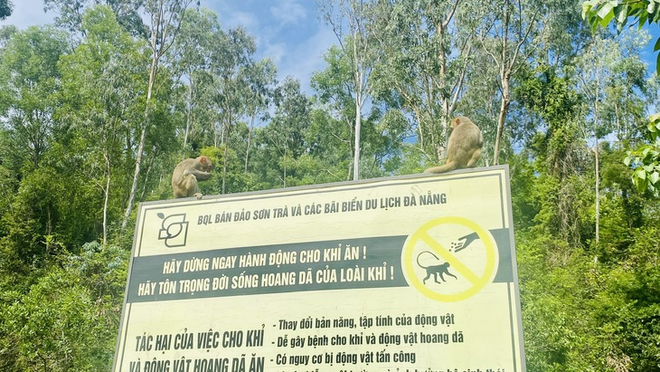
Signs warning visitors not to feed the wild monkeys have been installed in the area, but some tourists continue to give them cakes, fruit, drinks and other food.
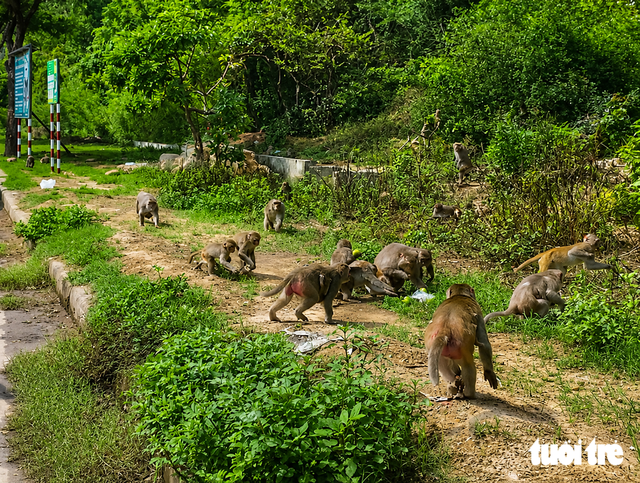
Monkeys rush to grab a bag of food thrown to them by visitors. Photo: Truong Trung / Tuoi Tre
Thanh Truc, a photographer who regularly works on Son Tra, said the monkeys’ habit of approaching visitors for food was the result of years of tourists feeding them.
“This should not be encouraged and has been warned against for years because feeding causes monkeys to gradually lose their natural foraging behavior,” she said.
Human food is also typically high in calories and can affect the animals’ health, she added.
When monkeys become a nuisance
The monkeys can be particularly troublesome around Linh Ung Pagoda on Son Tra Peninsula, where some groups actively approach visitors, snatch food and react aggressively when they are not given food.
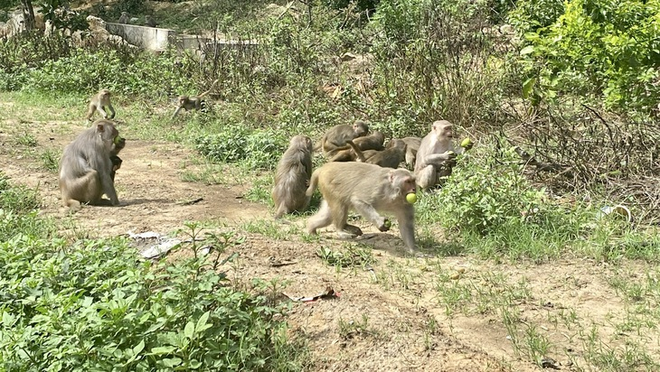
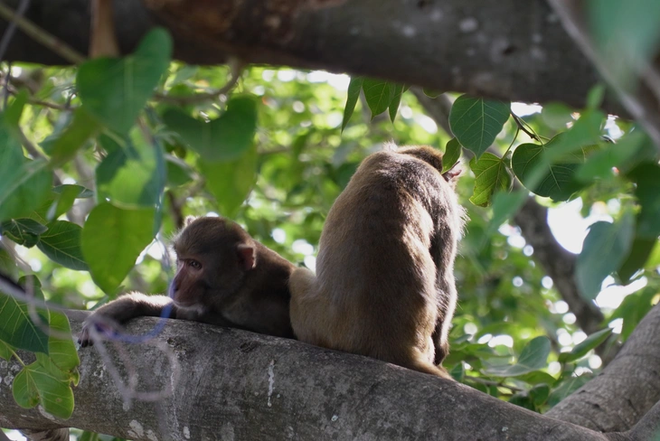
Monkeys gather in one area on Son Tra Peninsula in Da Nang City while waiting for visitors to give them fruit. Photo: Truong Trung / Tuoi Tre
Truong Van Dung, a member of the security team at Linh Ung Pagoda, said monkeys frequently enter the parking area and cause problems for tourists. Some have taken visitors’ handbags, keys and even phones.
“Monkeys often target shiny objects or food hanging from vehicles. When visitors are not paying attention, they grab the items and throw them around.
In some cases, they have even thrown visitors’ clothes down the hillside,” Dung said.
More than 30 monkeys are estimated to live around the parking area, he added.
Parking attendants regularly advise visitors to keep food and clothing inside their vehicles to prevent the animals from taking them.
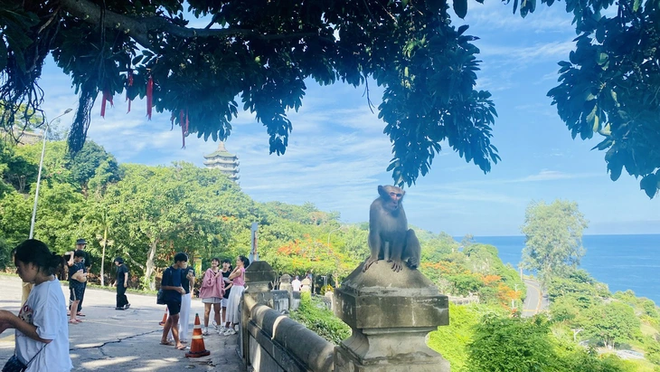
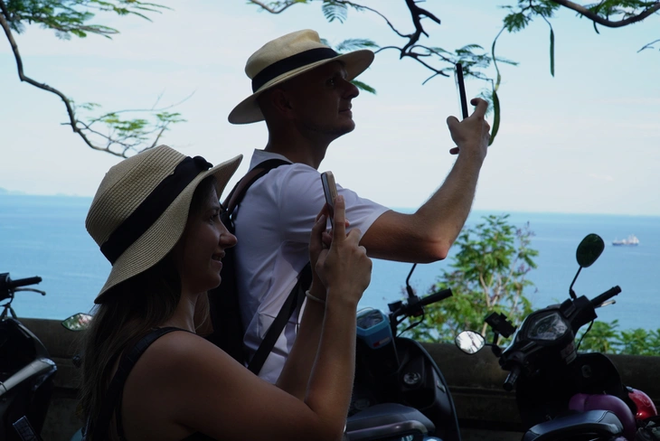
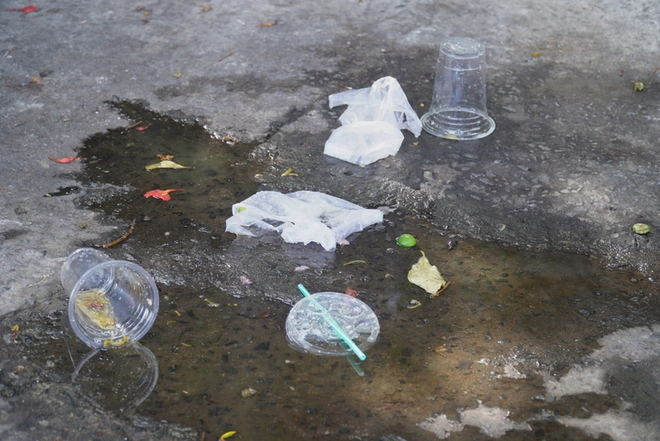
A monkey near the parking area at the Linh Ung Pagoda on Son Tra Peninsula in Da Nang City stands close to visitors for photos but grabs belongings hanging from a motorbike when it is not fed. Photo: Truong Trung / Tuoi Tre
The GreenViet Biodiversity Conservation Center said wildlife conservation organizations and local authorities have warned for years about the consequences of feeding monkeys, but the problem has persisted.
The center said the most serious consequence is the loss of natural behavior, particularly the monkeys’ ability and willingness to forage for food themselves. Once they become accustomed to receiving food from people, they can instead develop a habit of waiting for visitors to feed them.
The behavioral change can also be passed on to younger generations, according to the center.
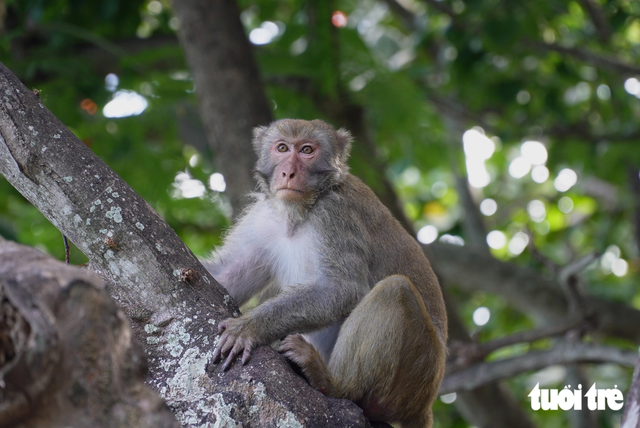
Monkeys on Son Tra Peninsula in Da Nang City have changed their natural behavior after being fed by visitors. Photo: Truong Trung / Tuoi Tre
While visitors may feed wild animals out of affection or curiosity, such behavior can have serious and long-term consequences for both wildlife and people, GreenViet said.
Monkeys may initially appear entertaining when they take food from tourists. But when their expectations are not met, they can become aggressive, attacking, scratching or snatching belongings from visitors.








Max: 1500 characters
There are no comments yet. Be the first to comment.