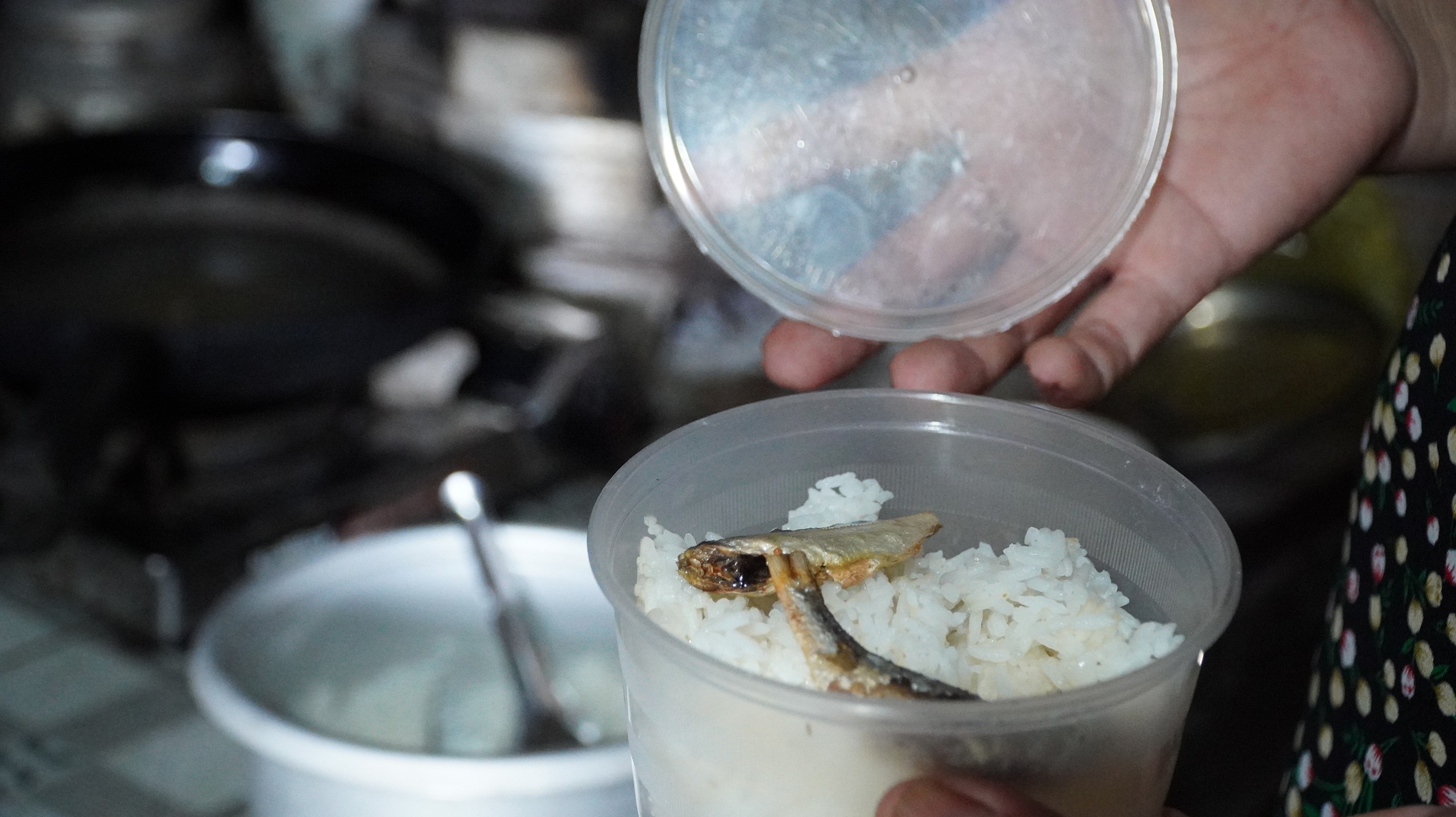
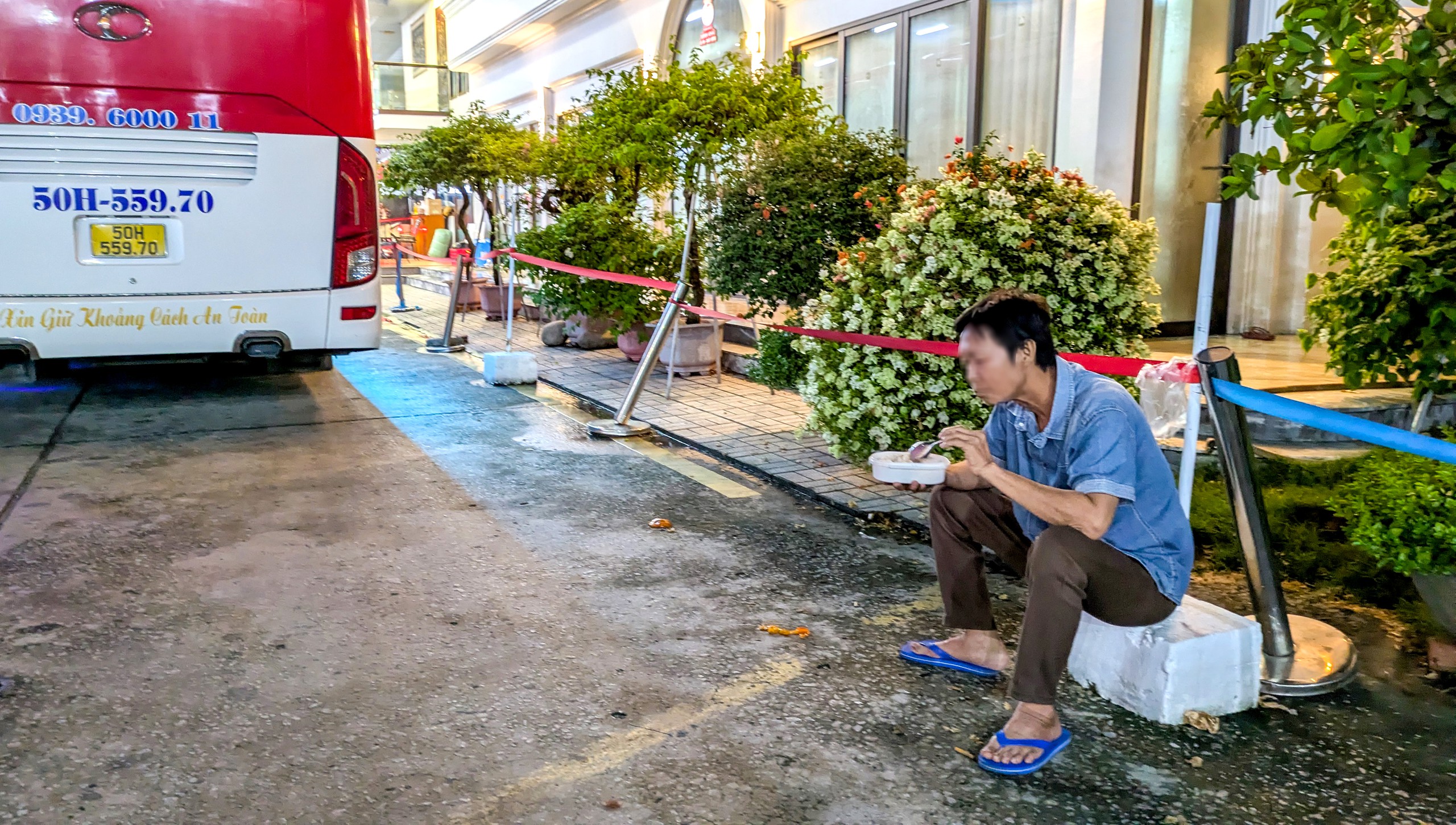
Nguyen Thi Bong packs her only provisions for the trip to Ho Chi Minh City for medical treatment: a cooked meal consisting of just two pieces of dried fish. Photos: Thanh Huyen / Tuoi Tre
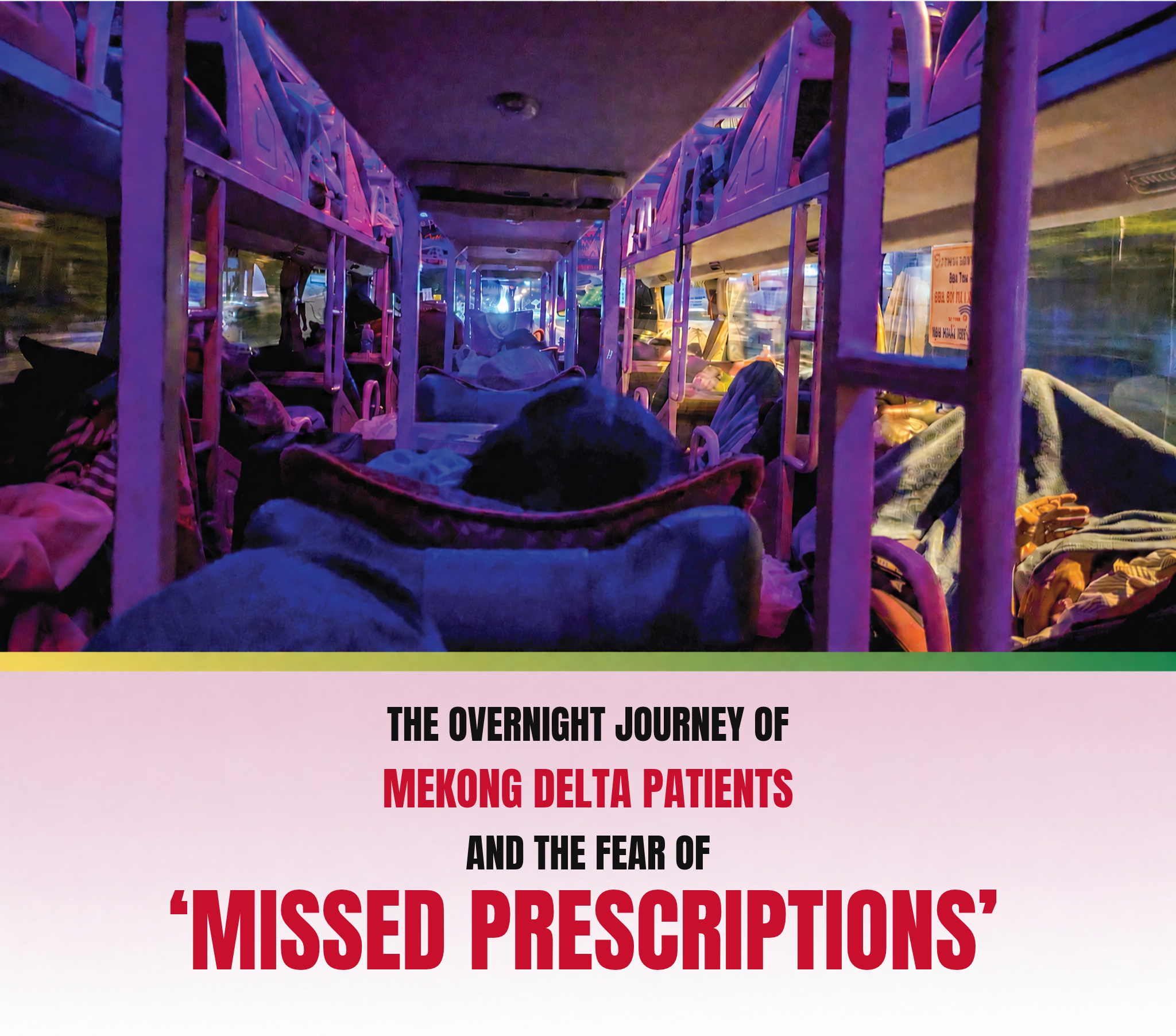
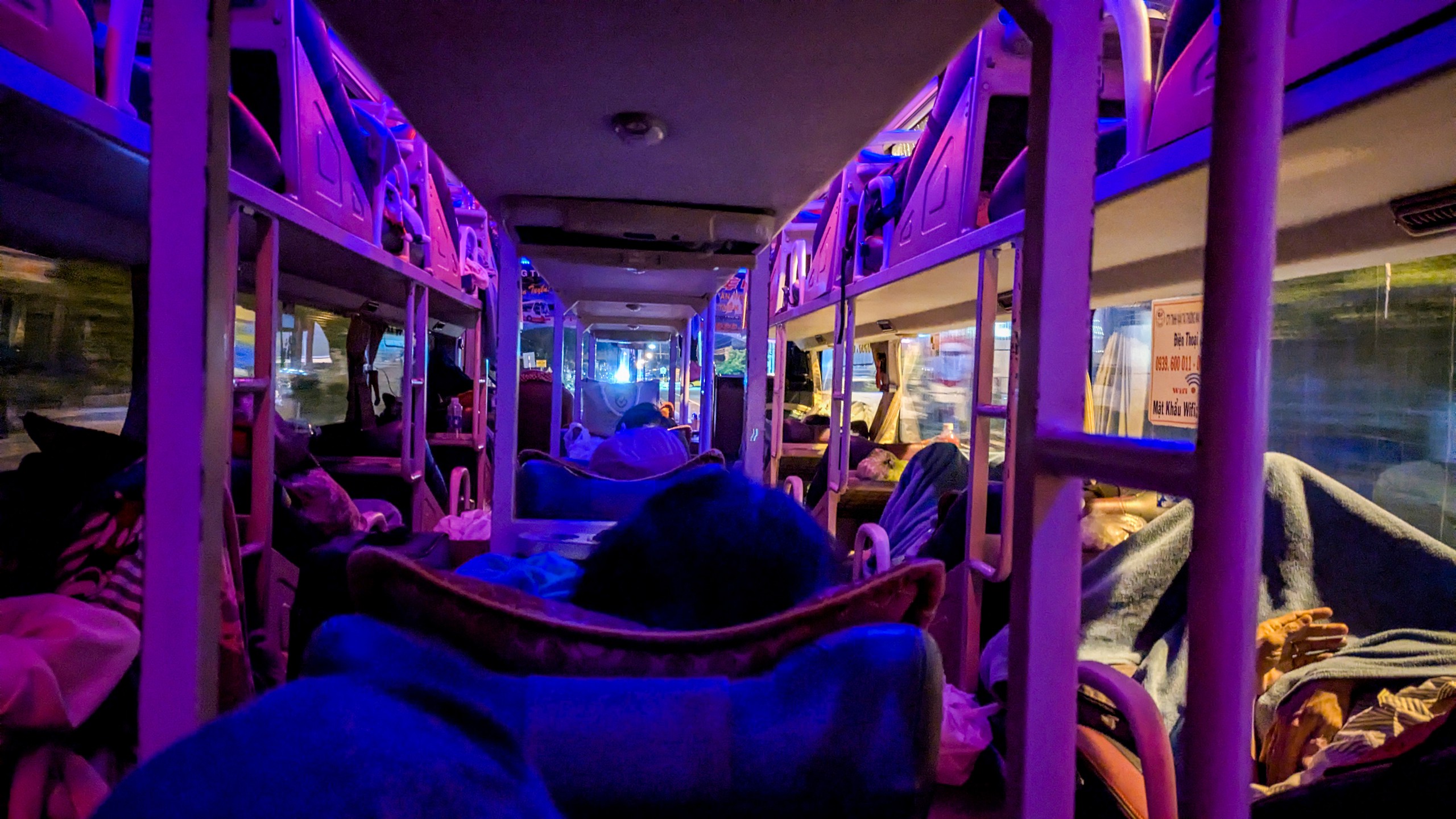
At Ca Mau Coach Station, exactly at 8:00 pm, the 34-berth sleeper bus bearing license plate 50H-559.70 of Giap Diep Co. pulled out of the terminal. Inside, more than 20 berths were completely filled with patients and their family members.
The arduous journey of over 350 kilometers from Ca Mau to Ho Chi Minh City dragged on for nearly eight hours.
Nguyen Thi My Diep, director of Giap Diep Co., shared that while the regular fare for a full trip is VND250,000 (roughly US$9), the company reduces it to VND200,000 for patients traveling for medical care.
On the 1st and 15th days of each lunar month, traditionally designated for performing good deeds in Vietnamese culture, the firm slashes ticket prices by an additional 50 percent.
At 3:36 am, the sleeper bus carrying patients and their relatives pulled up at the gates of Oncology Hospital Facility 2 in Thu Duc Ward of Ho Chi Minh City.
More than half of the passengers heavily shouldered their belongings and stepped out in a hurry.
Among them, Tran Phuoc Duc, a 53-year-old lung cancer patient preparing for his ninth round of treatment, trudged silently amid the crowd.
Duc divorced his wife over 20 years ago and raised his two sons alone through hard labor. His sons are workers in the former Binh Duong Province, now part of Ho Chi Minh City, with unstable incomes. Back in his hometown, a commune in Ca Mau, Duc relies on a one-hectare shrimp farm that has suffered consecutive crop failures over the past few years.
Following his lung cancer diagnosis after the Tet holiday earlier this year, he exhausted his entire life savings of VND200 million ($7,838) to travel to Ho Chi Minh City for treatment.
Returning to the oncology hospital for this latest round, with his pockets completely empty, he clutched ticket number 53, issued by his doctor during the previous visit, and went straight to the phlebotomy room for blood tests before heading up to the surgical ward.
There, he laid down a tattered woven mat in the hospital hallway to wait out the night, not daring to spend VND150,000 ($6) to rent a budget room.
Beyond the long-haul routes from the country's southernmost tip, patient streams from across the Mekong Delta face equally exhausting journeys.
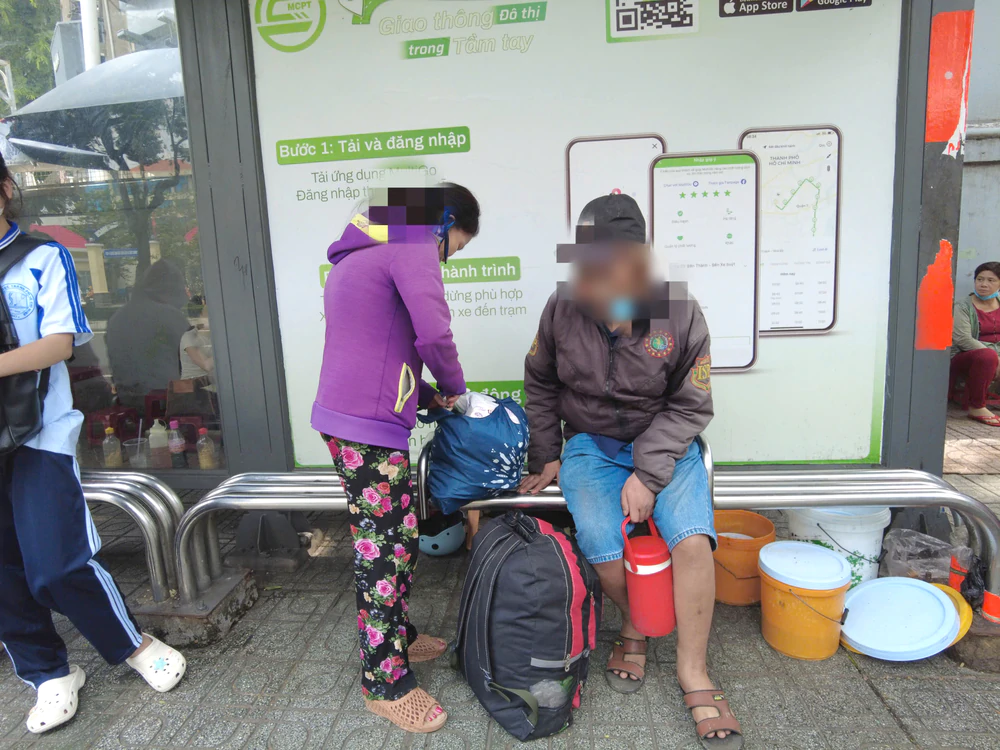
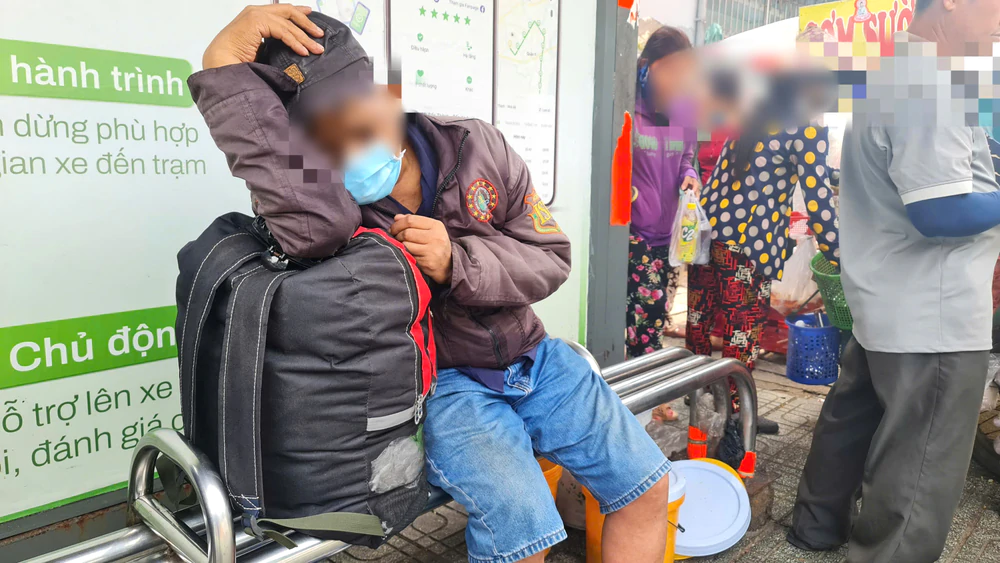
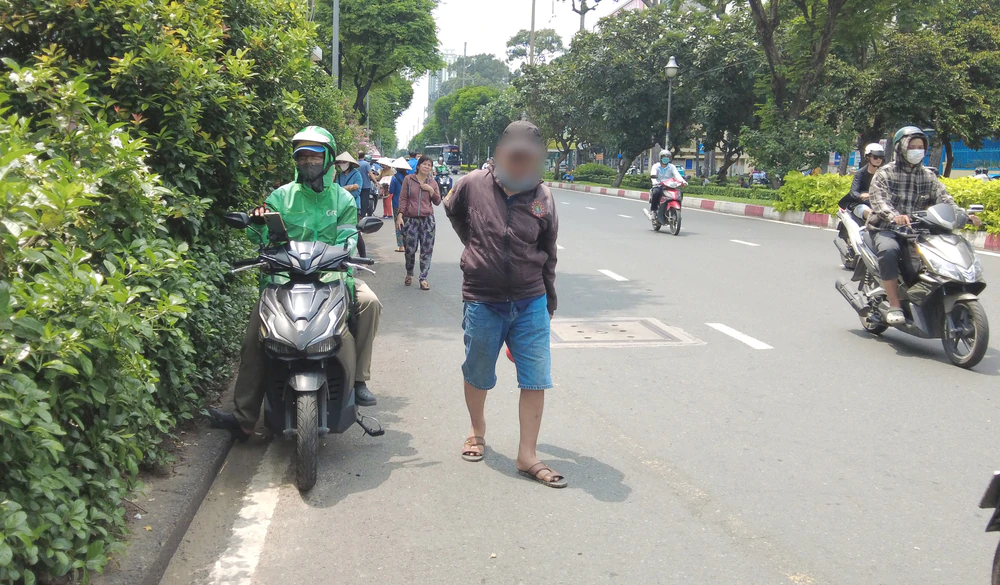
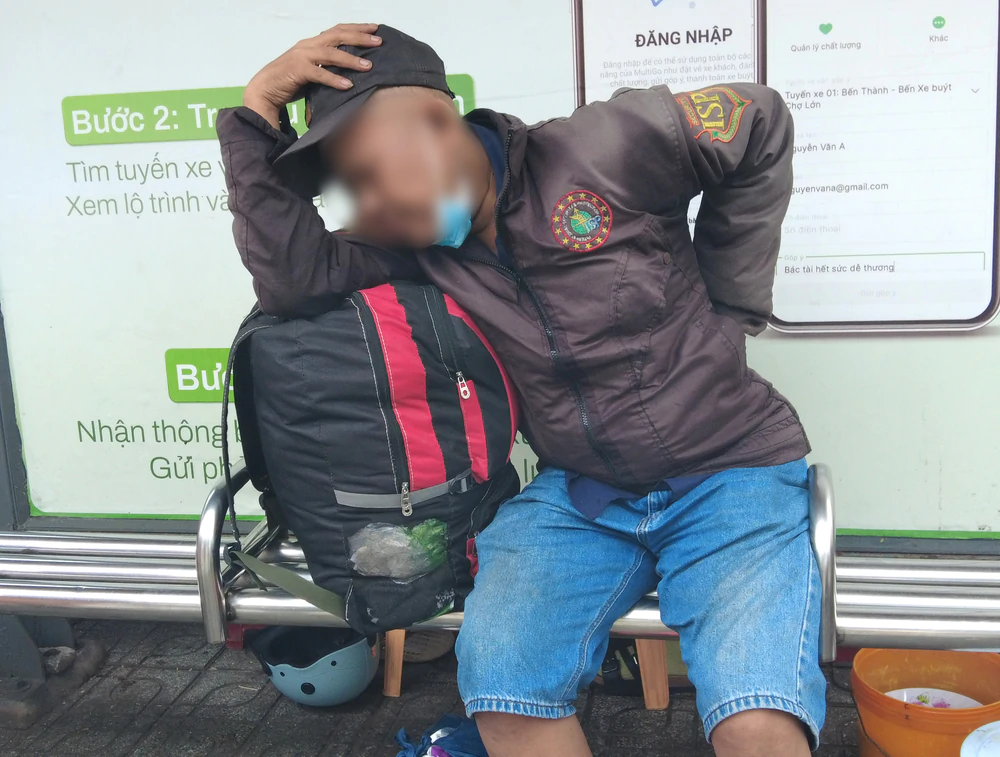
On a mid-October morning, a Tuoi Tre reporter present at a bus shelter in downtown Ho Chi Minh City witnessed Nguyen Minh Long, 37, resting his face against his clothing bag, gasping for breath with every wave of exhaustion.
Suffering from stage 4 maxillary sinus cancer with lung metastasis, Long's body was wasted to skin and bones.
Having just endured a nearly two-hour coach ride from his hometown in Dong Thap to the station, he still faced a bus journey of over an hour before reaching Oncology Hospital Facility 2.
Throughout most of the transit, Nguyen Minh Long kept his head bowed due to pain and fatigue. Photos: Mau Truong / Tuoi Tre
Sitting closely beside her husband, 47-year-old Le Thi Hien recounted that even though the appointment for his ninth chemotherapy cycle was still two days away, the couple had to pack and head to the city early thanks to a constant, looming fear known as 'missed prescriptions.'
"Before administering chemotherapy, doctors examine health and run blood tests thoroughly," she elaborated.
"If the body is exhausted, red and white blood cells plummet, or liver and kidney functions are unstable, the treatment is canceled immediately and postponed to the next cycle.
"We would rather endure arriving a day or two early and spend a few hundred thousand dong on lodging for him to rest and recover his strength, than risk having the prescription dropped and wasting millions to return empty-handed."
The coach ticket from the couple's hometown of Cho Gao to Ho Chi Minh City costs VND100,000 ($4), but the bus operator kindly has a 50-percent discount policy for patients.
Yet every single dong saved is a drop in the ocean compared to the expenses they have already shouldered and will continue to face on the life-or-death journey ahead.
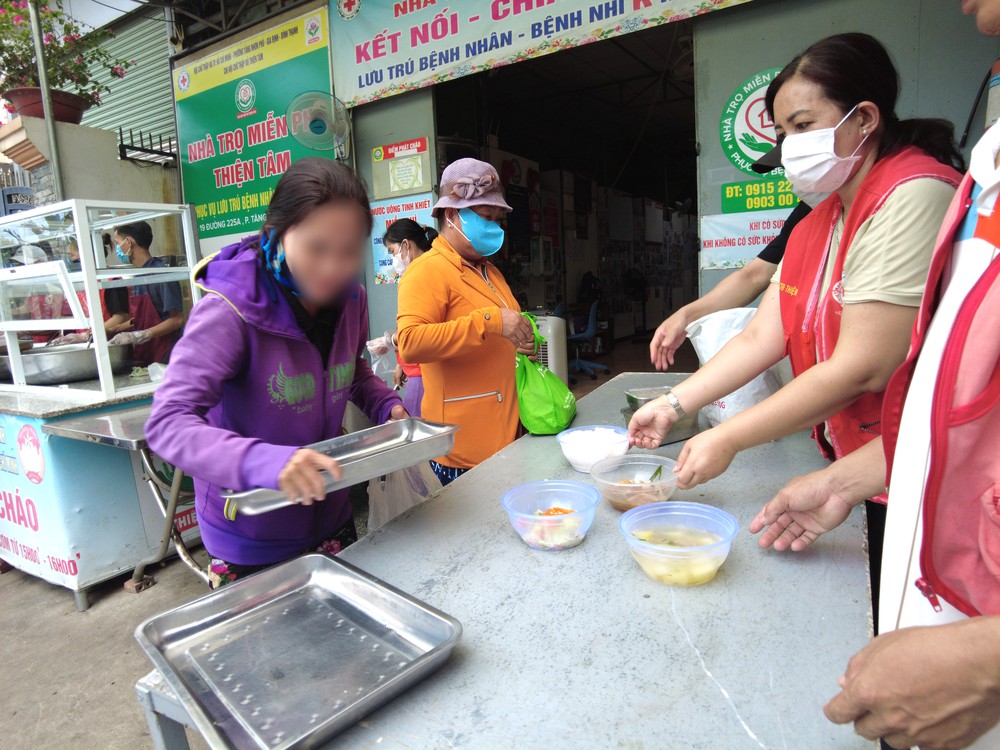
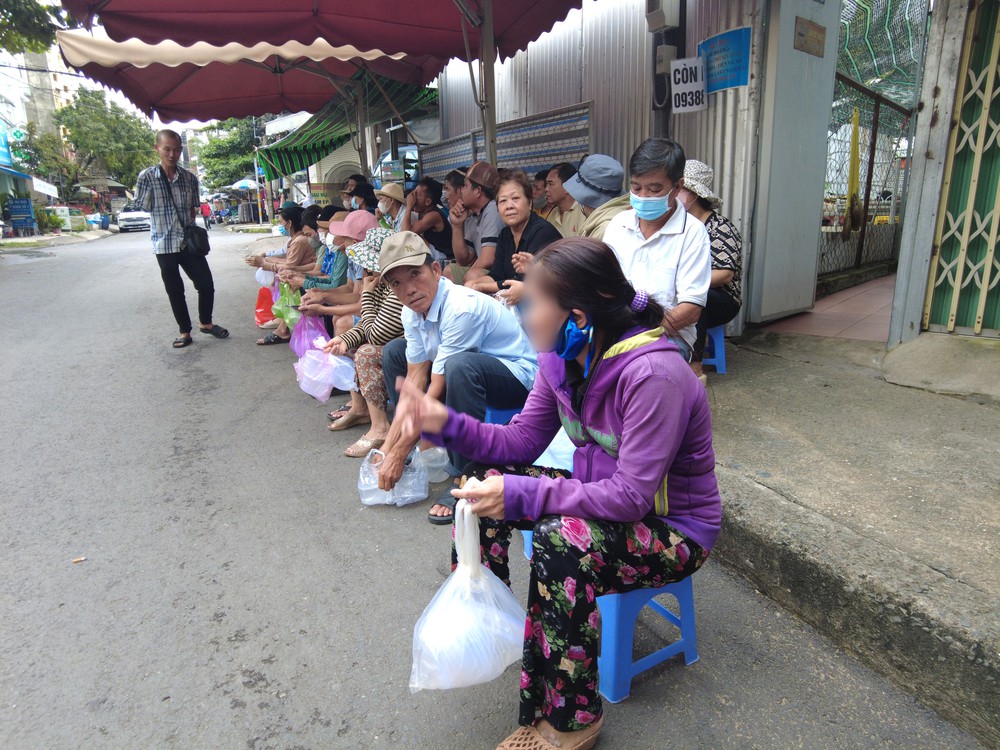
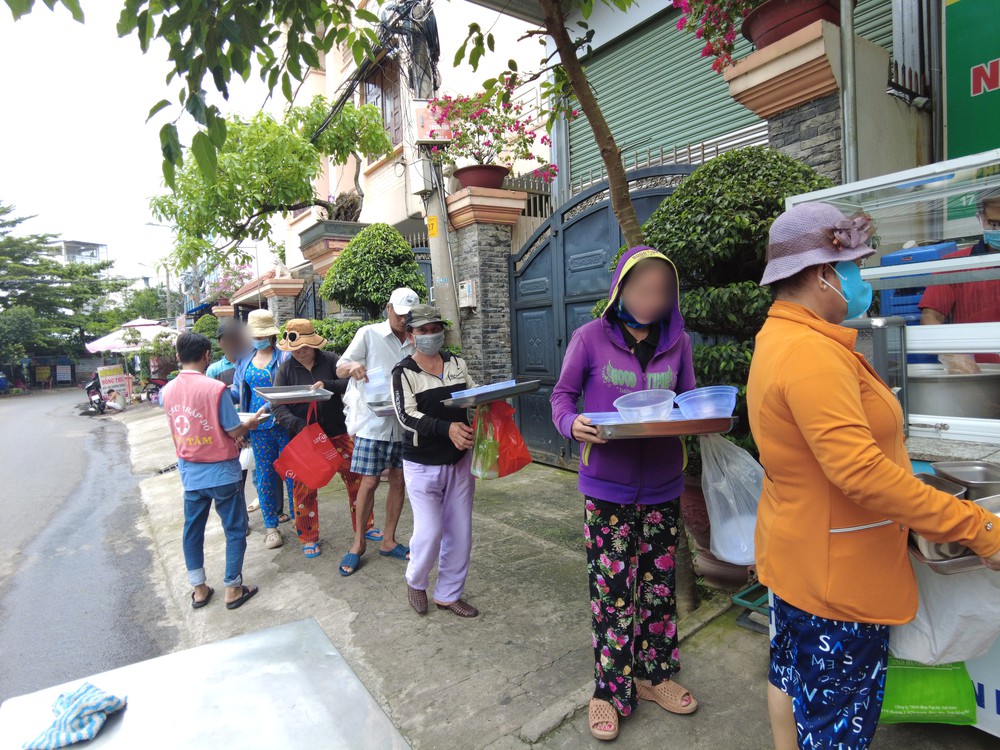
Escorting her husband to his room at a boarding house within the 'mini cancer village' on a street in Thu Duc, Hien immediately grabbed several plastic containers and walked down the alleyway to search for charity meal distribution points.
Thanks to the kindness of charitable organizations, Le Thi Hien and her husband have eased some of their burdens through free motorcycle taxi rides, bowls of porridge, and complimentary meals. Photos: Mau Truong / Tuoi Tre
Early the next morning, the real battle began inside the grounds of Oncology Hospital Facility 2.
Thousands of people crowded from the reception lobby down to the specialized corridors.
When their turn came, Long and Hien stepped into the doctor's office. Reviewing the examination results, the physician delivered some positive news: the tumor was responding well to the medication, and changing the treatment regimen was not yet necessary.
However, the doctor also explained that there was currently a much superior targeted biological drug available with fewer side effects, though the cost reached approximately VND20 million ($784) per treatment cycle.
Hearing the figure of VND20 million, Long looked at his wife. Hien could only remain silent, quickly turning her face away to avoid her husband's pleading gaze. In the end, the couple had no choice but to sigh and sign the papers to continue with the standard chemotherapy regimen.
After waiting listlessly for another six hours, at 3:00 pm, holding a result sheet marked 'Eligible,' Hien felt as though a massive weight had been lifted because it meant her husband could receive his medication. Their trip had not been in vain; they had avoided 'missed prescriptions.' The following day, Long would receive his infusion.
Another patient, Tran Trung Tinh, from Ca Mau, has a similar story.
Suffering from metastasized stage 4 colorectal cancer, the electrical industry employee had undergone 43 rounds of chemotherapy in Ho Chi Minh City over three grueling years. His illness forced him to undergo surgery to remove a portion of his bowel and wear an ostomy bag on his side.
"Over the past three years, even with an 80-percent health insurance coverage, out-of-pocket expenses alongside travel and living costs have devoured more than VND400 million [$15,677] of my savings. Each round trip for the two of us costs at least VND1.6 million [$63] for coach fares and meals, excluding specialized drugs," he said.
"We are devastated! Back home, there is no land or garden left to sell; there is only the plot where our house stands. If that is sold too, what will happen to my wife and children...," Tinh looked up at the trees in the hospital courtyard, leaving his sentence unfinished.
Over half of the passengers on the coach from Ca Mau to Ho Chi Minh City were patients and family members traveling for medical care. Photo: Thanh Huyen / Tuoi Tre
Tran Phuoc Duc had to bring his own cooked food to cut down on expenses. Photo: Thanh Huyen / Tuoi Tre
To gain a deeper understanding of the lives of people traveling from the Mekong Delta to Ho Chi Minh City for medical treatment, Tuoi Tre reporters visited some of them in their hometowns.
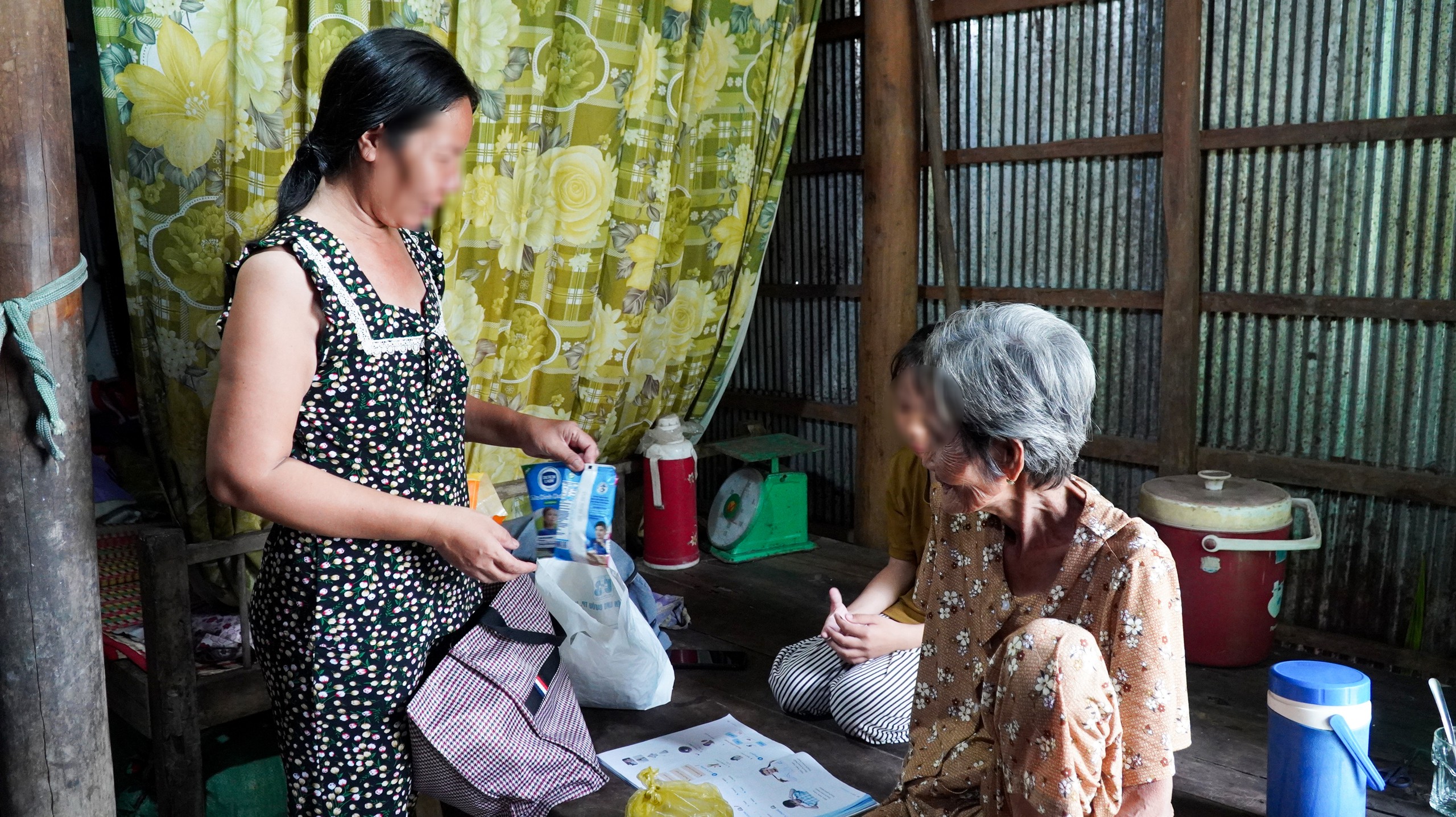
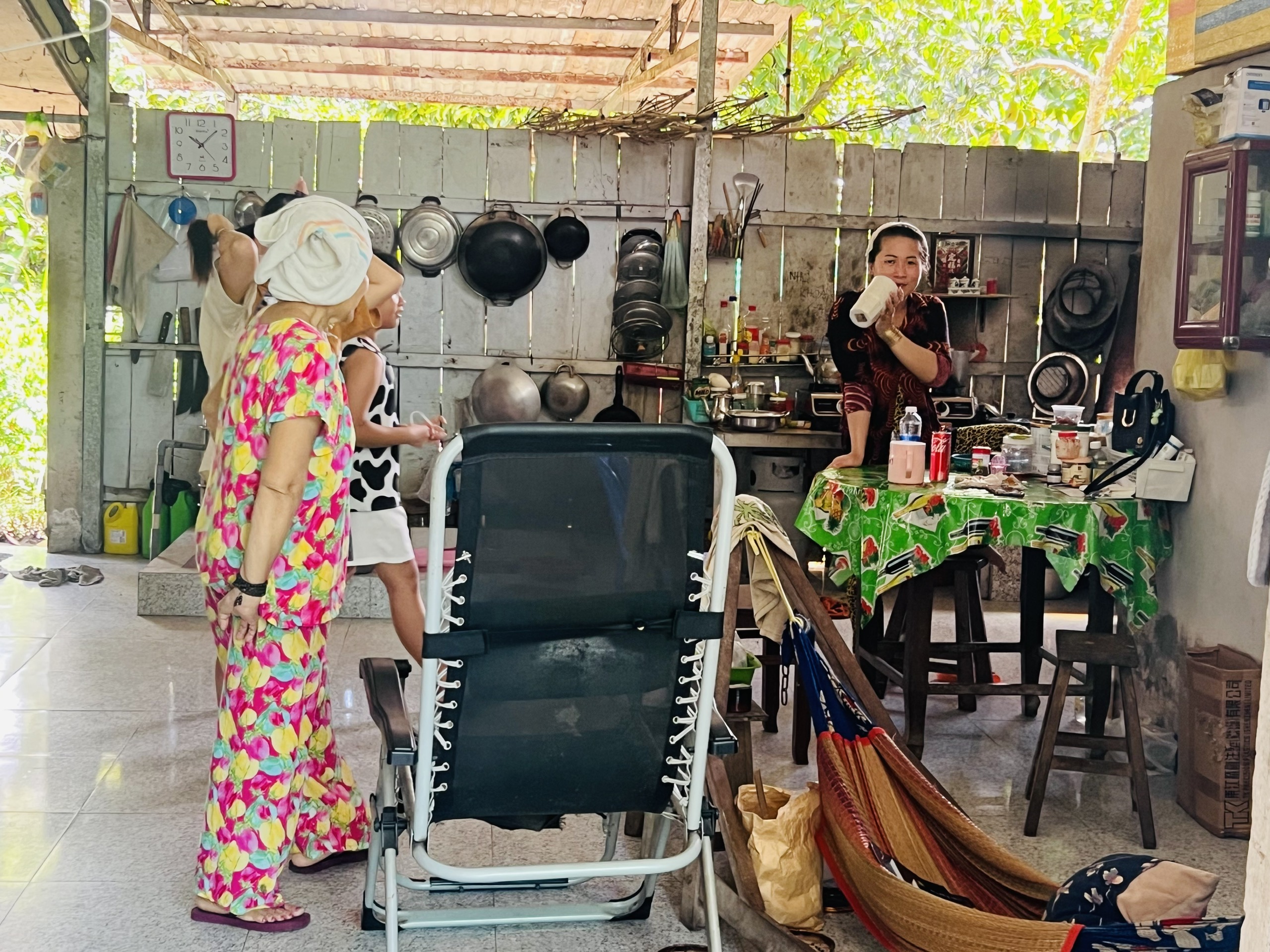
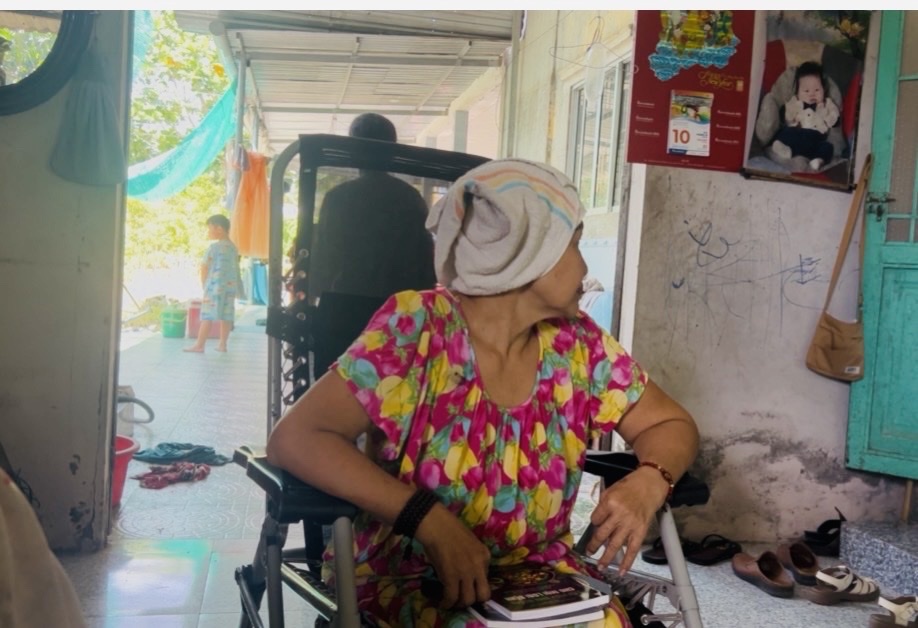
Amid the rare midday sunlight breaking through persistent October rainstorms, your correspondents followed the concrete canal-side path in a hamlet in Ca Mau to reach the makeshift shelter of Nguyen Thi Bong, a 48-year-old single mother, and her daughter.
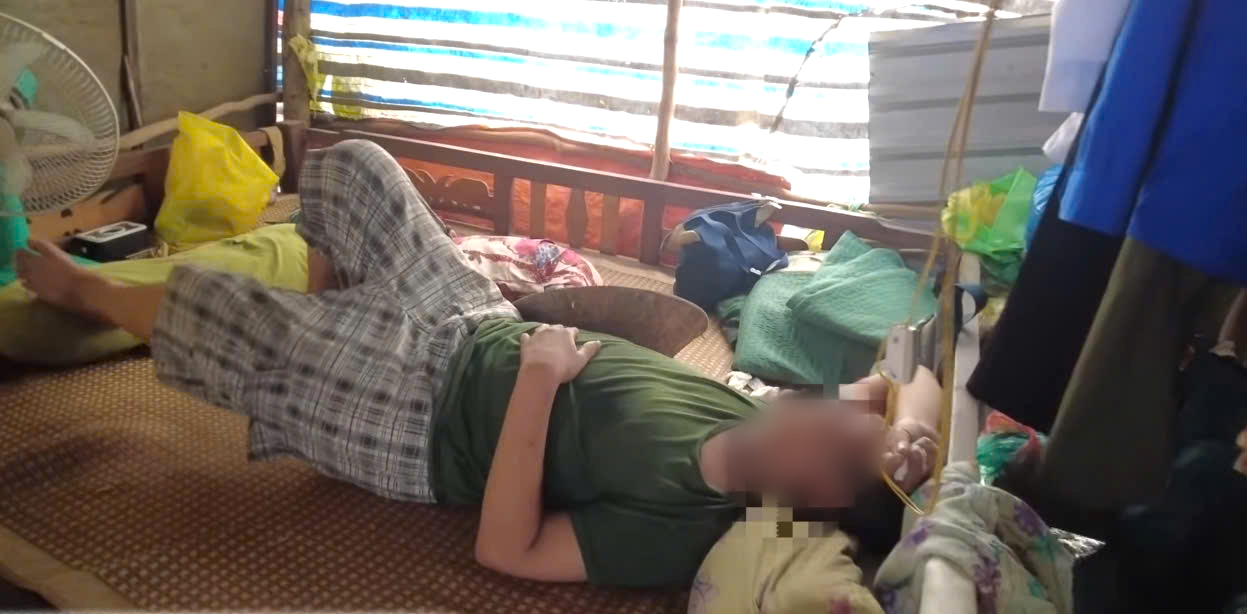
This precarious shack measures less than 12 square meters, erected on a plot of land belonging to her younger sibling. Inside that damp, gloomy space, there was only enough room for two rickety wooden beds. One served as a sleeping area for the mother and daughter, while the other doubled as a reception space and dining table.
Every day Bong helps processing fish at a local port, earning about VND100,000 in wages to frugally raise her daughter, who entered the third grade this year.
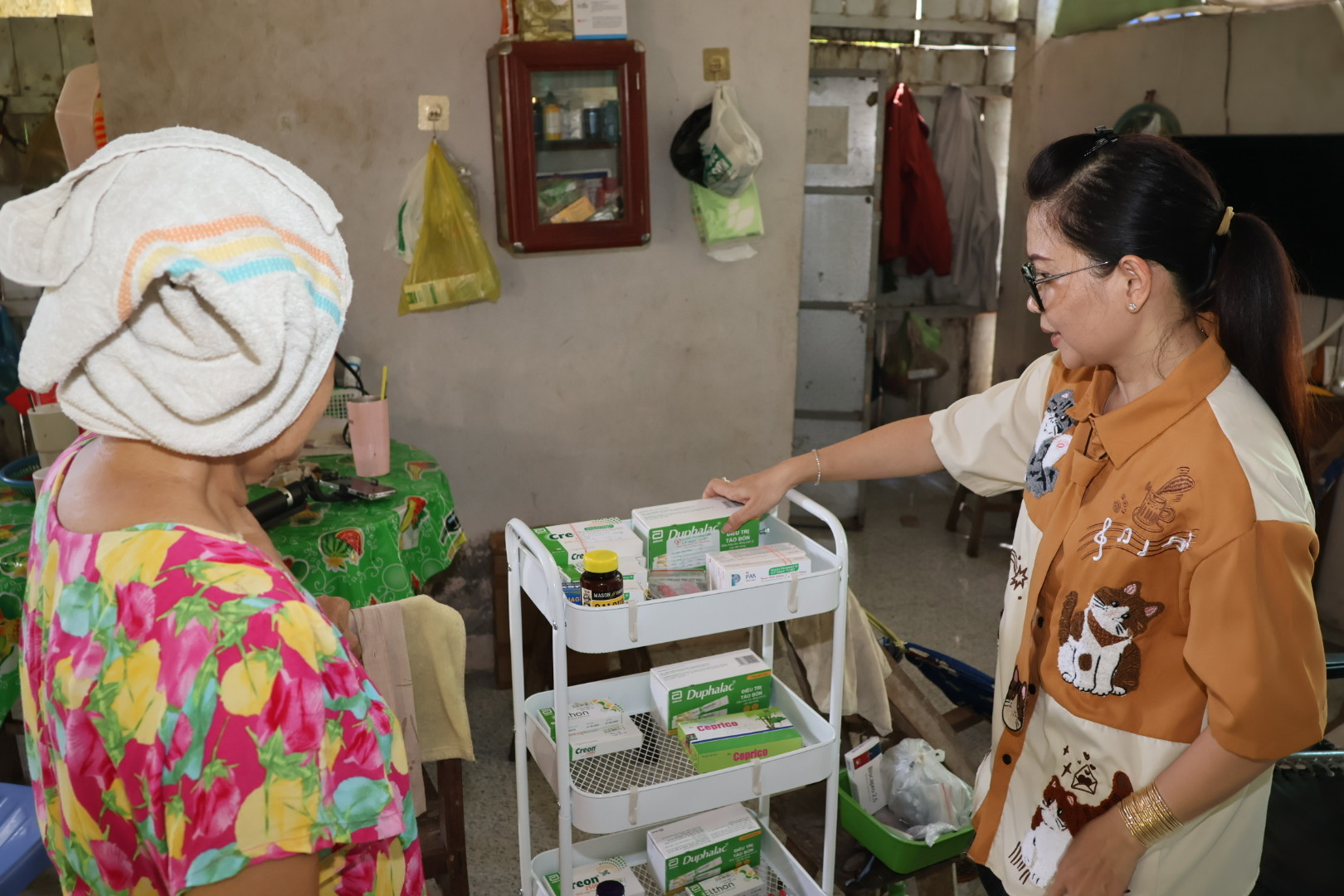
Bong has recently been diagnosed with breast cancer. Although partly supported by regular health insurance, expenses for two tumor removal surgeries and three months of continuous chemotherapy treatments in Ho Chi Minh City have swallowed over VND40 million ($1,568).
She managed to cover VND5 million ($196) of that sum through the generosity of sympathetic relatives and neighbors, while the rest forced her to grit her teeth and knock on doors to borrow money from every direction.
"People out of pity lend it to me interest-free, but looking at this makeshift house, I lie awake many nights thinking: the illness remains, the debts remain, and I have no idea what to do to pay them back," Bong choked out.
More cruelly, recent examination results indicate that Bong has developed additional tumors in her uterus and a kidney cyst. Doctors have ordered prompt surgery, but the single mother has resigned herself to fate simply because she is poor.
Leaving Ca Mau, your correspondents traveled to Dong Thap to revisit the family of Nguyen Minh Long and Le Thi Hien.
Following a canal bank shaded by Siamese coconut palms, their lonely house came into view.
A temporary dwelling constructed from a few cajeput poles and patched tarps belonging to Long's family. Photo: Mau Truong / Tuoi Tre
It was a temporary shanty constructed from slender cajeput trunks, with roofs and walls cobbled together from patched nylon tarps, standing on an uneven, muddy earthen floor whenever it rained.
Hien recounted that this five-meter-wide plot of land was carved out by her mother when the two began living together. She had previously been through a broken marriage and had three children of her own. Long, at the time a hardworking young man, was touched by the hard-working woman's devotion and vowed to commit to her for life, even though they never held a wedding or obtained a marriage certificate.
The couple encouraged each other to work: she woke up early and stayed up late cooking sticky rice and making pastries to sell at the market, while Long took a job as an industrial park security guard. Saving every penny, they had accumulated some bricks and sand, planning to begin construction on a small brick house next year to shelter from the rain and sun.
Yet in late 2025, Long was continuously plagued by severe toothaches. He visited a clinic in the Mekong Delta, where a dentist ordered tooth extractions. Even after the fourth tooth was pulled, the pain still pierced straight to his skull, and his jaw swelled and deformed dramatically.
When they went to a higher-level hospital in Ho Chi Minh City for intensive examination, the couple received a devastating sentence: Long had stage 4 maxillary sinus cancer, and malignant cells had metastasized to his lungs. All plans for the future and for a proper home collapsed.
Their entire savings of nearly VND100 million ($3,919) vanished one by one on prescriptions, radiation, and chemotherapy sessions. With no money left to build a house, Long cut down cajeput trees around the garden, and Hien went out to collect old tarps to cobble together a temporary hut for shelter.
Beyond driving poor households into destitution, severe illnesses also act as a financial 'nightmare' for families with relatively stable economic standing in the Mekong Delta.
The family of D.T.V.K., a 43-year-old resident of Can Tho City, serves as a poignant example. Her father is a retired state official, while her mother, L., stays home tending the garden.
The senior couple owned a thriving orchard with over 200 ancient mangosteen trees and dozens of heavy-laden rambutan trees. This used to be an enviable source of income in the riverine orchards of Can Tho.
However, starting in September 2025, when L. was diagnosed with a malignant tumor at the lower end of her bile duct and began a prolonged course of treatment at Cho Ray Hospital in Ho Chi Minh City, the family's entire life savings began to evaporate.
Although health insurance helped cover two specialized medication vials, the family still had to pay out of pocket for one vial costing up to VND44-45 million ($1,724-1,764) per treatment cycle. Travel and medical expenses alone cost the family nearly VND60 million ($2,351) each month.
K. shared that fortunately her parents had accumulated wealth from the past, but the family was forced to bite the bullet and sell ancestral farmland, withdraw all retirement savings accounts, and sell off gold saved from their youth to exchange for single doses of medicine to protect her mother's life.
L. shared that after each chemotherapy cycle she experiences vomiting and a loss of appetite. Photos: Ca Linh / Tuoi Tre
That picture of destitution repeats across every corner of the delta countryside.
Tran Phuoc Duc in Ca Mau, after exhausting the VND200 million accumulated from past successful shrimp harvests, is considering having to sell his final piece of land to fund his 10th treatment cycle.
Meanwhile, after three years of spending over VND400 million despite health insurance covering 80 percent, Tran Trung Tinh is now completely 'bankrupt' and has been forced to request a transfer back to his locality for treatment because he can no longer borrow a single dong to stay afloat in Ho Chi Minh City.
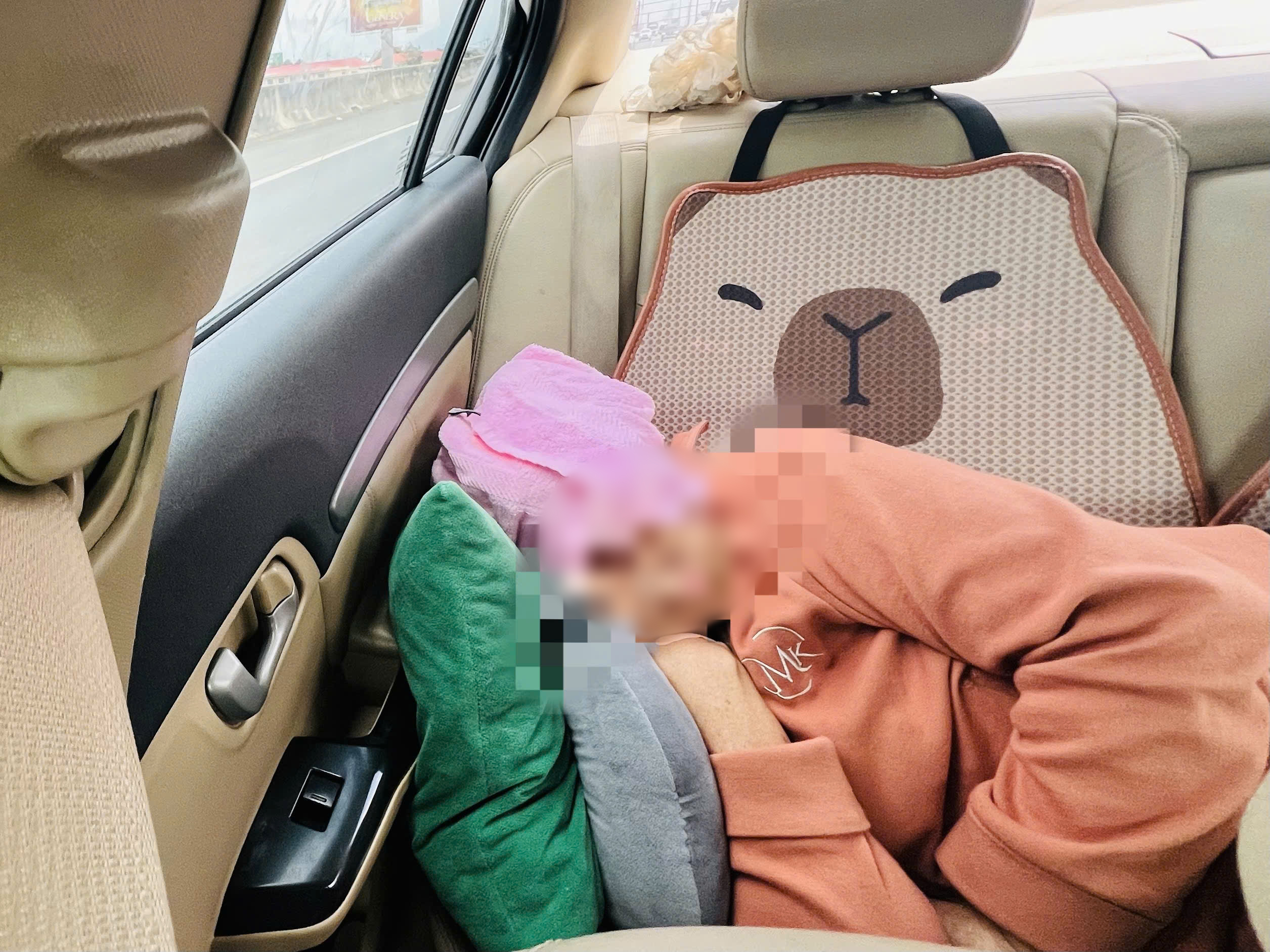
L. lies exhausted in the backseat after her second treatment session could not proceed due to a lack of medication. Photo: Ca Linh / Tuoi Tre
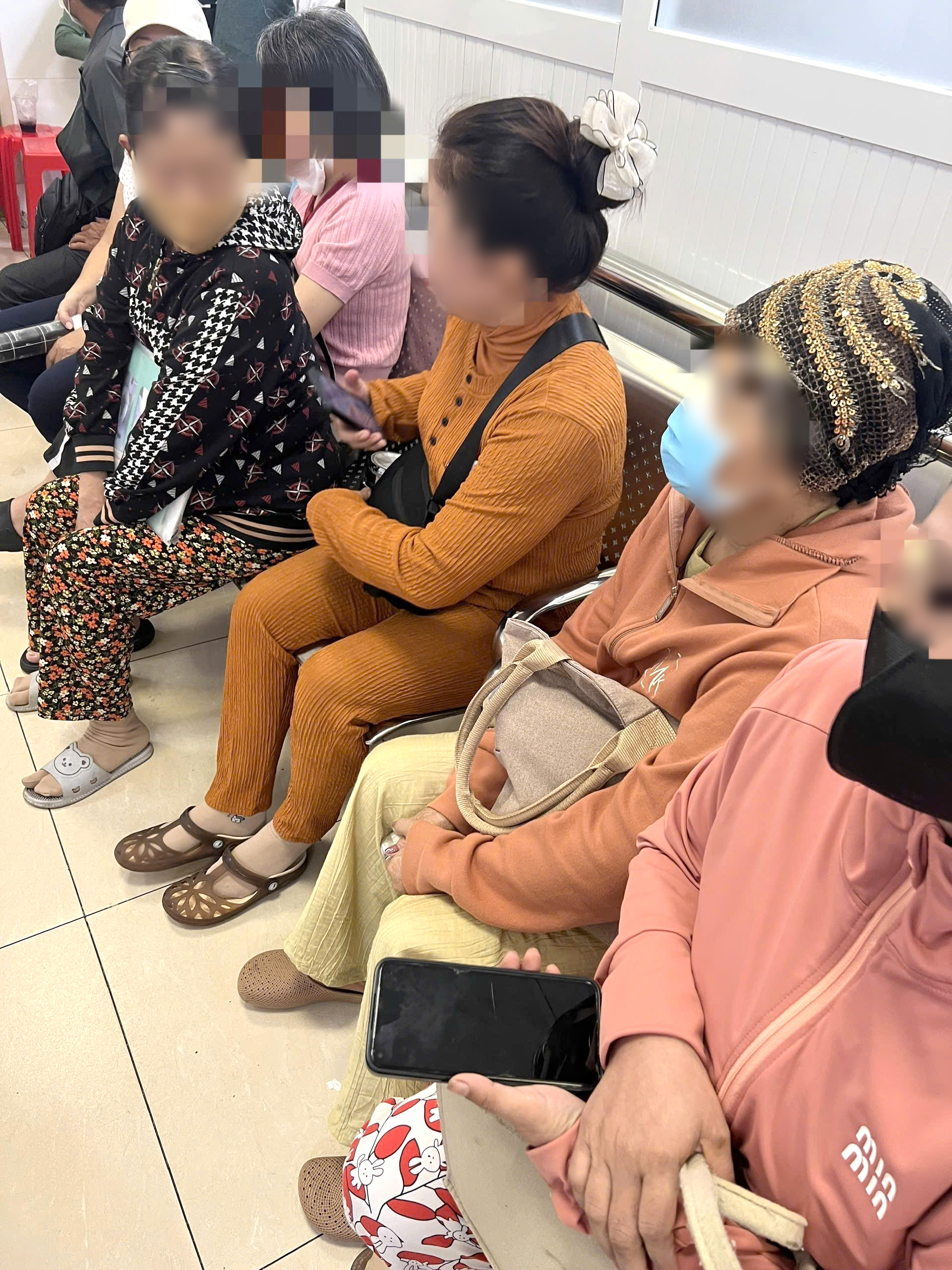
L. and T. (in black) sit waiting for their turn to be examined at Cho Ray Hospital. Photo: Ca Linh / Tuoi Tre
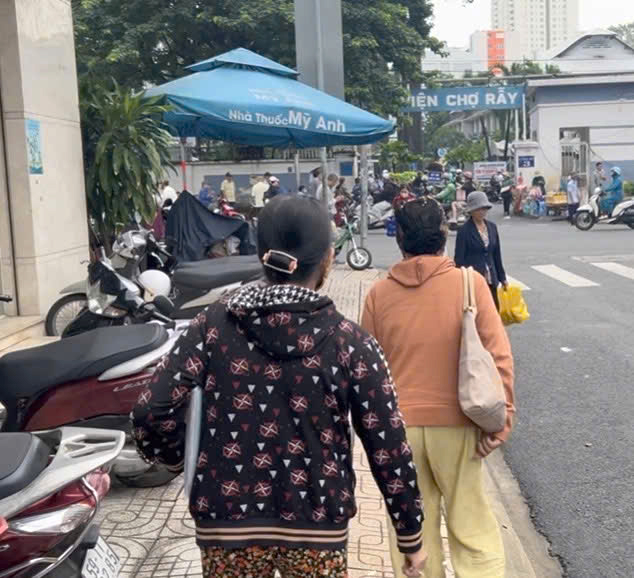
L. is escorted into the examination area of Cho Ray Hospital by her niece, T. Photo: Ca Linh / Tuoi Tre
* The names of the patients and their family members in this article have been changed to protect their privacy.
Comment (0)
(Tuoitre News gives priority to approving comments from registered members.)







Max: 1500 characters
There are no comments yet. Be the first to comment.