
1,300ha eco-tourism plan approved for Vietnam national park
Authorities in Ca Mau Province, southern Vietnam have approved a zoning plan to develop eco-tourism, resorts, and recreational facilities across more than 1,300 hectares of U Minh Ha National Park by 2030.
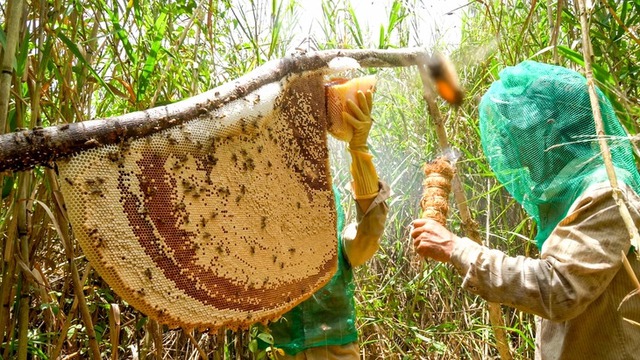
Beekeeping in the U Minh Ha forest is a popular eco-tourism experience in Ca Mau Province, southern Vietnam. Photo: Thanh Huyen / Tuoi Tre
The national park covers over 8,500 hectares, with the eco-tourism development zone concentrated in Da Bac and Khanh An Communes.
Officials said the project aims to balance tourism development with conservation of the cajeput forest ecosystem and biodiversity.
The plan emphasizes environmental protection, sustainable resource use, and preservation of natural landscapes.
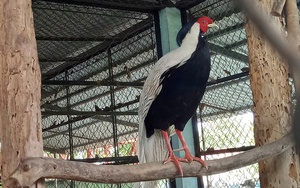
The site will be divided into functional zones, including a 93-hectare eco-tourism area, a 54-hectare resort zone, spaces designed to recreate traditional forest villages and craft communities, plus other areas such as a medicinal plant garden, bird park, and wildlife viewing zones.
Accommodation will follow two models of local homestays offering cultural experiences and high-end lodging for leisure travelers.
Buildings will be limited to 12 meters in height, using eco-friendly materials to minimize impact on the natural environment.
By 2030, the area is expected to attract at least 309,200 visitors, with international tourists accounting for a minimum of eight percent. Daily visitor numbers are projected at 800-1,000, with about 28 percent staying overnight.
Infrastructure will follow a ‘green’ design, combining road, waterway, walking paths, and electric vehicles.
Internal routes will use wooden bridges and floating walkways to avoid disturbing the soil.
Solar energy will be prioritized for lighting, while wastewater and solid waste will be treated to environmental standards.
The plan also highlights community involvement, aiming to create livelihoods for local residents and raise awareness about forest protection.

Minh Duy - Thanh Huyen / Tuoi Tre News
Link nội dung: https://news.tuoitre.vn/1300ha-eco-tourism-plan-approved-for-vietnam-national-park-103260501180706327.htm