
22-year-old woman in critical condition after self-administering skin-whitening IV infusion at home
A 22-year-old woman in Hanoi, Vietnam was hospitalized in critical condition with septic shock after giving herself a glutathione IV infusion at home in an attempt to lighten her skin, the 108 Military Central Hospital said on Friday.
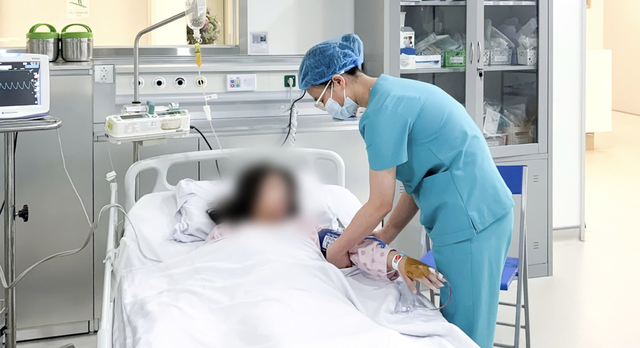
A 22-year-old woman in Hanoi, Vietnam was hospitalized in critical condition with septic shock after purchasing, preparing, and administering a glutathione IV infusion herself at home. Photo: Supplied
The patient had purchased glutathione for skin-whitening purposes, mixed it with intravenous fluid, and left the solution for more than a day before administering it herself.
Shortly afterward, she experienced difficulty breathing, fatigue, nausea, repeated vomiting, and a sharp drop in blood pressure.
Upon admission to the hospital’s Department of Medical Intensive Care and Toxicology, she received oxygen therapy, intravenous fluids, vasopressors, and broad-spectrum antibiotics.
Blood cultures revealed the presence of Burkholderia cepacia, a bacterium that doctors identified as the cause of her septic shock linked to the self-administered infusion.
Septic shock is a life-threatening medical emergency that can rapidly lead to multiple organ failure.
Following prompt emergency treatment, the patient’s condition gradually improved.
After two days of treatment, her blood pressure stabilized, allowing doctors to discontinue vasopressors while continuing antibiotic therapy and closely monitoring her organ function.
Health risks of glutathione injections and skin-whitening infusions
Dr. Nguyen Duc Loc from the hospital warned that preparing solutions and administering intravenous infusions at home cannot guarantee sterile conditions.
Bacteria from medical equipment or the surrounding environment can easily contaminate the solution and multiply rapidly if it is left standing for an extended period after preparation, before entering the bloodstream during infusion.
Doctors warned that cosmetic injections and infusions performed at home or at unlicensed facilities could result in life-threatening complications, including anaphylactic shock, bloodstream infections, and septic shock.
Loc advised people against purchasing and administering injectable drugs themselves or allowing individuals without medical qualifications to perform such procedures, stressing that advertised cosmetic benefits do not guarantee safety.
Those considering invasive cosmetic procedures should choose licensed medical facilities authorized to perform them and consult doctors about potential benefits, risks, and post-procedure monitoring.
Anyone experiencing a high fever, chills, extreme fatigue, nausea, vomiting, numbness, or swelling and pain at the injection site following an injection or infusion should seek immediate medical attention.
Those experiencing a drop in blood pressure require emergency care and should not delay treatment while waiting for medication to take effect or trying unproven home remedies.
Previous fatal case following skin-whitening infusion
On February 23, 2026, a 34-year-old woman in Ho Chi Minh City received a skin-whitening IV infusion administered by another woman at her apartment.
She developed unusual symptoms later that evening and was rushed to Le Van Thinh Hospital but had died before being admitted. Police launched an investigation into the cause of her death.
In March, a doctor at the Ho Chi Minh City Hospital of Dermatology said Vietnam’s Ministry of Health had not authorized injections or intravenous infusions for skin-whitening purposes.
Despite repeated warnings, such procedures continue to be performed at private homes and unqualified facilities, posing serious health risks, including anaphylactic shock and death.
Ngoc Nguyen - Duong Lieu / Tuoi Tre News