
Design revealed for $4bn sea-crossing bridge, road project in Ho Chi Minh City
The Can Gio-Vung Tau sea-crossing bridge and road project in Ho Chi Minh City, with an estimated price tag of VND104.41 trillion (US$4 billion), has unveiled striking design details, including the construction of two artificial islands.
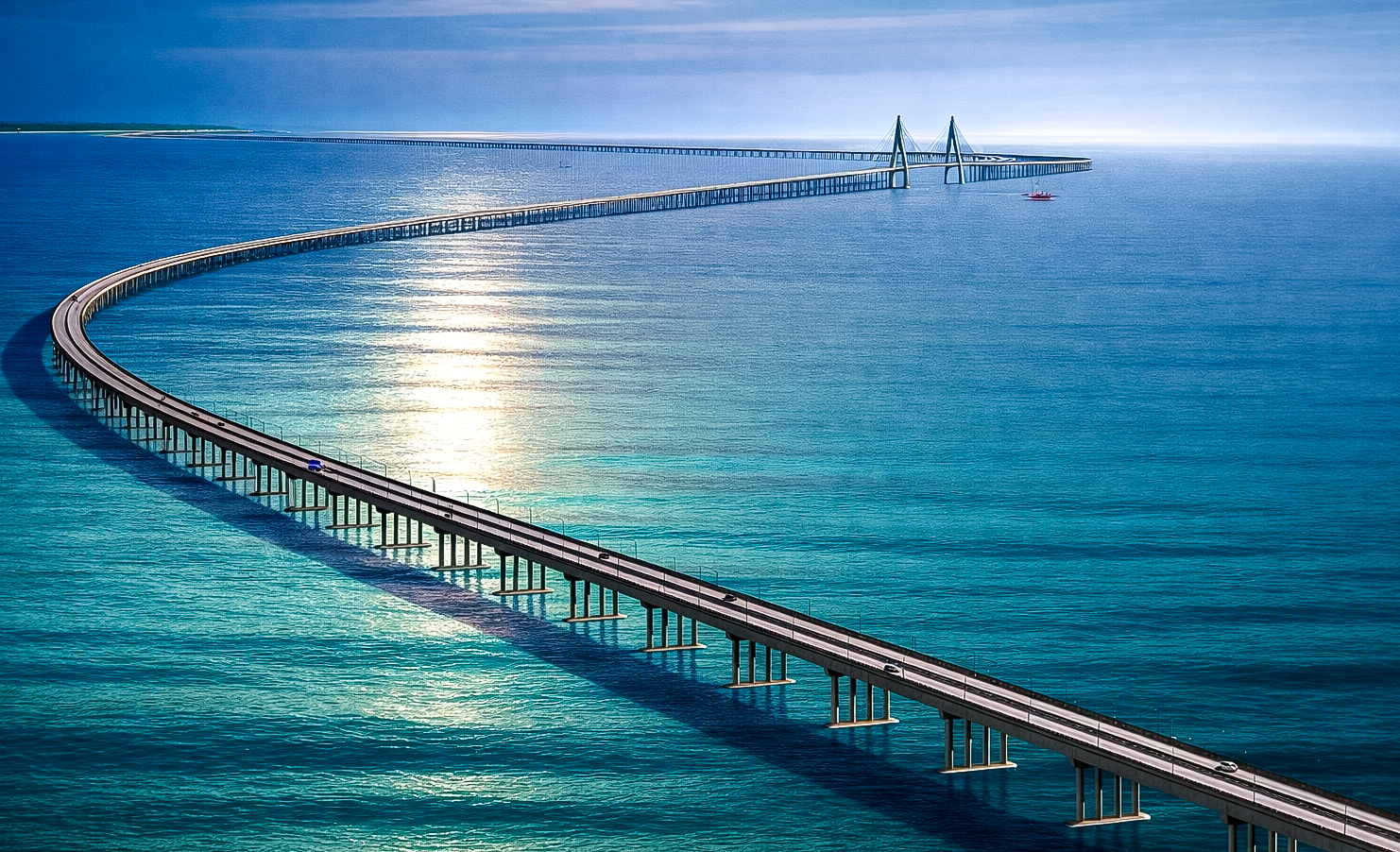
Nearly eight kilometers of the Can Gio-Vung Tau sea-crossing bridge and road project in Ho Chi Minh City will run over the sea as a bridge. The Can Gio side spans more than 5.3 kilometers, while the Vung Tau side extends nearly 2.7 kilometers.
With six lanes and a design speed of 80 kilometers per hour, the route will stretch more than 14 kilometers, comprising approximately 11 kilometers of bridge and roadway and 3.1 kilometers of subsea tunnel.
The tunnel section will include a 2.1-kilometer immersed tunnel, a 390-meter closed tunnel, and a 610-meter open tunnel.
Two artificial islands will be built at the bridge-to-tunnel transition points.
According to Vietnam’s largest private conglomerate Vingroup, the project’s investor, the route will start at Bien Dong 2 Road in the Can Gio sea reclamation urban area and end at the intersection of the planned Mai Sao-Ben Dinh Road and 30/4 Street in Vung Tau.
The design ensures minimal disruption to shipping lanes and avoids interference with the planned Go Gang Airport.
The project’s investment is fully funded by the investor.
Construction is expected to begin in 2026, with completion and operation scheduled for 2029.
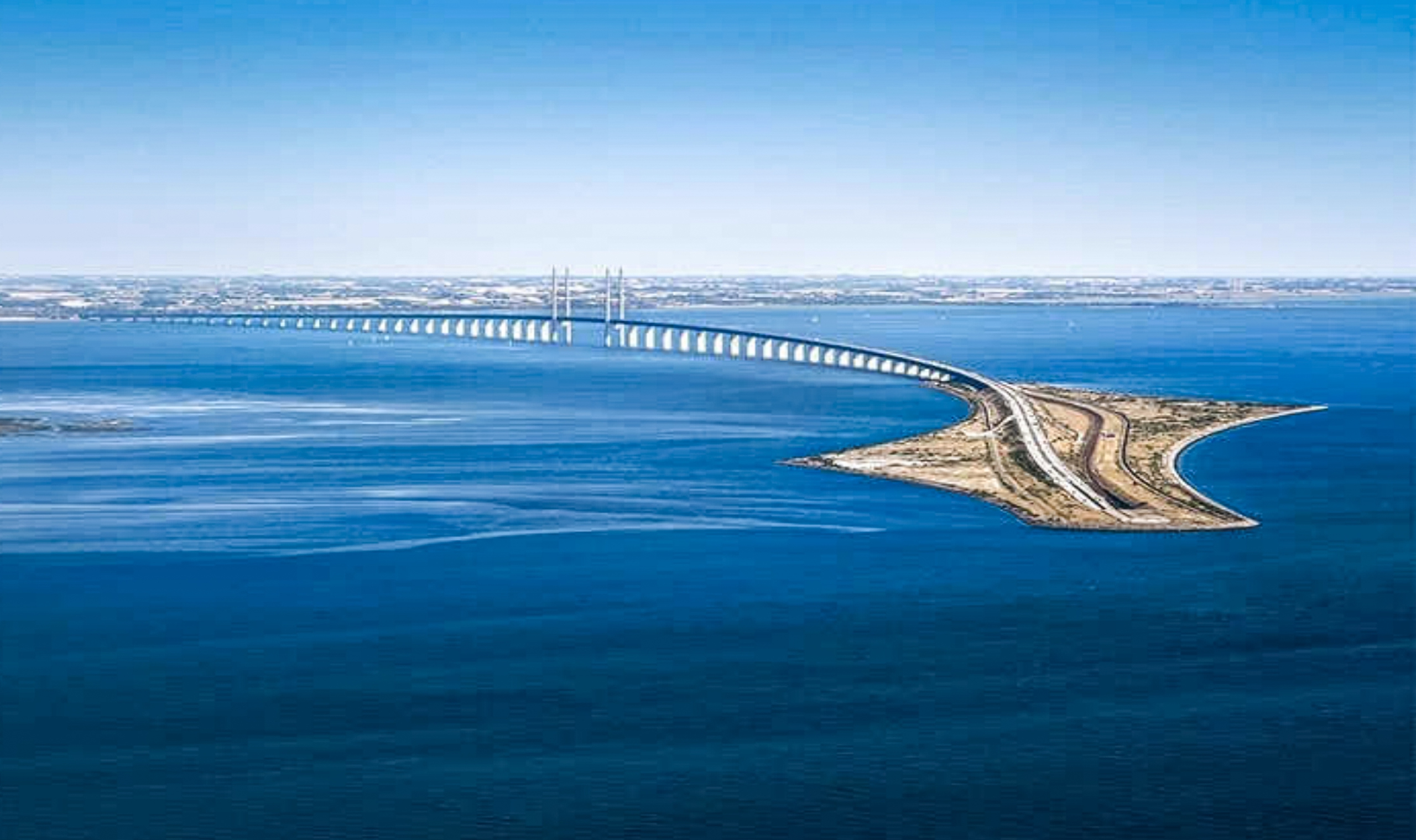
According to the pre-feasibility study, immersed tunnel technology is widely used worldwide. The longest immersed tunnel currently under construction is the Fehmarnbelt Tunnel connecting Denmark and Germany, measuring 17.6 kilometers in length and up to 42.2 meters in width.
The project is expected to transform connectivity between Can Gio and Vung Tau, eliminating the reliance on ferries and long detours.
It also reflects the city’s ambition to develop iconic infrastructure and demonstrate its capacity to deliver high-tech, complex engineering projects.
It will link the city’s core with the bustling tourism, economic, and cultural hub around Ghenh Rai Bay, including Can Gio and Vung Tau.
Together with other strategic projects such as the Ben Thanh-Can Gio urban railway and the Can Gio Bridge, the project will transform Can Gio from an area long dependent on ferry crossings into a major infrastructure and tourism hub, projected to attract around 40 million visitors annually.
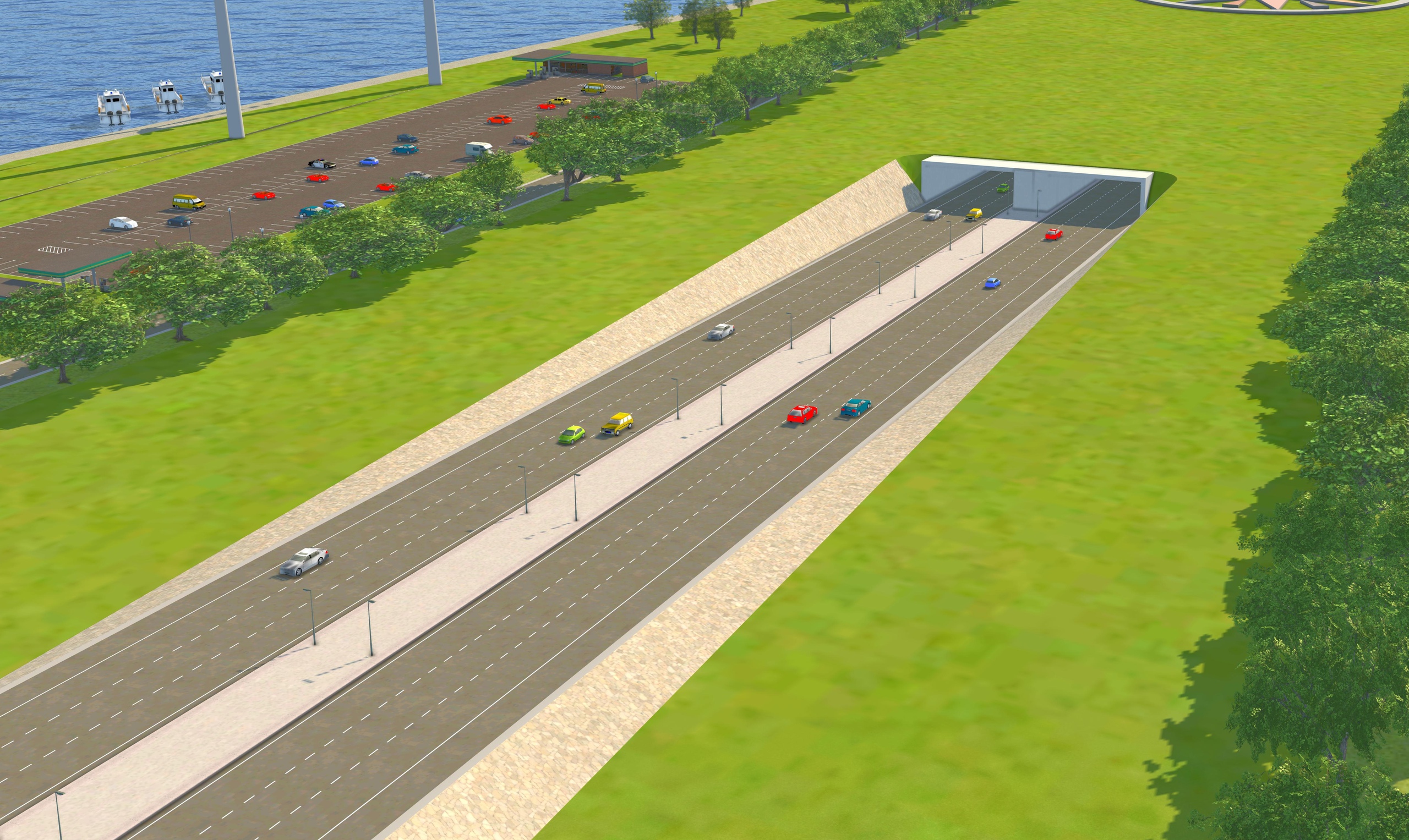
Regarding the Can Gio-Vung Tau sea-crossing bridge and road project’s construction process, closed tunnel segments are cast in dry docks, sealed at both ends, floated by flooding the dock, then towed to the installation site. Water is pumped into ballast tanks to sink the tunnel into position.
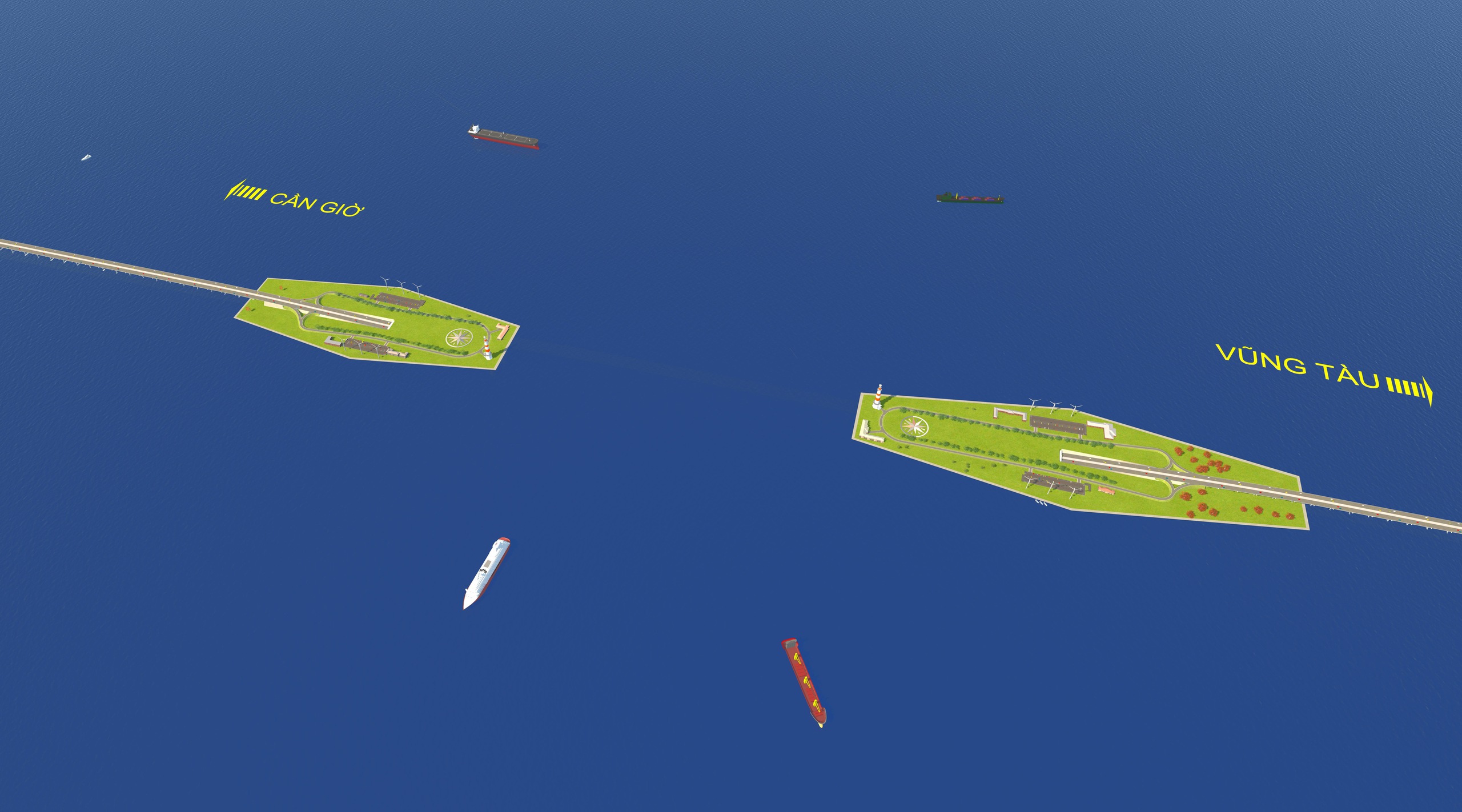
An artist’s impression of the submerged tunnel section beneath the maritime navigation channel, flanked by two artificial islands.
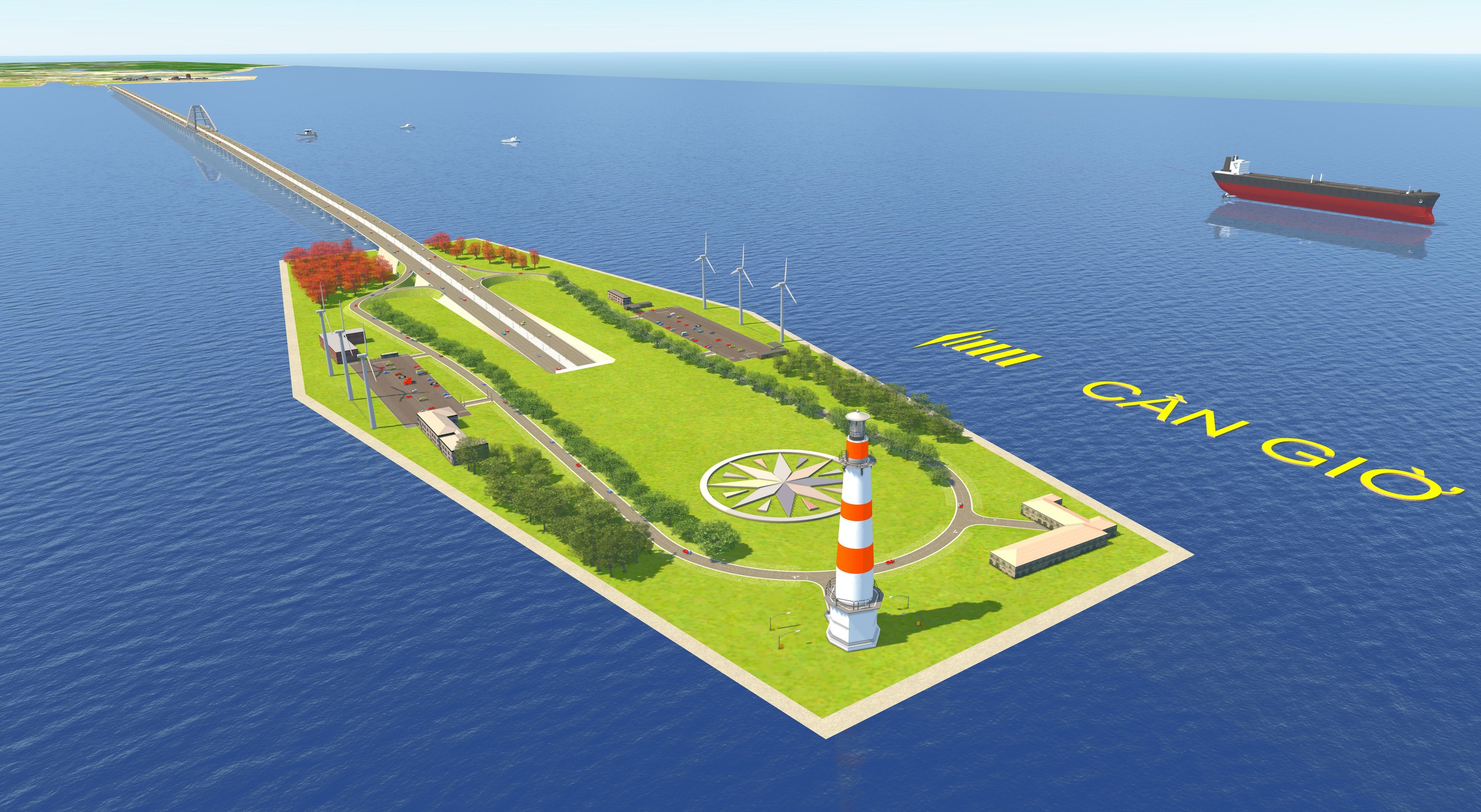
According to the Transport Engineering Design Incorporated, responsible for the project’s pre-feasibility study, the combined immersed tunnel and bridge option allows for shallow alignment, shorter tunnel length, and reduced construction and operational costs.
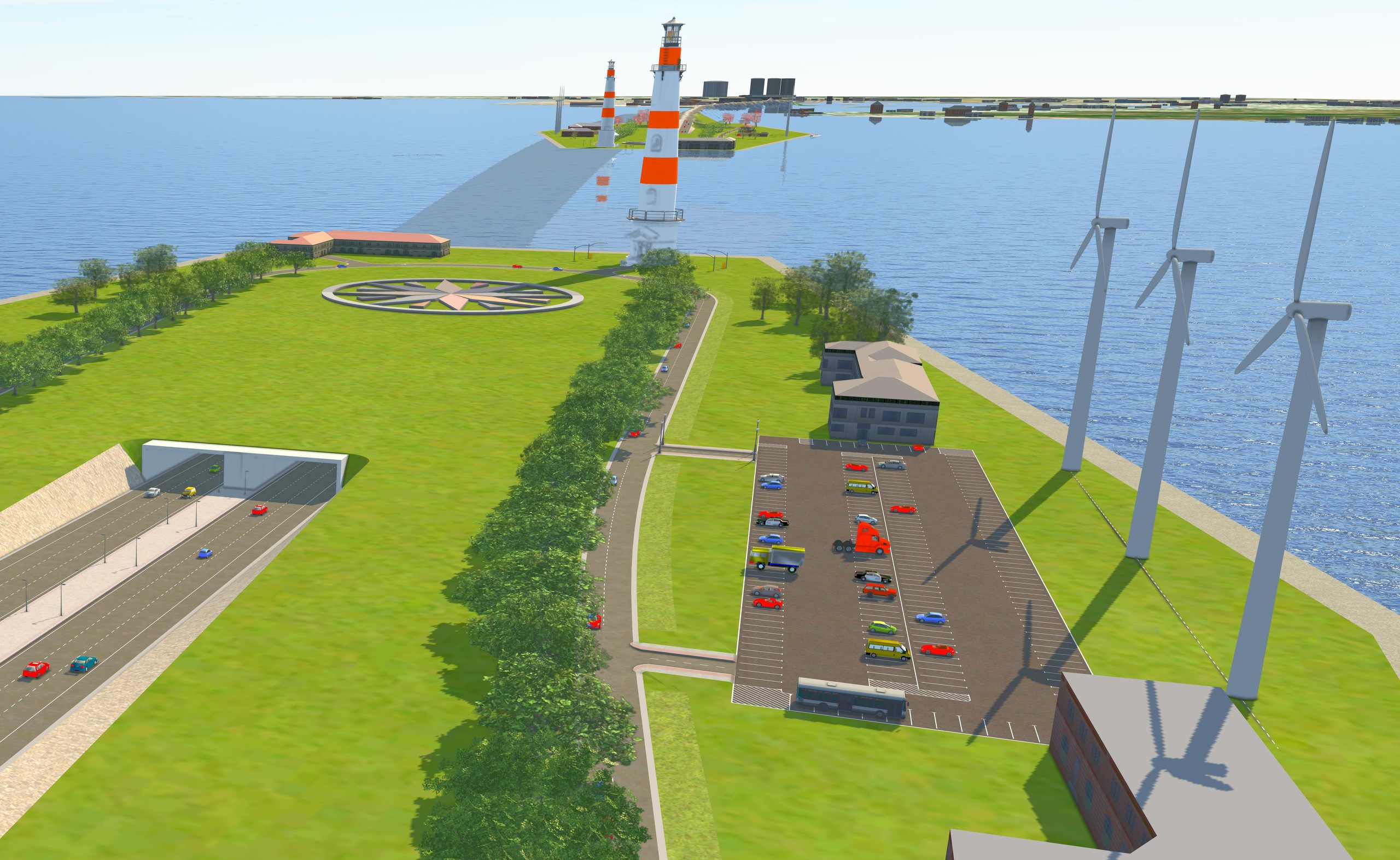
Tunnel structures can be manufactured domestically.
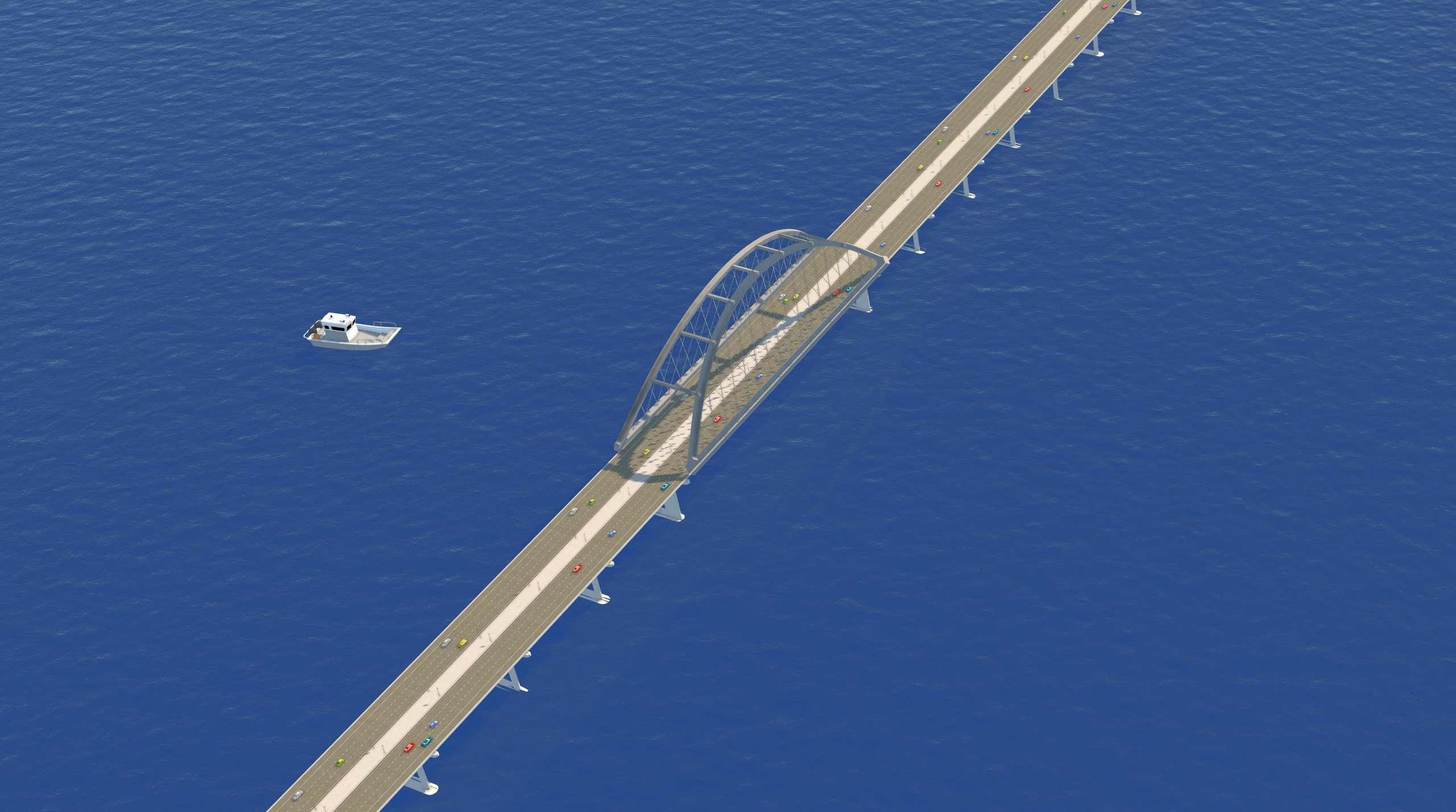
The bridge design includes a wide navigation clearance to facilitate vessel traffic.
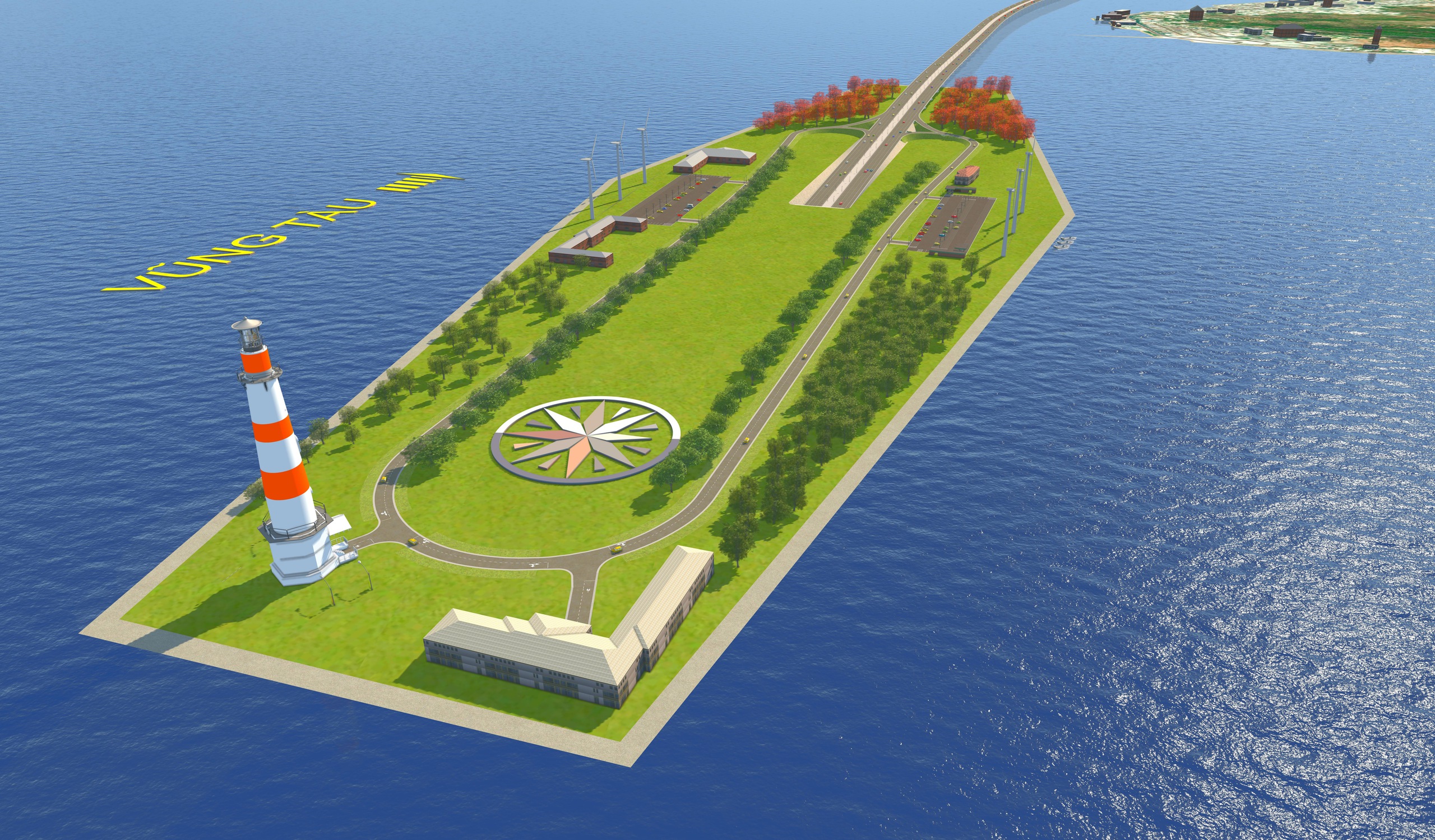
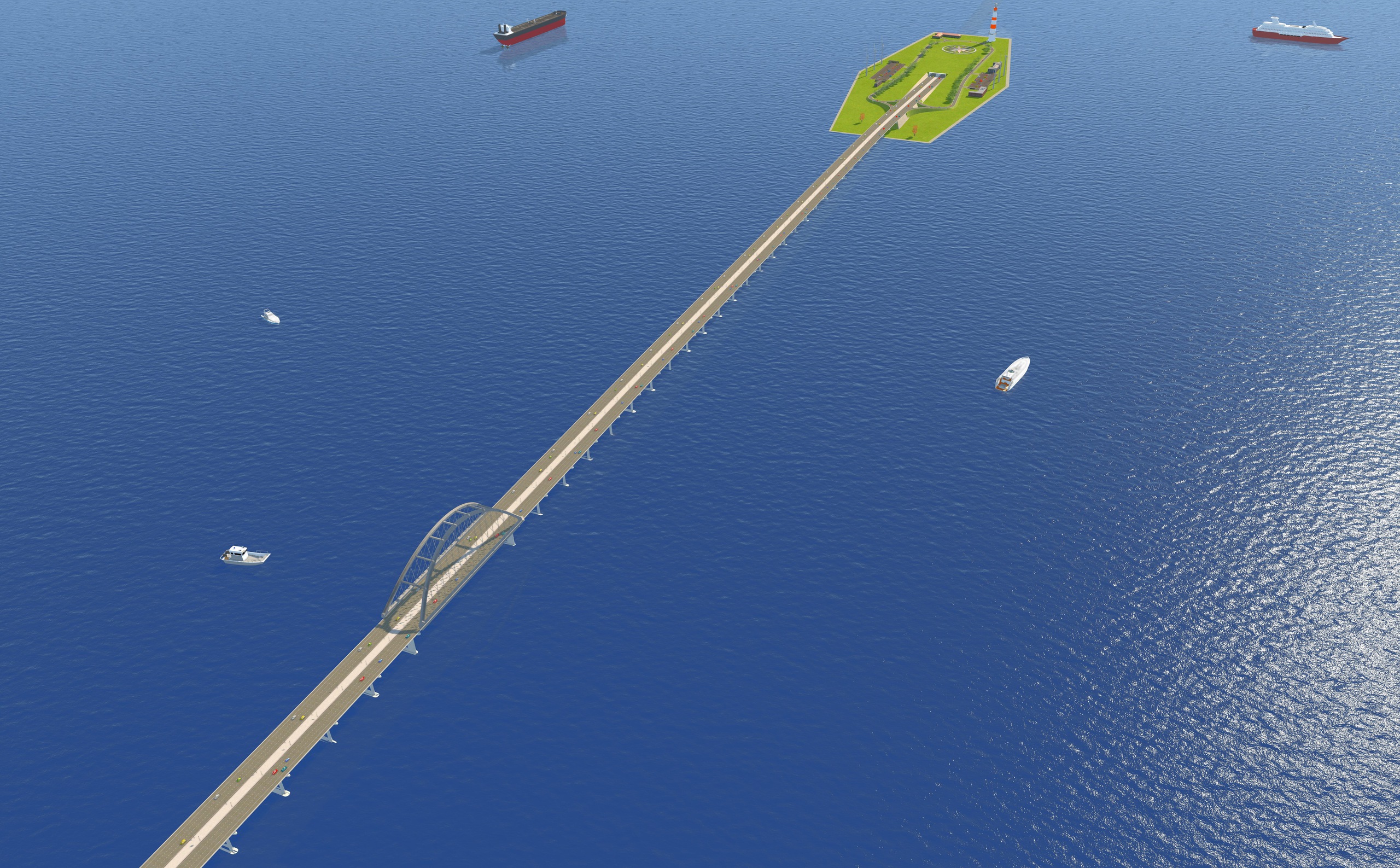
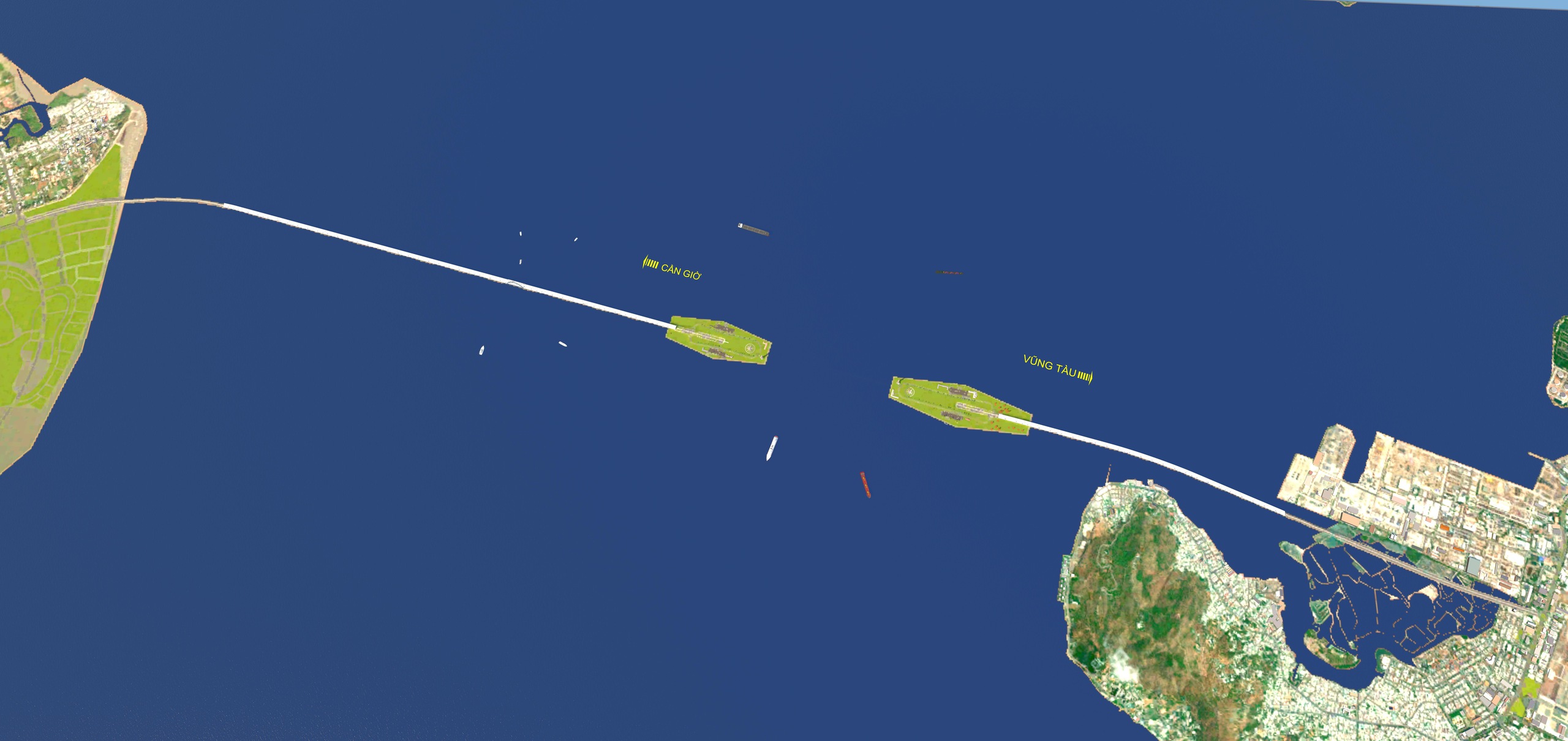
The Can Gio-Vung Tau sea-crossing project is proposed to be built under a build-transfer model, with construction expected to start in 2026 and finish in 2029.
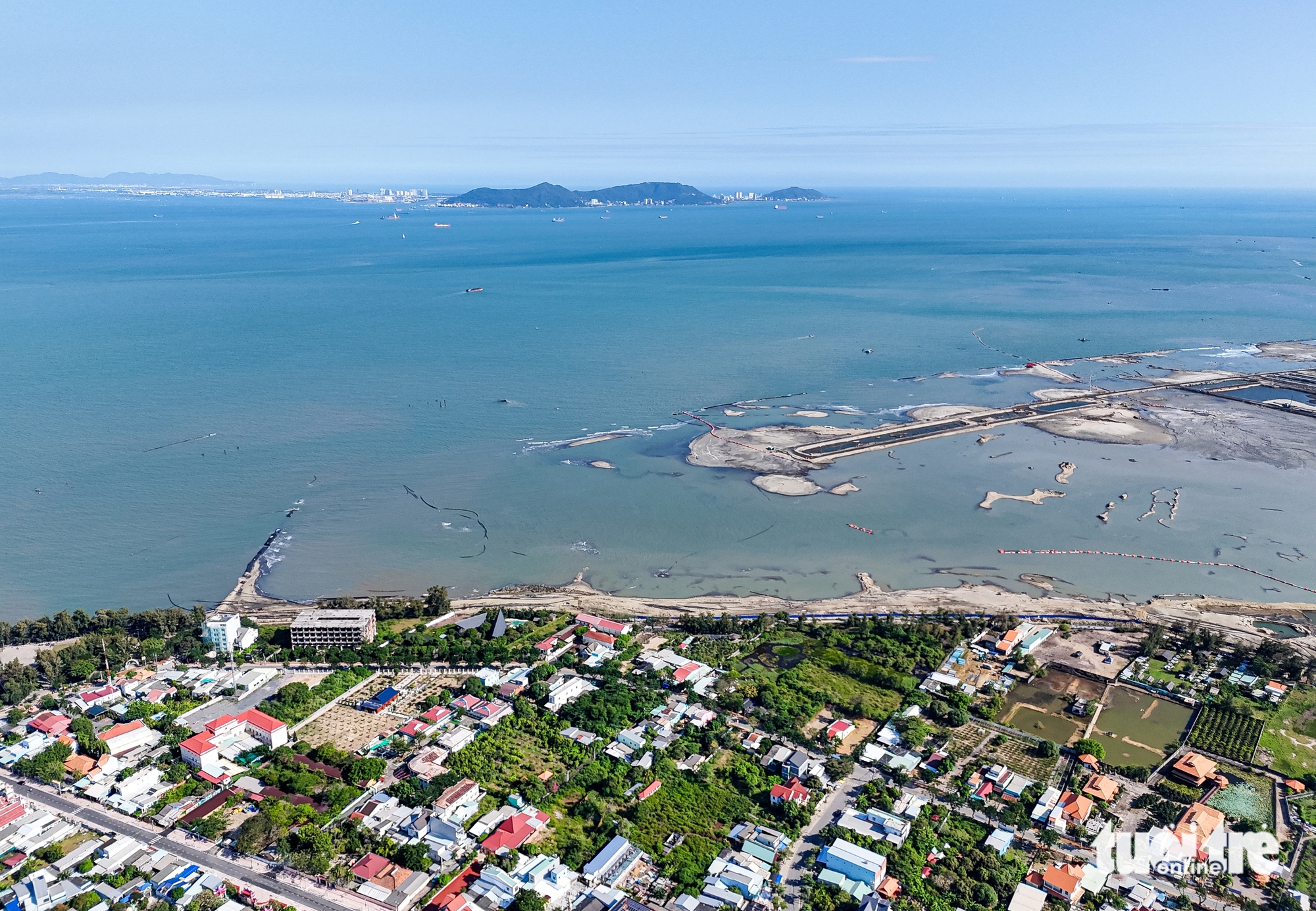
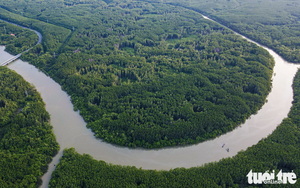
A drone view of the Can Gio-Vung Tau sea-crossing project’s proposed route from the Can Gio sea reclamation area toward Vung Tau, both located in Ho Chi Minh City. Photo: Chau Tuan / Tuoi Tre
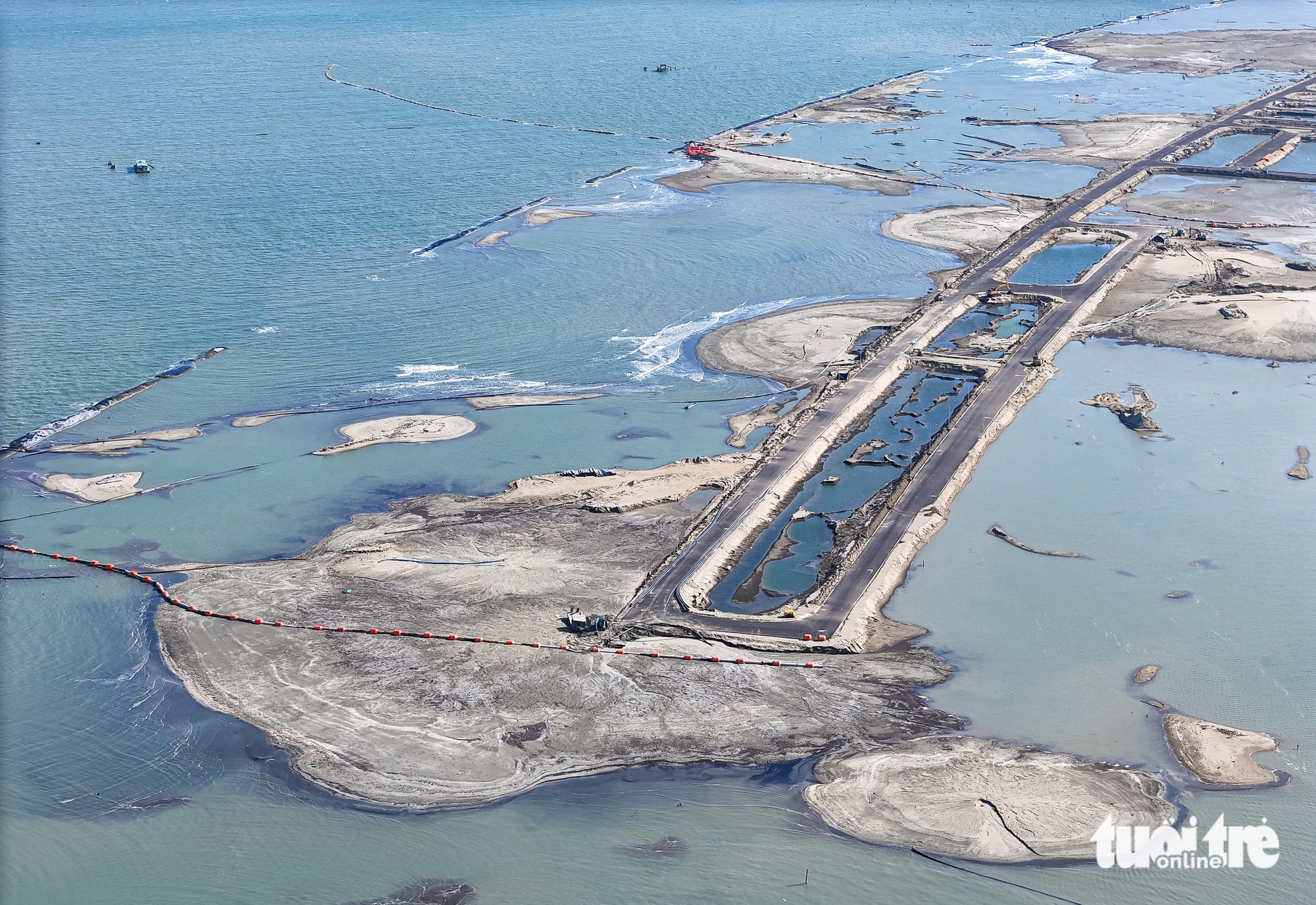
The 2,870-hectare Can Gio coastal urban reclamation project in Ho Chi Minh City has largely completed phase 1 earthworks at a rapid pace. Photo: Chau Tuan / Tuoi Tre
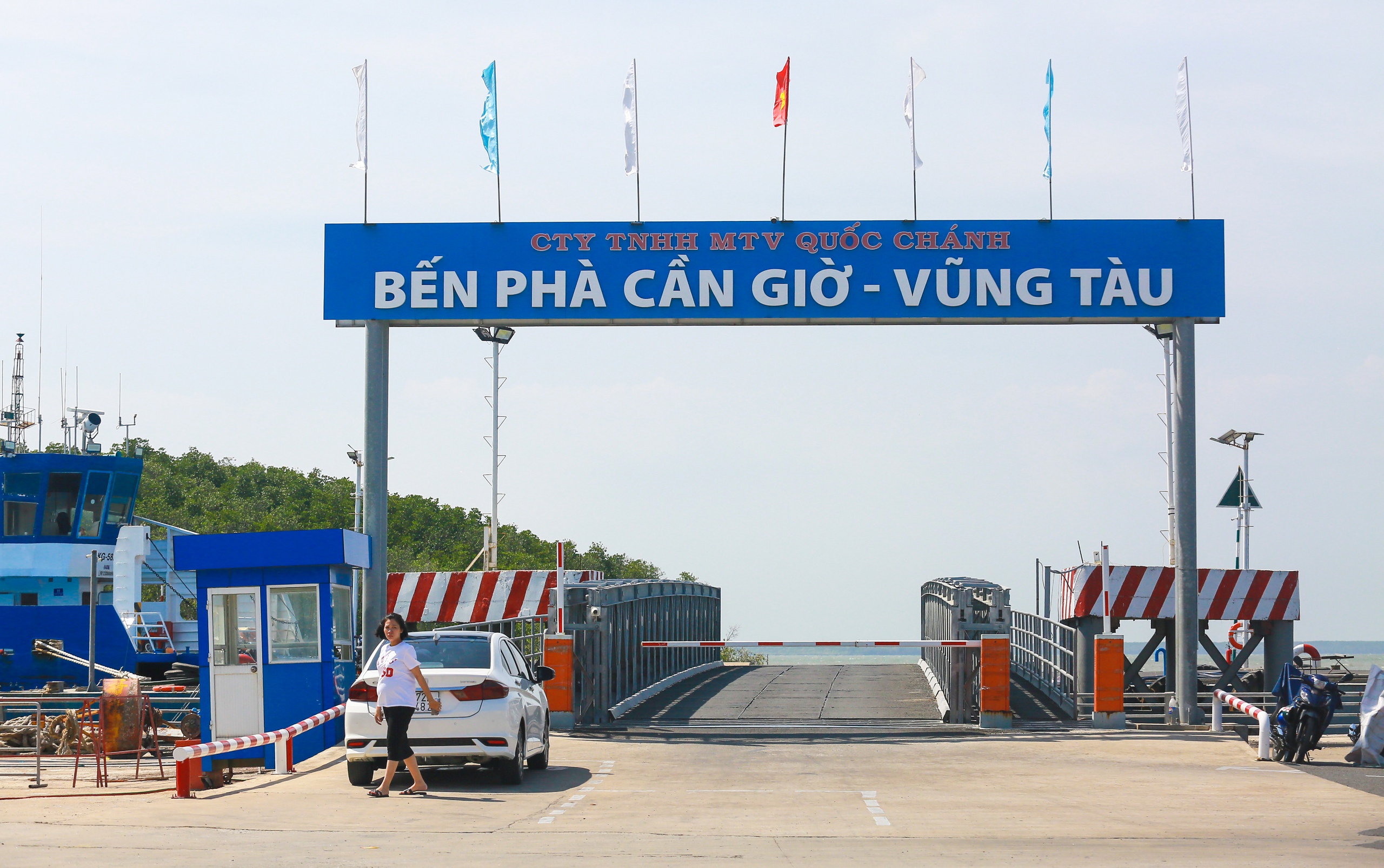
Travel between Can Gio and Ba Ria-Vung Tau, two coastal areas in Ho Chi Minh City, has long depended on ferry crossings or lengthy detours. Photo: Chau Tuan / Tuoi Tre
Minh Duy - Chau Tuan / Tuoi Tre News
Link nội dung: https://news.tuoitre.vn/design-revealed-for-4bn-sea-crossing-bridge-road-project-in-ho-chi-minh-city-103260128122434748.htm