
Diet, dehydration drive high urinary stone disease rates in Vietnam: urologists
Diets high in salt and animal protein and low water intake are contributing to Vietnam having one of the world’s highest rates of urinary stone disease, Vietnamese urologists said on Friday at a medical conference in Ho Chi Minh City.

Associate Professor Nguyen Phuc Cam Hoang, deputy director of Binh Dan Hospital, speaks during a workshop on minimally invasive endoscopic urology at the hospital in Ho Chi Minh City, Vietnam, January 9, 2026. Photo: Nhung Tran
Doctors speaking at a specialist training workshop on minimally invasive urology, co-hosted by Binh Dan Hospital and the European Association of Urology, said urinary stones account for a large share of urology patients in Vietnam, placing a growing burden on the healthcare system.
"Vietnam is among the countries with the highest prevalence of urinary stone disease globally," said Dr. Van Thanh Trung, head of endourology at Binh Dan Hospital, citing clinical data and international research.
Urinary stones, which can form in the kidneys, ureters, bladder or urethra, make up about 60 percent of patients treated in urology departments, according to hospital data presented at the workshop.
Kidney stones are most common among people aged 40-60, Vietnam's core working-age population.
Men are more likely to develop kidney stones than women, with incidence rates about 1.3-1.7 times higher, according to the Global Burden of Disease 2019 study.
Doctors attributed the high prevalence to a combination of dietary habits, climate, and lifestyle factors.
Vietnam's hot and humid climate increases the risk of dehydration, leading to more concentrated urine and the formation of mineral crystals, they said.
High salt consumption, diets rich in meat but low in fiber, insufficient water intake, particularly among outdoor workers, and habits such as delaying urination were also identified as key risk factors.
Unsupervised use of supplements and medications may further increase the risk, doctors said.
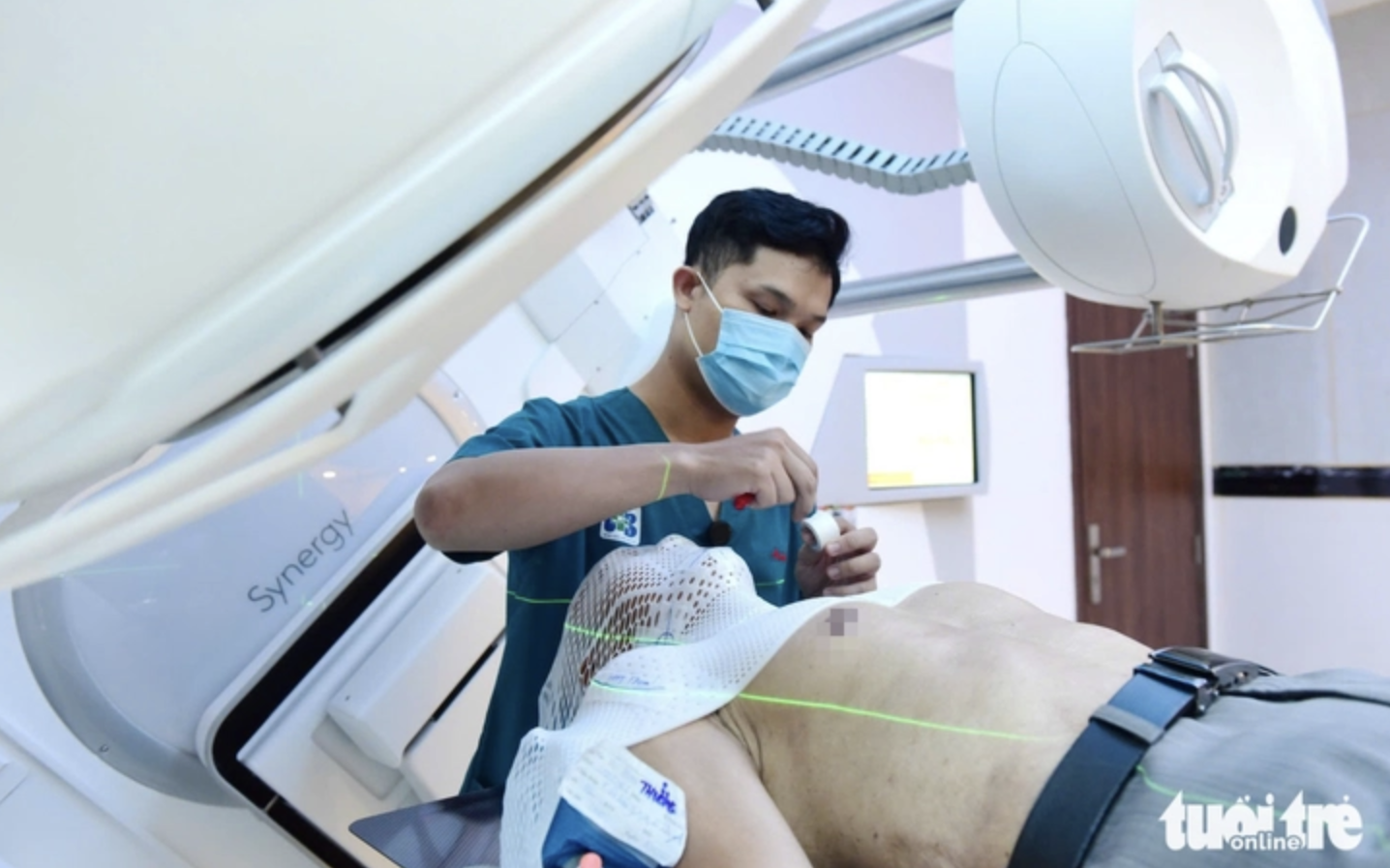
Binh Dan Hospital has seen a steady rise in urinary stone cases in recent years, which physicians attributed both to higher disease prevalence and improved diagnostic and treatment capacity.
Symptoms can include flank pain, difficulty urinating, blood in the urine and urinary retention, though some cases progress silently and are mistaken for back or muscle pain.
Doctors urge early medical examination to improve treatment outcomes.
Minimally invasive endoscopic urology has become the dominant treatment approach in Vietnam, mirroring global trends.
Nguyen Phuc Cam Hoang, deputy director of Binh Dan Hospital, said the hospital routinely combines percutaneous and retrograde endoscopic techniques to improve stone clearance rates while reducing complications.
More than 90 percent of the urinary stone procedures at the hospital now use minimally invasive techniques, rising to as high as 95–97 percent in specialized departments, according to a 2025 internal survey.
Bao Anh - Thu Hien / Tuoi Tre News
Link nội dung: https://news.tuoitre.vn/diet-dehydration-drive-high-urinary-stone-disease-rates-in-vietnam-urologists-103260110110216101.htm