
Guatemalan zoo breeds rare lizards in bid to save endangered species
GUATEMALA CITY -- Conservationists in Guatemala are breeding a new generation of Guatemalan beaded lizards, one of the world's most endangered lizards, in the hopes of rebuilding wild populations decimated by habitat loss and their popularity in the illegal pet trade.
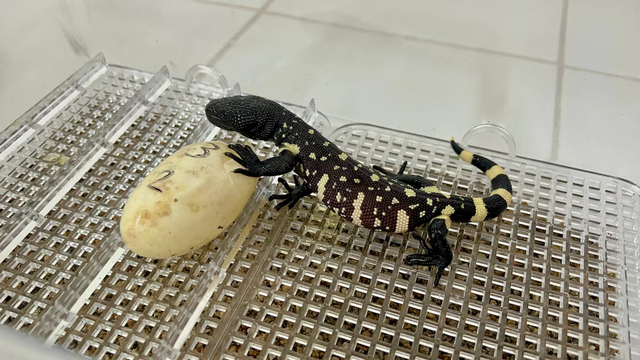
A newly hatched Heloderma charlesbogerti, also known as the "nino dormido" (sleeping child), an endemic species of Guatemala's Motagua Valley thornscrub, at an enclosure as conservationists in Guatemala breed a new generation of one of the world's most endangered lizards in an effort to rebuild wild populations decimated by habitat loss and the illegal pet trade, at La Aurora Zoo in Guatemala City, Guatemala, in this handout image released on July 7, 2026. La Aurora Zoo/Handout
Heloderma charlesbogerti, also known as "niño dormido" (sleeping child in Spanish), are endemic to the thornscrub of Guatemala's Motagua Valley, one of the driest regions in Central America.
Rowland Griffin, the head of La Aurora zoo's conservation project, estimated there are just 500 to 700 wild adults left.
He told Reuters the Guatemala City zoo is carefully monitoring new eggs with remote cameras and incubator tanks and preparing baby lizards for their release next year.
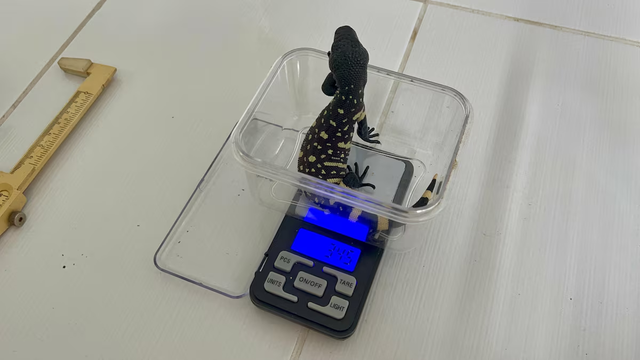
A newly hatched Heloderma charlesbogerti, also known as the "nino dormido" (sleeping child), an endemic species of Guatemala's Motagua Valley thornscrub, is weight in an enclosure as conservationists in Guatemala breed a new generation of one of the world's most endangered lizards in an effort to rebuild wild populations decimated by habitat loss and the illegal pet trade, at La Aurora Zoo in Guatemala City, Guatemala, in this handout image released on July 7, 2026. La Aurora Zoo/Handout
"We're just getting them used to feeding, getting them used to being able to climb and all of the things that they will need to be able to do when they're released into the wild," he said.
The lizards will first be taken to large enclosures in their natural habitat before they are fully released and their progress is monitored by scientists.
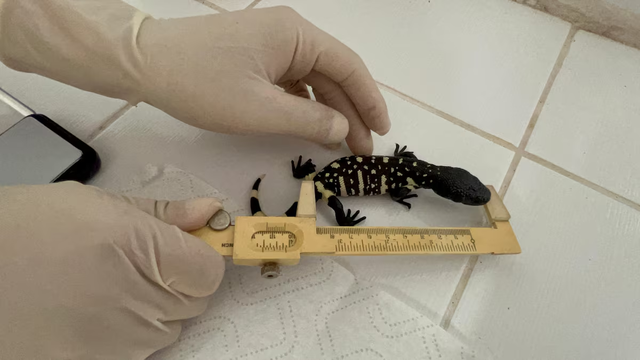
A newly hatched Heloderma charlesbogerti, also known as the "nino dormido" (sleeping child), an endemic species of Guatemala's Motagua Valley thornscrub, is measured in an enclosure as conservationists in Guatemala breed a new generation of one of the world's most endangered lizards in an effort to rebuild wild populations decimated by habitat loss and the illegal pet trade, at La Aurora Zoo in Guatemala City, Guatemala, in this handout image released on July 7, 2026. La Aurora Zoo/Handout
The species was lifted into the most protected tier of the Convention on International Trade in Endangered Species of Wild Fauna and Flora (CITES) in 2007.
Guatemalan beaded lizards mainly eat bird and reptile eggs, and their venom has not been known to be fatal to humans.
Reuters
Link nội dung: https://news.tuoitre.vn/guatemalan-zoo-breeds-rare-lizards-in-bid-to-save-endangered-species-103260709143028277.htm