
Ho Chi Minh City braces for motorcycle emissions inspections
The Ho Chi Minh City Department of Construction has instructed vehicle registration and inspection centers to prepare facilities and equipment for motorcycle emissions testing.
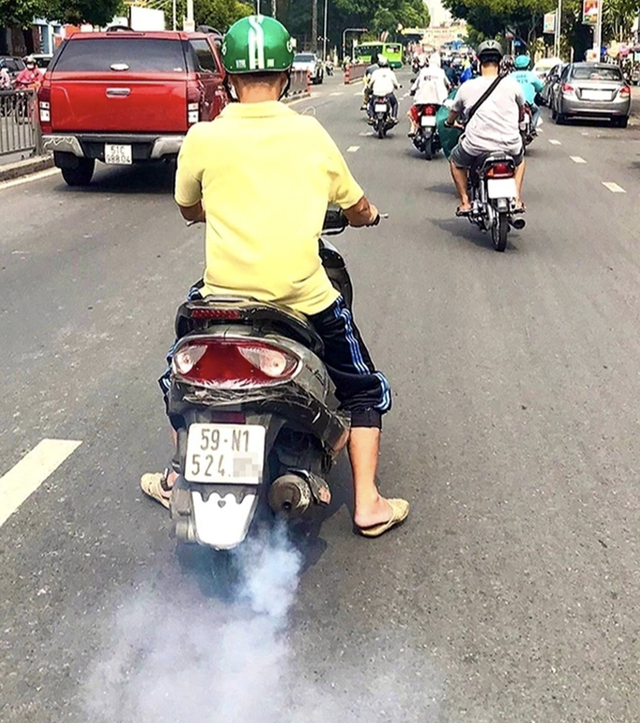
An old motorcycle emits smoke into the environment in Ho Chi Minh City. Photo: Quang Dinh / Tuoi Tre
The move signals proactive planning by authorities, as emissions control for road vehicles is an inevitable step in urban environmental management.
A phased roadmap is expected, with inspections applied according to vehicle age and year of manufacture.
Residents hope the process will be implemented methodically, based on scientific standards, and with maximum convenience for motorcycle owners.
In reality, motorcycles manufactured before 2015 still account for a large proportion of those in circulation.
After more than a decade of use, engine performance typically declines, while noise levels, fuel consumption, and emissions increase.
Many owners worry that their vehicles may fail the upcoming check.
A local shared that his household owns four motorcycles, three of which were manufactured in 2014 or earlier.
When the bikes were new, they were regularly taken to authorized service centers for scheduled maintenance.
Over time, as the vehicles aged, routine servicing was neglected and repairs were only made when problems became unavoidable.
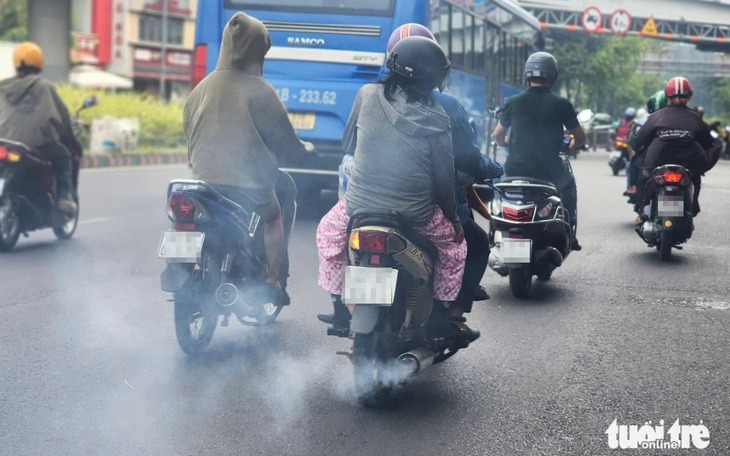
Now, the prospect of mandatory inspection raises fears that the bikes may not pass.
Vietnam has more than 70 million motorcycles.
In Ho Chi Minh City alone, the figure is estimated at over 11 million.
Even with early planning and staggered inspection schedules, the pressure on inspection centers is expected to be significant.
Registration and inspection facilities are already handling daily checks for automobiles that have reached their inspection deadlines.
The addition of motorcycle emissions testing, while not technically complex, will involve a far larger volume of vehicles.
Proactive planning, scenario forecasting, and flexible arrangements are therefore essential.
It is also possible that inspection centers will need to operate on weekends or extend working hours into the evening.
For many people, motorcycles are essential tools for earning a living, so owners are likely to bring their vehicles for inspection during off-work hours.
Expanding operating times and organizing overtime shifts will be necessary to meet public demand.
Once motorcycle emissions testing is introduced, there may be cases of delay, avoidance or non-compliance.
Alongside outreach and coordination by relevant agencies, the most crucial factor remains the sense of responsibility among vehicle owners to comply with the inspection schedule.
This is a matter of public interest and must be implemented fully and fairly.
A shift in mindset toward vehicle use is also needed.
A motorcycle should not be ridden simply because it can still run. Whether old or new, regular inspection and maintenance are essential for road safety and for extending the vehicle’s lifespan.
Lower emissions contribute directly to a healthier community and better quality of life.
Support for transition is vital
For millions of people, especially motorcycle taxi drivers, ride-hailing workers, and delivery couriers, aging motorcycles remain the primary means of livelihood.
Concepts such as regular inspection and maintenance have long been unfamiliar to many in this group.
As a result, the likelihood of their vehicles failing emissions standards is high, while for numerous families, the motorcycle in use is the sole source of income.
Solutions to support the most vulnerable should be considered early.
One option is to expand programs that allow old motorcycles to be exchanged for new electric ones, with partial government subsidies and installment payment plans for the remaining cost.
Manufacturers and distributors of electric motorcycles also have a role to play in easing the transition for low-income earners who depend on their vehicles for work.
Some brands have already introduced trade-in programs, accepting old motorcycles produced by their own companies and offering new electric models at relatively affordable prices.
Such initiatives are not only necessary support measures but also a way for businesses to share responsibility with the community as the electric vehicle market continues to expand.
Tieu Bac - Duc Tuan / Tuoi Tre News
Link nội dung: https://news.tuoitre.vn/ho-chi-minh-city-braces-for-motorcycle-emissions-inspections-103260203164844377.htm