
Ho Chi Minh City police arrest 4 on suspicion of producing over 1,000 tonnes of bean sprouts with banned chemical
Police in Ho Chi Minh City have initiated criminal proceedings and arrested four individuals for allegedly producing more than 1,000 metric tons of bean sprouts using chemicals that are not permitted for use in food production in Vietnam.
The four suspects include Luu Van Thiep, Lam Van Hung, Tran Van Nghia, and Nguyen Van Dinh.
They were charged with violating food safety regulations.
The arrests followed a 45-day citywide campaign aimed at identifying and combating violations across sectors, with a particular focus on food safety offenses.
Authorities said the campaign was designed to address food safety violations and help protect public health.
In May, economic police officers simultaneously inspected three bean sprout production facilities in Thong Tay Hoi Ward and uncovered large-scale food safety violations.
The facilities were located at 52 Street No. 4 and operated by Luu Van Thiep, from Ninh Binh Province in northern Vietnam; 100/36 Street No. 3, operated by Lam Van Hung, also from Ninh Binh; and 64 Street No. 4, operated by Nguyen Van Dinh, from Hanoi.
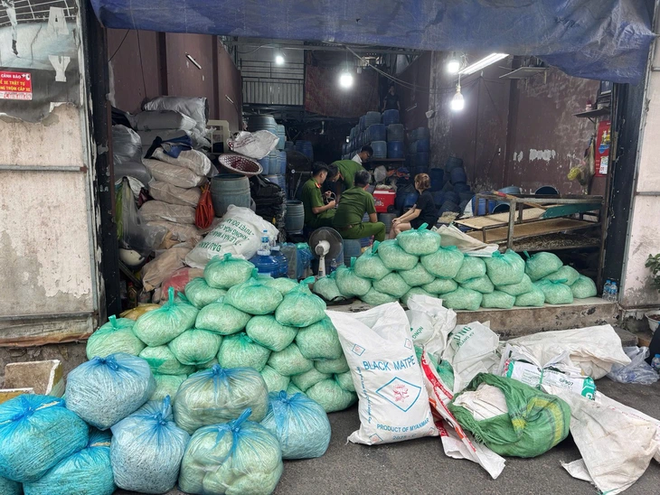
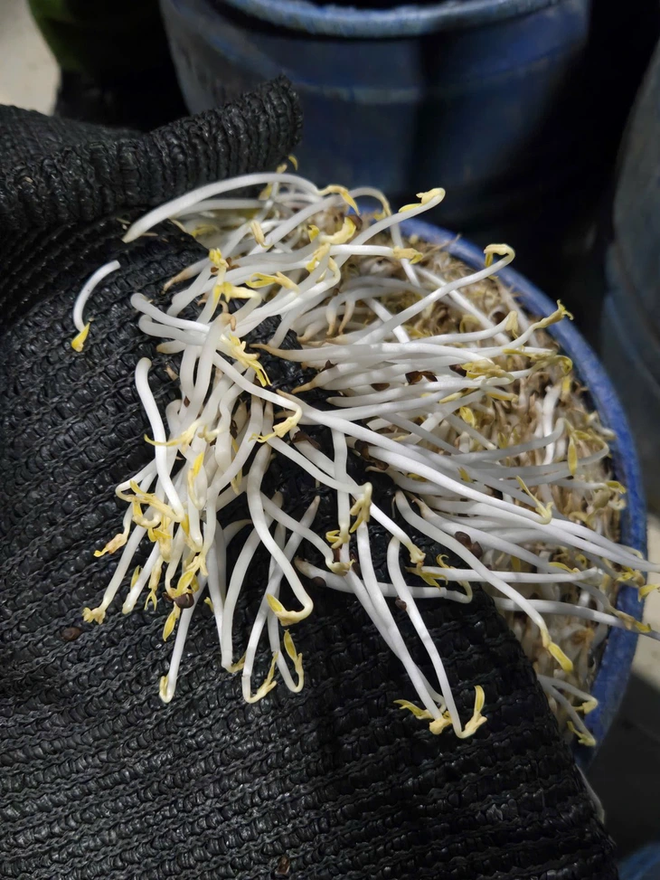
A large volume of bean sprouts produced using banned chemicals. Photo: Ho Chi Minh City Police
During the inspections, police seized 860 plastic containers used for bean sprout cultivation, hundreds of liters of premixed solution containing 6-Benzylaminopurine, and other evidence related to the production process.
Investigators said the suspects admitted that, in addition to mung beans, lime, and well water, they used 6-Benzylaminopurine during their production.
The chemical was reportedly referred to among the suspects by the code name 'candy water.'
According to authorities, 6-Benzylaminopurine is not included on the list of substances permitted for use in food production or on Vietnam’s list of authorized pesticides.
The suspects allegedly knew that the chemical was prohibited and potentially harmful to human health but continued to use it in soaking and cultivating bean sprouts.
The substance shortened the roots of the sprouts while concentrating nutrients in the stems, making them larger, heavier, and more visually appealing.
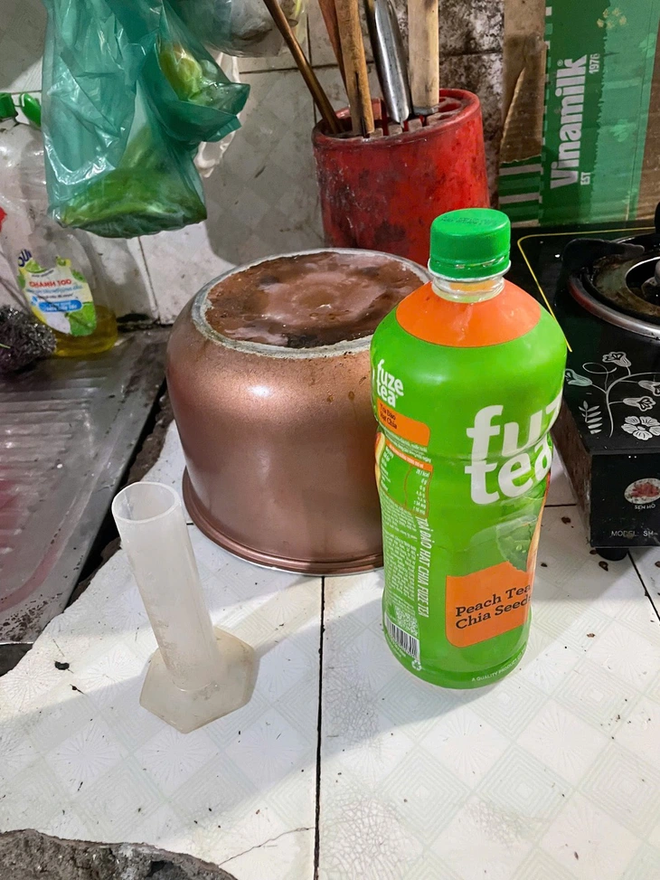
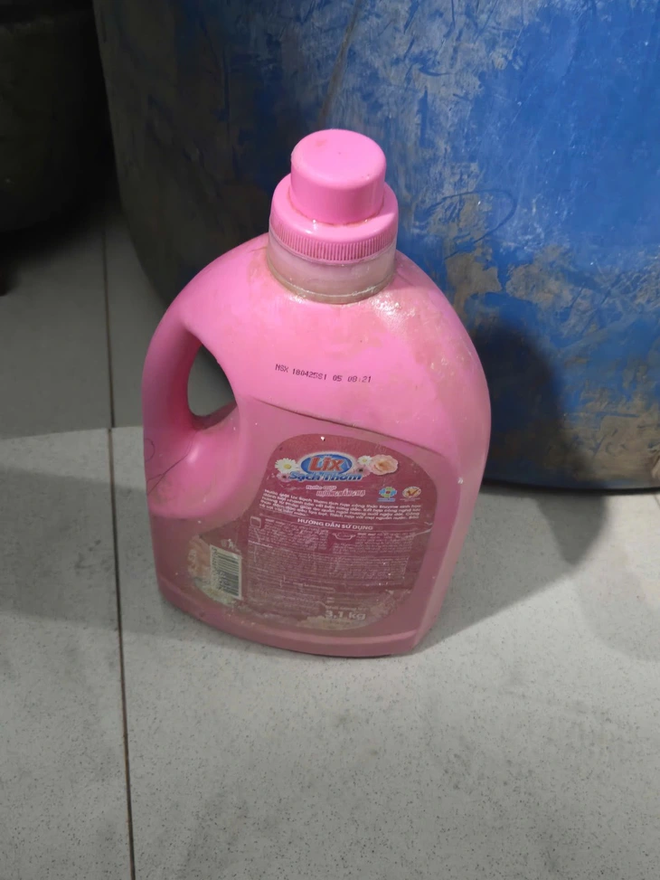
Chemicals seized during the investigation. Photo: Ho Chi Minh City Police
Further investigation found that since 2022, the three facilities had collectively supplied about three metric tons of bean sprouts per day to markets and eateries in areas formerly known as Binh Thanh and Go Vap Districts.
Police estimated that more than 1,000 metric tons of bean sprouts containing 6-Benzylaminopurine had been sold during that period, with a total market value of approximately VND8 billion (US$304,140).
The Ho Chi Minh City police force is expanding its investigation and pursuing additional leads related to the case.
Authorities warned that consuming foods treated with 6-Benzylaminopurine may cause acute poisoning, digestive disorders, breathing difficulties, and lung damage.
Long-term exposure could increase the risk of birth defects and other serious health conditions.
Police said the use of 6-Benzylaminopurine in food production and processing violates food safety regulations, poses risks to consumers, and will be dealt with strictly in accordance with the law.
Thanh Ha - Dan Thuan - Ky Phong / Tuoi Tre News