
How traditional medicine herbs are processed at Ho Chi Minh City Traditional Medicine Institute
At the Ho Chi Minh City Traditional Medicine Institute, herbs sourced from across Vietnam undergo a meticulous journey, from selection and quality testing to drying, slicing, and packaging, illustrating how traditional remedies are being standardized to meet modern healthcare needs as the country seeks to integrate centuries-old medical knowledge with scientific advances.
On a recent weekday, large numbers of patients, mostly middle-aged and elderly, sought treatment using traditional medicine at the institute.
In the herbal processing and compounding area, staff sorted, prepared, and packaged medicinal herbs for clinical use.
Alongside patient care, medical staff provided hands-on training to students, guiding them through the process of preparing and processing medicinal herbs.
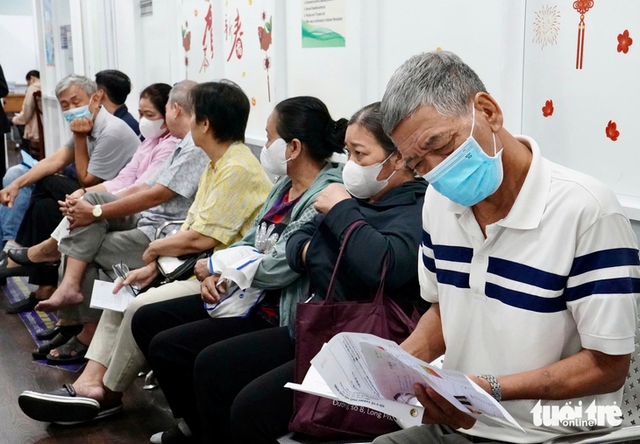
Patients, most of them middle-aged and elderly, visit the Ho Chi Minh City Institute of Traditional Medicine for consultation and treatment. Photo: Xuan Mai / Tuoi Tre
The institute is also building the Ho Chi Minh City Traditional Medicine Research and Application Center at a cost of VND450 billion (US$17.1 million), a city-funded project that focuses on herbal medicine research and production, specialized clinical care, and training traditional medicine professionals.
A 66-year-old patient in Ho Chi Minh City, receiving electroacupuncture treatment for an arm injury while playing sports, said his condition had improved significantly after 10 days of treatment here.
Institute director Ho Van Han said that as the city enters a new stage of development with a population of more than 14 million, growing and increasingly specialized healthcare needs require traditional medicine to be modernized, standardized, and more closely integrated with updated medical practice.
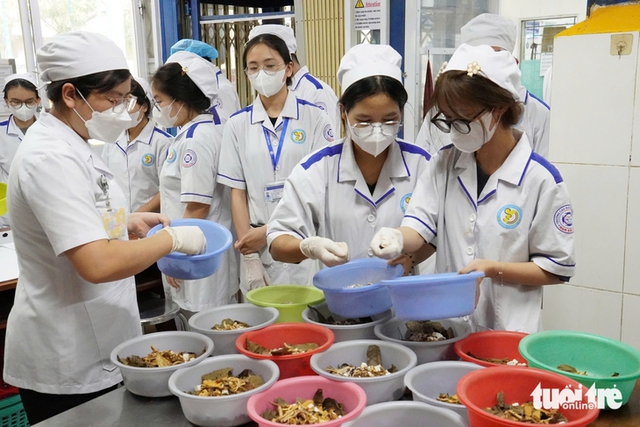
Medical staff at the Ho Chi Minh City Institute of Traditional Medicine provide hands-on training to pharmacy and medical students from a college. Photo: Xuan Mai / Tuoi Tre
According to the Department of Health, the city’s traditional medicine sector will be developed between 2025 and 2030 with a focus on modernization, standardization, and integration, while closely linked to primary healthcare, with patient-centered and sustainable care as its consistent goals.
During a recent meeting with the health minister on traditional medicine, Party General Secretary and State President To Lam said developing traditional medicine does not mean returning to outdated or manual practices, but rather building on Vietnam’s traditional medical heritage, efficiently utilizing modern science and technology as an integral part of the national healthcare system and a resource for the country’s development.
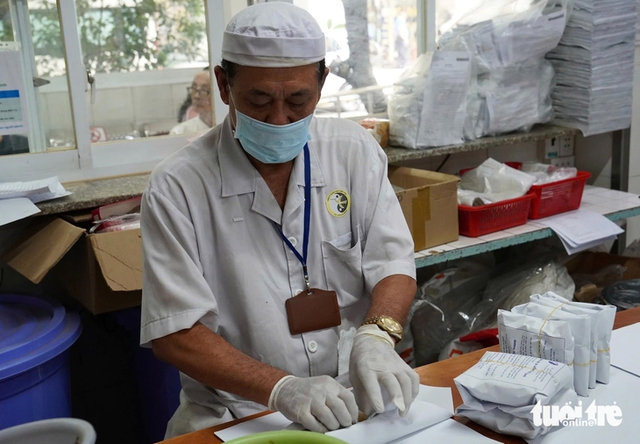
Medical staff weigh, package, and prepare prescribed herbal medicines for patients. Photo: Xuan Mai / Tuoi Tre
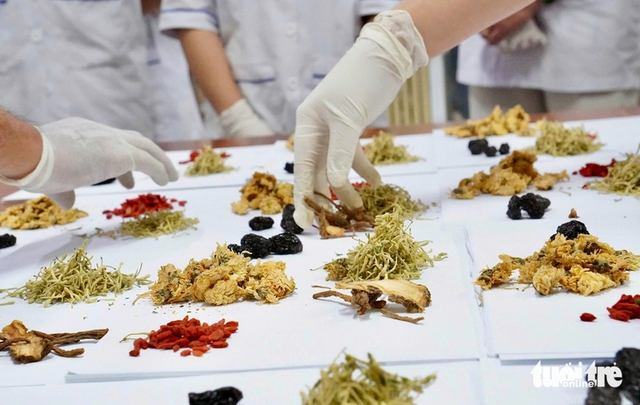
Staff sort medicinal herbs according to prescribed formulas. Photo: Xuan Mai / Tuoi Tre
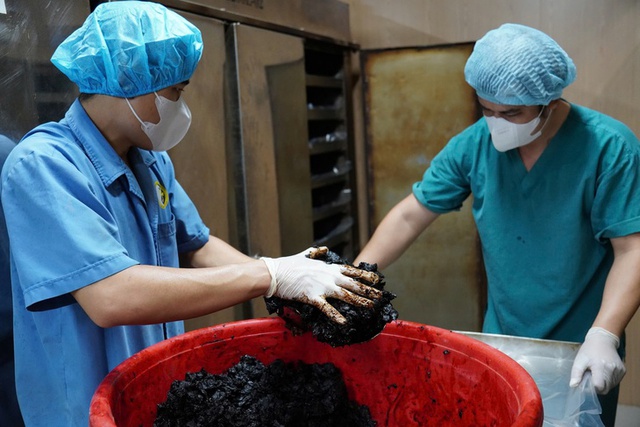
According to the Ministry of Health, Vietnam has abundant natural resources with more than 5,000 medicinal plant species and a traditional medical history spanning thousands of years. In this photo, staff are loading medicinal herbs into drying equipment at the Ho Chi Minh City Institute of Traditional Medicine. Photo: Xuan Mai / Tuoi Tre
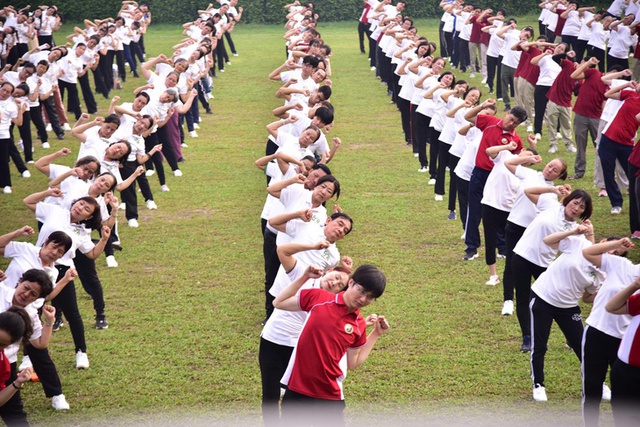
About 2,000 healthcare workers and residents take part in a community wellness exercise event in Ho Chi Minh City featuring movements adapted from the 63-exercise regimen developed by late Minister of Health Nguyen Van Huong, a pioneer of Vietnam’s modern wellness exercise movement. Photo: Tri Duc / Tuoi Tre
Van Giang - Xuan Mai / Tuoi Tre News