
In Vietnam, more young people opt for DINK lifestyle
The DINK lifestyle, an acronym for ‘Dual Income, No Kids,’ is increasingly becoming a notable choice among many young people, particularly in big cities.
Once criticized as selfish or irresponsible, the trend is now openly embraced by numerous young couples who view it as a practical response to mounting economic and social pressures.
One of the most appealing aspects of the DINK lifestyle is the sense of personal empowerment and financial flexibility it offers.
With two stable sources of income and no child-rearing expenses, couples are often able to save more quickly, invest in personal development, pursue higher education, and enjoy a higher standard of living.
This lifestyle is frequently associated with significant spending on travel, entertainment, and personal interests.
Many DINK couples travel internationally, stay at luxury destinations, attend music festivals, dine at upscale restaurants, and indulge in premium leisure experiences.
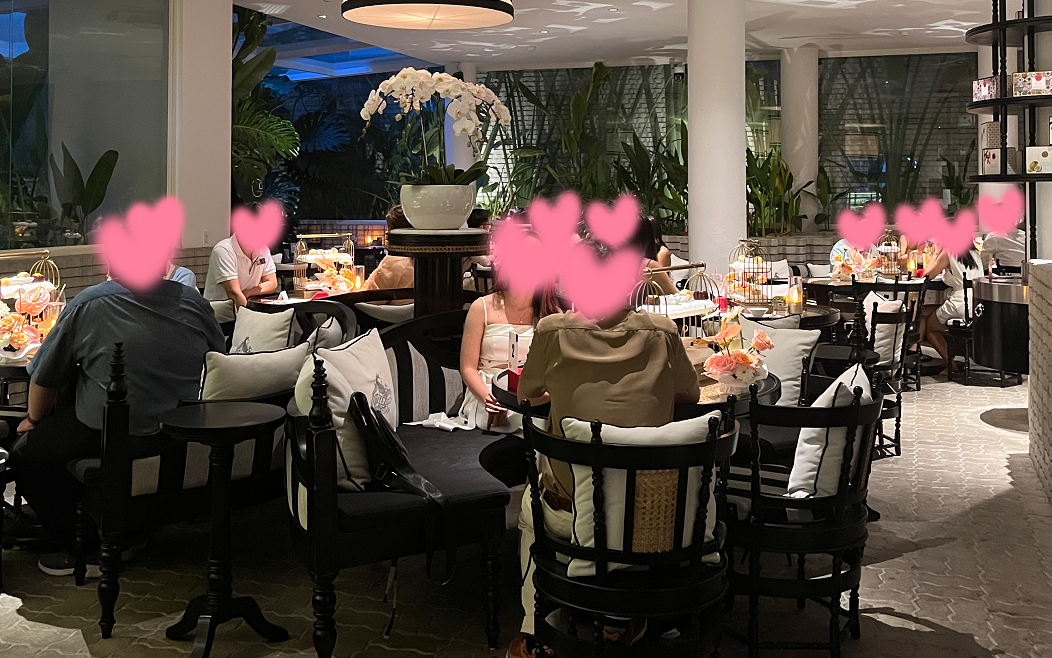
Such pursuits represent a way of fully enjoying life without the responsibilities and financial commitments associated with raising children.
Some openly share their extended vacations, purchases of luxury goods, or experiences caring for pets, which are sometimes viewed as substitutes for parenthood.
The concept has even evolved into DINKWADs – Dual Income, No Kids, With A Dog – reflecting the growing role of pets in many child-free households.
They prioritize their careers and maintain stable marriages without any burden of raising children, a responsibility that has become increasingly expensive due to costs of education, healthcare, and housing.
The DINK lifestyle allows both partners to devote more time to their work and advance their careers more quickly, as they are not required to take extended parental leave, care for sick children, or devote significant time to childcare.
Many see marriage primarily as a partnership based on companionship and shared experiences rather than the traditional goal of building a family with children.
Activities such as cooking together, exercising as a couple, or traveling together are often viewed as sufficient expressions of a fulfilling relationship.
Against a backdrop of rising living costs, soaring housing prices, and intense competition in the labor market, the DINK lifestyle serves as a form of financial protection for many young couples.
It allows them to maintain their desired quality of life while avoiding the economic strain associated with raising children.
More recently, some individuals who have chosen this path have begun preparing for later life by purchasing insurance, investing in healthcare, or providing support to extended family members.
In this sense, DINK is not necessarily a rejection of family values but rather a response to challenging economic realities.
However, the growing popularity of the DINK lifestyle is contributing to declining birth rates.
For example, in Ho Chi Minh City, the fertility rate was estimated at only about 1.42 children per woman between 2023 and 2025, well below the replacement level of 2.1.
This trend is expected to accelerate population aging and could lead to shortages of young workers in the coming decades.
Moreover, the traditional Vietnamese society continues to regard having children and carrying on the family line as an important moral responsibility.
As a result, many DINK couples face criticism from parents and relatives, often leading to tensions and conflicts between generations.
Some point to the possibility of regret later in life. As people age and their health declines, the absence of children may result in reduced family support and companionship.
Others argue that maintaining a long-term marriage without children can present unique challenges.
Some studies suggest that couples without shared long-term goals may face a greater risk of relationship instability.
The rise of DINK reflects profound social and economic changes.
Financial uncertainty, the increasing cost of raising children, female career autonomy, and the influence of Western cultural trends through social media have all contributed to its growth.
The phenomenon illustrates a shift away from traditional family models toward a more individualized understanding of happiness, where personal fulfillment often takes precedence over social expectations.
If the trend continues to expand without corresponding policy measures such as support for affordable housing, education, childcare services, and broader social welfare programs, it could intensify demographic challenges and place additional pressure on long-term social security systems.
Also, the decision to remain child-free may have significant implications for individuals as they grow older.
* This article was originally written in Vietnamese by expert Nguyen Minh Hai.
Tuoi Tre News
Link nội dung: https://news.tuoitre.vn/in-vietnam-more-young-people-opt-for-dink-lifestyle-103260610110607717.htm