
Miraculous recovery: 3-year-old defies vegetative prognosis after near-fatal drowning
A three-year-old boy from Thai Nguyen Province, northern Vietnam has made a remarkable recovery after suffering severe brain damage from a near-fatal drowning accident and facing the prospect of a vegetative state.
On Saturday, images circulated on social media showing little Tran Quang M. taking unsteady steps along a hospital corridor.
Just three months earlier, the child had been lying motionless in a hospital bed, diagnosed with profound brain injury and facing the prospect of a vegetative state.
Twenty minutes underwater
A representative of Hong Ngoc Hospital in Hanoi told Tuoi Tre (Youth) newspaper that the boy is receiving treatment at the hospital.
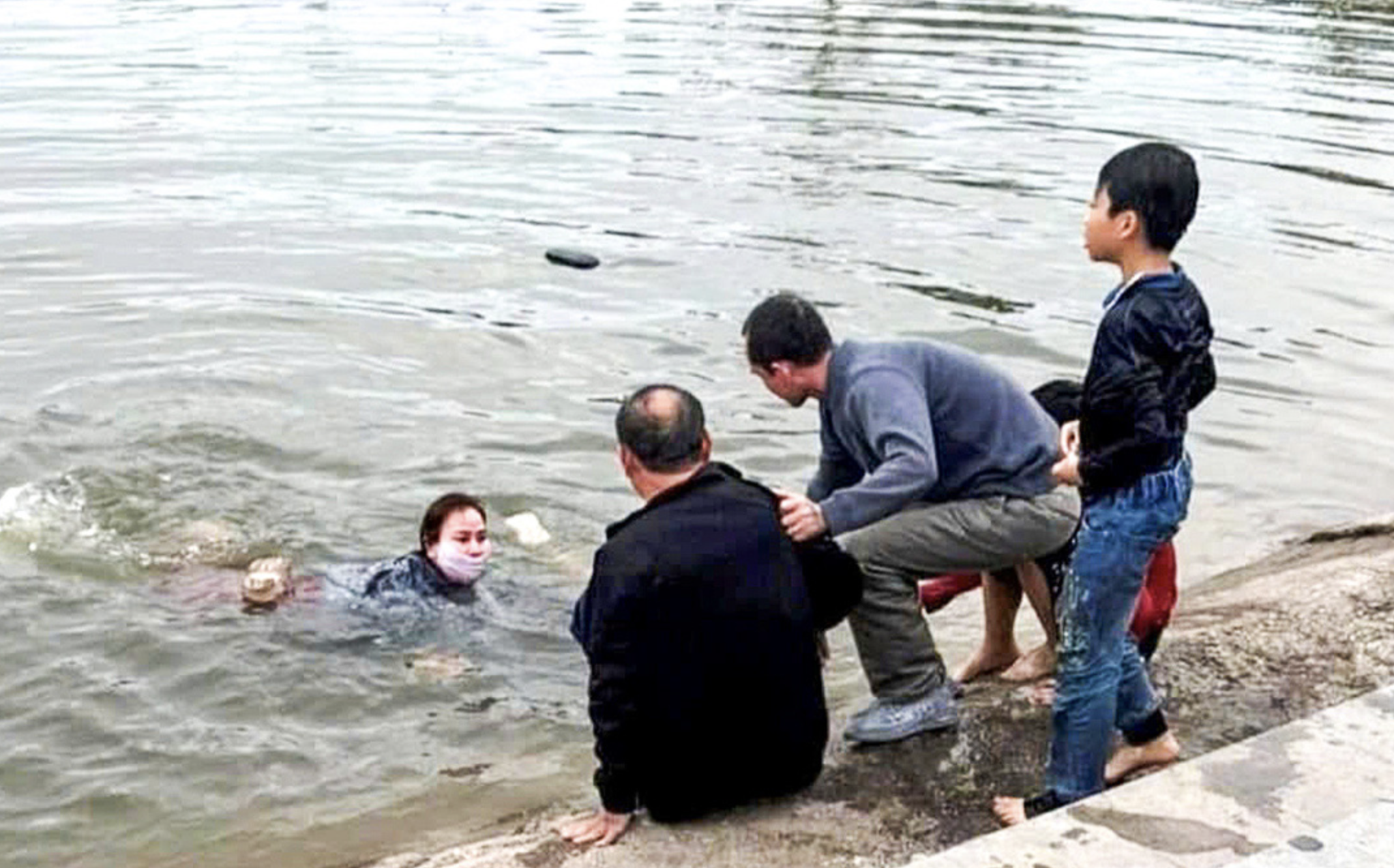
On October 25 last year, the boy accidentally fell into a pond near his home and was submerged for some 20 minutes before being discovered floating face down in the water, his lips blue and skin pale.
Family members performed first aid for 15-20 minutes, but he showed no signs of response.
He was rushed to a hospital for treatment.
At central-level hospitals, doctors diagnosed severe hypoxic brain injury – brain damage caused by oxygen deprivation.
His prognosis was grim, and at one point, the family was counseled about the possibility of withdrawing life support.
Six days later, the child opened his eyes and showed slight leg movements.
However, his neurological condition remained critical.
Though he was eventually weaned off the ventilator and survived the acute phase, he could neither walk nor speak.
He did not cry or respond meaningfully to his surroundings.
Doctors warned of a high risk of cerebral palsy or permanent vegetative state.
On November 18, 2025, the family brought the boy to Hong Ngoc General Hospital.
Upon admission, he exhibited minimal interaction, incomplete paralysis in all four limbs, exaggerated tendon reflexes, loss of gross motor function, and a rigid posture.
He was described as being placed in a position and remaining there without movement.
Medical specialists determined that although the brain injury was severe, a therapeutic ‘window’ still existed.
They opted for an intensive rehabilitation protocol combined with hyperbaric oxygen therapy – a treatment that delivers 100 percent of pure oxygen in a high-pressure chamber to enhance oxygen delivery to damaged tissues and stimulate neural recovery.
Given the family’s difficult financial circumstances in a mountainous region, hospital staff proposed providing treatment free of charge, despite acknowledging that the chances of success were slim.
Milestones of recovery
According to doctors, hyperbaric oxygen therapy increases the amount of dissolved oxygen in the blood, supporting neuronal repair and encouraging the formation of new neural connections.
The approach was administered alongside comprehensive physical rehabilitation.
The child responded positively.
After 10 days, he began reacting to sound.
Following four hyperbaric oxygen sessions, about two weeks into treatment, he could lift his head and upper body for three minutes.
In early January, he was able to sit steadily, briefly release one hand while seated, stand with assistance, express personal needs, and speak more words.
At the end of January, he could stand independently and communicate in longer sentences, nearly matching his pre-accident abilities.
Today, from a child once devoid of reflexes, he recognizes voices, and recalls the names of doctors and nurses, an emotional milestone for the medical team.
Dr. Dinh Van Hao, head of the hospital’s department of physical therapy and rehabilitation, described the case as more than a miracle.
“This is the result of careful research and clinical application,” he said.
While medical literature has documented some successful cases of hyperbaric oxygen therapy in hypoxic brain injury, most have involved adults.
To tailor the treatment for a young child, doctors meticulously calibrated oxygen levels, selecting a pressure of 3 PSI for 45-60 minutes per session, five sessions per week, combined with rehabilitation therapy.
After three months, the boy was walking independently, with cognitive and communication abilities largely restored.
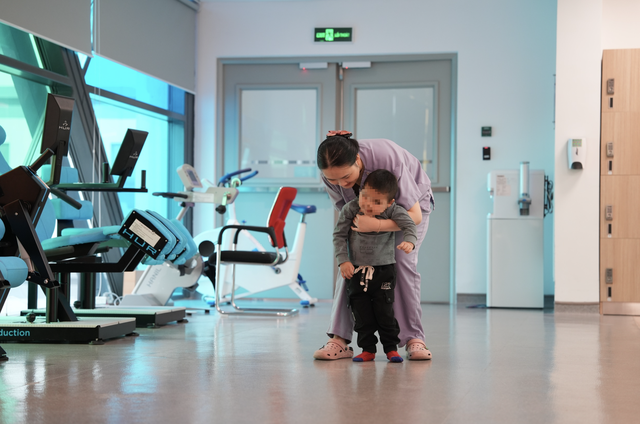
After one and a half months of treatment, the boy, who suffered severe brain damage from a near-fatal drowning accident, practices walking with the support of a physical therapy technician. Photo: Supplied
Family’s relief
Vu Thi Dinh, the child’s grandmother and primary caregiver, called the recovery nothing short of extraordinary.
“Before treatment, he lay still, unresponsive, unable to communicate. We had prepared ourselves for the worst,” she said.
“When we started therapy, we simply hoped for any improvement. But in less than three months, he was walking and laughing again.”
His vision has not yet fully recovered, and doctors caution that further time and monitoring will be necessary, she shared.
Globally, only a handful of comparable recoveries have been recorded.
The case offers renewed hope for children suffering from vegetative states or cerebral palsy caused by oxygen deprivation, potentially opening new pathways in pediatric neurorehabilitation.
Tieu Bac - Duong Lieu / Tuoi Tre News
Link nội dung: https://news.tuoitre.vn/miraculous-recovery-3-year-old-defies-vegetative-prognosis-after-near-fatal-drowning-103260301170849447.htm