
Moving up the value chain: Why deep processing is Vietnam's agricultural lifeline
To escape the trap of high volume and paper-thin margins, Vietnam must stop selling raw harvests and master deep processing, leading agricultural experts and industry leaders urge.
For decades, Vietnamese agriculture has fed the world while leaving its own farmers exposed to the relentless trap of bumper harvests and plunging prices.
Breaking this status quo requires a fundamental shift: moving away from selling raw harvests at bargain rates and embracing deep processing as a survival strategy to secure high value and long-term stability.
Obstacles to agricultural growth
Despite its abundant natural resources, Vietnam's agricultural sector has yet to fully tap its potential to build strong brands in the international market.
For years, the industry has largely focused on selling what it produces, mostly raw commodities, instead of developing the refined, higher-value products the market demands.
This reliance on low-value exports has also made it harder for Vietnamese agricultural brands to establish a stronger position internationally.
Agricultural businesses also face significant domestic hurdles, from difficulties in assembling enough land for large-scale processing facilities to limited access to green financing.
Adding to the strain are Vietnam's high post-harvest logistics costs, which exceed those in many neighboring countries and steadily undermine the competitiveness of its farm products.
Fresh produce cannot wait indefinitely for market demand, and distance only compounds the problem. Without adequate processing technology, product value can decline rapidly the longer it remains in storage.
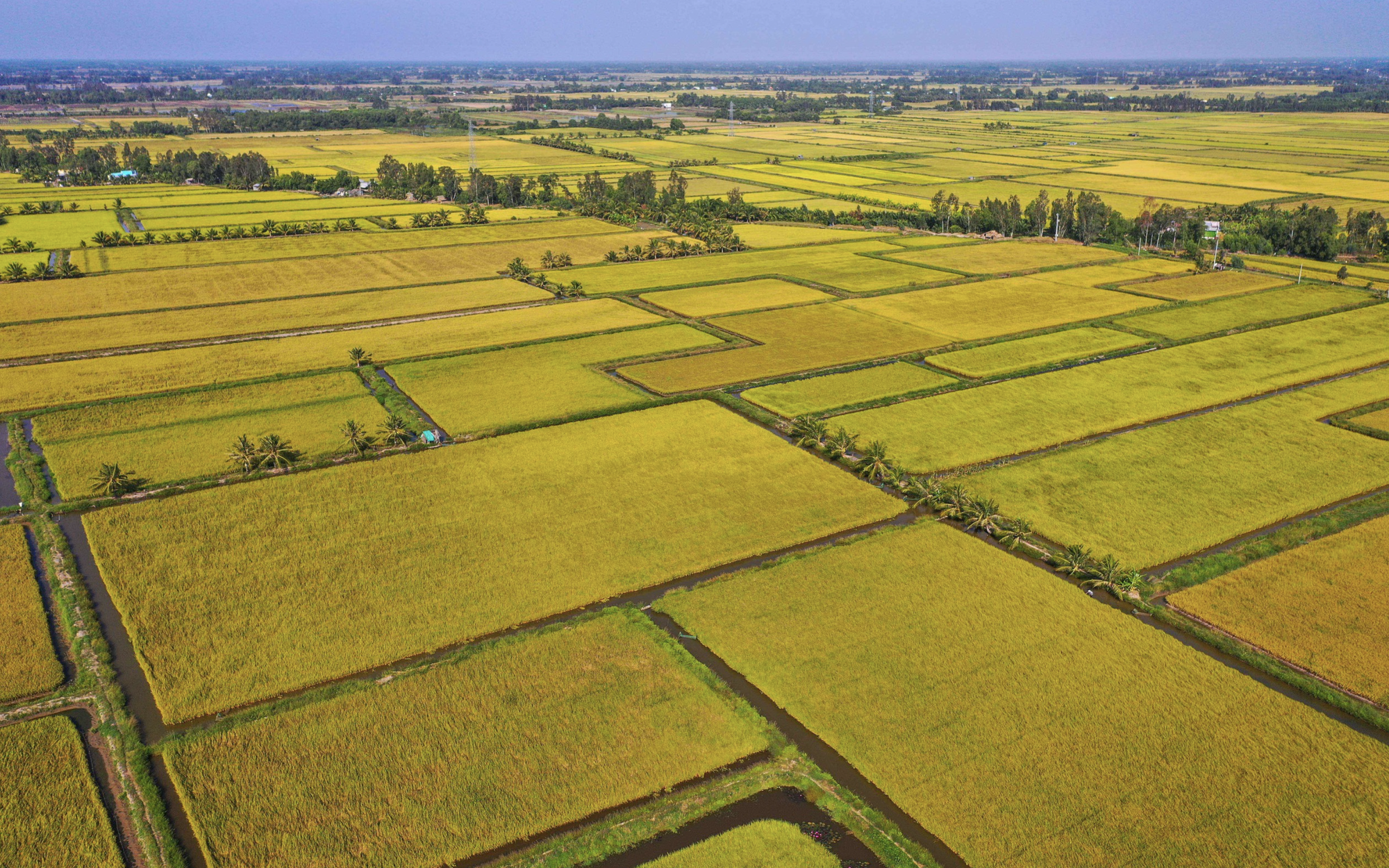
Nguyen Manh Hung, CEO of Nafoods Group, told Tuoi Tre (Youth) online newspaper that factories located near production areas can play a crucial role during disruptions, such as when extreme weather causes crops to ripen simultaneously. By absorbing large volumes quickly, they help prevent waste and keep the supply chain stable.
Instead of watching produce spoil, businesses gain more time and flexibility to align supply with market demand.
Hung therefore stressed that investing in deep processing is ultimately an investment in control over time, shifting from the sale of raw commodities toward the creation of a sustainable value ecosystem that protects farmers' livelihoods and strengthens Vietnam's national brand.
Building an integrated ecosystem for growth
Deep processing is a strategic solution that can help Vietnamese agricultural products overcome two major constraints: distance and time, Hung said.
Modern processing technology not only extends product shelf life and eases logistics pressures but also enables Vietnamese produce to reach premium markets in higher-value forms.
Deep processing acts as a buffer, protecting farmers from market volatility and climate-related risks, he stressed.
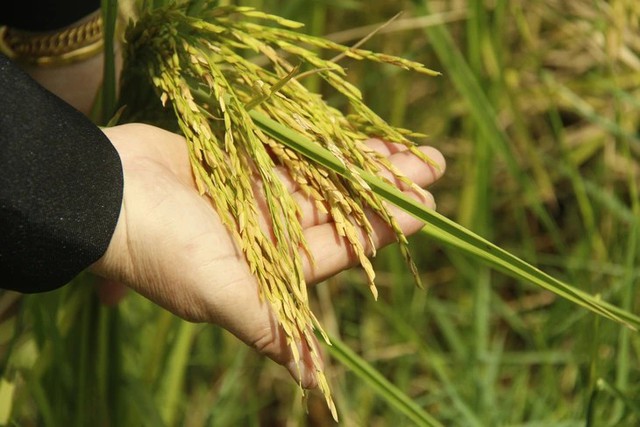
Experts say long-term, low-interest loans are needed to encourage farmers and businesses in Vietnam to invest in farm infrastructure and processing facilities. Photo: Cong Trieu / Tuoi Tre
Ngo Xuan Chinh, director of the Center for Research and Transfer of Agricultural Technical Advances under the Southern Institute of Agricultural Sciences, asserted that strengthening value-chain linkages and connecting production with processing and distribution are vital to modern agriculture.
For deep processing to move beyond isolated projects and become a new engine of growth, Vietnam needs a closely integrated triple-helix ecosystem linking government, businesses, and research institutions.
The government should act as an enabler by removing bottlenecks related to land and infrastructure. Greater investment in logistics, together with more accessible green financing, would give businesses the confidence to invest in new technologies.
Companies should take the lead in technological innovation and develop large-scale production hubs that meet international standards. A shift toward circular agriculture, with greater use of by-products, could improve efficiency while reducing pressure on natural resources.
Researchers also have a crucial role to play by transferring technical advances and applying digital technologies and blockchain to improving transparency and traceability, helping Vietnamese agricultural products meet the world's most demanding standards.
Deep processing is key to reshaping the position of Vietnamese agriculture. When peppercorns and coffee beans are no longer exported as raw commodities but transformed into premium products, farmers can secure more sustainable livelihoods and Vietnam can build a stronger national brand.
Green finance, long-term capital
Access to financing remains a major hurdle for farmers and agricultural businesses.
Although numerous agricultural loan packages have been introduced, meeting the documentation requirements to qualify for credit remains a significant challenge.
Ngo Xuan Chinh therefore urged the government to establish a dedicated credit quota for low-emission agriculture, with preferential interest rates 1.5-2 percentage points below commercial rates.
Loan terms should also be more flexible, extending from 10 to 15 years to match the payback periods of deep-processing projects and sustainable infrastructure.
Ngoc Nguyen - Cong Trieu / Tuoi Tre News
Link nội dung: https://news.tuoitre.vn/moving-up-the-value-chain-why-deep-processing-is-vietnams-agricultural-lifeline-103260728150825121.htm