
Salmonella linked to ‘banh mi’ poisoning that caused 108 to be hospitalized in Vung Tau
The Ho Chi Minh City Department of Health has identified salmonella as the likely cause of a mass food poisoning incident that sent 108 people to hospitals after they ate ‘banh mi’ from a shop on Do Chieu Street in Vung Tau Ward in early March.
Preliminary laboratory results showed that 28 of 51 stool samples, equivalent to 54.9 percent, tested positive for salmonella.
Medical experts note that the bacterium is a common cause of foodborne gastrointestinal infections.
Salmonella, a foodborne pathogen, is commonly transmitted through contaminated food such as eggs, milk, meat and raw vegetables, and can cause diarrhea, fever, and abdominal pain.
The bacteria may lead to severe complications in children or the elderly.
As of March 6, hospitals in the city had received a total of 108 patients suffering from typical gastrointestinal symptoms, including abdominal pain, diarrhea, vomiting and, in some cases, high fever, the department said on Monday.
Among them, as many as 104 were admitted to Vung Tau General Hospital.
Thanks to prompt emergency response procedures and treatment following standard medical protocols, many patients have already recovered and been discharged.
All the 92 patients who had been hospitalized for inpatient treatment are now in stable condition.
No severe or life-threatening cases have been reported.
Other patients treated at other facilities, including Ba Ria General Hospital, Khanh Hoi General Hospital, and 115 People’s Hospital, have also passed the most critical stage and are recovering.
Identifying the pathogen early enabled hospitals to coordinate a unified treatment strategy, focusing primarily on rehydration, electrolyte replacement, and close monitoring for signs of dehydration.
On March 3, Vung Tau General Hospital received and treated multiple patients admitted with symptoms of abdominal pain and nausea after eating banh mi.
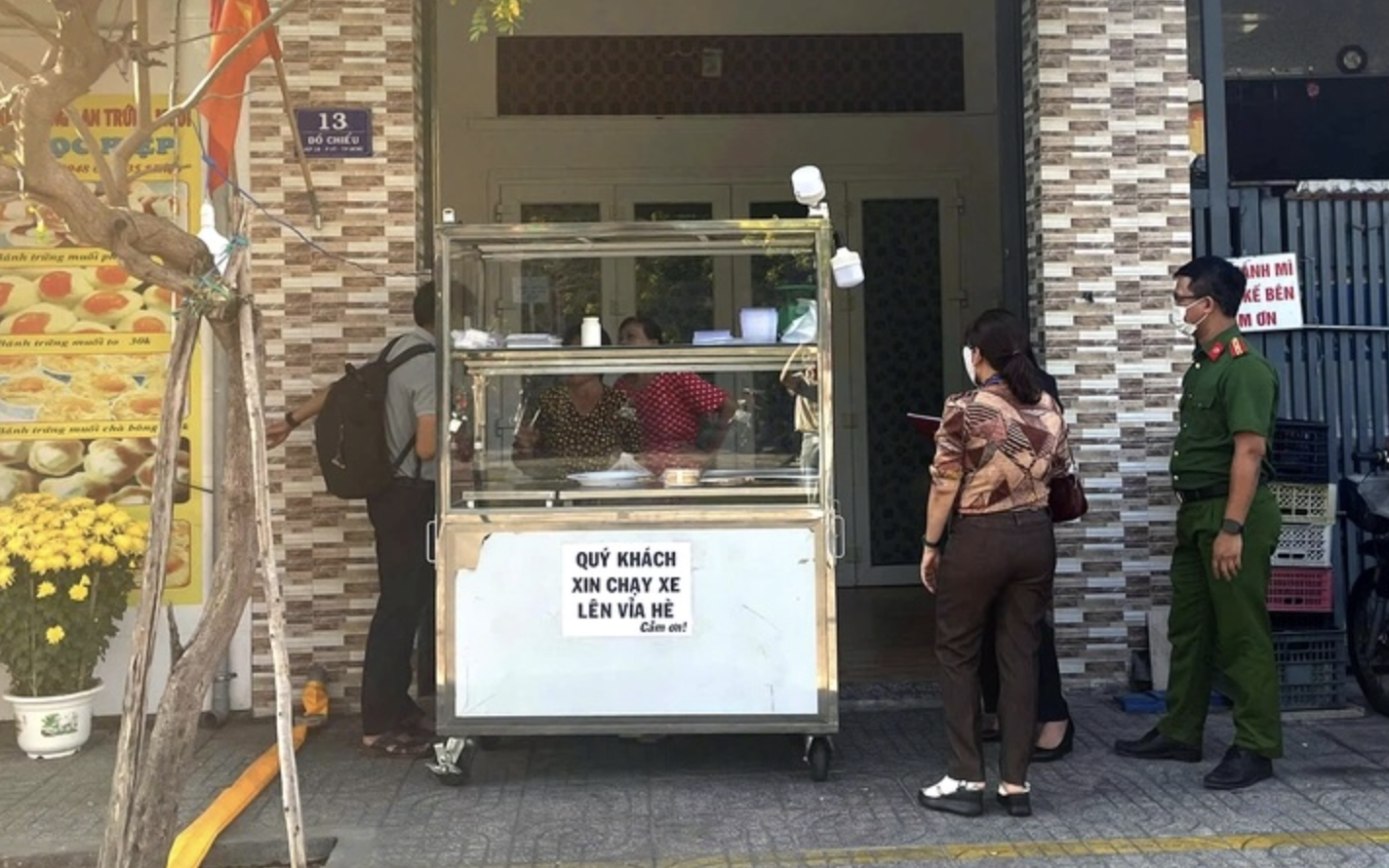
These patients said that they bought and ate banh mi from the same shop at 13 Do Chieu Street on the evening of March 2.
Late on March 3, authorities from the Vung Tau Ward People’s Committee conducted an inspection of an unnamed banh mi stall on Do Chieu Street after multiple customers who had eaten there were hospitalized with suspected food poisoning.
At the time of the inspection, staff were preparing to set up the stall for sale.
Officials noted that the location served as a sales point, while food preparation took place elsewhere.
At the processing site on Trieu Viet Vuong Street, the owner presented business licenses, food safety certificates, and health check documents.
However, the owner failed to provide proof of origin for several raw ingredients.
Staff said about 170 loaves of banh mi were sold on March 2, with only stored food samples remaining.
Rapid tests on the samples showed no banned preservatives such as formaldehyde or borax.
Authorities then ordered the shop to halt operations until official results are released.
Doctors’ advice for suspected food poisoning
Doctors issued several recommendations to the public in the event of suspected food poisoning.
Patients should avoid self-medicating, particularly with anti-diarrheal drugs or antibiotics, without medical advice.
Individuals experiencing persistent vomiting or diarrhea, especially children, the elderly, or those with underlying health conditions, are urged to seek medical care as soon as possible.
Health professionals stress that most cases respond well to fluid and electrolyte replacement, allowing the illness to resolve naturally and recovery to occur quickly.
Tieu Bac - Thu Hien / Tuoi Tre News
Link nội dung: https://news.tuoitre.vn/salmonella-linked-to-banh-mi-poisoning-that-caused-108-to-be-hospitalized-in-vung-tau-103260310131537644.htm