
Slow down to discover why we love Ho Chi Minh City
Amid the skyscrapers, crowded streets, and restless pace of daily life, Ho Chi Minh City has another side: narrow alleyways, long-standing eateries, old neighborhoods, and stories of human kindness that reveal what makes the city so lovable when we slow down.
The city changes every day, yet many familiar ways of life remain.
Narrow alleys, decades-old food stalls, and old neighborhoods continue to exist alongside new buildings and modern developments.
For those looking to discover a different Ho Chi Minh City beyond its major thoroughfares, the journey can begin in the alleys.
Only a few meters wide, these lanes weave between rows of closely packed houses.
Inside, there are rice eateries, repair shops, grocery stores, cafés, and homes that have been passed down through generations.
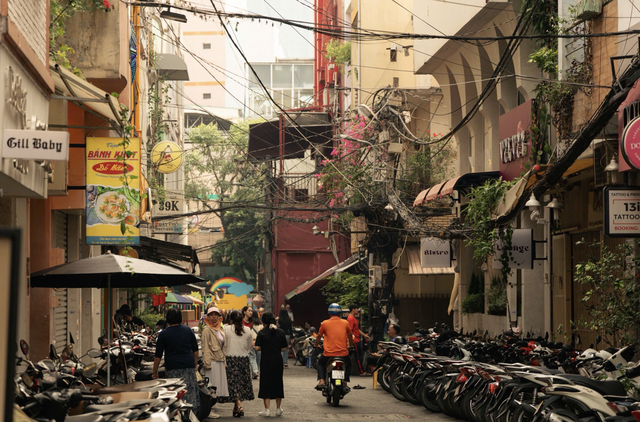
A narrow alley is lined with eateries and houses in Ho Chi Minh City. Photo: Do Dat
Every alley has its own character.
Some still preserve old houses, while others have become home to cafés popular with younger residents.
Some are known for a food stall that has been serving customers for decades.
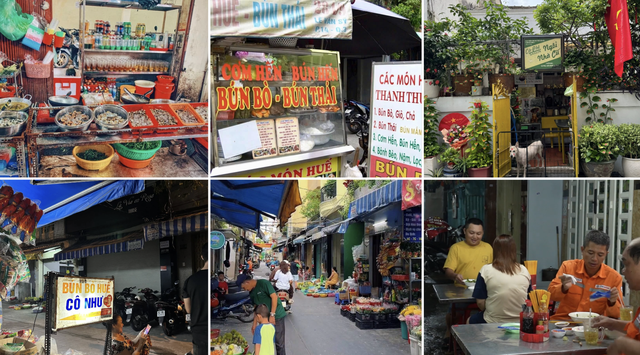
A wide variety of food and drink stalls can be found throughout the alleys of Ho Chi Minh City. Photo: Do Dat
Many young people choose to ride slowly through these smaller streets, looking for a place to eat, a café to sit in or simply a chance to observe everyday life unfolding in the neighborhood.
Some places never make it onto lists of famous attractions, yet they stay in people's memories because of a particular dish, an old house or the story of the person behind the counter.
Nguyen Minh Khoi, 27, a resident of Xuan Hoa Ward, said he prefers riding into the city's alleys to sticking to the main roads.
“There are food stalls and cafés that are difficult to discover unless you go deep into the alleys,” Khoi said.
“Sometimes I pass an alley that looks interesting, ride in to take a look, and end up discovering another great place.”
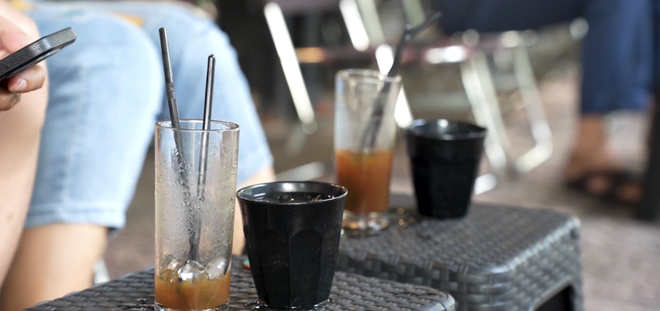
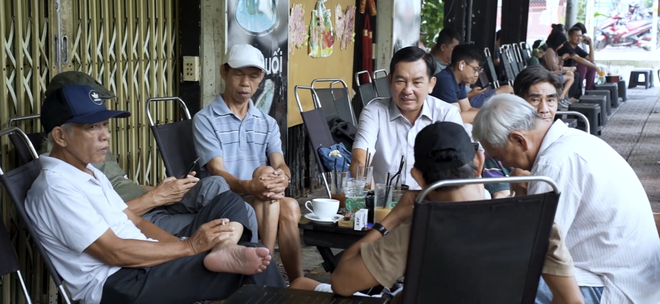
A morning coffee scene in Ho Chi Minh City. Photo: Do Dat
Venturing into an alley is also a way to feel the city slow down.
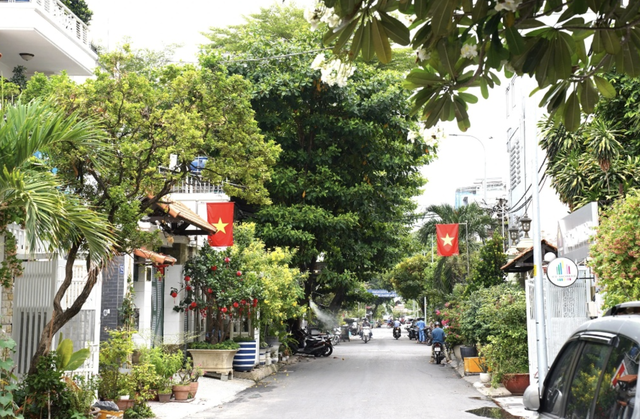
A peaceful pace of life in an old residential area in Ho Chi Minh City. Photo: Do Dat
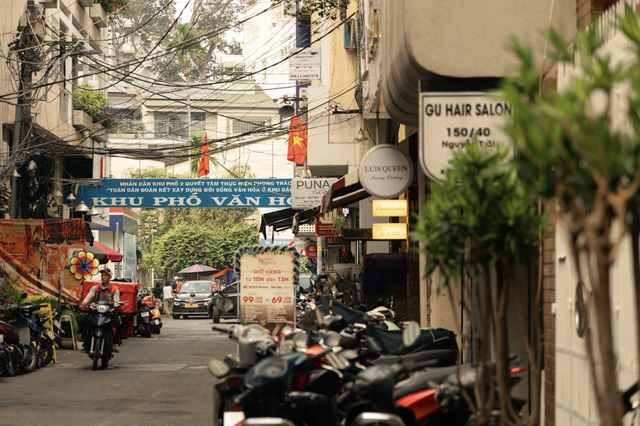
A familiar slice of everyday life in a Ho Chi Minh City alley. Photo: Do Dat
The busy streets outside continue to surge with traffic, while inside, life feels more intimate: neighbors calling to one another, families sitting in front of their homes, and vendors preparing their stalls for the evening.
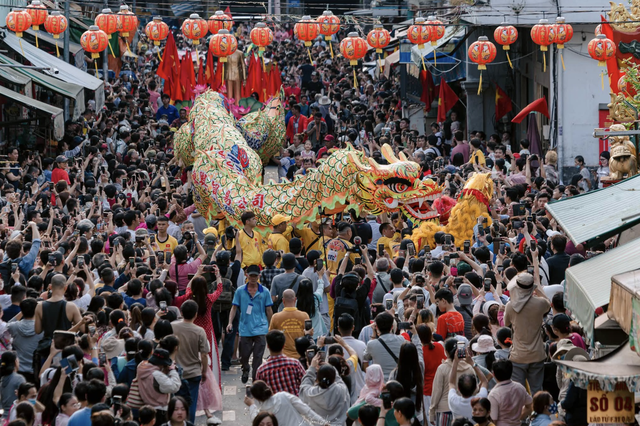
The cultural beauty of the Lantern Festival, or Tet Nguyen Tieu, of the Chinese-Vietnamese community in Ho Chi Minh City. Photo: Le Van Hau
A dish can reveal a layer of culture
In Ho Chi Minh City, eating is an experience that stretches from early morning until late at night.
Breakfast might be banh mi (a Vietnamese baguette filled with paste, cold cuts, herbs, cucumber, chili sauce, and pickles), hu tieu (stretchy rice noodles) or com tam (broken rice).
At lunchtime, there are rice dishes, noodles, and vermicelli.
By afternoon, street snacks begin drawing crowds.
After dark, seafood stalls, sweet soup vendors, casual eateries, and food carts continue serving customers.
In some parts of the city, the later it gets, the busier the streets become.
Cho Lon is one such place.
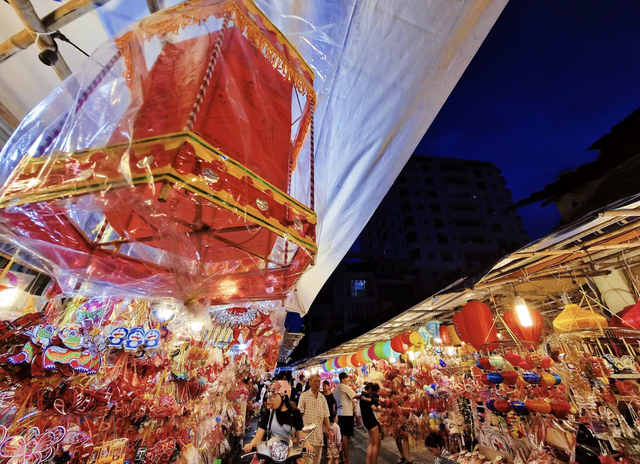
The Luong Nhu Hoc lantern street comes alive with vibrant colors every Mid-Autumn Festival. Photo: The Hien
For many people, the former District 5's Chinatown evokes old houses, long-established eateries, signs bearing the cultural imprint of the Hoa ethnic group, and dishes passed down through generations.
A trip to the Cho Lon area may begin simply with the search for a particular dish.
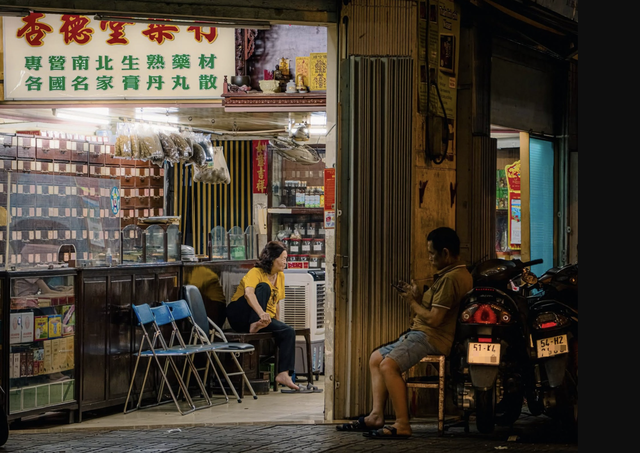
A simple, everyday scene at a local eatery. Photo: Nam Lang Thang
But if visitors take their time, they will also notice streets lined with old houses, brightly lit food stalls, the sounds of buying and selling, and people who have spent much of their lives in the neighborhood.
Young people are drawn to Cho Lon for its distinctive character in the heart of the city.
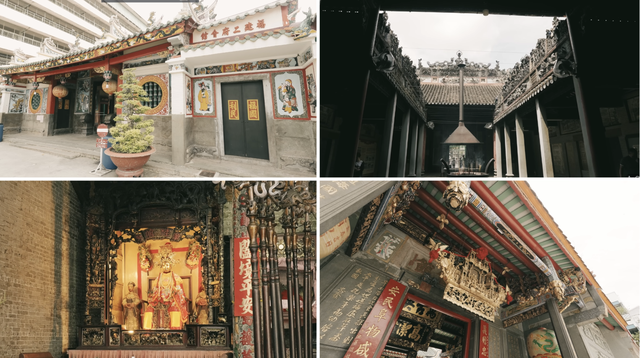
A glimpse of Chinese architecture and religious traditions at pagodas in Cho Lon. Photo: Do Dat
An outing might begin with coffee and local specialties, continue with a visit to a pagoda, and end with dinner at a neighborhood eatery.
Tran Ngoc Anh, 25, who works in Binh Tri Dong Ward, said every part of the city has its own familiar dishes and favorite places.
“You can find almost anything you want to eat here. The important thing is knowing which area has the food you like,” Anh said.
For young people, exploring the city can sometimes be as simple as trying a new dish, returning to an old favorite or visiting a neighborhood they have never seen before.
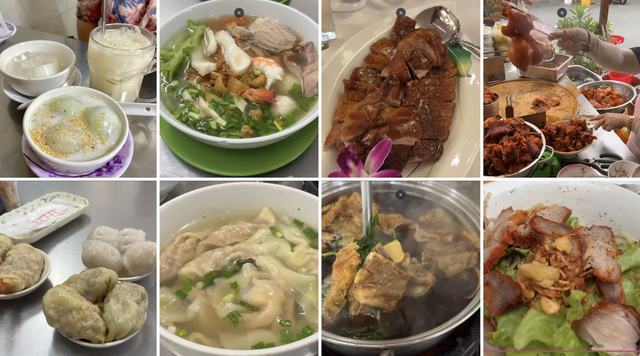
Various dishes make Ho Chi Minh City more attractive to visitors. Photo: Do Dat
Where the old meet the new
In the southern metropolis, the old and the new are often found side by side.
Long-standing homes, family-run eateries, and traditional markets continue to exist amid skyscrapers, shopping malls, and newly developed urban areas.
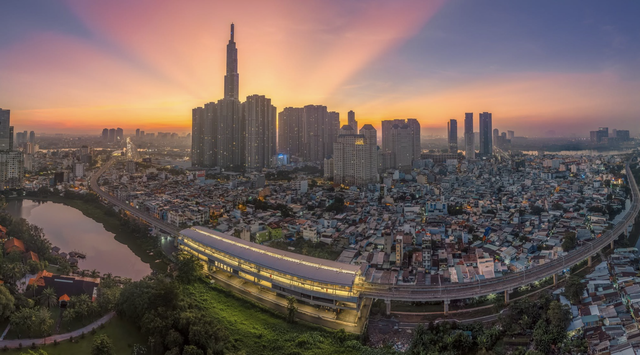
Old houses stand alongside new developments in downtown Ho Chi Minh City. Photo: Le Anh Tuan
In the city center, familiar landmarks such as Ben Thanh Market, the Municipal Theater, and the Saigon Central Post Office stand among high-rise buildings, luxury hotels, and shopping centers.
New neighborhoods have emerged alongside old markets, long-established eateries, and homes that have been occupied by several generations.
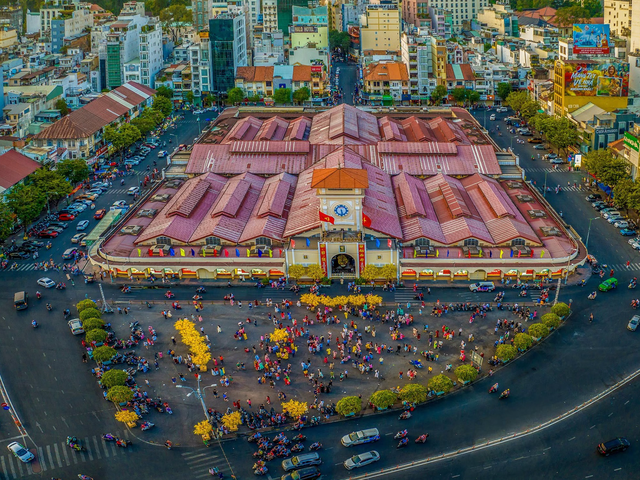
A civilized, modern and compassionate Ho Chi Minh City. Photo: Nguyen Trang Kim Cuong
Human kindness at the heart of the city
For Luong Thi Nhi, the owner of a pomelo sweet soup shop in Go Vap, the city has shown her the meaning of human kindness.
About a decade ago, her son, Le Quang Thac, was diagnosed with lissencephaly, leaving Nhi and her family in crisis.
She and her husband put many things aside to care for their son and help him through his physical therapy.
Her pomelo sweet soup shop was born from that journey.
When Thac was three, he unexpectedly stood up and took his first steps after his parents had spent a long time helping him learn to walk.
Overwhelmed with happiness, his parents cooked a large pot of sweet soup and gave it away for free for three days, sharing their joy and thanking those who had supported them.
Thac is now 10.
Throughout the family's journey, they have received love and encouragement from customers and from people who learned about his story.
Some customers have returned to the shop, while others have brought their children to visit.
These small gestures have become a source of strength for the family to keep going.
‘Human kindness’ is what Nhi remembers most when she talks about Ho Chi Minh City.
Tieu Bac - Do Dat / Tuoi Tre News
Link nội dung: https://news.tuoitre.vn/slow-down-to-discover-why-we-love-ho-chi-minh-city-103260913160326308.htm