
This whole-fish pancake in Vietnam's Hue may look unusual, but it's tasty in every bite
Every summer, when white-spotted spinefoot come into season in the Tam Giang Lagoon, Chuon Village in Hue, central Vietnam, fills with the aroma of sizzling 'banh khoai ca kinh.'
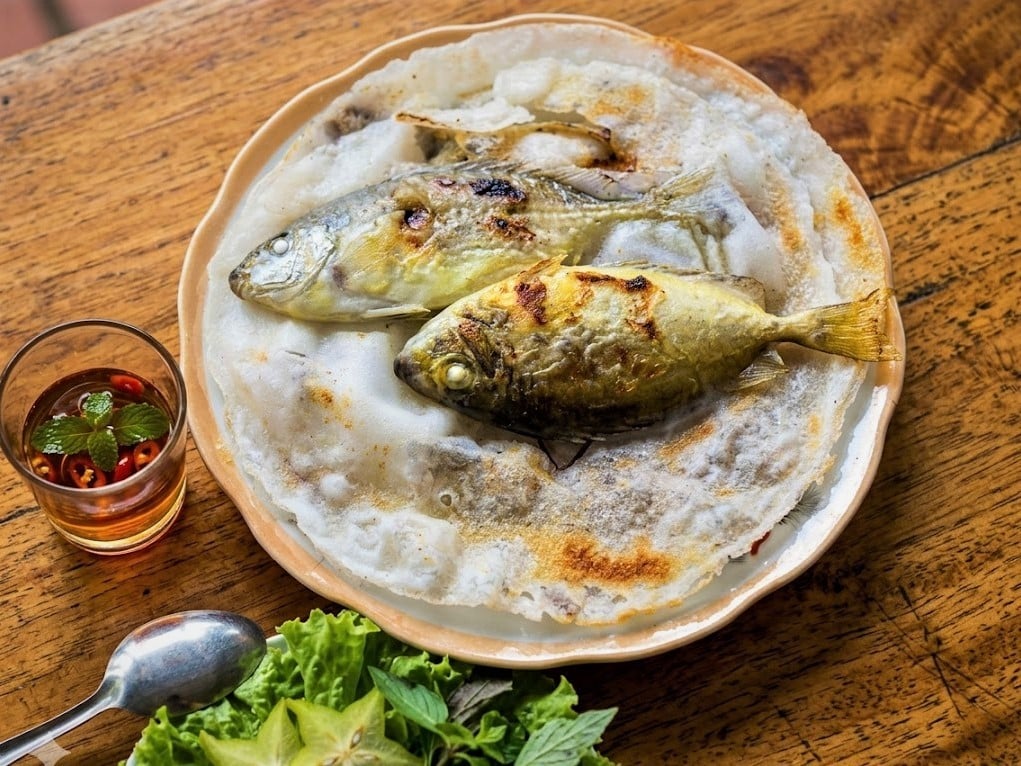
'Banh khoai ca kinh,' or crispy white-spotted spinefoot pancakes, a beloved local specialty in Hue City, central Vietnam. Photo: Tien Sa
Made with ca kinh (white-spotted spinefoot), spicy fish sauce, and a distinctive local recipe, the dish has become one of the culinary signatures of the lagoon area.
Summer's finest fish
Chuon Village, located in An Truyen, now part of Hue's My Thuong Ward, lies about 10-12 kilometers from the city center on the shores of Chuon Lagoon, one of the most picturesque sections of the Tam Giang Lagoon.
Across the vast brackish waters of the lagoon, small fishing boats begin returning at dawn.
Fishermen busily remove the fish from their nets, sort the catch, and bring it to markets, traders, and eateries around Chuon Village.
White-spotted spinefoot, a brackish-water species native to the Tam Giang Lagoon, are small, with flattened bodies and dark silvery skin when fresh.
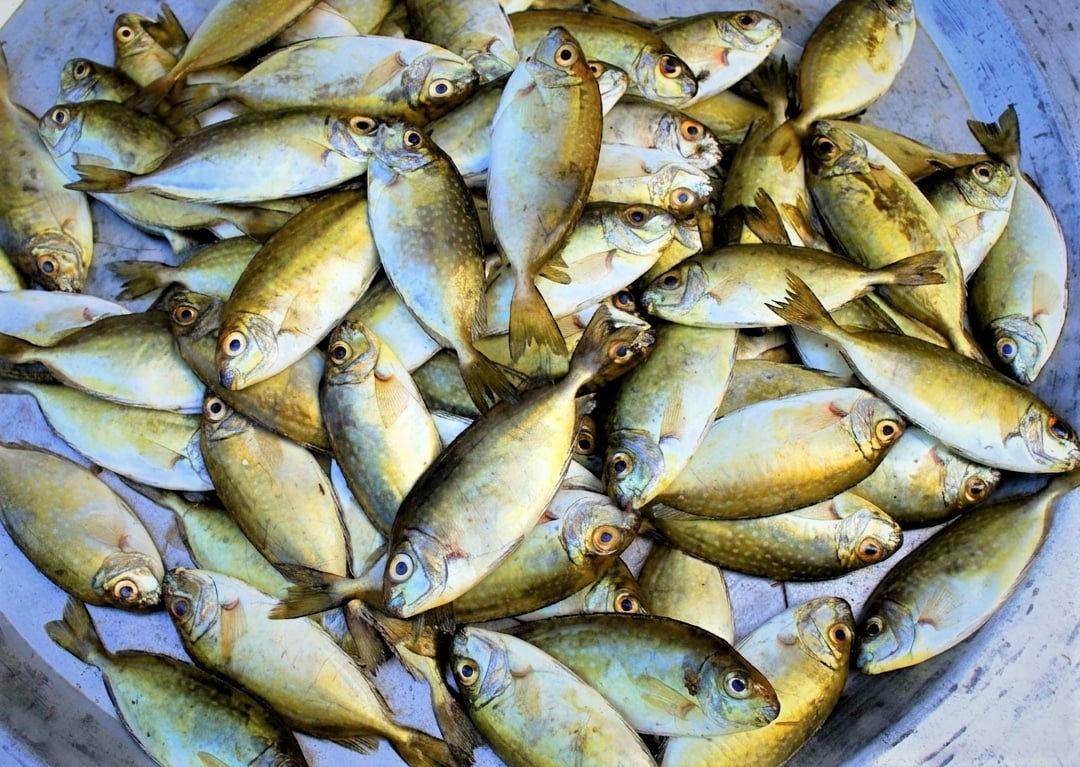
Freshly caught white-spotted spinefoot from the Tam Giang Lagoon. Photo: Tien Sa
Despite their modest size, they are prized for their fragrant flesh, rich flavor, and soft bones.
For generations, residents of the lagoon region have regarded white-spotted spinefoot as one of the most delicious fish of the summer season.
In the past, the fish was offered to emperors, giving it a special place in Hue's culinary heritage.
Locals prepare the fish in many ways, including porridge, sour soup, and turmeric braises.
Yet the most distinctive and celebrated dish remains Chuon Village’s banh khoai ca kinh (white-spotted spinefoot pancakes), with a flavor and character all its own.
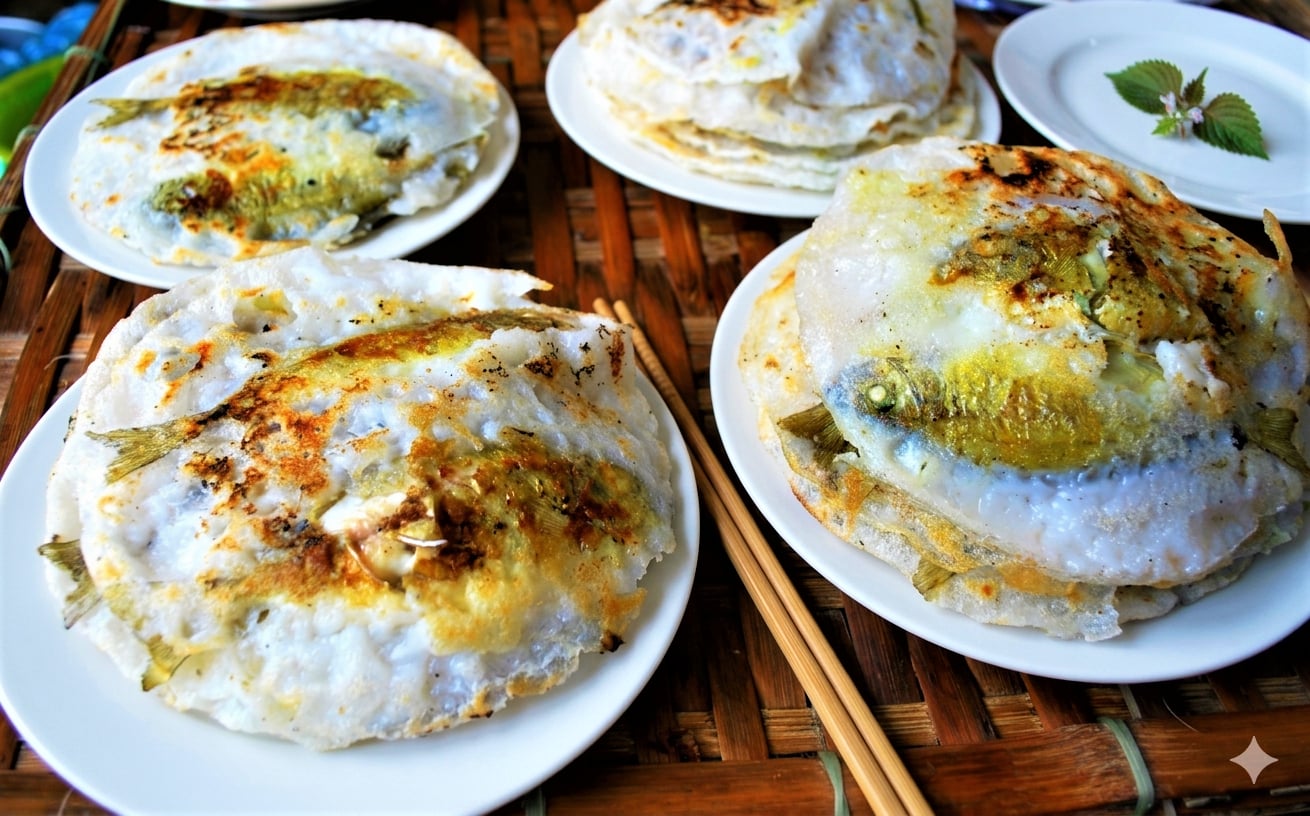
White-spotted spinefoot pancakes are a signature dish of the Chuon Lagoon area within the Tam Giang Lagoon system in Hue, central Vietnam. Photo: Tien Sa
Unique from ingredients to preparation
Although the ingredients appear simple, preparing the pancake requires considerable care.
Making a good white-spotted spinefoot pancake begins with selecting exceptionally fresh fish.
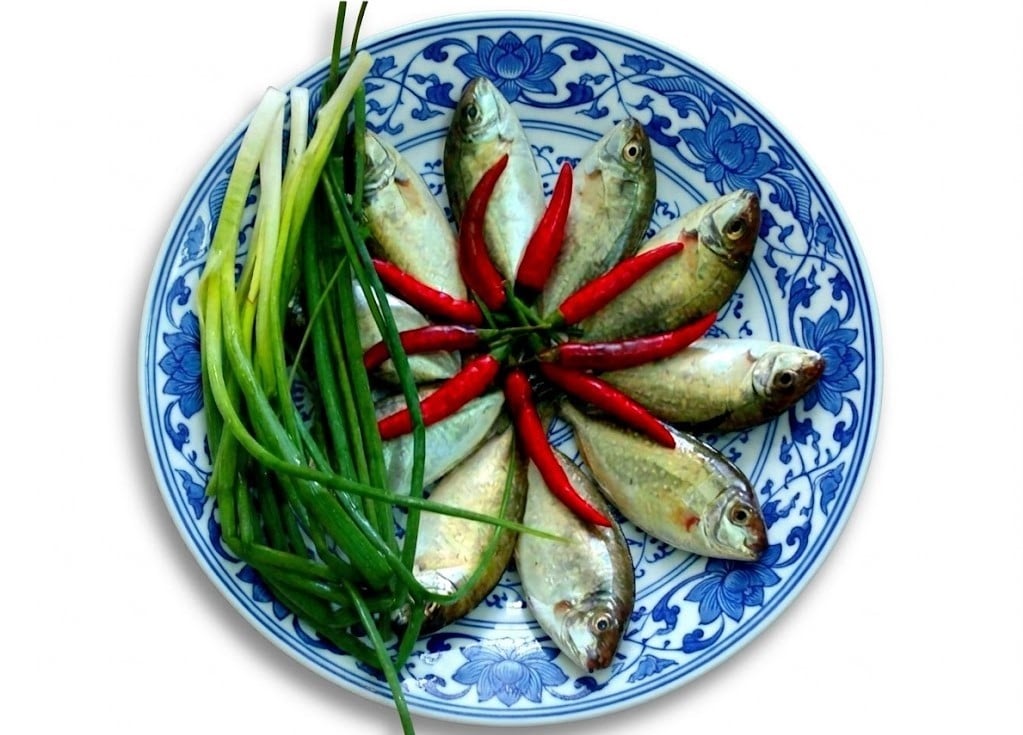
Fresh white-spotted spinefoot. Photo: Tien Sa
Residents of Chuon Village typically buy their fish at dawn from landing sites along the lagoon.
Freshly caught fish have firm flesh and a dark brown-black sheen on their skin. As the fish age, their skin turns silvery white or yellowish, and the quality of the meat declines.
The batter is made from locally grown rice. The rice is washed, soaked, and traditionally ground using a stone mill to preserve its aroma.
Achieving the right consistency is essential. If the batter is too thin, the pancake will be soft; if too thick, it will become tough.
A small amount of turmeric is added to give the batter its vibrant golden color, while scallions, pepper, and seasonings enhance its fragrance.
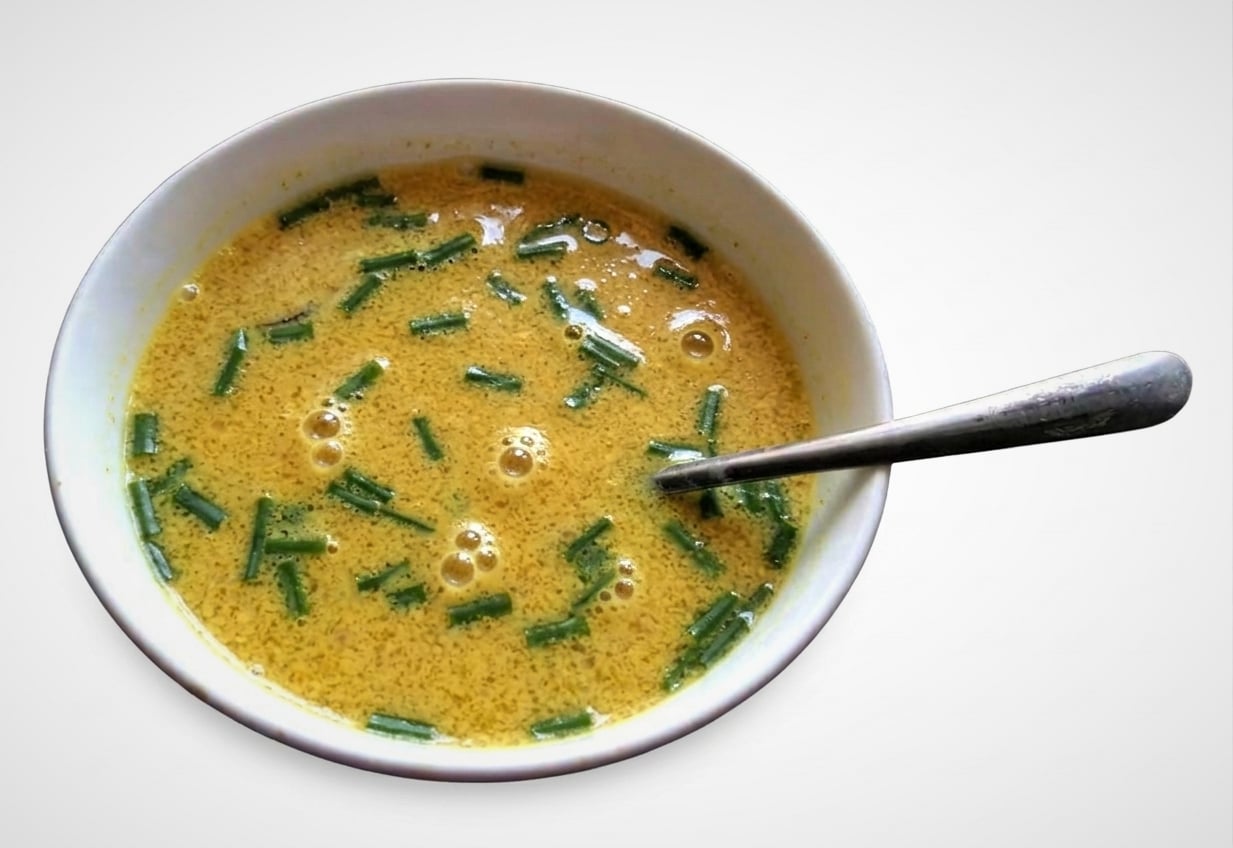
Rice batter is colored bright yellow with turmeric. Photo: Tien Sa
In the past, banh khoai ca kinh were cooked entirely over charcoal stoves. Today, many vendors use gas burners for convenience.
Even so, many locals still prefer charcoal-fired pancakes, believing they stay crisp longer and develop a richer aroma.
Once the pan is hot, the cook brushes it with peanut oil or pork fat before quickly pouring in the batter.
The familiar sizzling sound signals the moment when whole white-spotted spinefoot are laid directly on top of the pancake.
Depending on the size of the fish, some vendors use one fish while others add two or three.
What makes the dish particularly distinctive is that the fish are left whole rather than filleted.
The sight often surprises first-time visitors. Yet once they take a bite, they discover the appeal.
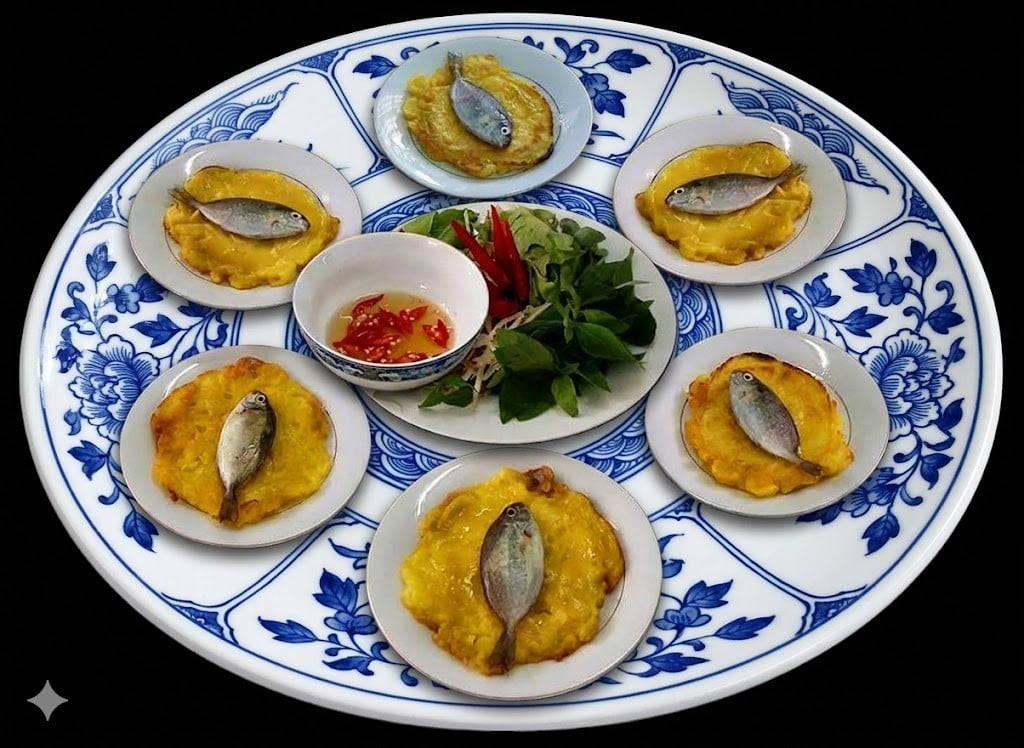
A large platter featuring six pancakes, six white-spotted spinefoot, and a bowl of dipping sauce. Photo: Tien Sa
The flesh is naturally sweet, and the innards contribute a subtle richness with a faint bitterness that gives the dish its unmistakable character.
The cook must carefully control the heat to ensure the pancake turns golden and crispy without burning.
Within minutes, the hot pancake releases the enticing aromas of fresh fish, rice batter, and peanut oil.
At Chuon Village Market, visitors can even buy their preferred white-spotted spinefoot and ask local women to cook the pancakes to order for a modest fee, adding an interactive touch to the dining experience.
A distinctly Hue flavor
Banh khoai ca kinh are best enjoyed while still hot and crispy.
They are typically served with fresh vegetables such as lettuce, herbs, young mustard greens, bean sprouts, and thinly sliced banana blossoms.
The soul of the dish, however, lies in its fiery dipping sauce.
Many eateries in Chuon Village use pure Thuan An fish sauce or mam ruoc pha, a Hue-style blend made with fermented acetes paste.
A few bright red bird's-eye chilies are added to the bowl, creating the tongue-tingling heat that is characteristic of Hue cuisine.
People in Hue tend to savor the dish slowly.
With each bite of crispy pancake, diners can taste the sweetness of the fish and its soft bones, the richness of the innards, and the aroma of fresh rice batter.
The fresh vegetables balance the dish, while the spicy dipping sauce adds depth and intensity to the flavors.
Despite its reputation, white-spotted spinefoot pancakes in Chuon Village remain an affordable local specialty.
A serving typically costs between VND20,000 and VND50,000 (US$0.76-1.90), depending on the vendor and the number of fish used.
During the white-spotted spinefoot season, eateries around Chuon Village Market are often packed with customers from morning until evening.
Every summer, the sight of small roadside eateries shrouded in charcoal smoke, accompanied by the sound of batter sizzling on hot pans, becomes a familiar scene in the village.
- REFERENCE MORE
Tien Sa - Dong Nguyen / Tuoi Tre news
Link nội dung: https://news.tuoitre.vn/this-whole-fish-pancake-in-vietnams-hue-may-look-unusual-but-its-tasty-in-every-bite-103260612230150324.htm