
Vietnam among 13 countries maintaining energy stability amid global shocks
Vietnam is among just 13 of 177 countries surveyed that maintained energy stability amid global disruptions, while 102 countries, or 57.6 percent, faced energy challenges as of November 9, 2026.
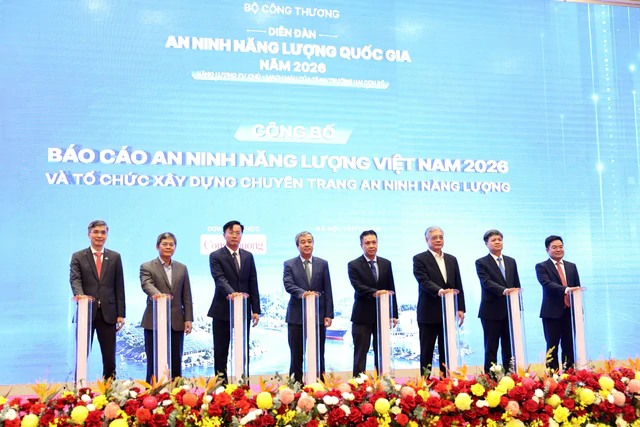
The Vietnam National Energy Security Report 2026 is released. Photo: Ministry of Industry and Trade
The figures were released by the Ministry of Industry and Trade at the National Energy Security Forum on Tuesday, as Vietnam looks to secure energy supplies to support its ambitious economic growth targets.
The forum also saw the release of the Vietnam National Energy Security Report 2026, which described this year as the most challenging for the country's energy system in decades.
Biggest energy shock in decades
Speaking at the forum, Deputy Minister of Industry and Trade Nguyen Viet Son said energy security must go beyond ensuring sufficient supplies to building a system that is safe, stable, self-reliant, and sustainable.
With Vietnam targeting average annual GDP growth of at least 10 percent during 2026-30, energy development must stay ahead of demand, he said.
The challenge has become particularly pressing this year.
According to the report, the Strait of Hormuz was blocked for about six months, sending Brent crude oil prices as high as US$118.35 per barrel.
Record-breaking heat and El Niño conditions drove electricity demand to unprecedented levels, while hydropower output fell by some 18.5 billion kWh compared with 2025.
“Of the 177 countries surveyed, 102, or 57.6 percent, faced energy difficulties as of November 9, 2026. Only 13, including Vietnam, maintained stability,” Son said.
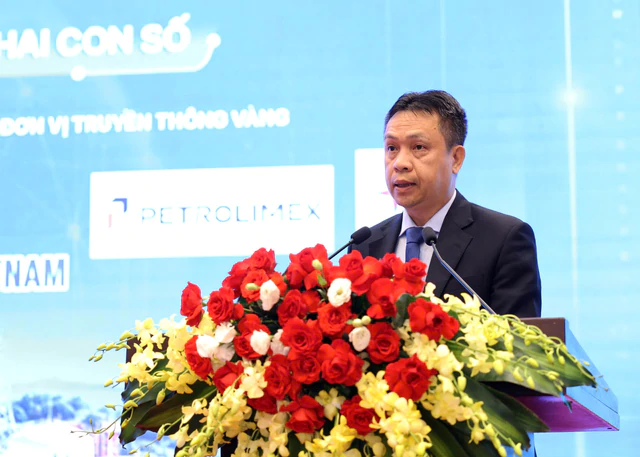
Deputy Minister of Industry and Trade Nguyen Viet Son. Photo: Ministry of Industry and Trade
He attributed Vietnam's resilience to coordinated efforts by authorities and businesses, alongside progress in removing regulatory bottlenecks, which helped the country achieve three key results.
First, despite three extreme heatwaves, Vietnam avoided rotating power cuts, even as peak electricity demand hit a record 57,537 MW on June 24.
Electricity generation and imports rose 9.4 percent in the first nine months, with the full-year total projected to reach 356.2 billion kWh, up more than 10 percent.
Second, Vietnam also maintained petroleum supplies despite disruptions to a major shipping route.
Its two domestic oil refineries operated above their designed capacities, while the number of crude oil grades processed expanded from one to more than 10.
The country avoided fuel shortages without tapping its national petroleum reserves.
Third, energy prices also remained under control, supported by more than VND64 trillion ($2.50 billion) in government measures, including fuel tax and fee reductions and advance funding for the fuel price stabilization fund.
As of October 26, domestic retail gasoline prices were approximately 63 percent of the global average, according to the report.
Import dependence remains a concern
Despite these achievements, Vietnam remains vulnerable to external energy shocks.
Net energy imports accounted for 43.9 percent of the country's total primary energy supply in 2025, while petroleum reserves covered only about 60 days of net imports, below the 90-day target.
Vietnam also has no national crude oil reserves.
Son warned that heavy reliance on international supplies and shipping routes, coupled with limited reserves, could undermine the country's ability to withstand future disruptions.
Regulatory hurdles, land clearance delays, and financing difficulties also continue to slow major power generation and transmission projects.
To strengthen long-term energy security, the report outlined six priorities: reducing import dependence, expanding energy infrastructure, addressing non-traditional security threats, improving regulations, developing technology and human resources, and strengthening international cooperation.
It also called for special mechanisms to accelerate urgent energy projects, increased investment in reserves, adjustments to the power generation mix, and supportive fiscal policies.
Ngoc Nguyen - Ngoc An / Tuoi Tre News
Link nội dung: https://news.tuoitre.vn/vietnam-among-13-countries-maintaining-energy-stability-amid-global-shocks-103261110172210471.htm