
Vietnam faces debate over regulating social media use among children under 16
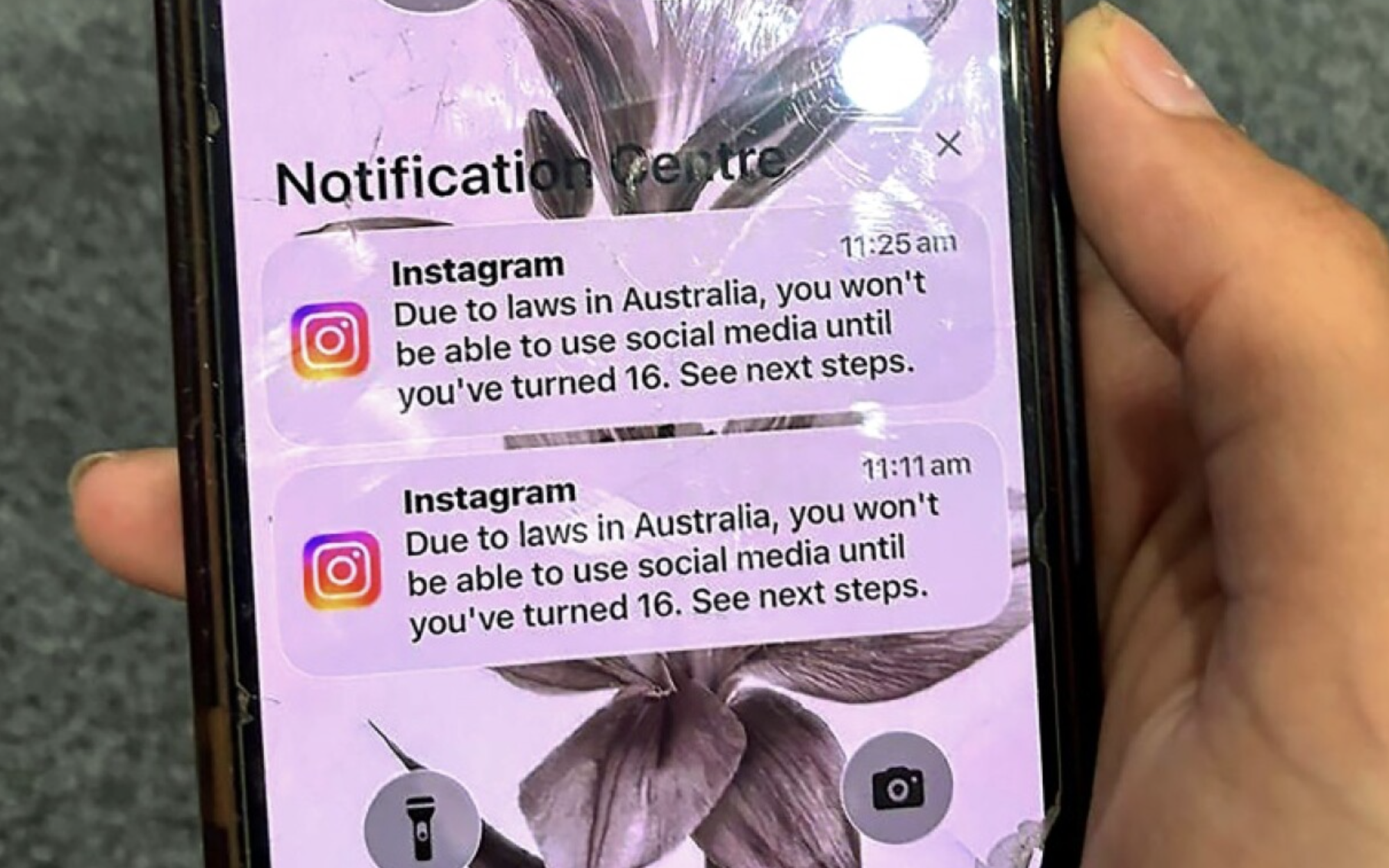
As Australia moves to bar children under 16 from using major social media platforms including Facebook, TikTok, and YouTube, Vietnam is grappling with how to protect its younger internet users while recognizing the role of online connectivity in modern education and social life.
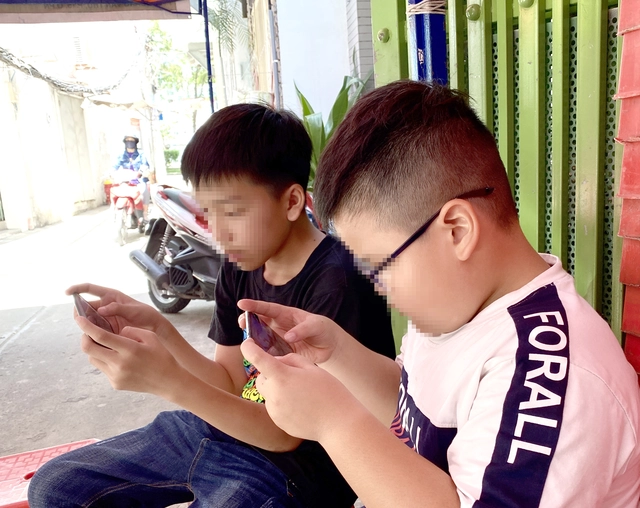
Children play games on mobile phones in Vietnam. Photo: Tu Trung / Tuoi Tre
Across the country, opinions are divided over whether a similar ban should be enacted in Vietnam, but experts and parents largely agree that stronger safeguards and oversight are needed for children and adolescents using social media.
Call for age limits
"Children under 16 are not mature enough to judge what content is harmful," said Dao Thanh An, a high school student in Tien Giang Province.
"They might also fall for scams or share personal information without realizing the consequences.
"Restricting social media can encourage physical activity and better habits."
Thanh An added that parents should supervise phone and internet use and educate children on responsible online behavior, while the government could develop child-friendly platforms for learning and entertainment.
Balancing risks and opportunities
Some observers argue that banning children from social media could be counterproductive.
Huynh Ngoc Anh Thu, a Vietnamese student studying in Canada, said restrictions could isolate children from peers and limit social development.
"Instead of banning, families and educators should guide children in controlled usage to cultivate positive habits and responsibility," she said.
Social media platforms themselves generally prohibit users under 13 from registering accounts, reflecting concerns over early exposure to digital content.
Nguyen Thuy Vuong Khanh, deputy director of the Communications and Admissions Center at Ho Chi Minh City College of Economics, said social media presents both challenges and opportunities for young people.
Excessive use can lead to harmful habits, but platforms also help Generation Z and Alpha to develop creativity, social skills, and information literacy.
"Rather than banning, authorities should focus on moderation and safety," she said.
Proposed measures include age-specific content moderation, usage time limits, and parental control tools.
Parents should engage with their children to guide them on responsible use rather than relying solely on restrictions.
Nguyen Thai Chau, deputy head of student affairs at the University of Finance – Marketing, stressed the role of schools in directing students toward positive online engagement.
"Education should teach students how to consume content responsibly and provide alternative activities to compete with social media's appeal," he said.
Libraries, digital learning resources, and structured extracurricular programs can encourage balanced digital habits.
Education expert Bui Khanh Nguyen emphasized that any restriction should be proportional, flexible, and evidence-based, possibly set at the school or regulatory level rather than a blanket law.
Technical and enforcement challenges
Technical experts warn that outright bans may be easy to bypass.
Jeff Nijsse, senior software lecturer at Royal Melbourne Institute of Technology (RMIT) Vietnam, noted that teenagers can use VPNs or temporary SIM cards to access blocked platforms, potentially exposing themselves to unmoderated foreign content or malware.
Age verification using facial recognition remains imperfect, and enforcement is complicated in practice.
Vu Bich Phuong, a psychology lecturer at RMIT Vietnam, said technology companies also bear responsibility for protecting young users.
She urged social media platforms to enhance reporting tools, enforce child-safe content controls, and actively manage emerging risks as AI tools become more widely used by minors.
Bao Anh - Trong Nhan / Tuoi Tre News
Link nội dung: https://news.tuoitre.vn/vietnam-faces-debate-over-regulating-social-media-use-among-children-under-16-103251213155315506.htm