
Vietnam has advantages for sustainable aviation fuel, but costs remain key hurdle: conference
Vietnam has significant advantages to develop sustainable aviation fuel (SAF) production thanks to its abundant feedstock resources, although high production costs remain the biggest obstacle, government officials and industry experts said on Thursday.
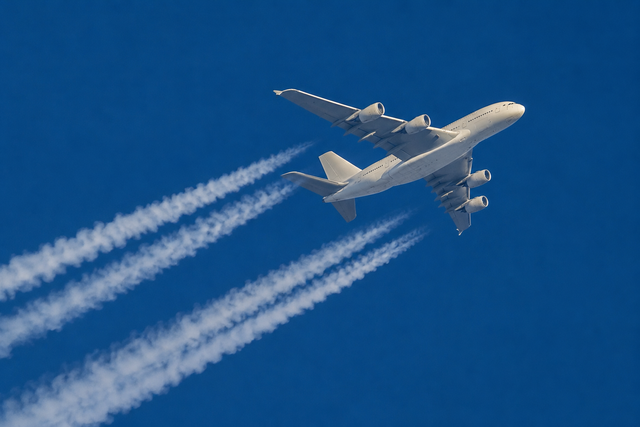
AI-generated image
The assessment was made at an international conference on SAF policy and market development in ASEAN held in Hanoi as Vietnam prepares to join the International Civil Aviation Organization's Carbon Offsetting and Reduction Scheme for International Aviation (CORSIA) in 2026 under its commitment to achieve net-zero emissions by 2050.
Deputy Minister of Construction Le Anh Tuan said the global aviation industry faces increasing pressure to cut greenhouse gas emissions.
In that context, SAF is currently the most practical short- and medium-term solution because it can significantly reduce carbon emissions without requiring changes to existing aircraft fleets or fuel infrastructure.
Nguyen Thi Phuong Hien, deputy director of the Academy of Strategy and Capacity Building, said Vietnam's 22 airports handled about 120 million passengers and nearly 1.8 million metric tons of cargo in 2025.
She said annual consumption of Jet A-1 aviation fuel has reached about 2.8 million to three million metric tons and is expected to continue rising as airport capacity and flight activity expand, creating a large potential market for SAF.
Hien said Vietnam has abundant feedstocks for SAF production, including used cooking oil, animal fat, fish oil, biomass, and agricultural by-products, with studies estimating available resources at more than four million metric tons a year.
She cited Boeing research showing Vietnam ranks among the five ASEAN countries with the largest SAF feedstock potential, including rice straw, rice husks, cassava, and forestry biomass.
Vietnam's agricultural residues could support production of about one million barrels of SAF per day, making the country the third-largest net SAF exporter in ASEAN after Thailand and Indonesia, Hien said.
She said the main barrier to SAF development is cost, with SAF currently priced at about two to four times more than conventional Jet A-1 fuel.
In the short term, purchasing carbon credits to meet CORSIA obligations remains less expensive than using SAF, she said.
Subash S, the International Civil Aviation Organization's deputy regional director for Asia and the Pacific, said SAF development requires clear policy roadmaps, stable regulatory frameworks, and financing mechanisms to attract investment while supporting supply, demand, and market development.
Conference participants said ASEAN has favorable conditions to expand SAF production but that regional cooperation on research, technology transfer, feedstock supply chains, and common standards would be needed to reduce costs and accelerate market development.
Bao Anh - Tuan Phung / Tuoi Tre News