
Vietnam legalizes short-term apartment rentals
Vietnam’s lawmaking National Assembly has officially approved amendments to the Housing Law, allowing apartments to be rented out for accommodation purposes, effectively removing a long-standing legal barrier to short-term rentals and bringing the sharing economy model within the country’s regulatory framework.
The legislative body on Saturday passed the amended 2026 Housing Law, which is scheduled to take effect on July 1, 2027.
One of its most notable provisions, under Article 3, introduces an exception to the prohibited uses of apartments.
Specifically, the revised law prohibits the use of apartments for purposes other than residential living, except when they are rented out for residential purposes or accommodation.
The 2023 Housing Law prohibits the use of apartments for any non-residential purpose.
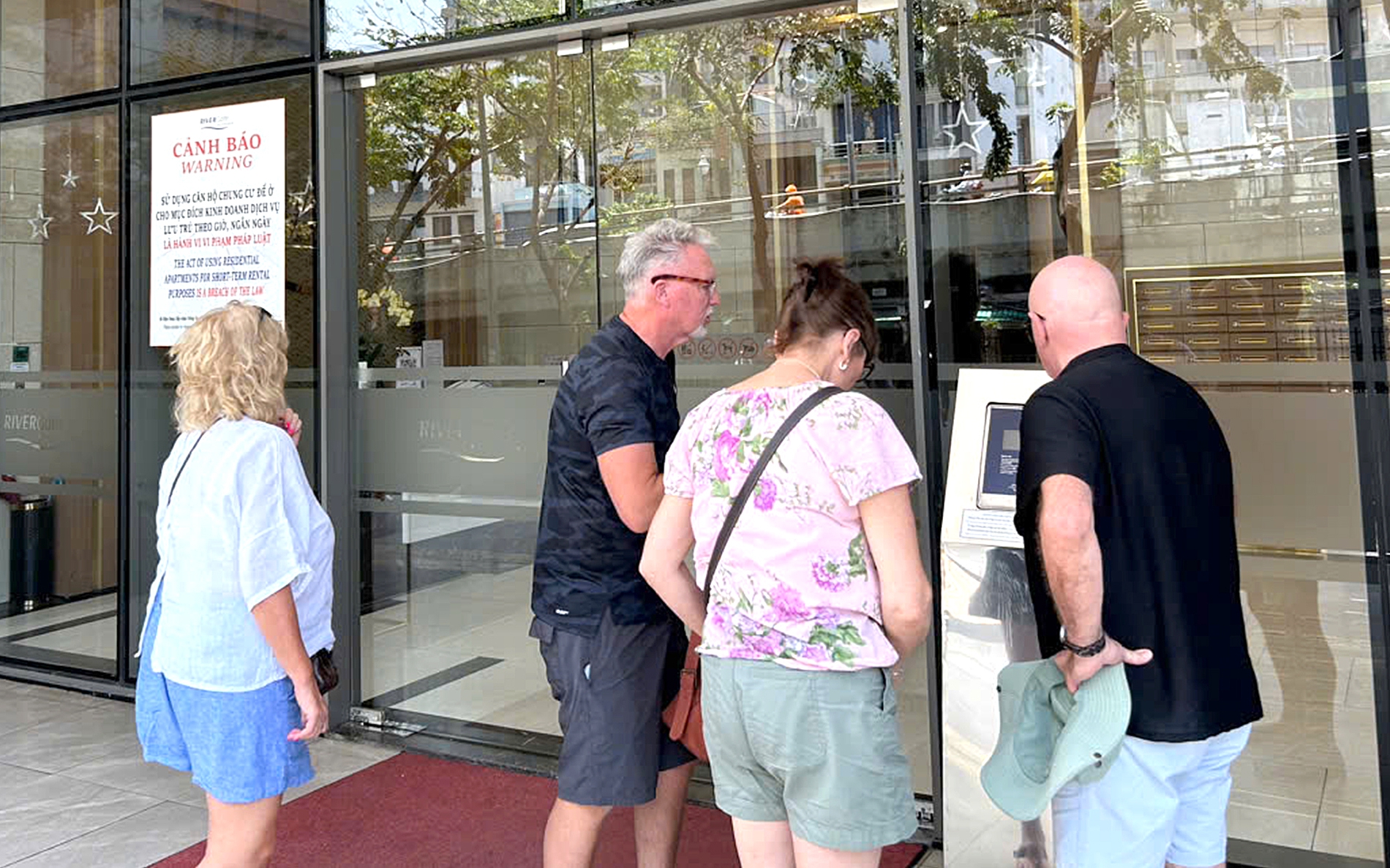
As the legislation does not clearly distinguish between non-residential use and short-term accommodation rentals, many apartment building management boards and operators have treated short-term rentals as illegal business activities, preventing or creating difficulties for apartment owners seeking to rent out their properties.
The government’s Decree No. 339/2026, issued under the 2023 Housing Law, also prescribes substantial fines for using apartments for purposes other than residential living.
Le Hoang Chau, chairman of the Ho Chi Minh City Real Estate Association, told Tuoi Tre (Youth) online newspaper that the revised 2026 Housing Law had clarified the legal boundaries surrounding the issue.
The key change is that while the law continues to prohibit the use of apartments for non-residential purposes, it explicitly allows them to be rented out for residential purposes or accommodation.
Notably, the removal of the term ‘short-term’ from the final draft gives the phrase ‘accommodation rental’ a broader interpretation, covering stays ranging from overnight visits and several days to one week or even several months.
The amendment is also considered significant in supporting the implementation of the Politburo’s Resolution No. 26 on developing tourism into a spearhead economic sector, with a target of reaching 1.5 million accommodation rooms by 2030.
Given the considerable time and investment required to develop new resorts and hotels, making hundreds of thousands of existing apartments available for accommodation could help meet diverse market demand more immediately.
Under the 2020 Law on Residence, a stay refers to a citizen’s temporary presence at a location other than their place of permanent or temporary residence for fewer than 30 days.
Accordingly, renting out apartments for short stays, including through platforms such as Airbnb, will be legally permitted under the amended housing legislation.
In Ho Chi Minh City, the municipal People’s Committee had previously issued Decision No. 19/2026, replacing Decision No. 26/2025, to relax regulations and facilitate short-term apartment rentals.
However, Chau stressed that coordinated management measures would be necessary to ensure stable operations and balance the interests of permanent residents and apartment owners engaged in rental businesses.
He suggested that owners renting out apartments for accommodation should pay higher monthly building management fees, strictly comply with temporary residence and accommodation registration requirements, and follow a standardized set of apartment regulations.
They should also be required to purchase fire insurance and equip their apartments with fire extinguishers.
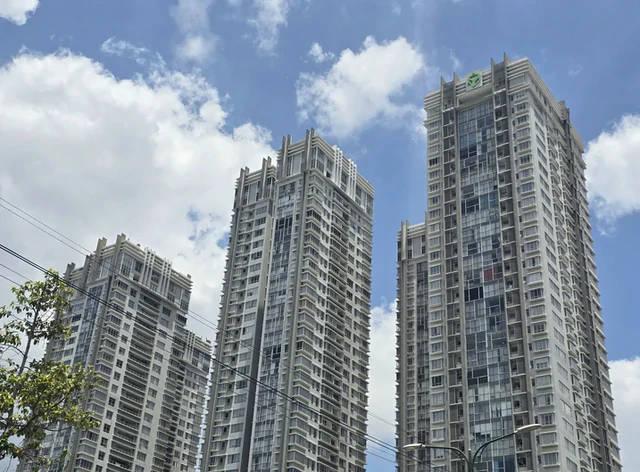
When the legal framework is clear and transparent, apartment owners will be encouraged to invest in upgrading amenities and standardizing services so they can participate in the market in a more professional and structured manner. Photo: Tuoi Tre
Apartment owners seek removal of administrative hurdles
Assessing the significance of the revised Housing Law, Pham Ho Bao Tran, an apartment owner operating a rental accommodation business in Ho Chi Minh City, said a clearer and more transparent legal framework would encourage property owners to invest in better facilities and standardize their services to participate in the market more professionally.
“Bringing short-term accommodation rentals under the legal framework would also diversify the apartment rental market in major cities such as Ho Chi Minh City and Hanoi,” she said.
“Domestic travellers going on business trips or family holidays, as well as international visitors, would have more choices of convenient accommodation through international booking platforms.”
Similarly, Nguyen Thuong Hoai, a representative of the Ho Chi Minh City Airbnb community, described the amendment as a positive development, reflecting the authorities’ recognition of practical concerns raised by residents.
Airbnb is an online platform that allows property owners, or hosts, to rent accommodations to travelers.
The new provision would not only create opportunities for the sharing economy to develop in line with international practices but also give apartment owners greater confidence in renting out their properties through international platforms in compliance with Vietnamese law, she said.
Hoai noted that many condominium buildings had previously displayed notices declaring short-term rentals illegal, creating considerable difficulties for apartment owners operating accommodation services.
She said therefore, many apartment owners and rental operators had proactively established household businesses or companies to fulfil their tax obligations, register guests’ temporary stays and complete public security and order procedures.
However, they continued to face administrative difficulties involving tax declarations and payments, as well as public security and order documentation.
Hoai called on relevant authorities to remove these administrative obstacles as soon as possible, making it easier for property owners to fulfil their tax obligations.
Nguyen Duy Thanh, vice-chairman of the Ho Chi Minh City Apartment Building Operation and Management Association, said the newly approved amendment, which prohibits non-residential use of apartments except for rental purposes involving residential use or accommodation, was among the most significant regulatory changes affecting the condominium business model.
The addition of the phrase ‘or accommodation’ demonstrates that the law does not impose an outright ban on short-term apartment rentals, he said.
Nevertheless, the market will have to wait for detailed implementing decrees to clarify eligibility criteria for condominium buildings, fire prevention and firefighting requirements, and regulations governing guest management.
From an urban management perspective, Thanh considered the amendment a reasonable step towards resolving long-standing tensions between permanent residents and short-term tenants over security, noise and pressure on building infrastructure.
Economically, Vietnam’s Airbnb market is expected to enter a new phase, shifting from largely spontaneous operations towards a licensed and more tightly regulated business model.
Although the number of apartments in operation may decline, the overall professionalism of the sector is likely to improve significantly.
Tieu Bac - Cong Trieu / Tuoi Tre News
Link nội dung: https://news.tuoitre.vn/vietnam-legalizes-short-term-apartment-rentals-103261123143439286.htm