
Vietnam says March fuel supply sufficient, warns of risks if Middle East conflict drags on
Vietnam’s Ministry of Industry and Trade said fuel supply for the domestic market in March is expected to be sufficient but warned the market could face greater difficulties if conflict in the Middle East continues into April.
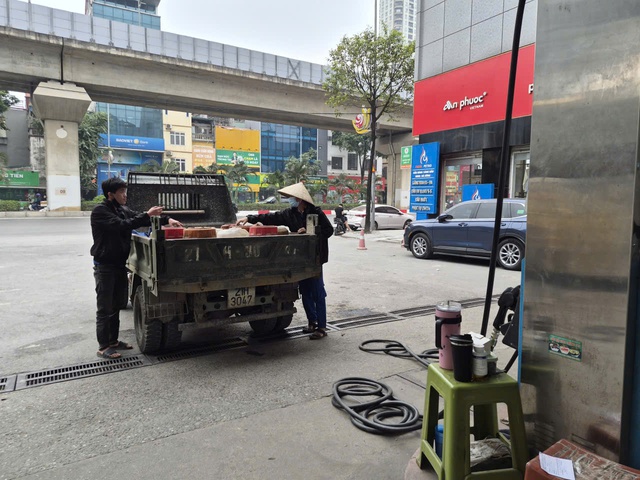
A person carries containers to buy fuel at a petrol station in Hanoi, Vietnam. Photo: Ngoc An / Tuoi Tre
The ministry's Department for Domestic Market Management and Development said, citing a report from state energy firm PetroVietnam, that Vietnam's crude oil output currently averages about 180,000 barrels per day, of which roughly 150,000 barrels per day are supplied to the Dung Quat refinery.
Dung Quat refinery can maintain stable operations at about 118 percent of capacity until at least the end of April and will continue supplying fuel to wholesalers under existing contracts.
Meanwhile, the Nghi Son refinery is operating normally with sufficient feedstock to meet production plans in the coming period.
The two refineries are supplying fuel to wholesalers under contracts through the end of March, while fuel trading companies continue importing refined fuel for the domestic market despite rising import and transportation costs.
Together with required commercial inventories held by companies, fuel supply for the domestic market in March is broadly assured, the ministry said.
However, the ministry warned the market could face greater difficulties if fighting in the Middle East continues into April.
Escalating military tensions between the United States, Israel, and Iran in the Middle East since February 27 have heightened concerns over oil supplies, as about 20 percent of the world's oil passes through the Strait of Hormuz between Iran and Oman.
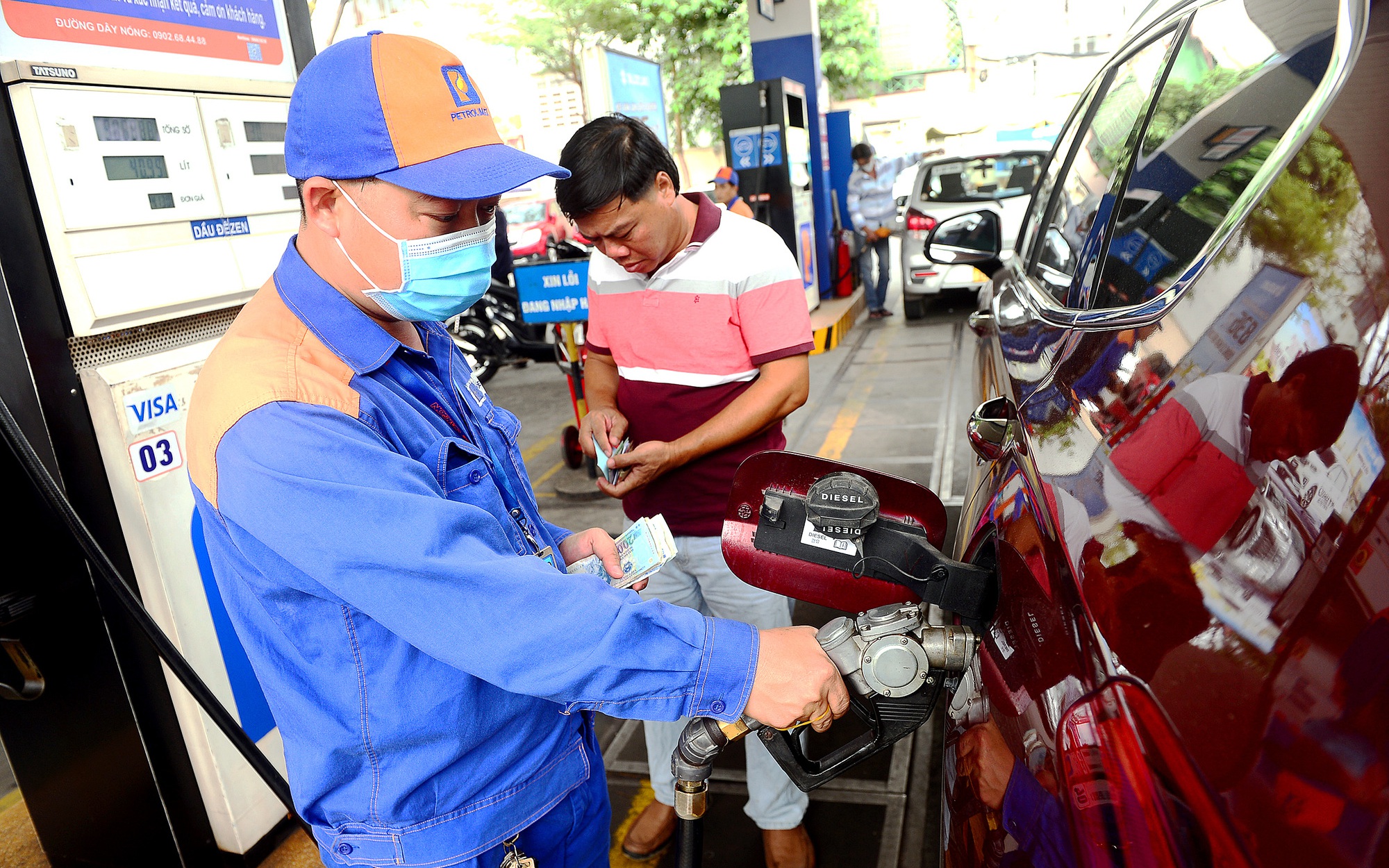
The Vietnamese government, the prime minister and relevant ministries are directing efforts to remove obstacles and facilitate fuel production and imports to ensure adequate supply in the coming months, the ministry said.
The ministry also urged consumers to conserve energy, prioritize public transport, electric vehicles and biofuels, and avoid unnecessary fuel stockpiling.
Fuel trading companies were asked to maintain stable supply to distribution systems and avoid hoarding or limiting sales while waiting for price increases.
Also on Friday, a deputy minister of industry and trade signed an urgent directive to provincial and municipal authorities calling for stronger inspection and supervision of fuel trading activities.
Local authorities were asked to monitor supply, demand and prices of fuel and LPG in their areas, while market surveillance forces were instructed to watch for signs of shortages, supply disruptions, hoarding or unreasonable price increases and handle violations in accordance with the law.
Bao Anh - Ngoc An / Tuoi Tre News