
Vietnamese airlines struggle to minimize losses amid higher jet fuel prices
Domestic airfares in Vietnam will surge sharply from early April while local airlines are set to cut capacity amid rising jet fuel costs, prompting the carriers to actively seek ways to ease pressure on ticket prices and contain losses.
A senior airline executive told Tuoi Tre (Youth) newspaper that reducing flight frequency is only a band-aid solution.
With jet fuel prices climbing and limited supply, some air routes are operating at a loss.
“However, cutting too many flights or suspending routes entirely would disrupt cash flow and impact overall airline operations," the executive said.
“The current challenge is not simply whether to fly less or more, but how to maintain the network while mitigating losses."
Airlines are prioritizing cash flow protection and operational efficiency to help limit fare increases.
In parallel, they are working to attract more international visitors to Vietnam through destination marketing campaigns.
To reduce reliance on base ticket revenue, many carriers are boosting ancillary income by offering premium seat selection, baggage fees, in-flight meals, airport transfers, or bundling tickets with travel packages.
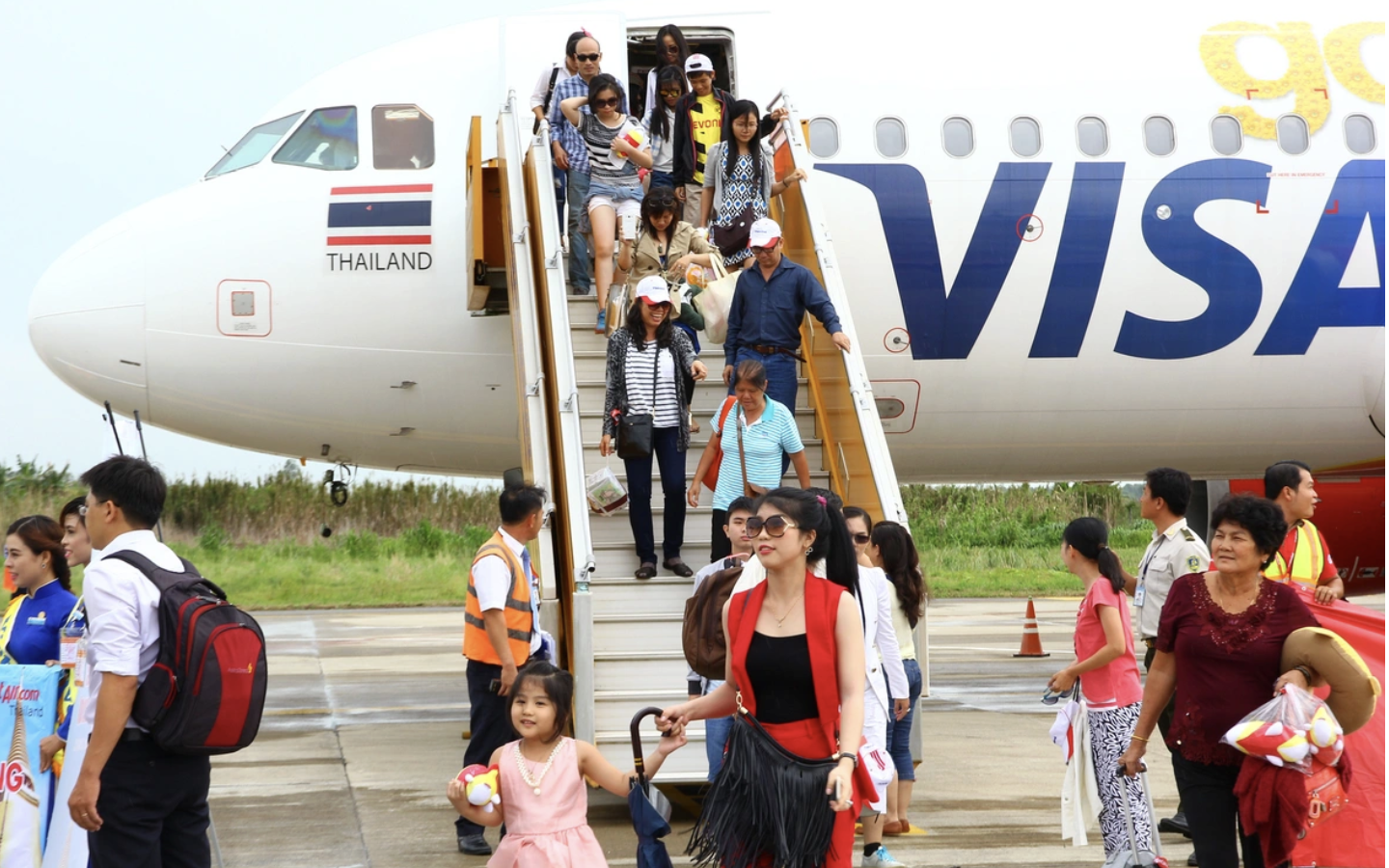
Higher fares expected in April
Airlines recommend passengers book early if travel plans are set, as ticket prices released in March remain relatively moderate compared with April onward.
A carrier representative explained that airfare often lags behind fuel cost fluctuations, so tickets issued in March have not yet fully reflected the surge in jet fuel prices.
From April, with higher input costs and reduced flight schedules, low-cost ticket opportunities are becoming scarce.
Travelers booking last-minute on popular routes may have no choice but to pay significantly higher fares.
Starting from Wednesday, Vietnam Airlines will temporarily suspend several routes, including Cat Bi-Buon Ma Thuot, Cat Bi-Cam Ranh, Cat Bi-Phu Quoc, Ho Chi Minh City-Van Don, Ho Chi Minh City-Rach Gia, and Ho Chi Minh City-Dien Bien.
The airline also plans to cut up to 20 percent of its flights in the second quarter of the year, equivalent to 1,700 round trips per month.
Vietjet was set to reduce its total capacity by 18 percent in April, scaling back domestic flights by 22 percent and international routes by 11 percent.
According to the Civil Aviation Authority of Vietnam, fuel costs account for about 35-40 percent of airlines’ total expenses.
With jet fuel prices hovering around US$200 per barrel, operating costs could rise by roughly 40 percent.
As such, domestic fares increasing by 15-23 percent is an almost inevitable outcome.
In response to the pressure, the authority has proposed a fuel surcharge mechanism for domestic tickets over three months, based on actual costs and outside price caps.
However, the government subsequently reduced environmental, VAT, and special consumption taxes on fuel products to zero to help stabilize prices and support the economy.
Even so, airlines said that there is limited room to alleviate cost pressures, as rising fuel prices not only increase direct expenses but also strain cash flow and fleet utilization efficiency.
Discounted fares disappearing
Tour operators and ticket vendors reported that the domestic aviation market has entered a difficult new phase.
Ticket prices have risen across the board, establishing a higher baseline than the same period last year.
The increase affects not only the Hanoi-Ho Chi Minh City route but also popular tourist routes, which previously had more flexible pricing after the peak season.
Surveys show that promotional fares have nearly disappeared from bookings for flights from early April.
Last year, passengers could purchase one-way tickets to Ho Chi Minh City for VND800,000-1.4 million ($30-53).
This year, the lowest fares generally start at around VND1.7 million ($65).
On the Hanoi-Ho Chi Minh City route, the cheapest April fares are roughly VND2.6 million ($98) per one-way trip, mostly for early morning or late-night flights.
Tourist routes follow the same trend.
Hanoi-Nha Trang fares are priced at about VND2.9 million ($110) one-way, with popular times approaching VND6.9 million ($262) round-trip.
Other destinations such as Phu Quoc, Da Nang, and Cam Ranh are also seeing a new, higher pricing floor.
A surge in jet fuel prices driven by the U.S.-Israeli attack on Iran in late February has upended the global aviation industry, forcing airlines to raise fares and revise financial outlooks, Reuters reported.
Jet fuel prices have soared from $85 to $90 per barrel to $150 to $200 per barrel in recent weeks, a financial hit for an industry where fuel accounts for up to a quarter of operating expenses.
Tieu Bac - Cong Trung / Tuoi Tre News
Link nội dung: https://news.tuoitre.vn/vietnamese-airlines-struggle-to-minimize-losses-amid-higher-jet-fuel-prices-103260330151236374.htm