
Vietnam’s Hue City: Where food, faith, romance meet
Hue City reveals itself through the pleasures of its cuisine, the serenity of its spiritual traditions, and the quiet beauty of its romantic landscapes.
Its distinctive dishes, centuries-old pagodas, and tranquil riverside setting offer a deeper experience of central Vietnam beyond its imperial heritage.
Misty scenery, peaceful streets, and the gentle Perfume River add to the city’s timeless charm.
Together, they make Hue an inviting destination for travelers seeking culture, tranquility, and a slower pace of life.
A top honeymoon destination
Travel enthusiasts may recall that Hue was recently named one of the world's most romantic honeymoon destinations for 2026.
In Tripadvisor's Travelers' Choice Best of the Best Destinations ranking of the world's 25 most romantic honeymoon destinations, Hue ranked sixth, reaffirming the former imperial capital's growing appeal on the global travel map.
The Travelers' Choice Best of the Best Destinations award recognizes destinations that receive the highest volume of outstanding reviews and opinions from travelers over a 12-month period.
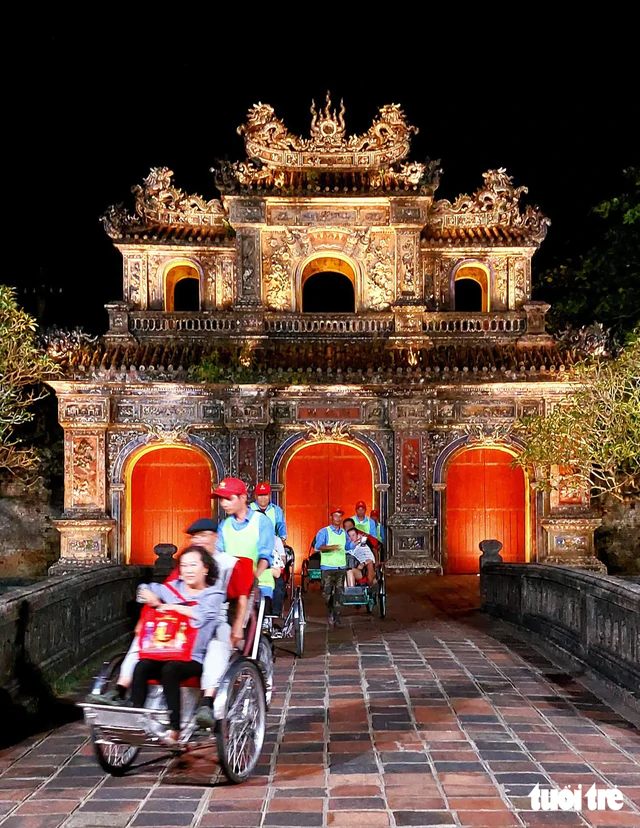
The city's ancient streets and architecture are particularly evocative for travelers who appreciate a slower pace of life. Photo: Pham Ba Thinh
Fewer than one percent of more than eight million destinations and tourism-related establishments on the platform receive the distinction, making the recognition particularly selective.
The award could help bring more honeymooners to Hue in the years ahead.
And when thinking about what makes the city so appealing, it is hard not to recall the famous film Eat, Pray, Love, based on Elizabeth Gilbert's memoir and directed by Ryan Murphy, with Hollywood star Julia Roberts in the lead role.
The story follows a woman who appears to have everything many people dream of — a successful career, a comfortable home and a wealthy, handsome husband — yet finds herself lost and unfulfilled.
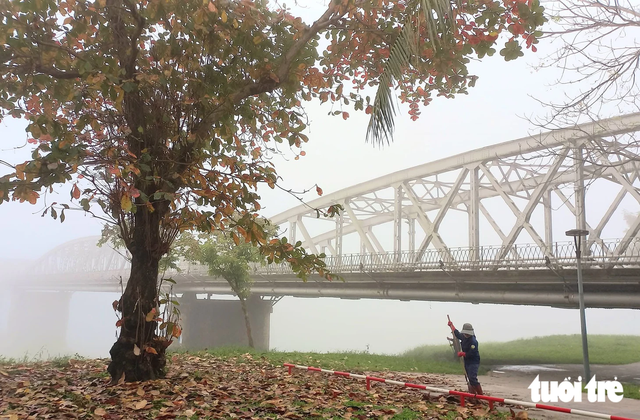
Trang Tien Bridge in Hue City is not only a historic landmark spanning three centuries but also an iconic image of Hue's beauty. Photo: Pham Ba Thinh
She gives it all up and sets off in search of peace and meaning. Along the way, she 'eats' in Italy, 'prays' in India, and 'loves' in Bali, Indonesia.
In its own distinctive way, Hue offers a little of all three: the pleasures of food, the serenity of spirituality, and the romance of nature.
Hue offers one of Vietnam's most distinctive culinary traditions — eat.
It has hundreds of pagodas, monasteries, and meditation spaces — pray.
And its romantic landscapes provide an atmospheric setting for those seeking romance — love.
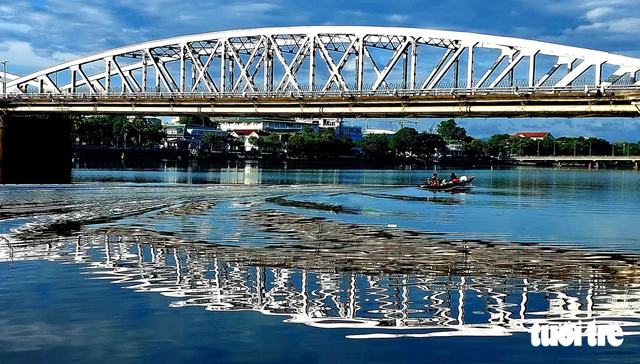
Trang Tien Bridge in Hue City. Photo: Pham Ba Thinh
A destination shaped by harmony
Hue's high ranking as a honeymoon destination is about more than romance. Its appeal comes from the way many elements come together: nature, greenery, architecture, cuisine, and a distinctive way of life.
With today's advanced technology, constructing a modern high-rise hotel is no longer particularly difficult.
But in a place like Hue, the greater challenge is creating architecture that speaks in harmony with the landscape — architecture that allows visitors to feel the spirit of Hue rather than simply stay in a modern building.
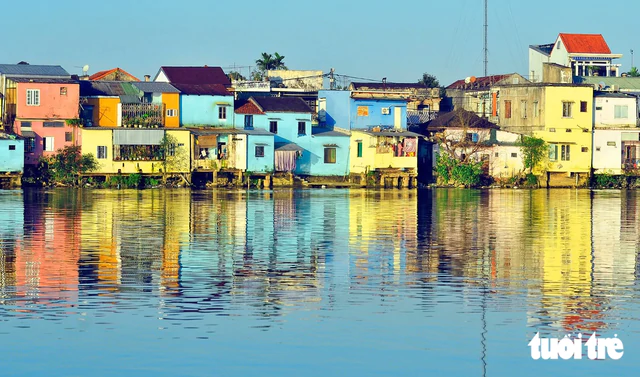
Bao Vinh, on the outskirts of Hue, was once an old citadel and trading port. Today, it remains popular with visitors for its nostalgic character. Photo: Pham Ba Thinh
Bhutan, like Hue, seems to possess a distinctive spirit shaped by spirituality, nature, and a slower way of life.
Often described as the 'last Shangri-La' and known for its pursuit of happiness, the Himalayan kingdom is home to countless monasteries and a culture deeply influenced by Vajrayana Buddhism.
Bhutan does not pursue the kind of grandeur associated with modern wealth. By conventional economic standards, it might appear poor. Yet happiness seems remarkably visible in the faces of its people, in their smiles, and in the slow rhythm of their lives.
Why does Bhutan bring Hue to mind?
Referring to Bhutan, an author wrote: "If it wanted to, Bhutan could become any country in the world, but no country in the world could become Bhutan."
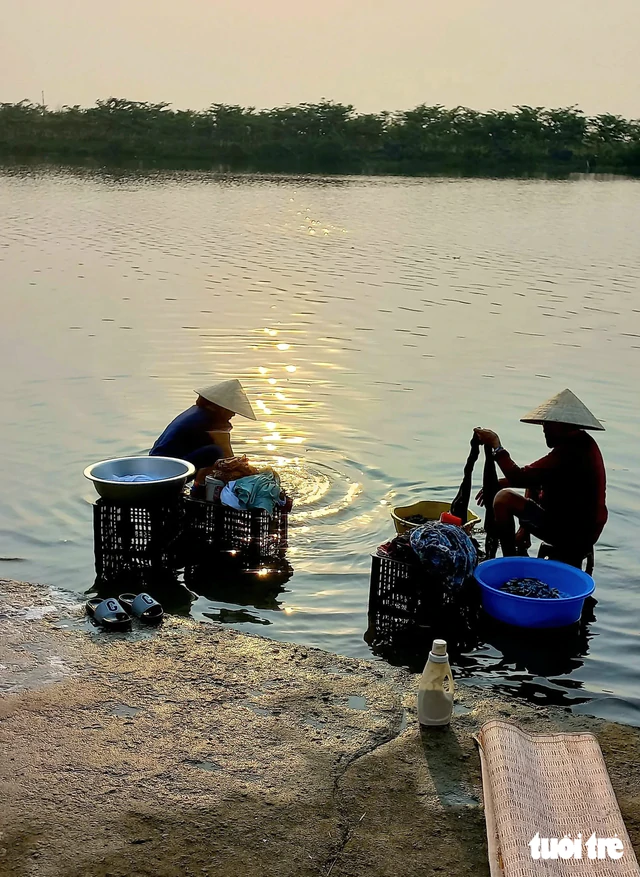
Although Hue was once an imperial capital, quiet rural riverbanks with a gentle beauty can still be found along the city's waterways. Photo: Pham Ba Thinh
The same thought can be applied to Hue.
If it wanted to, Hue could reshape itself into almost any modern city in Vietnam, or even in the wider region. But no other city could become Hue.
Buildings, roads, vehicles, and infrastructure can be developed with money, sometimes remarkably quickly. But the spirit of Hue cannot simply be built.
Its misty atmosphere, quiet pagodas, royal tombs and temples, pine-covered hills, rivers, bridges and old streets belong to a cultural landscape that cannot be reproduced elsewhere.
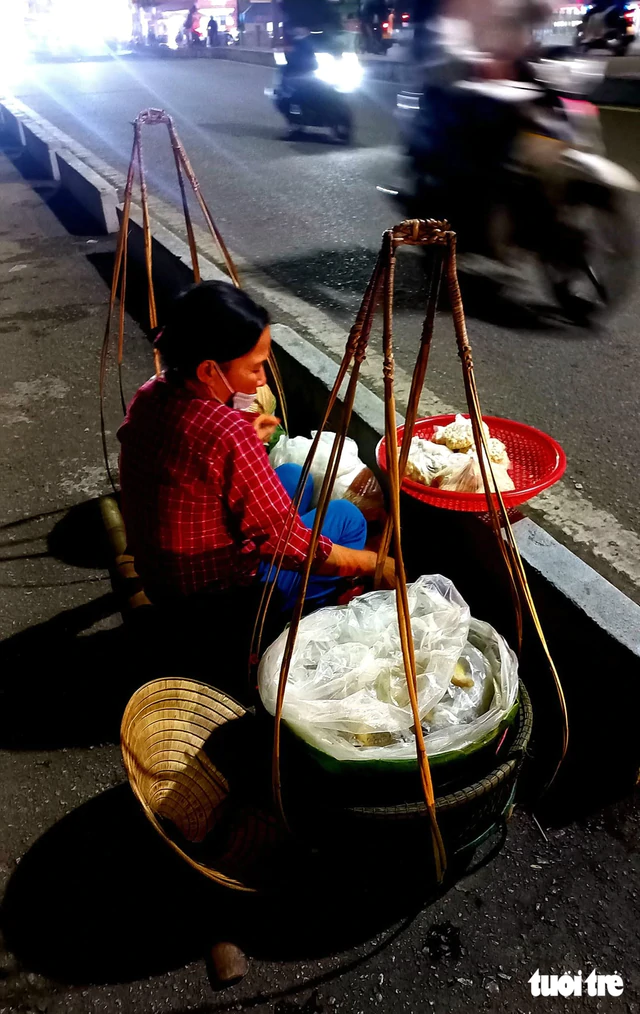
A street vendor on a quiet street can sometimes leave a deeper impression in a visitor's memory than an elaborate restaurant. Photo: Pham Ba Thinh
The spirit of tranquility
Hue is filled with the contemplative spirit — a quality that is difficult to find anywhere else in Vietnam.
Hue is a distinctive spiritual landscape shaped by nature, temples, people, and a slower pace of life.
Vietnam has many places that are described through comparisons: Mang Den as a 'second Da Lat,' Hoa Lu as 'Ha Long Bay on land.' But there is no obvious 'second Hue.'
That is because few places in Vietnam possess Hue's particular inclination toward contemplation and inner peace.
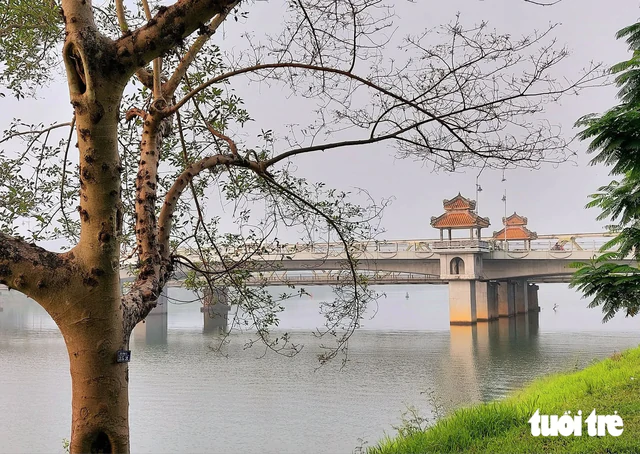
Bach Ho Bridge and Hue's other bridges, whether old or modern, blend gracefully into the city's river landscape. Photo: Pham Ba Thinh
It is hard to imagine a true Hue native choosing a modern high-rise apartment over a traditional garden house surrounded by greenery, or flashy luxury over the quiet charm of old, moss-covered walls.
The same philosophy extends to everyday life. A cyclo driver can live peacefully and happily if their children receive a good education, rather than becoming wealthy while living without access to books or education.
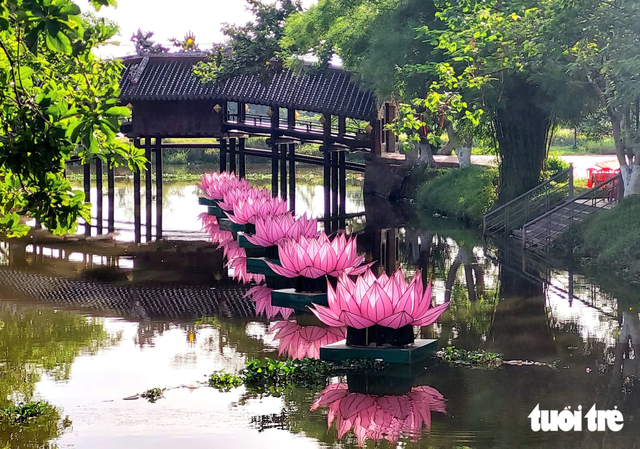
Thanh Toan tiled-roof bridge, like other bridges in Hue, blends harmoniously with the surrounding waterways and landscape despite its age. Photo: Pham Ba Thinh
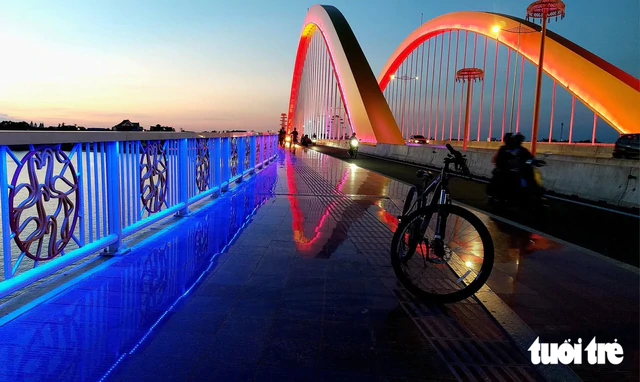
Nguyen Hoang Bridge, one of Hue's bridges, integrates gracefully into the city's river landscape. Photo: Pham Ba Thinh
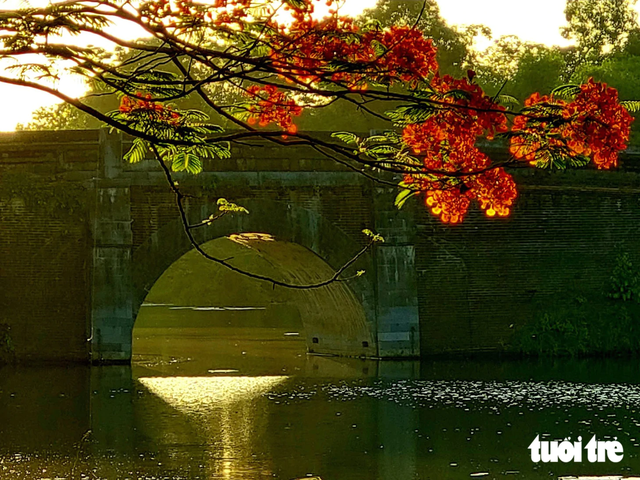
Quiet corners capturing the gentle beauty of old Hue. Photo: Pham Ba Thinh
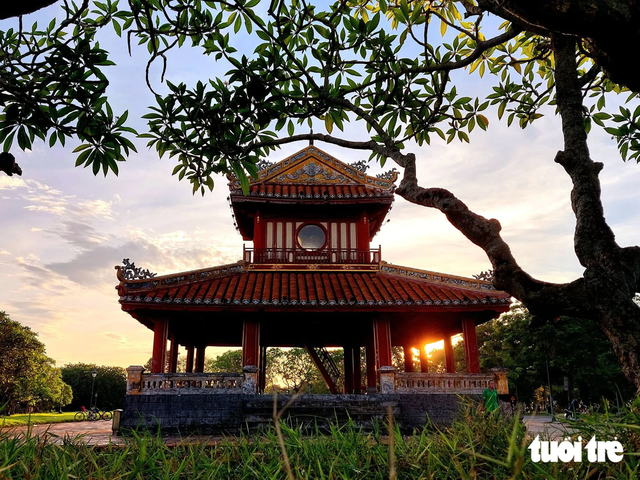
Hue’s tranquil atmosphere. Photo: Pham Ba Thinh
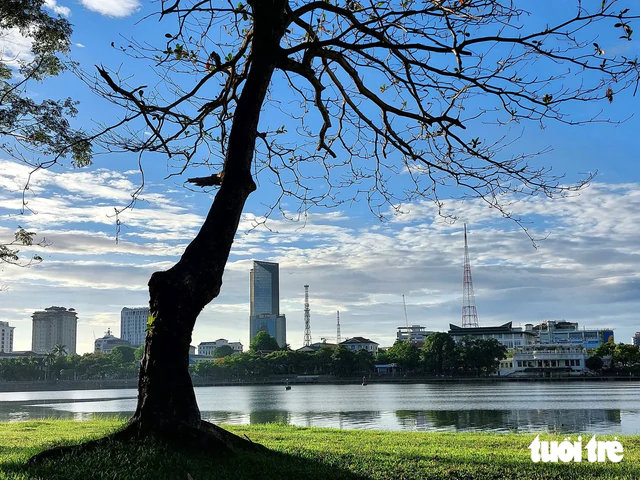
Looking from the northern bank toward the high-rise buildings on the southern bank of the Perfume River. Photo: Pham Ba Thinh
Le Duc Duc
Link nội dung: https://news.tuoitre.vn/vietnams-hue-city-where-food-faith-romance-meet-103260908143454696.htm