In the Travel and Tourism Development Index (TTDI) 2021, Vietnam secured the 52nd position out of 117 countries. Compared to the results in 2019, the country has made significant progress, climbing eight places, with a rating increase of 4.7%. This remarkable improvement places Vietnam among the fastest improvers in the world.
The TTDI 2021 represents a shift from the 15-year-old Travel and Tourism Competitiveness Index (TTCI), a crucial ranking indicator in the global tourism industry. Analyzing the 112 individual indicators and 17 pillars in the TTDI 2021 benchmark, it is evident that Vietnam’s tourism industry still holds substantial potential for development. However, seizing this opportunity and thriving in the global tourism landscape will require significant efforts from Vietnam.
A transition from TTCI to TTDI
Published by the World Economic Forum (WEF) in 2007, the TTCI ranking showcased the attractiveness and competitiveness of various economies’ travel and tourism sectors worldwide. In 2021, the TTCI ranking transitioned into the TTDI, placing a stronger emphasis on sustainable development. Similar to other international benchmarks, the TTDI ranking can significantly impact the development of the tourism industry. Higher rankings will make the economy more appealing to investors and tourists, thereby generating additional resources for growth, and vice versa. Hence, many countries have been continuously making efforts to improve their position in the ranking.
Natural, cultural, and non-leisure resources are the main factors in attracting tourists, but these are only three out of the 17 pillars of TTDI. The other pillars are classified into four main categories: enabling environment, travel and tourism policy and enabling conditions, infrastructure, and travel and tourism sustainability.
This explains why some countries in Southeast Asia and Europe still ranked higher than Vietnam in the TTDI benchmark, even though their natural and cultural assets may not be quite exceptional. The Algarve region in Portugal, for instance, has beaches and some cliffs, but few striking landmarks. Nevertheless, it is one of the destinations with significant contributions to Portugal’s tourism industry. Importantly, travelers who have explored Indonesia, Malaysia, and Thailand would undoubtedly take pride in Vietnam’s exceptional landscapes.
Other crucial pillars that determine scores and rankings include the business environment, safety and security, health and hygiene, human resources, price competitiveness, transportation infrastructure, and sustainable development. Some countries have successfully attracted a large number of tourists by focusing on strengthening these pillars to compensate for limitations in natural and cultural resources.
A view of tourism industry
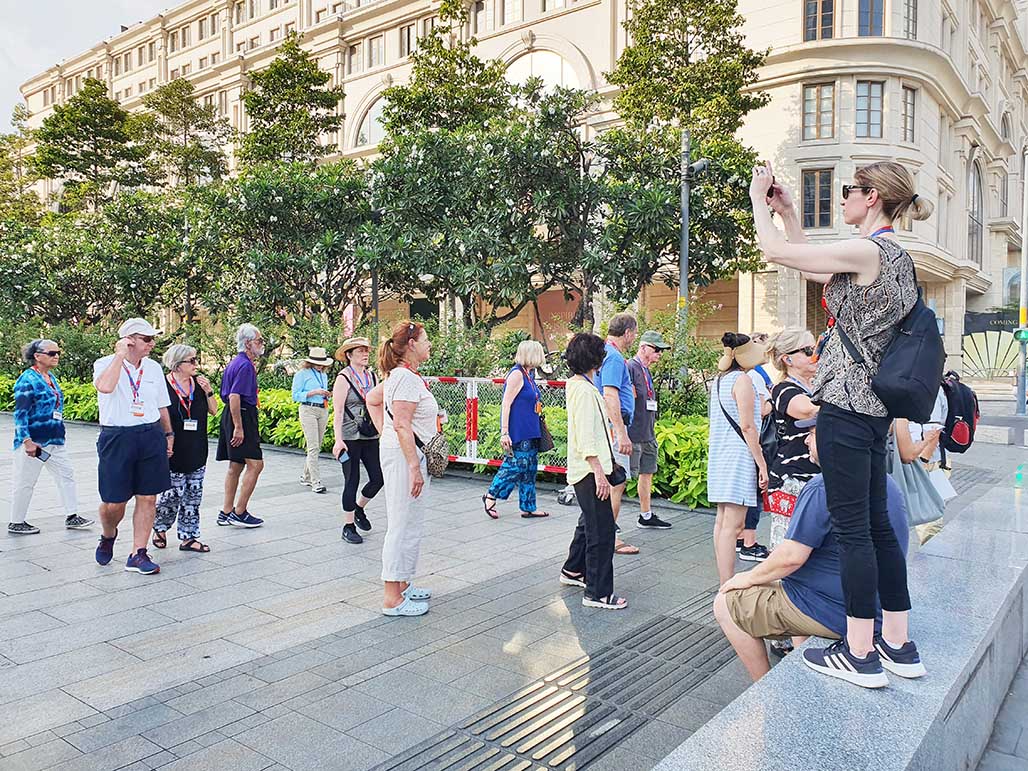
Tourism plays a major role in Vietnam’s economy, contributing around US$33 billion in revenue before the Covid-19 pandemic, accounting for approximately 9% of the country’s GDP. While international tourists made up only one-fifth of the total number, they contributed three-fifths of the industry’s revenue. However, the daily average expenditure of foreign tourists in Vietnam was relatively low. In 2019, foreign tourists spent an average of around US$117.8 per day, with a significant portion allocated to food, accommodation, and transportation services.
Vietnam’s tourism industry may not seem attractive to high-spending travelers from developed countries like those of Europe and North America. A recent survey in France revealed that families budget around 2,000 euros for summer vacations in-country in 2023. Interestingly, this budget could increase by 4-5 times if they choose to travel abroad. If Vietnam can become the preferred destination for these families instead of countries like Thailand or Indonesia, the revenue of the Vietnamese tourism industry could soar significantly.
Although Vietnam possesses abundant natural and cultural resources to attract tourists, the inefficient exploitation of these resources has hindered tourism development. For instance, tourists appreciate natural and untouched landscapes, but the presence of numerous buildings has diminished the charm of many tourist destinations across the country. Additionally, a beautiful beach can lose its allure if aquaculture farms are established nearby due to concerns about water hygiene.
Experts have identified several limitations of Vietnamese tourism, including the absence of nightlife activities, entertainment options, and shopping sites at tourist destinations. Other concerns include overcharging, tourism staff’s lack of English proficiency, and inadequate transportation infrastructure. Addressing these issues promptly is crucial for enhancing the tourism industry.
The TTDI benchmark by the World Economic Forum serves as a vital reference for the tourism industry to identify key components for improvement and development. Overexploiting natural and cultural resources could lead to serious damage, while neglecting investment in other essential pillars hampers Vietnam’s competitiveness in the global tourism market.
With effective promotion policies and adequate investment in tourism, Vietnam can attract more international travelers while encouraging domestic tourists to take domestic tours, not overseas ones. Tourists will discover that Vietnam offers numerous attractive destinations for sightseeing and family vacations.