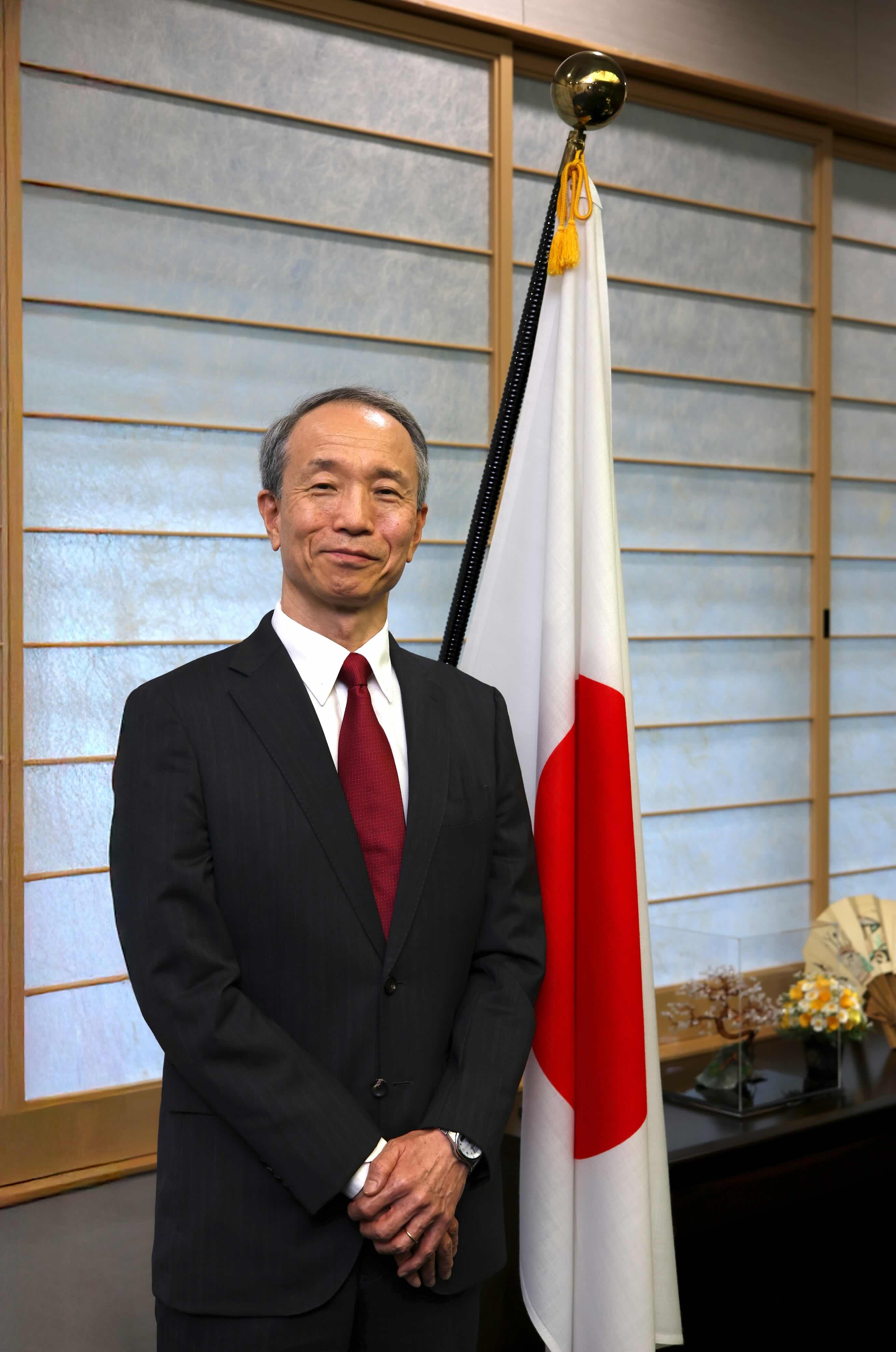
“I first began reading The Saigon Times during my earlier posting at the Consulate-General of Japan in Ho Chi Minh City, from 1994 to 1998. Those were exciting times, with Vietnam opening up under the Doi Moi reforms and many Japanese companies were establishing their presence in southern Vietnam. As an officer responsible for economic affairs at the Consulate-General in those days, I found the up-to-date information The Saigon Times provided on Vietnam’s economy truly invaluable — and I am sure the Japanese business community here shared that sentiment.
There is a question that has occupied philosophers across cultures and centuries: what does it mean to live in a world where everything changes, and nothing lasts?
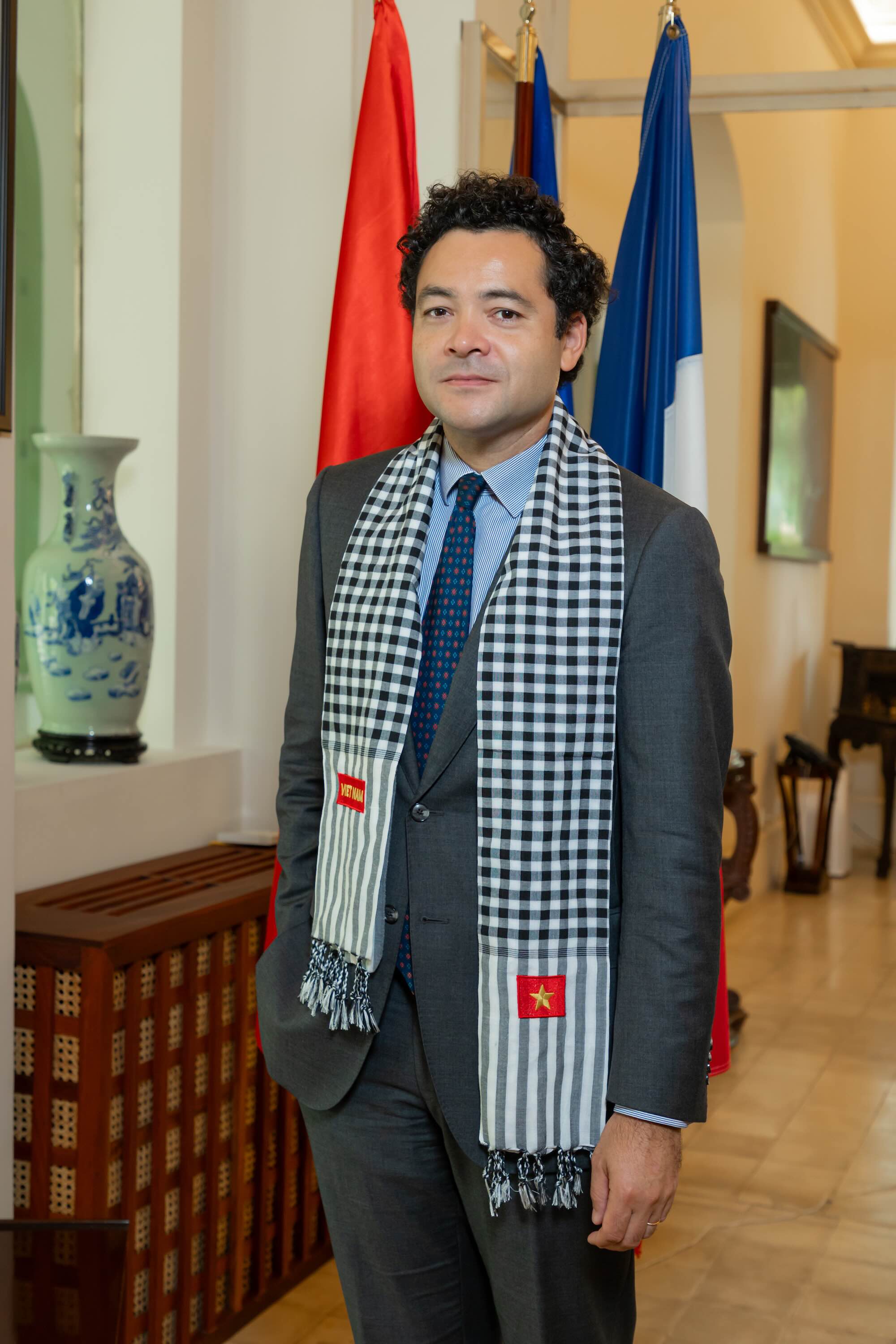
"The Saigon Times has been a trusted source of information for the French Consulate for many years. Its English edition enables expats like me to stay well informed about business, economic and social developments in Vietnam. It has also been one of the reliable sources we use for our daily news round-ups and updates, helping us keep track of what is happening both locally and nationally.
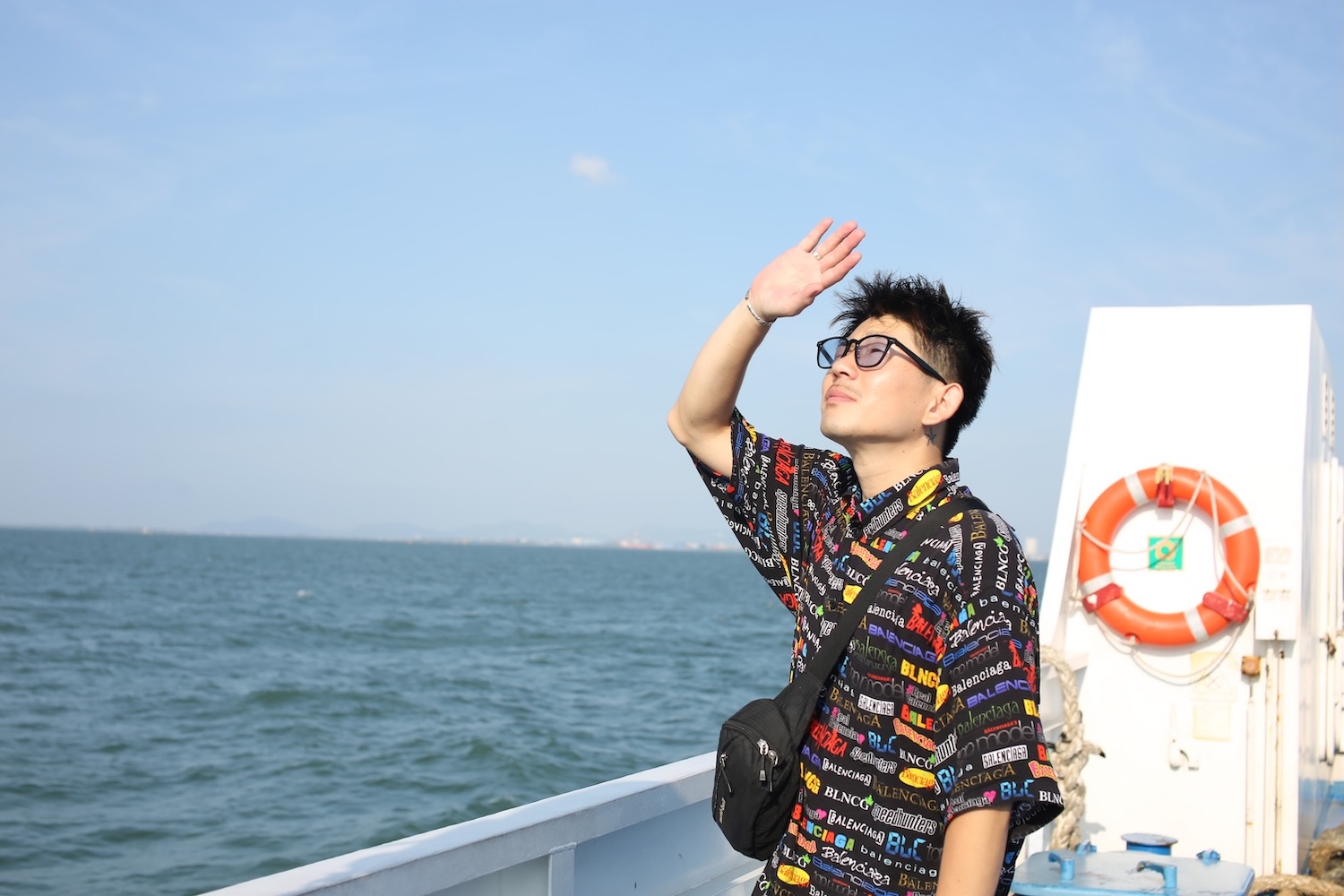
When Shoto Oka, a Japanese hairstylist, first arrived in Vietnam in 2020, he was not just seeking an adventure; he was looking for an opportunity to grow his career
Growing up in Mie Prefecture, a quiet area with an aging population, Shoto longed for the fast-paced life and endless opportunities that only a big city could offer. The bustling energy of HCMC (formerly Saigon), with its dynamic urban rhythm, became the ideal setting for his new journey.
From apprentice to manager of nine salons in Osaka
Before coming to Vietnam, Shoto began his career in beauty in Japan. He started as an apprentice at a small salon at the age of 20 and gradually honed his craft to become a hairstylist. “The early days were tough,” Shoto recalls. “I would clean, assist, and observe, all while striving to improve my skills. The pressure was immense, but I knew mastering the basics was essential.”
After years of dedication, Shoto’s hard work paid off. Thirteen years into the industry, he and a partner co-founded a chain of nine Lovest salons in Osaka. Reflecting on this achievement, Shoto says, “Opening a salon is no easy task. Japan has strict regulations regarding space, lighting, and even the installation of sterilization equipment. While I was skilled at cutting hair, I had to learn how to manage a business from scratch.”
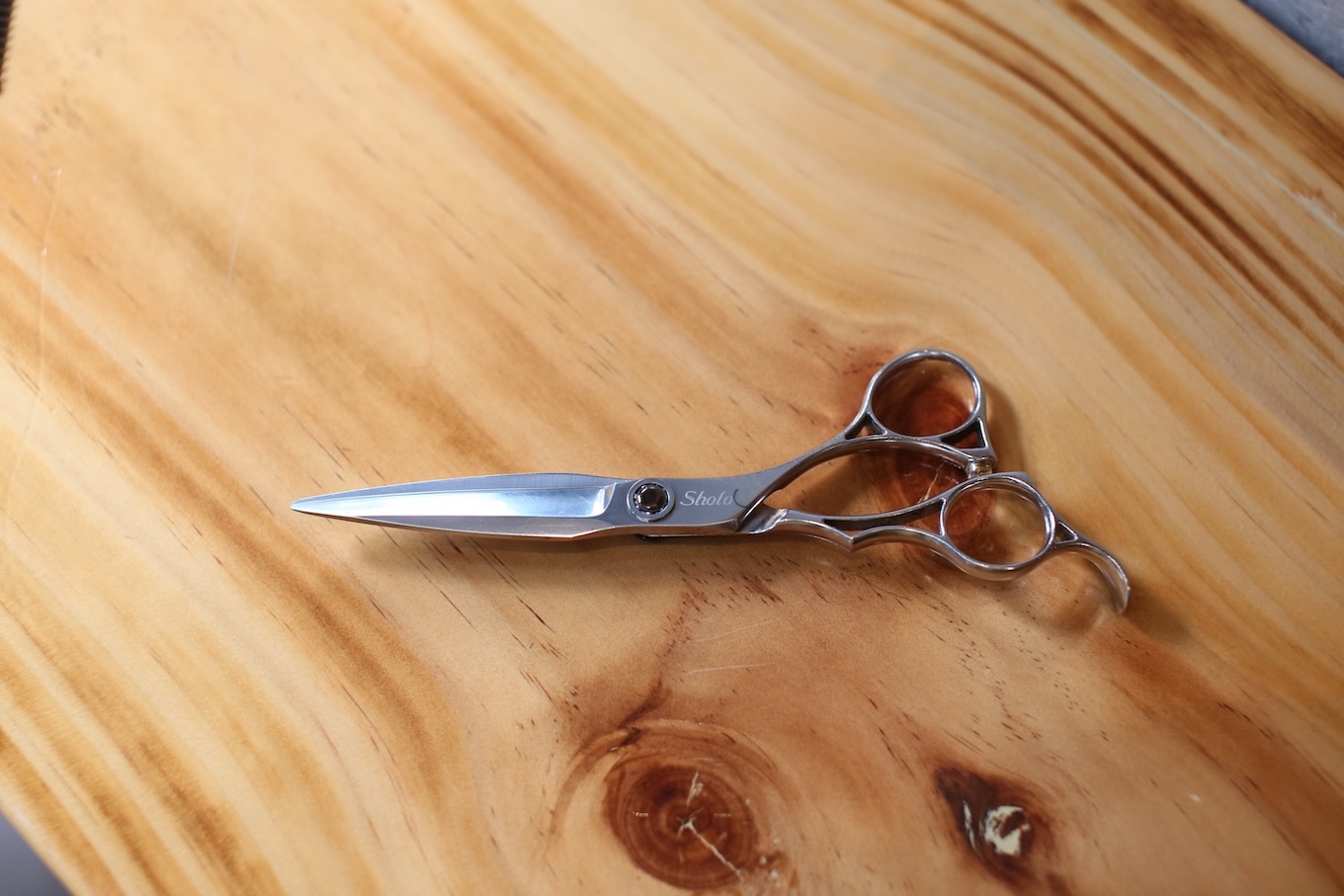
Shoto's 13-year-old scissors, a trusted companion in his career
Running multiple salons came with its own challenges, including adapting to Japan’s seasonal hair trends. Short hairstyles were popular in the spring and summer, while longer styles were favored during autumn and winter. Shoto’s clients, especially those aged 40 to 60, were meticulous about their haircare, spending around VND2 million (about 10,000 yen) per month to maintain their style and touch up their roots.
“Running a salon in Japan is not just about styling hair,” Shoto explains. “Employee salaries are five times higher, and utility costs are ten times more expensive than in Vietnam.” To navigate these financial challenges, Shoto hired tax and accounting professionals to ensure strict financial compliance. “In Japan, company finances are very complex, and we could not handle them on our own. Violating the law could mean the end of the business. Every month, we hold a meeting with our financial advisors to get a clear picture of the company’s health.”
Expanding into Vietnam
When the opportunity came, Shoto decided to bring Japanese beauty traditions to Vietnam and tap into a rapidly growing market. However, the journey was not without its challenges. “From leasing a space at twice the price of Osaka to finding the right staff, everything presented a challenge,” Shoto recalls.
One key difference he noticed between Japan and Vietnam was the training and certification of hairstylists. “In Japan, hairdressers need a national certificate after two years of training, but there is no such requirement in Vietnam, which leads to different perceptions of the profession,” he explains. In Japan, each salon manager conducts daily one-hour training sessions, covering customer service, hairstyling techniques, and even details like phone etiquette and serving drinks properly. “We train our staff to focus on the entire customer experience, not just the haircut,” he adds.
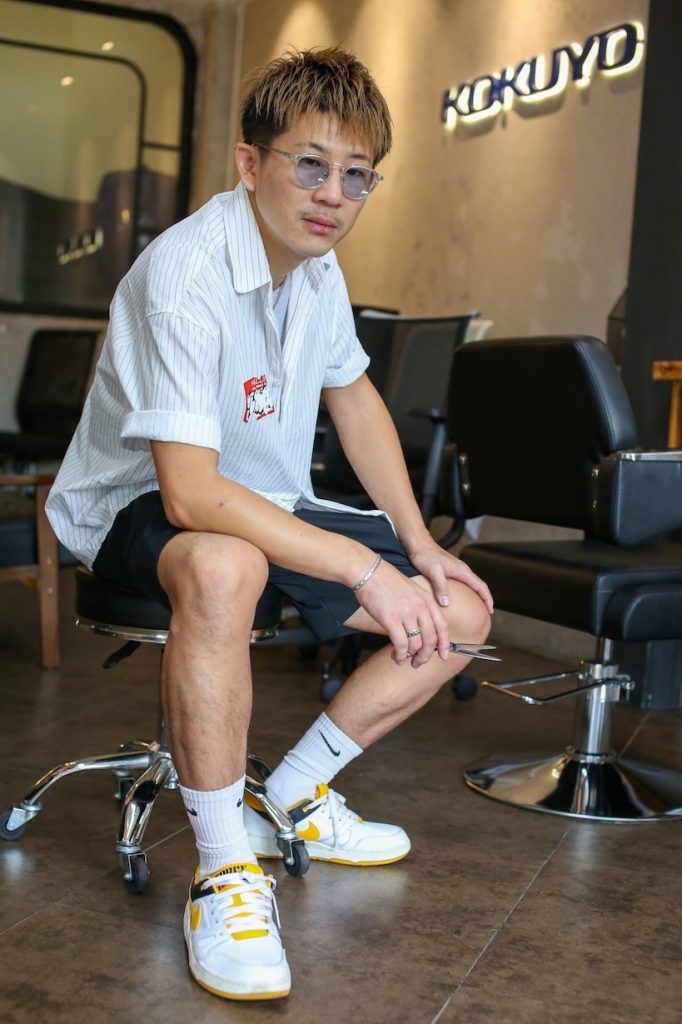
Shoto Oka at the HCMC branch of Lovest salon
When interviewing potential employees in Vietnam, Shoto often asks an “unusual” question: “If we hold a BBQ party on a day off, would you join?” This question helps him assess whether the candidate aligns with the salon’s family-like work culture. “If someone prefers to separate work and personal life, it can be challenging to maintain. But if they enjoy having fun together, then our company is very appealing,” Shoto says. For him, fostering a sense of community within his team is key to creating a welcoming atmosphere for clients.
One of the biggest challenges Shoto faces in Vietnam is maintaining the core values of the Lovest salon chain. “We’ve applied customer attraction strategies and staff training methods from what we’ve learned in Japan. However, we also recognize that there are significant differences between Japan and international markets, such as the prominence of social media and differing working styles. That is why learning Vietnam’s culture and society is crucial for operating effectively without losing our identity.”
Bridging cultures at a District 1 salon
Shoto believes that bridging the cultural gap between Japan and Vietnam is one of the most rewarding aspects of his work. “Much like in Vietnam, Japan’s beauty trends surge around special occasions, such as long summer holidays or the end of the year. During these times, people tend to make dramatic changes to their looks—clients who usually only touch up roots might dye their entire hair, or those who typically just get a trim may opt for a completely new style, like curling.”
At Lovest Salon, located at 52 Le Thanh Ton Street, District 1, Shoto and his team have introduced uniquely Japanese hairstyles to their Vietnamese clientele. One signature cut is the Kubire Bob, a short, elegant bob with a gentle curve around the neck that creates a sophisticated, feminine look. “It is a style that reflects both simplicity and precision, qualities that are deeply rooted in Japanese aesthetics,” Shoto explains. He hopes that more Vietnamese clients will come to appreciate this elegant style, which has already become a favorite among his Japanese expatriate customers.
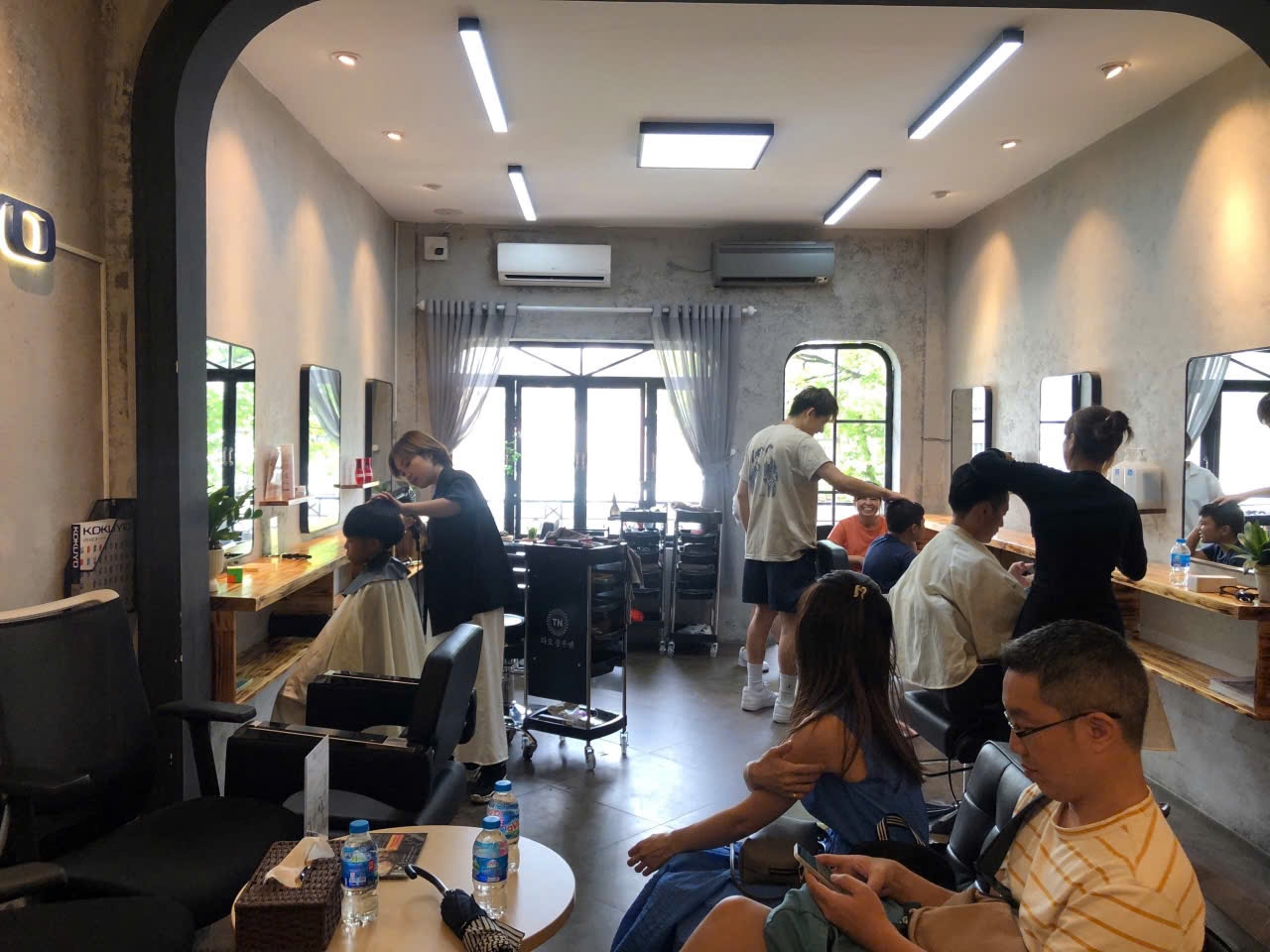
Lovest Salon: Bridging Vietnamese and Japanese culture through hairstyles in the heart of Saigon
Shoto reveals that 60% of Lovest’s clientele are Japanese and expats living in HCMC, 20% are Taiwanese, and the remaining 20% are Vietnamese. For him, the salon is not just a place for Japanese expatriates to reconnect with a sense of home, but also a bridge that helps him integrate into the Vietnamese community, particularly with Saigon’s locals.
“This is the first time I’ve heard a Japanese person learning to speak Vietnamese,” says Van Thanh, a customer from District 3, impressed by Shoto’s efforts to connect with the local culture. While his Vietnamese may not be flawless, Shoto always tries to communicate with clients in their native language. He believes that learning Vietnamese is a way to show respect for the culture of the country he now calls home.
With a deep love for Vietnamese culture and an entrepreneurial spirit, Shoto envisions Lovest becoming a place where clients come not only for a haircut but also to experience a sense of well-being and connection. “We take care of even the smallest details to ensure our clients leave with perfect hair and a relaxed mind,” Shoto says.
Shoto’s journey from a small-town dreamer in Mie Prefecture to the owner of an international salon chain is one marked by perseverance, adaptability, and a deep passion for hairstyling. As he continues to grow his business in Vietnam, Shoto remains committed to blending the best of Japanese beauty traditions with the vibrant spirit of Vietnam’s most vibrant city.
“I first began reading The Saigon Times during my earlier posting at the Consulate-General of Japan in Ho Chi Minh City, from 1994 to 1998. Those were exciting times, with Vietnam opening up under the Doi Moi reforms and many Japanese companies were establishing their presence in southern Vietnam. As an officer responsible for economic affairs at the Consulate-General in those days, I found the up-to-date information The Saigon Times provided on Vietnam’s economy truly invaluable — and I am sure the Japanese business community here shared that sentiment.
There is a question that has occupied philosophers across cultures and centuries: what does it mean to live in a world where everything changes, and nothing lasts?
"The Saigon Times has been a trusted source of information for the French Consulate for many years. Its English edition enables expats like me to stay well informed about business, economic and social developments in Vietnam. It has also been one of the reliable sources we use for our daily news round-ups and updates, helping us keep track of what is happening both locally and nationally.


 With a deep love for Vietnamese culture and an entrepreneurial spirit, Shoto envisions Lovest becoming a place where clients come not only for a haircut but also to experience a sense of well-being and connection. “We take care of even the smallest details to ensure our clients leave with perfect hair and a relaxed mind,” Shoto says.
Shoto’s journey from a small-town dreamer in Mie Prefecture to the owner of an international salon chain is one marked by perseverance, adaptability, and a deep passion for hairstyling. As he continues to grow his business in Vietnam, Shoto remains committed to blending the best of Japanese beauty traditions with the vibrant spirit of Vietnam’s most vibrant city.