Borrowing costs strain nearly half of HCMC firms
Must read
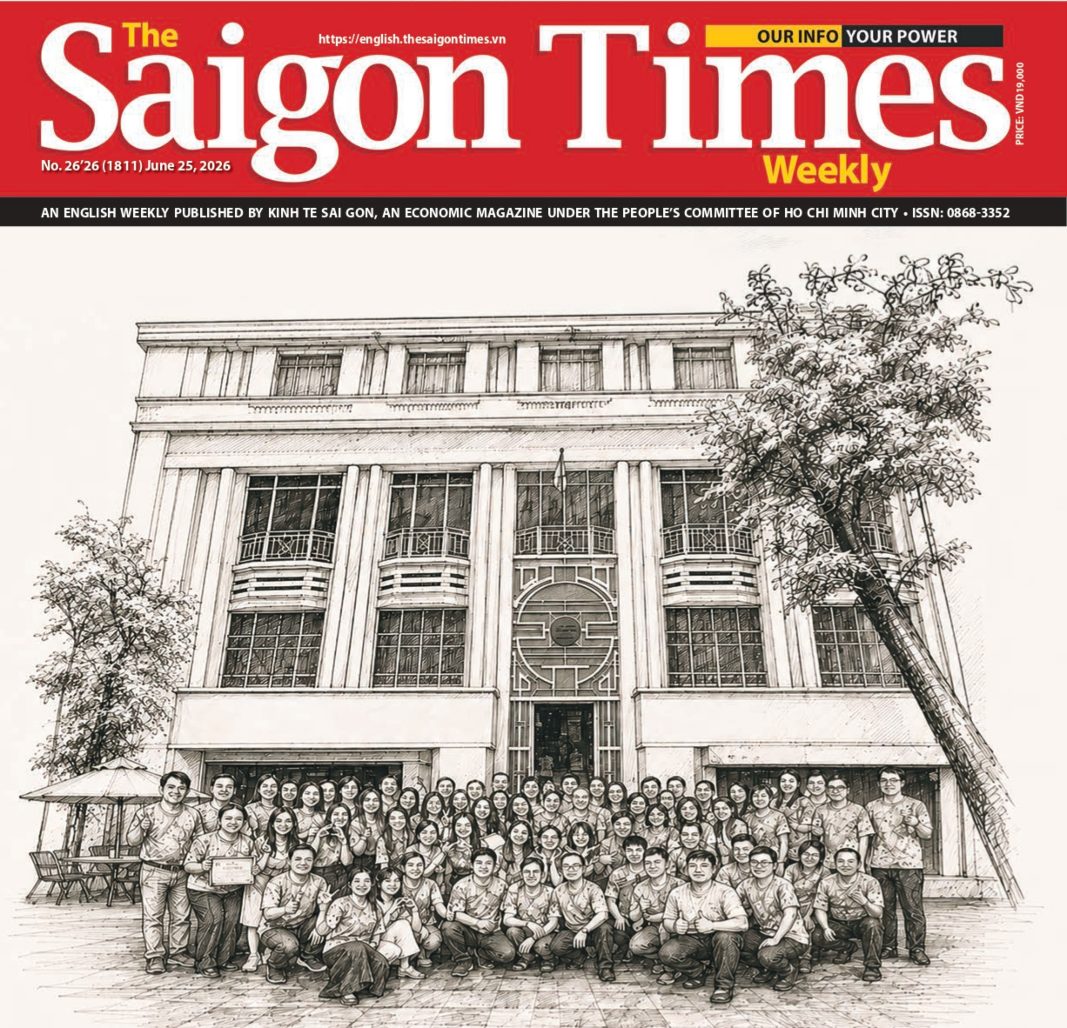
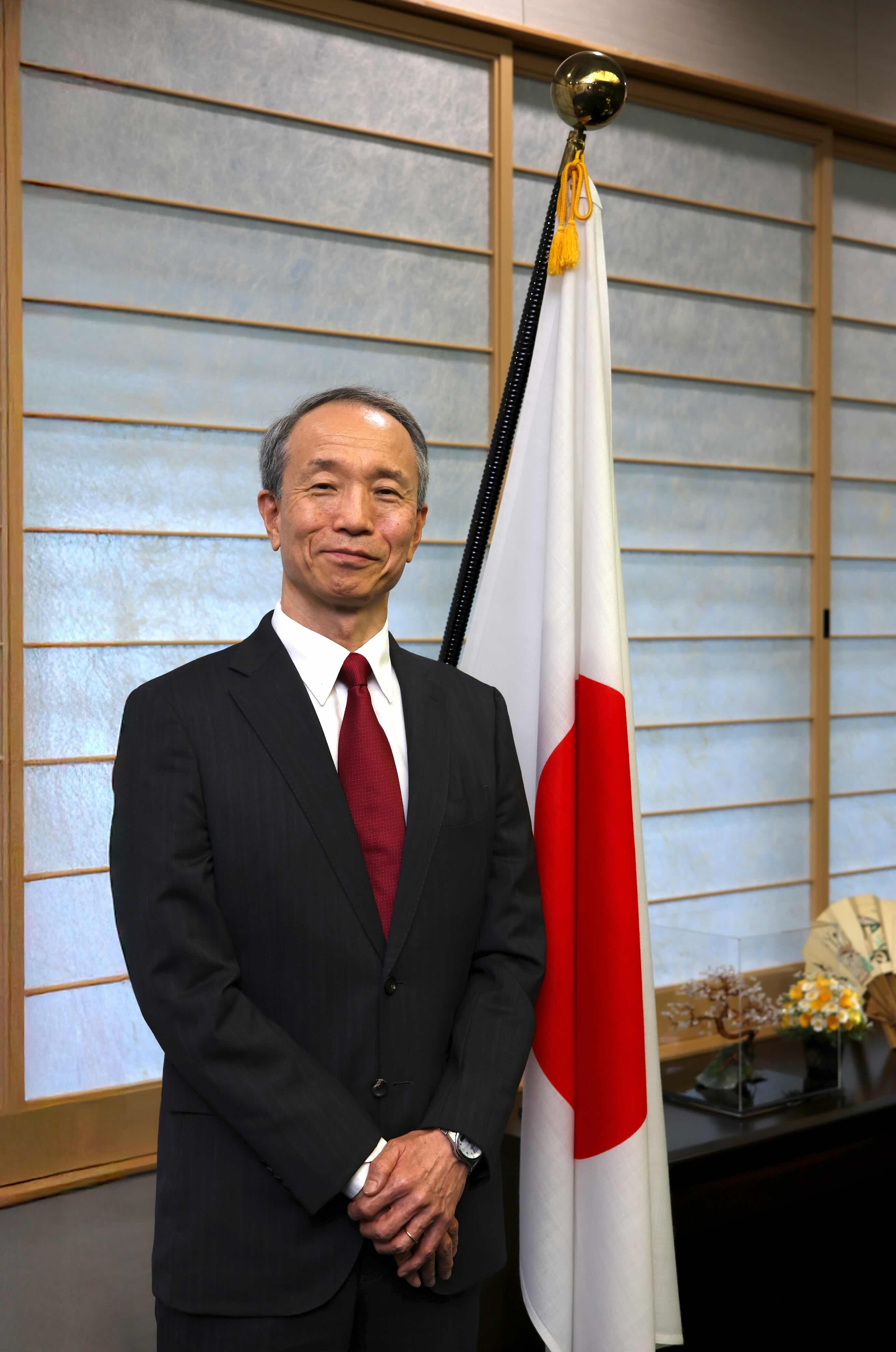
Japanese Consul General recalls The Saigon Times’ value since the 1990s

Japanese Consul General recalls The Saigon Times’ value since the 1990s

In the news June 25, 2026

“I first began reading The Saigon Times during my earlier posting at the Consulate-General of Japan in Ho Chi Minh City, from 1994 to 1998. Those were exciting times, with Vietnam opening up under the Doi Moi reforms and many Japanese companies were establishing their presence in southern Vietnam. As an officer responsible for economic affairs at the Consulate-General in those days, I found the up-to-date information The Saigon Times provided on Vietnam’s economy truly invaluable — and I am sure the Japanese business community here shared that sentiment.

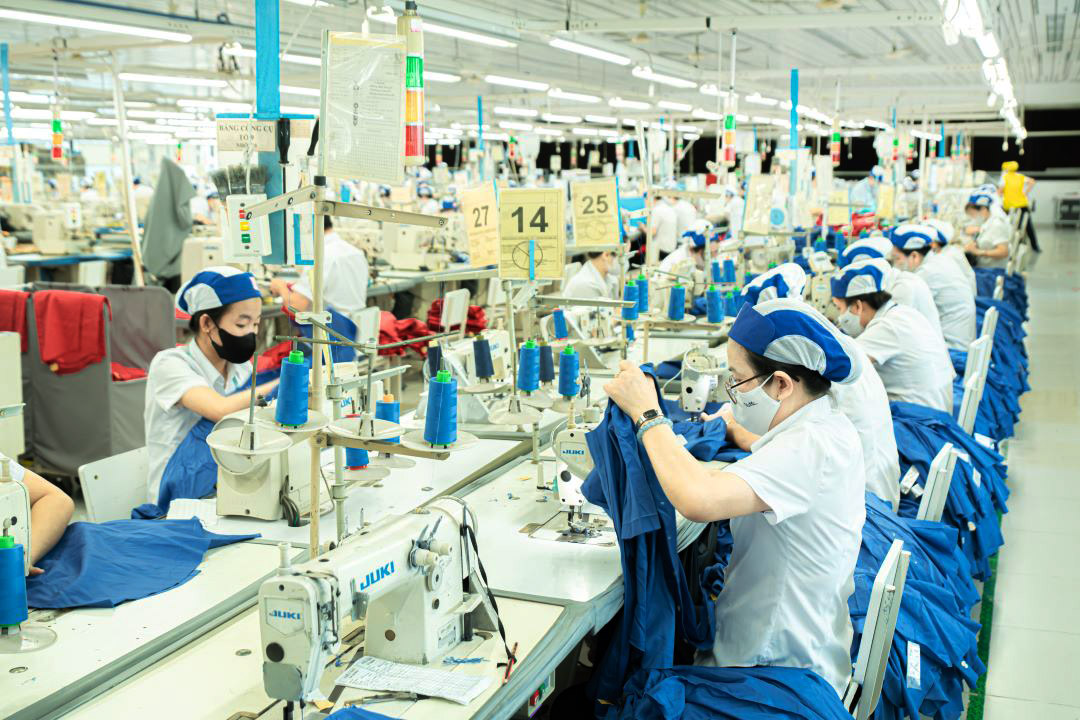
HCMC – Nearly 48% of businesses in HCMC are under pressure from borrowing costs, making it the second-largest challenge after input material costs, according to a first-quarter report by the HCMC Union of Business Associations (HUBA).
Input costs were cited by 54.5% of firms, while 41% pointed to logistics expenses, the report showed. HUBA noted lending rates commonly exceed 8.5% per year, with some sectors facing rates of 14–15%. Higher financing costs are cutting into profits and weakening firms’ resilience as capital turnover slows. Rising global disruptions are adding pressure. The ongoing conflict in the Middle East has affected shipping routes through the Strait of Hormuz, forcing rerouting and extending delivery times by 14–20 days. Shipping costs to the United States and Europe have risen two to three times, while fuel and petroleum-based material prices have increased by 30–40%. Cash flow is tightening as orders are split into smaller volumes, payments are delayed, and delivery timelines become less predictable. Export-oriented firms are among the most affected. By sector, textiles and fashion face higher logistics costs and longer delivery times. Food processing firms report rising input costs and risks in international payments. Wood and handicraft producers are under pressure from both material and transport costs, while orders have slowed. Maritime transport is heavily affected by higher fuel and insurance costs, and air freight rates have increased on multiple routes. Businesses also report labor shortages, rising costs to meet environmental standards, and issues with electronic customs procedures. Credit remains largely short-term and does not match current capital cycles. Despite this, 86% of firms reported stable revenue, 75% maintained profits, and 79.5% expect improved conditions next quarter. About 86% plan to hire more workers. Businesses have called on banks to ease lending conditions, extend loan tenors, and lower interest rates to below 6% per year for exporters. They also urged faster tax refunds, streamlined customs procedures, and long-term investment in logistics infrastructure.

Latest articles

Japanese Consul General recalls The Saigon Times’ value since the 1990s

Japanese Consul General recalls The Saigon Times’ value since the 1990s

In the news June 25, 2026

“I first began reading The Saigon Times during my earlier posting at the Consulate-General of Japan in Ho Chi Minh City, from 1994 to 1998. Those were exciting times, with Vietnam opening up under the Doi Moi reforms and many Japanese companies were establishing their presence in southern Vietnam. As an officer responsible for economic affairs at the Consulate-General in those days, I found the up-to-date information The Saigon Times provided on Vietnam’s economy truly invaluable — and I am sure the Japanese business community here shared that sentiment.