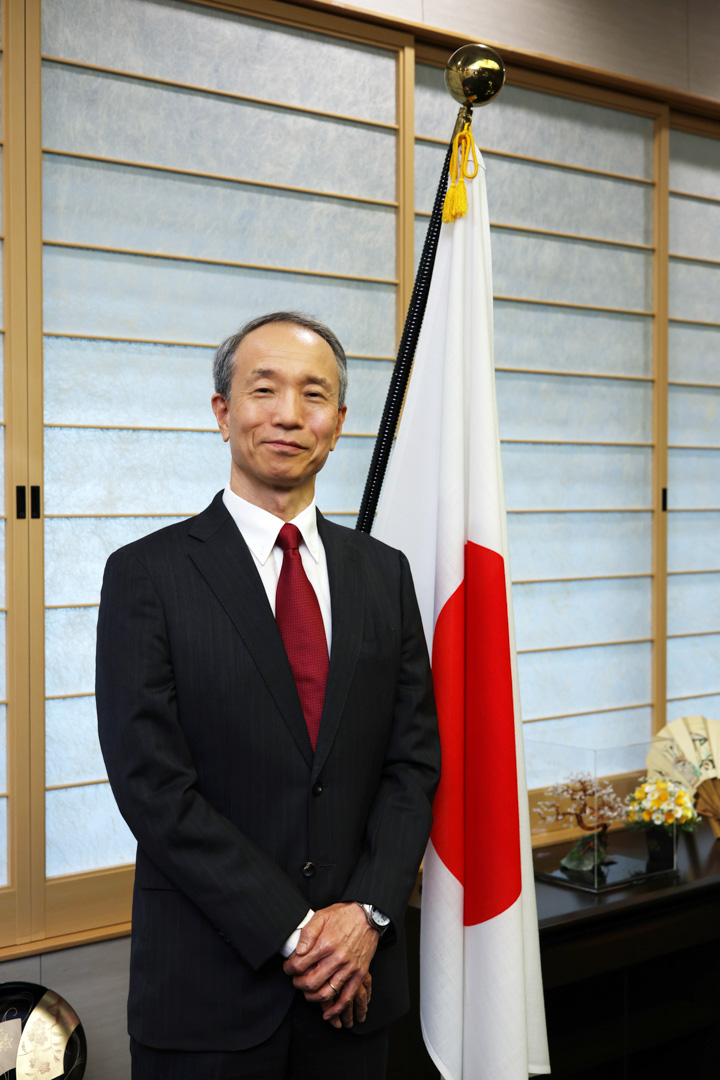
“I first began reading The Saigon Times during my earlier posting at the Consulate-General of Japan in Ho Chi Minh City, from 1994 to 1998. Those were exciting times, with Vietnam opening up under the Doi Moi reforms and many Japanese companies were establishing their presence in southern Vietnam. As an officer responsible for economic affairs at the Consulate-General in those days, I found the up-to-date information The Saigon Times provided on Vietnam’s economy truly invaluable — and I am sure the Japanese business community here shared that sentiment.
There is a question that has occupied philosophers across cultures and centuries: what does it mean to live in a world where everything changes, and nothing lasts?
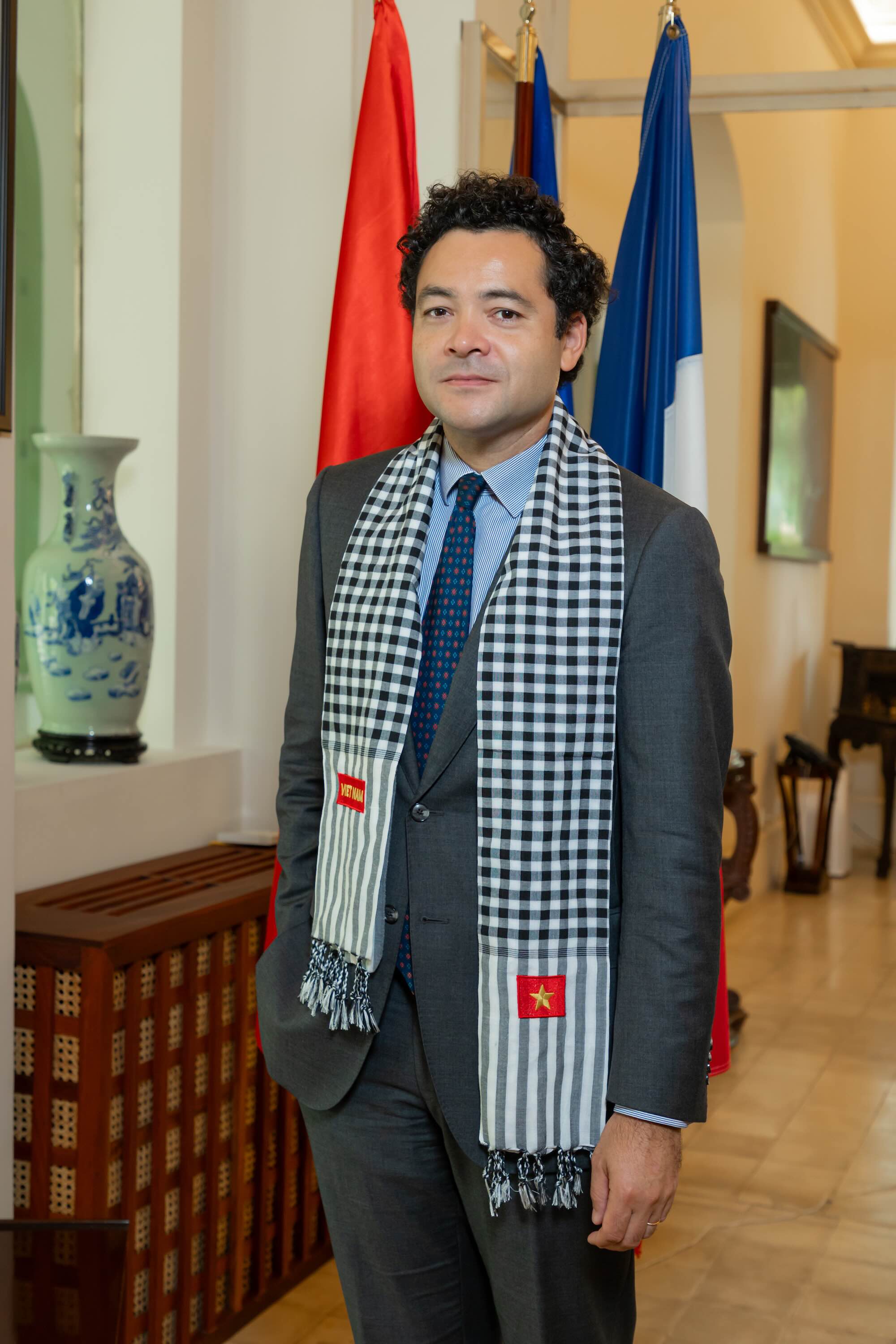
"The Saigon Times has been a trusted source of information for the French Consulate for many years. Its English edition enables expats like me to stay well informed about business, economic and social developments in Vietnam. It has also been one of the reliable sources we use for our daily news round-ups and updates, helping us keep track of what is happening both locally and nationally.
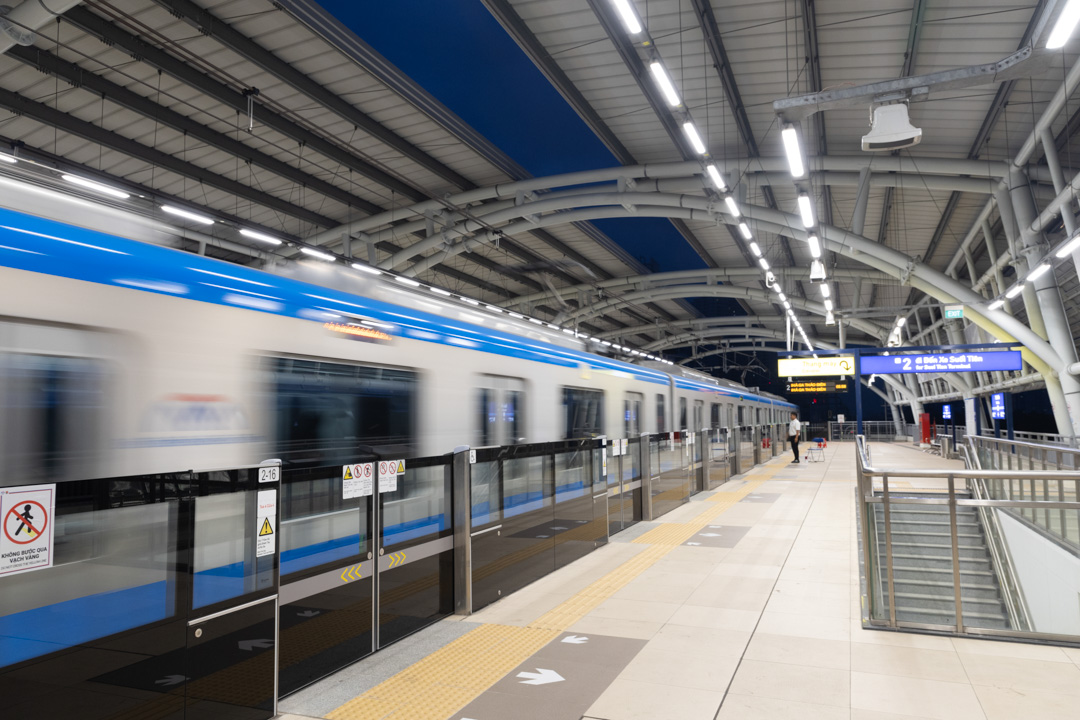
The silver-and-blue metro trains gliding through HCMC’s skyline early this year are more than a practical solution for the city’s 10 million residents. They symbolize the enduring partnership between Vietnam and Japan. They reflect decades of mutual trust, shared values, and a commitment to advancing progress and prosperity.
Established in 1973, Vietnam-Japan diplomatic relations have evolved into a model of regional collaboration. This relationship reached a significant milestone in 2023 with its elevation to a comprehensive strategic partnership which is dedicated to fostering “peace and prosperity in Asia and the world,” as stated in a joint statement by both nations.
Japan has long been a pioneer among G7 nations in strengthening ties with Vietnam. Noteworthy milestones include welcoming the general secretary of the Communist Party of Vietnam in 1995, forming a strategic partnership in 2009, and inviting Vietnam to the expanded G7 Summit in 2016. These historic firsts underscore Japan’s role in deepening this bilateral relationship, as highlighted by Nhan Dan newspaper.
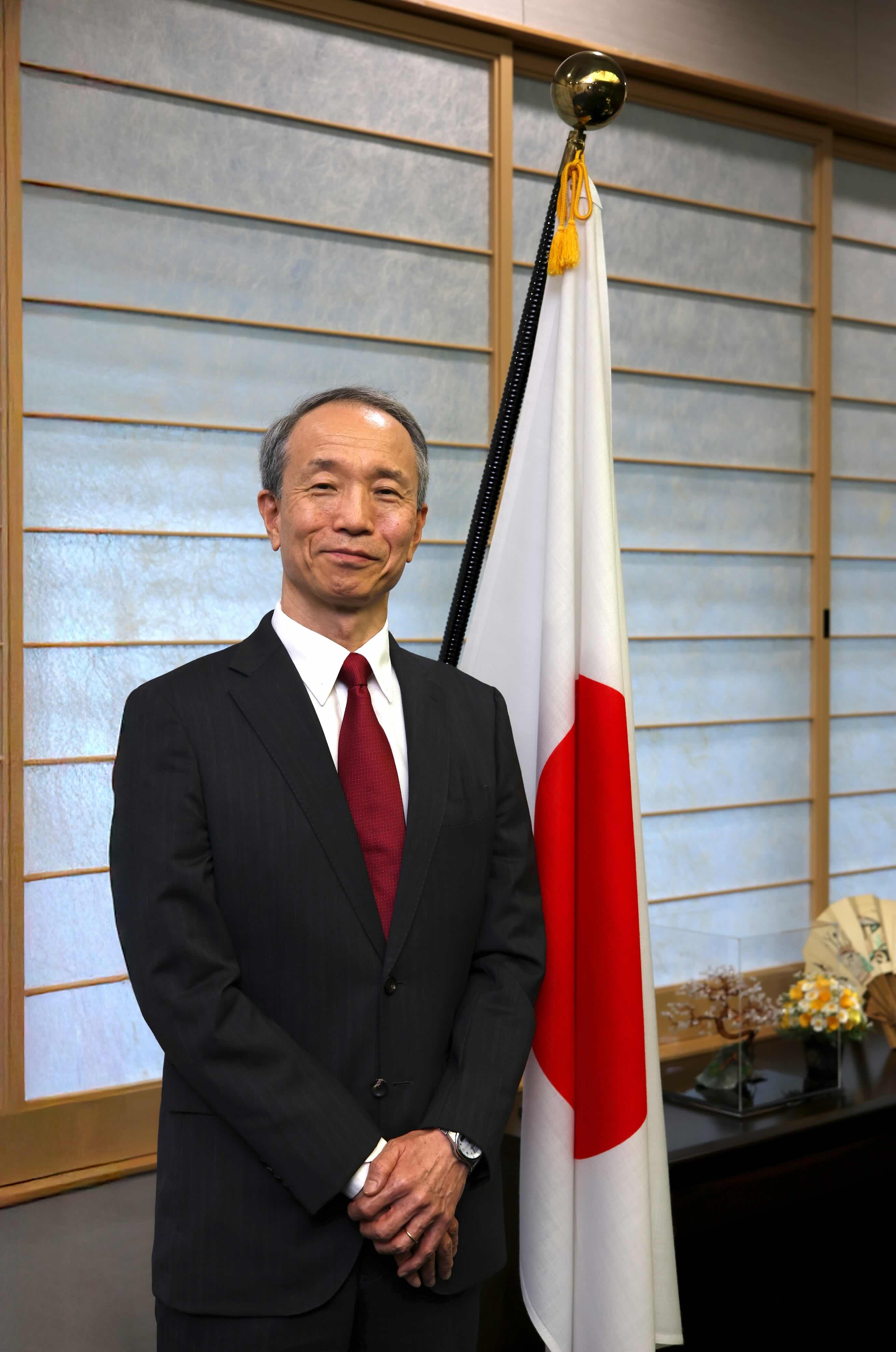
Ono Masuo, consul general of Japan in HCMC
Both Vietnam and Japan see each other as vital partners in the Indo-Pacific’s dynamic geopolitical landscape. Their collaboration extends beyond traditional economic ties to embrace cultural exchanges, climate action, and sustainable development. This multifaceted cooperation reflects their shared commitment to addressing pressing global challenges together.
The recent commercial launch of HCMC’s Metro Line No. 1, aka Ben Thanh-Suoi Tien, is a shining example of the tangible outcomes of Vietnam-Japan cooperation. This project, nearly two decades in the making, exemplifies the strength of their partnership.
Metro line’s momentum and HCMC’s sustainable urban development
After 17 years of planning and 12 years of construction, HCMC’s first metro line, which connects Ben Thanh Market and Suoi Tien Theme Park, marks a pivotal milestone in the city’s urban evolution. This 19.7-kilometer line, the first in an ambitious 355-kilometer urban railway network which the city would complete by 2035, has garnered enthusiastic public support.
In its first ten days of offering free rides for commuters, from December 22 to 31, 2024, the metro line transported over 1.1 million passengers, tripling the initial projection. During this period, the urban rail line saw 1,982 train departures.
“This project, constructed with Japanese official development assistance (ODA), is a landmark achievement symbolizing the successful cooperation between our two nations,” said Ono Masuo, consul general of Japan in HCMC. “It not only addresses the city’s transportation needs but also acts as a catalyst for broader economic growth. The project is expected to foster new development hubs around the stations, enhancing the quality of life for the city’s residents.”
Bui Xuan Cuong, vice chairman of the HCMC People’s Committee, emphasized the project’s role in the city’s commitment to sustainable transportation. By providing efficient and rapid transit, the metro line enhances mobility, reduces congestion, and improves air quality. “This initiative reflects the productive partnership between Vietnam and Japan while advancing our ambitious infrastructure development agenda,” Cuong said.
The project aligns seamlessly with the broader aspirations of the Vietnam-Japan partnership to foster sustainable urban landscapes. HCMC is adopting the transit-oriented development (TOD) model, which centers on creating walkable communities around metro stations.
This approach, featuring mixed-use developments and prioritizing pedestrian and cyclist accessibility, aims to maximize land use efficiency, reduce dependence on private vehicles, and elevate the quality of life for residents.
The city has identified 11 strategic areas along the metro line and HCMC Beltway No. 3 for development, with phased implementation plans extending through 2028.
“I’m delighted to see the successful implementation of this high-tech Japanese project in HCMC,” said Consul General Masuo.
Metro Line No. 1 is projected to drive the expansion of office districts, residential areas, and shopping centers, boosting property prices and fostering modern urban living. “Leveraging our extensive experience in urban development and advanced technology, Japan is committed to supporting Vietnam’s sustainable urbanization,” Masuo added.
New frontiers of cooperation
Over the past five decades, Japan has consistently stood as Vietnam’s largest provider of ODA, cementing its role as a cornerstone of the strong bilateral relationship between the two nations.
Vietnam is a key beneficiary of Japanese ODA, with support extending across a diverse range of mechanisms. These include grants, yen loans, technical cooperation, and innovative initiatives like the Joint Partnership Program (JPP). Active volunteer programs and substantial foreign direct investment further underscore Japan’s commitment to Vietnam’s development, according to the Vietnamese Ministry of Finance.
Since 1992, the Japan International Cooperation Agency (JICA) has provided Vietnam with three trillion yen in aid. This robust partnership has supported the training of over 27,000 Vietnamese and the deployment of nearly 15,000 Japanese experts, contributing significantly to Vietnam’s sustainable economic growth, reported Nhan Dan newspaper.
JICA’s partnership with Vietnam has produced tangible outcomes, including over 3,000 kilometers of road, 250 bridges, five international ports, and 10 power stations with a total capacity of around 4,500MW.
The partnership has progressed well beyond traditional infrastructure projects. Japan, notably the first G7 nation to recognize Vietnam’s market economy status in 2011, remains a pivotal partner. As of 2021, it stood as Vietnam’s second-largest investor and fourth-largest trading partner.
The partnership is increasingly focused on emerging fields like artificial intelligence (AI), information and communication technology (ICT), and renewable energy, reflecting its adaptability to new global challenges and opportunities.
Masuo noted that projects such as HCMC’s Metro Line 1 exemplify this integration across sectors. These initiatives incorporate traffic management, energy efficiency, and ICT applications—essential components of developing smart cities. This multifaceted approach also creates significant opportunities for Japanese ICT firms to expand business in Vietnam.
In a meeting with Japanese Deputy Foreign Minister Komura Masahiro in September 2024, HCMC Vice Chairman Vo Van Hoan expressed deep gratitude for Japan’s support in constructing Metro Line 1. He underlined the city’s need for continued cooperation with Japan in future projects.
Hoan also outlined HCMC’s plans to develop a highly skilled workforce in key industries like semiconductors and AI. He shared the city’s vision of establishing a high-tech industrial park with Japanese involvement, pledging strong local government support to facilitate investment and ensure the success of this endeavor.
Strengthening bilateral ties through people-to-people exchange
Growing people-to-people exchanges between Vietnam and Japan have become a cornerstone of their bilateral relationship, fueled by a shared fascination with each other’s cultural heritage and natural landscapes. This surge in cross-cultural engagement invigorates both economies while fostering deeper mutual understanding and appreciation.
In 2023, as Vietnam and Japan celebrated the 50th anniversary of diplomatic relations, a record 573,000 Vietnamese tourists visited Japan, a 115% increase compared to 2019, according to the Japan National Tourism Organization (JNTO). The growth continued into 2024, with 284,300 Vietnamese traveling to Japan in the first five months alone, a 108.5% year-over-year increase.
While Vietnamese travels to Japan have flourished, Japanese travels to Vietnam have yet to fully get back to pre-pandemic levels. Although 600,000 Japanese visited Vietnam in 2023, this figure remains below the 950,000 recorded in 2019. To attract more Japanese travelers, the Japanese Consulate General in HCMC is working with JNTO and the Japan External Trade Organization (JETRO) to enhance Vietnam’s appeal as a key travel destination.
Interest in the Japanese language and culture is also growing in Vietnam. Japanese agencies have partnered with universities to promote Japanese language education, offering enhanced resources and professional development for educators. Meanwhile, the Vietnamese community in Japan, now numbering 570,000, plays a pivotal role in strengthening ties by contributing to both nations’ economies and fostering cultural exchange.
Efforts to deepen educational ties include workshops organized by the Consulate General and the Japanese Universities Alumni Club in HCMC (JUACH). These initiatives inspire Vietnamese students to pursue education in Japan and facilitate exchange programs.
Cultural events further enrich these interactions. The Vietnam-Japan Festival (JVF), the largest Japanese cultural event in Vietnam, highlights the mutual appreciation of both nations. The 10th JVF, scheduled for March 8-9, 2025, will celebrate Japanese culture while showcasing Vietnam’s unique charm to Japanese and international audiences.
Earlier, after delays due to the Covid-19 pandemic, the eighth JVF in 2023 marked a significant return, attracting 485,000 visitors. The ninth JVF in 2024 saw 428,000 attendees and featured 144 organizations across 253 booths.
A partnership for the new era
The partnership between Vietnam and Japan has reached a pivotal moment, where renewed strategic engagement is essential to navigate a complex and fast-changing global landscape.
Geopolitical tensions and economic uncertainties have created an increasingly volatile international market, underscoring the need for urgent and decisive action to achieve sustainable development.
Amid this backdrop, Vietnam’s growth trajectory, bolstered by four decades of reform policy (Doi Moi), positions Japan as a vital investor and technological partner. The continued success of this partnership will depend on the ability of both nations to adapt to emerging global challenges and seize new opportunities.
A significant milestone in their collaboration was achieved in March 2024 with the launch of the Vietnam-Japan Joint Initiative for the New Era. This initiative streamlines bilateral efforts by reducing 11 working groups to five, fostering a more focused and efficient approach to cooperation.
The initiative emphasizes key priorities aimed at strengthening Vietnam’s legal and institutional frameworks to create a thriving business environment. Focus areas include accelerating the transition to cleaner energy sources, fostering a culture of innovation, and building more robust and resilient supply chains. Additionally, the development of a highly skilled workforce is central to this agenda.
In HCMC, local authorities are implementing reforms to create a more appealing investment climate. These initiatives include streamlining administrative procedures, improving tax transparency, and advancing the dual transformation of green and digital development. These measures are expected to attract significant foreign investment while cementing the city’s role as a leading regional economic hub.
Japanese businesses are also aligning their strategies with Vietnam’s developmental goals, particularly in high-tech industries. This alignment not only strengthens their global competitiveness but also contributes to Vietnam’s economic growth trajectory.
The deepening Vietnam-Japan partnership builds on a legacy of robust Japanese investment. In 2003, Japanese investments in Vietnam totaled US$4 billion, accounting for 9% of total foreign direct investment (FDI) capital in the country. By 2023, this figure had leapt to US$75 billion, representing 16% of Vietnam’s total FDI capital. This growth underscores the critical role Japanese investments have played in key transitions within Vietnam’s economy.
While the path ahead may present challenges, the foundation of trust and mutual respect between Vietnam and Japan offers a resilient platform for future collaboration. As both nations continue to strengthen their ties, the Vietnam-Japan partnership is well-positioned to shape the future of regional cooperation.
“I first began reading The Saigon Times during my earlier posting at the Consulate-General of Japan in Ho Chi Minh City, from 1994 to 1998. Those were exciting times, with Vietnam opening up under the Doi Moi reforms and many Japanese companies were establishing their presence in southern Vietnam. As an officer responsible for economic affairs at the Consulate-General in those days, I found the up-to-date information The Saigon Times provided on Vietnam’s economy truly invaluable — and I am sure the Japanese business community here shared that sentiment.
There is a question that has occupied philosophers across cultures and centuries: what does it mean to live in a world where everything changes, and nothing lasts?
"The Saigon Times has been a trusted source of information for the French Consulate for many years. Its English edition enables expats like me to stay well informed about business, economic and social developments in Vietnam. It has also been one of the reliable sources we use for our daily news round-ups and updates, helping us keep track of what is happening both locally and nationally.

 The partnership between Vietnam and Japan has reached a pivotal moment, where renewed strategic engagement is essential to navigate a complex and fast-changing global landscape.
Geopolitical tensions and economic uncertainties have created an increasingly volatile international market, underscoring the need for urgent and decisive action to achieve sustainable development.
Amid this backdrop, Vietnam’s growth trajectory, bolstered by four decades of reform policy (Doi Moi), positions Japan as a vital investor and technological partner. The continued success of this partnership will depend on the ability of both nations to adapt to emerging global challenges and seize new opportunities.
A significant milestone in their collaboration was achieved in March 2024 with the launch of the Vietnam-Japan Joint Initiative for the New Era. This initiative streamlines bilateral efforts by reducing 11 working groups to five, fostering a more focused and efficient approach to cooperation.
The initiative emphasizes key priorities aimed at strengthening Vietnam’s legal and institutional frameworks to create a thriving business environment. Focus areas include accelerating the transition to cleaner energy sources, fostering a culture of innovation, and building more robust and resilient supply chains. Additionally, the development of a highly skilled workforce is central to this agenda.
In HCMC, local authorities are implementing reforms to create a more appealing investment climate. These initiatives include streamlining administrative procedures, improving tax transparency, and advancing the dual transformation of green and digital development. These measures are expected to attract significant foreign investment while cementing the city’s role as a leading regional economic hub.
Japanese businesses are also aligning their strategies with Vietnam’s developmental goals, particularly in high-tech industries. This alignment not only strengthens their global competitiveness but also contributes to Vietnam’s economic growth trajectory.
The deepening Vietnam-Japan partnership builds on a legacy of robust Japanese investment. In 2003, Japanese investments in Vietnam totaled US$4 billion, accounting for 9% of total foreign direct investment (FDI) capital in the country. By 2023, this figure had leapt to US$75 billion, representing 16% of Vietnam’s total FDI capital. This growth underscores the critical role Japanese investments have played in key transitions within Vietnam’s economy.
While the path ahead may present challenges, the foundation of trust and mutual respect between Vietnam and Japan offers a resilient platform for future collaboration. As both nations continue to strengthen their ties, the Vietnam-Japan partnership is well-positioned to shape the future of regional cooperation.