Perched on a rocky outcrop at the mouth of the sea in Phu Quoc Special Zone of An Giang Province, Dinh Cau Shrine is one of the island’s most iconic spiritual and cultural landmarks. The centuries-old shrine has long served as a symbol of protection for local fishermen venturing into often unpredictable waters.
The terraced fields of Vietnam’s Northwest are more than sweeping curves etched into mountain slopes. They are living masterpieces shaped by generations of ethnic communities, including the Mong, Dao, La Chi, Tay and Nung peoples, through hard work, ingenuity and patience.
With its tranquil scenery and gentle hiking trail, Vi Ba Mountain has become an appealing destination for travelers seeking a peaceful escape, early-morning cloud hunting, and sweeping coastal views from above.
Mui Tro Beach in Lam Dong Province remains a largely untouched coastal spot that is not well known to tourists. Its peaceful environment and slow-paced fishing lifestyle provide a calm retreat for those who want to connect with nature and learn about local coastal communities.
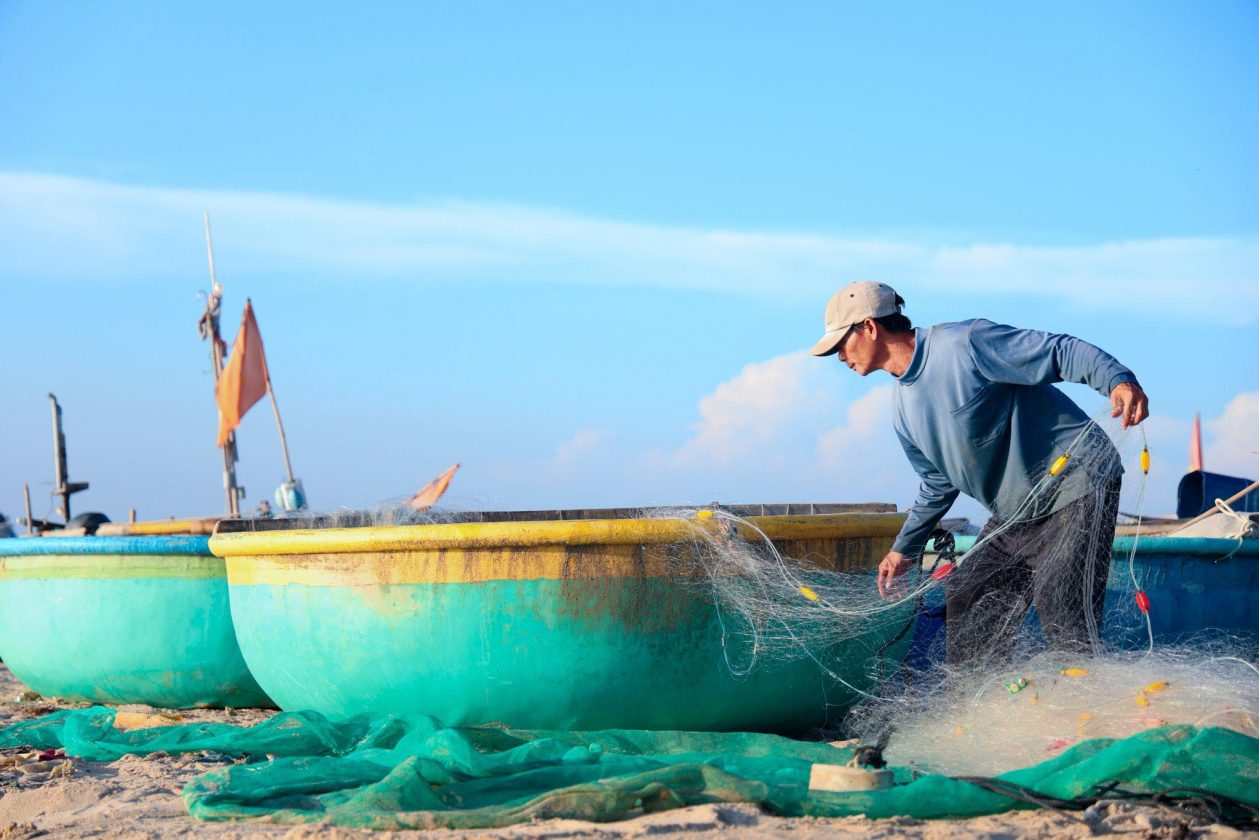
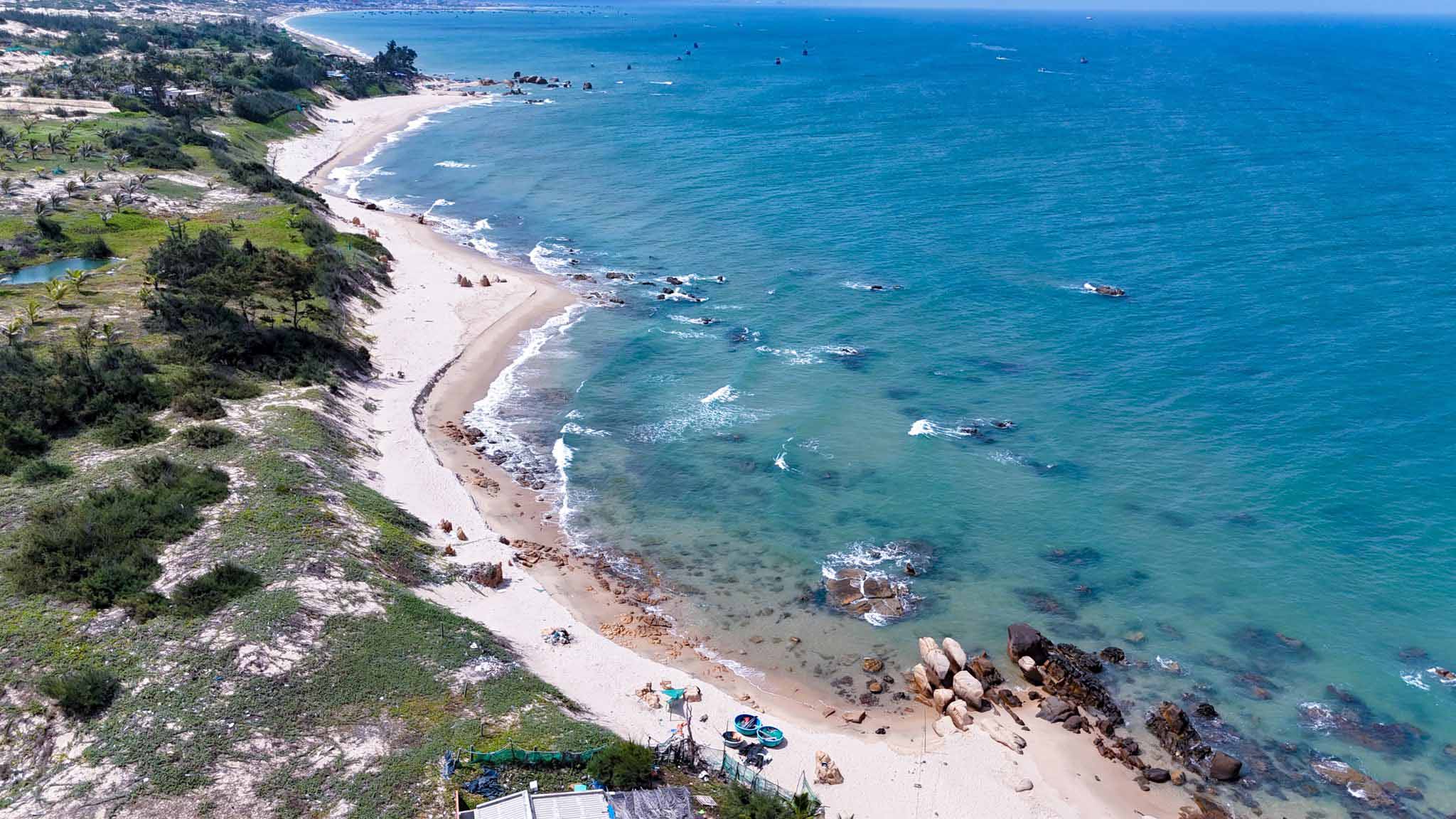
Mui Tro is home to a small, isolated fishing village, surrounded by the sea on one side and low hills on the other - PHOTOS: LU DUY TUONG
Mui Tro is home to a small, isolated fishing village, surrounded by the sea on one side and low hills on the other. This natural setting creates a secluded area, separate from nearby residential neighborhoods.
Reaching Mui Tro involves traveling along National Highway 1A before turning onto Provincial Road 716 toward Co Thach Beach. From there, travelers must continue about two kilometers on a narrow, sandy path leading to the fishing village. The road is tough to navigate, so caution is advised.
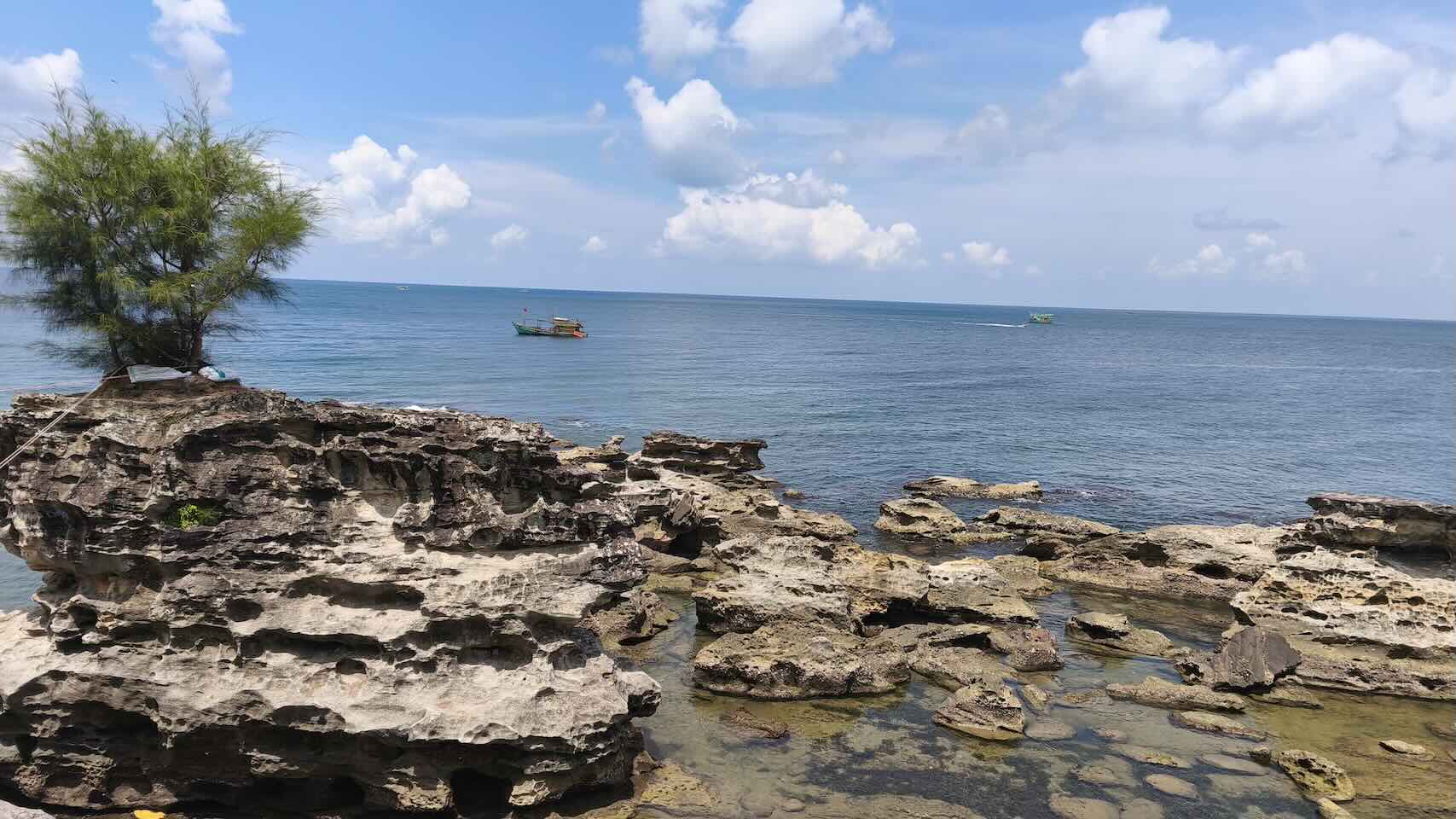
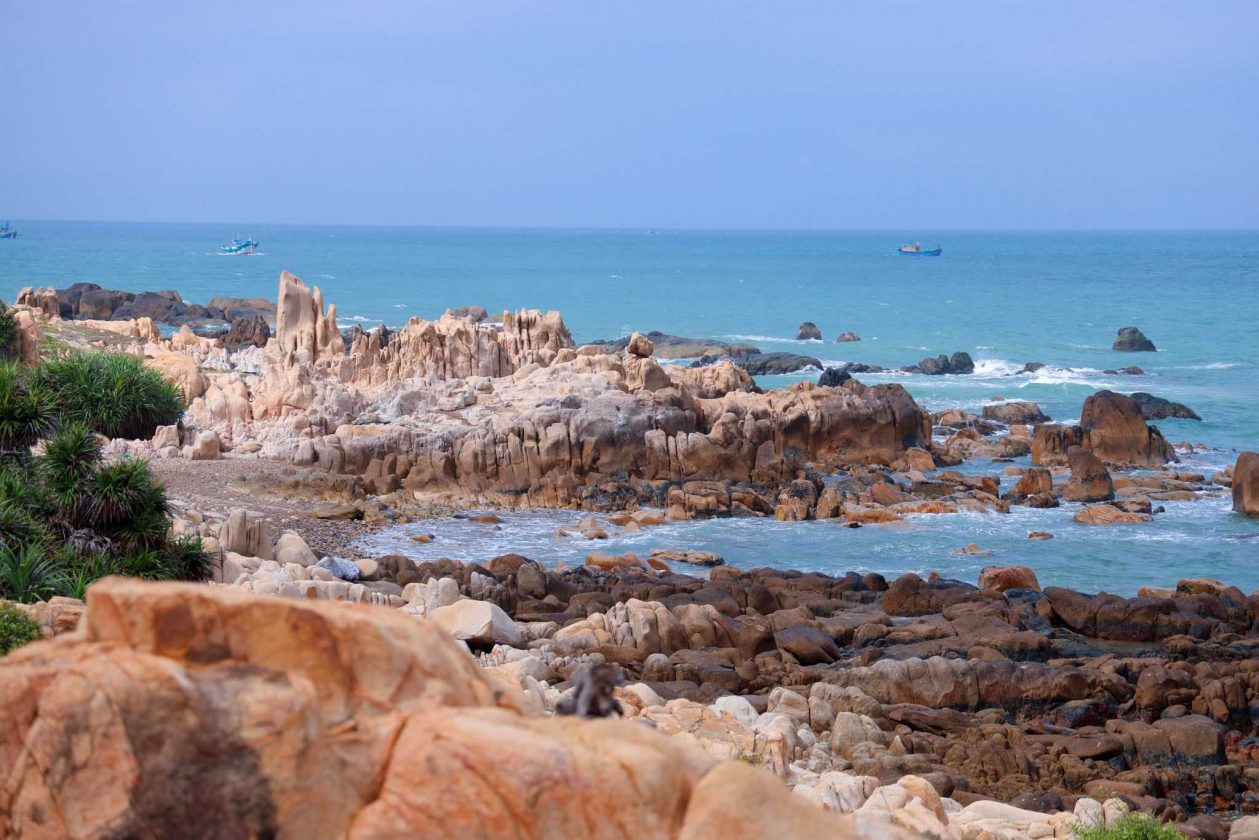
The beach stretches along the coast featuring natural rock and pebble formations
The beach stretches along the coast featuring natural rock and pebble formations. Its shallow, calm water is ideal for swimming, relaxing, and outdoor activities like camping. The village itself consists of only a few small houses and dozens of traditional round basket boats scattered along the shoreline.
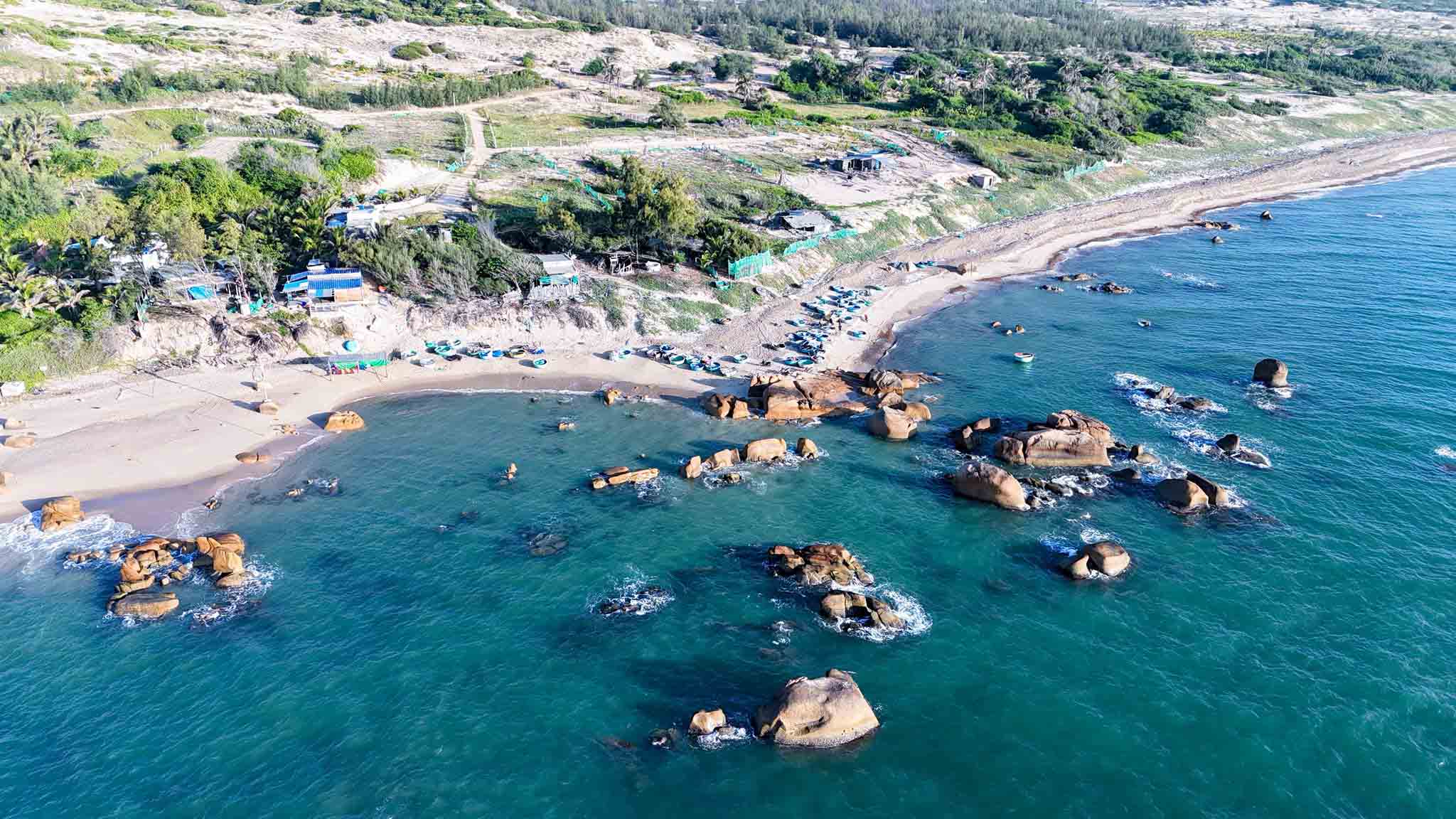
Large rock formations near the beach are popular spots for watching the sunrise or enjoying the moonlit scenery on clear nights. During weekends, many tourists camp overnight in a coastal pine grove. The site offers a flat, grassy area large enough for tents and is close to the sea but sheltered from strong winds.
Large rock formations near the beach are popular spots for watching the sunrise or enjoying the moonlit scenery on clear nights
At night, the beach is peaceful, with the moonlight reflecting off the water and creating a serene atmosphere. Early in the morning, local fishermen head back to shore after their overnight fishing trips. Visitors can watch their daily routines or buy freshly caught seafood directly from the boats. Additionally, tourists should be cautious when swimming in areas with many rocks, as some are covered in slippery moss.
While Mui Tro is not a popular tourist spot, its simplicity and peaceful surroundings attract those looking for a slower pace and a closer connection to nature.
Mui Tro is home to a small, isolated fishing village, surrounded by the sea on one side and low hills on the other
Perched on a rocky outcrop at the mouth of the sea in Phu Quoc Special Zone of An Giang Province, Dinh Cau Shrine is one of the island’s most iconic spiritual and cultural landmarks. The centuries-old shrine has long served as a symbol of protection for local fishermen venturing into often unpredictable waters.
The terraced fields of Vietnam’s Northwest are more than sweeping curves etched into mountain slopes. They are living masterpieces shaped by generations of ethnic communities, including the Mong, Dao, La Chi, Tay and Nung peoples, through hard work, ingenuity and patience.
With its tranquil scenery and gentle hiking trail, Vi Ba Mountain has become an appealing destination for travelers seeking a peaceful escape, early-morning cloud hunting, and sweeping coastal views from above.



 At night, the beach is peaceful, with the moonlight reflecting off the water and creating a serene atmosphere. Early in the morning, local fishermen head back to shore after their overnight fishing trips. Visitors can watch their daily routines or buy freshly caught seafood directly from the boats. Additionally, tourists should be cautious when swimming in areas with many rocks, as some are covered in slippery moss.
While Mui Tro is not a popular tourist spot, its simplicity and peaceful surroundings attract those looking for a slower pace and a closer connection to nature.