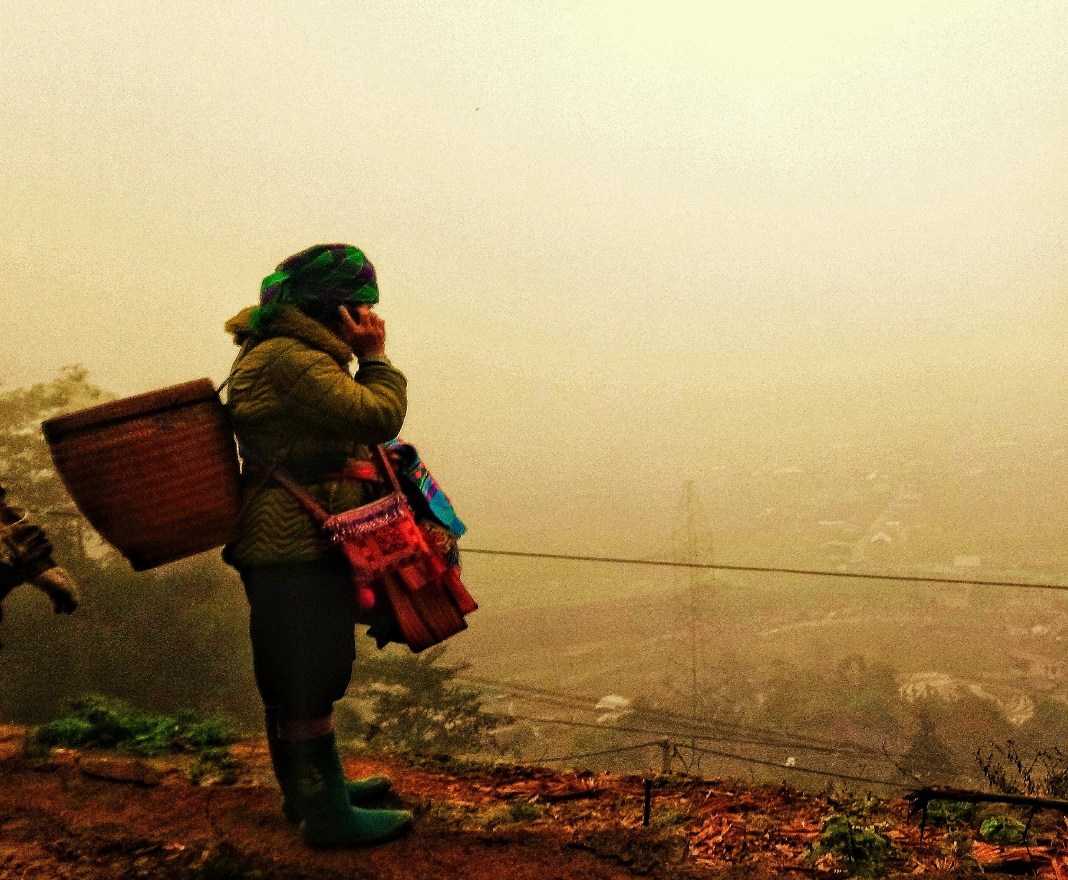
The cycle of debt looms large over numerous low-income Vietnamese households, propelled by stagnant wages, restricted access to conventional financial services, and inadequate financial literacy.
Financial barriers
Financial barriers are tightening their grip on low-income individuals in Vietnam, intensifying an already challenging economic landscape. A recent report by Home Credit and Decision Lab underscores this grim reality, revealing that stagnant wages are failing to match the surge in living costs, leaving families struggling to cover even basic necessities.
The December 2023 survey, which encompassed 1,200 Vietnamese respondents, paints a troubling picture: one-third experienced a decrease in income, while another third saw no improvement. These circumstances disproportionately affect low-income earners, who lack the financial cushion needed to weather unexpected setbacks.
Alarmingly, nearly half of the respondents admit to living paycheck to paycheck, with scant savings to buffer against emergencies. Even minor crises, such as medical bills, can plunge these vulnerable families into financial turmoil.
Adding to the challenge, traditional bank loans demand extensive documentation to verify income and assets. Meeting stringent creditworthiness criteria and enduring lengthy approval processes can be daunting for borrowers. This is especially true in Vietnam and similar developing economies, where income validation requirements often exclude those in informal employment or with irregular earnings. A 2015 analysis published on World Bank Voices sheds light on the global scale of this issue, where many individuals are shut out of formal financial services due to such documentation hurdles.
For Vietnam's rural populace and low-income earners, geographical barriers compound the problem. Bank branches and ATMs are predominantly concentrated in urban hubs, rendering access cumbersome and time-consuming for rural residents. Furthermore, a pervasive lack of financial literacy, particularly in rural areas, hinders many Vietnamese from navigating financial products effectively and comprehending their advantages.
Risky alternatives
The tightening grip of financial barriers has led many individuals in Vietnam to seek refuge in informal financial avenues, such as money lenders or local savings groups. While these options may offer some access to funds, they often come with limited credit options, meager savings opportunities, and a lack of regulatory oversight, leaving consumers vulnerable.
In tandem, the allure of credit cards and Buy Now, Pay Later (BNPL) services has been steadily rising in Vietnam, driven by their convenience and widespread acceptance among merchants. However, these alternatives pose the risk of overspending. With credit limits often exceeding individuals' financial means, the temptation to indulge beyond one's budget is a genuine concern, as highlighted by the Vietnam News Agency.
Compounding this issue is the pervasive lack of financial literacy among those turning to these alternative lending solutions. Many individuals lack a basic understanding of interest rates, debt accumulation risks, and the importance of budgeting. A 2020 report by the Asian Development Bank Institute underscored the prevalence of this issue, revealing that a significant portion of the Vietnamese population struggles with fundamental financial concepts.
The repercussions of this financial illiteracy are severe. Borrowers may underestimate the long-term costs associated with debt, especially when high-interest rates come into play if balances are not promptly repaid in full. Moreover, credit cards often entail various fees that further inflate the overall debt burden, as highlighted in an article published by Nhan Dan newspaper in March.
Innovation and education
Addressing the challenges faced by low-income earners in Vietnam requires innovative approaches and a concerted effort to enhance financial education. While consumer finance companies can contribute by offering more accessible credit options, the solution needs to be comprehensive and inclusive. This involves streamlining access to financial services, simplifying application processes, and leveraging digital solutions across the entire financial ecosystem to expand reach while ensuring responsible lending practices.
Financial education is a cornerstone of this endeavor. Research in 2021 highlighted the positive impact of financial literacy on promoting broader financial inclusion. Equipping borrowers from all income brackets with the knowledge to effectively manage credit, budget, and save is crucial for fostering long-term financial resilience.
Achieving this goal necessitates multifaceted initiatives. Government-led programs, collaborations between non-governmental organizations (NGOs) and the financial sector, and integrating financial education into workplaces can collectively drive meaningful change.
In Vietnam, the emphasis should be on enhancing financial literacy across diverse segments of society, particularly among vulnerable groups such as low-income earners and rural populations. Rather than relying solely on a specific type of institution, a collaborative approach involving various stakeholders is essential to establish a solid foundation for financial well-being.