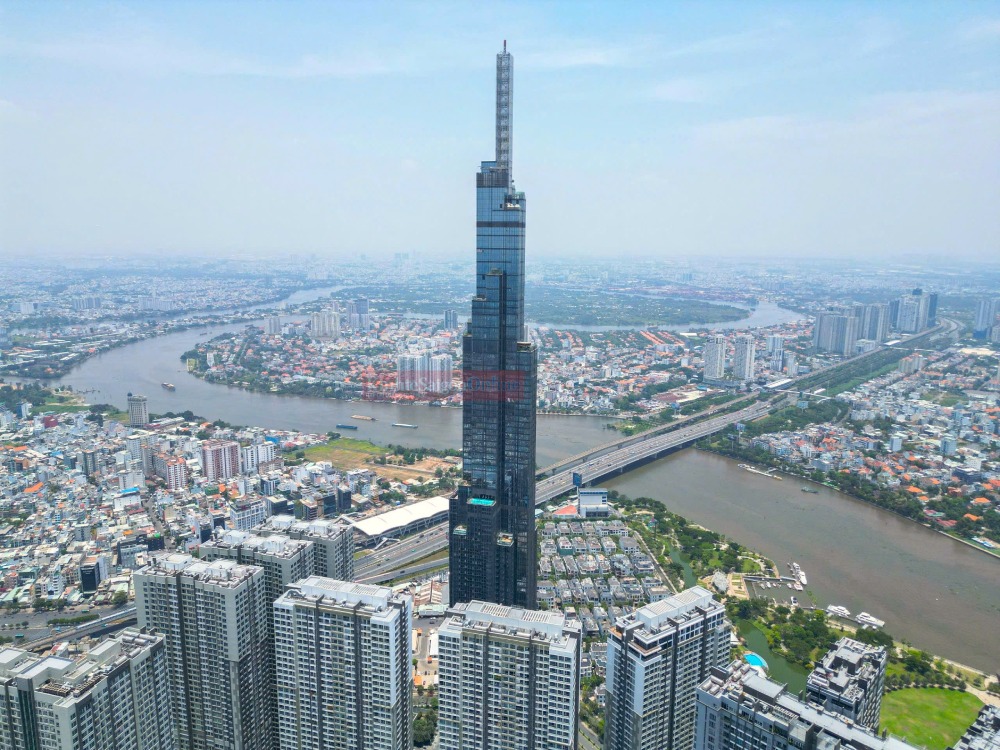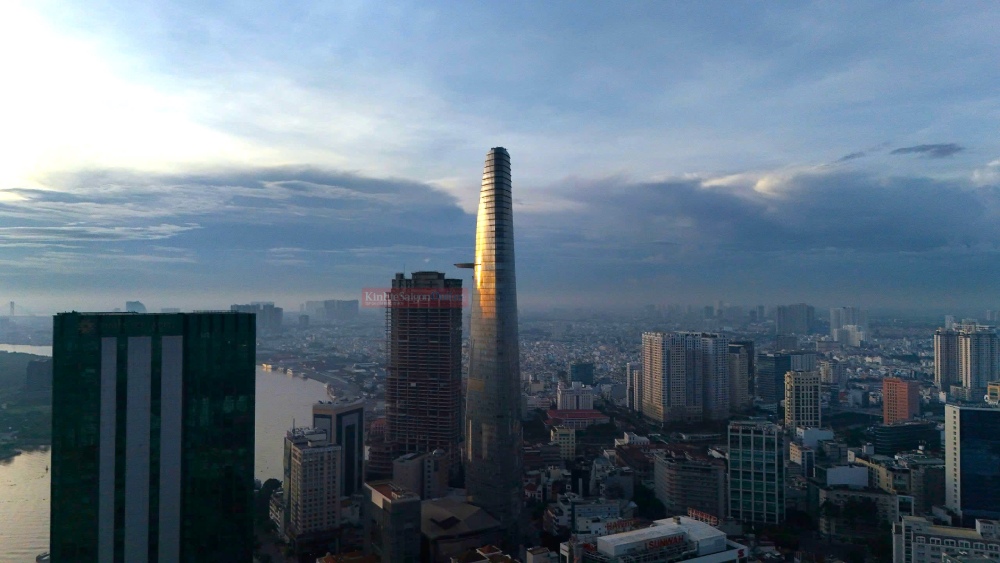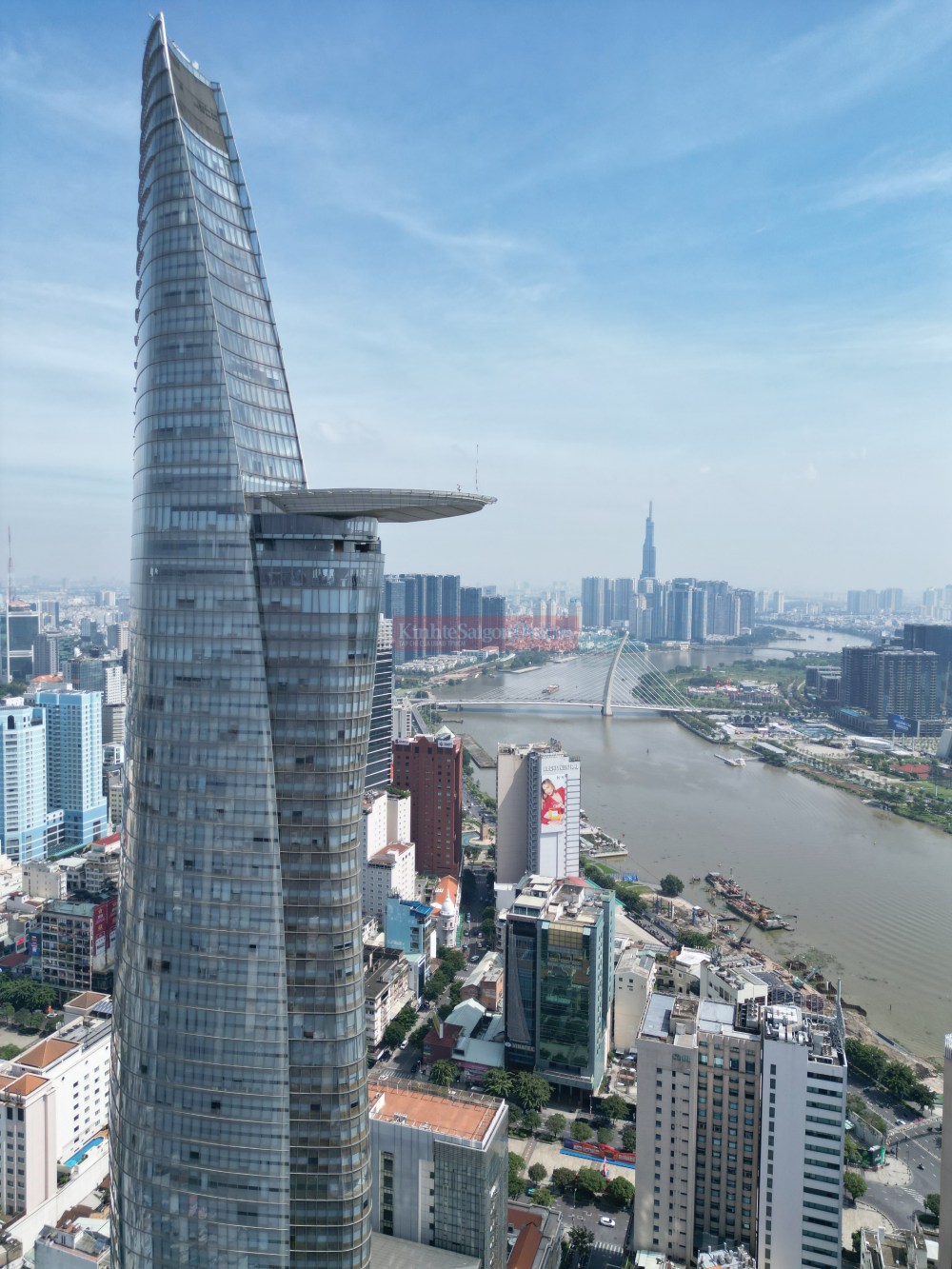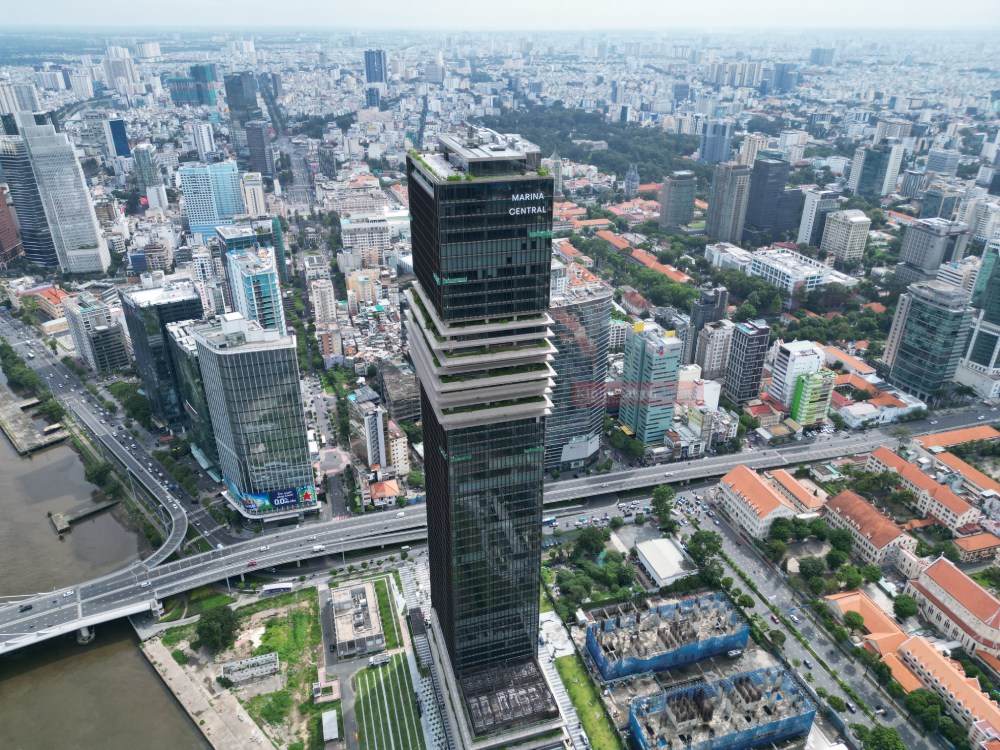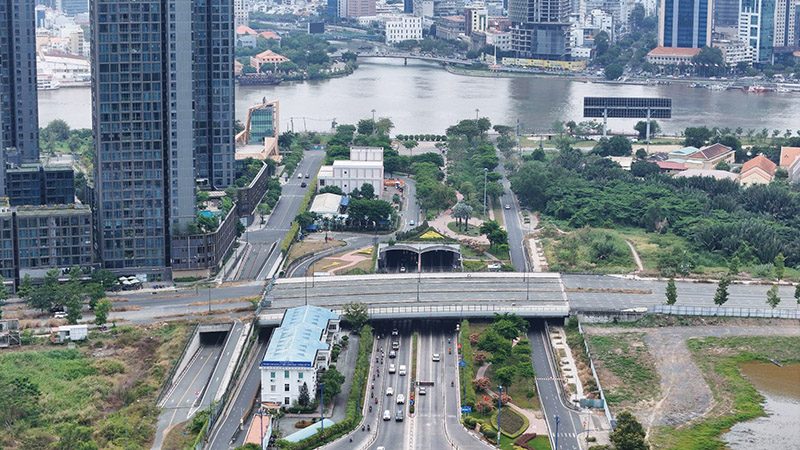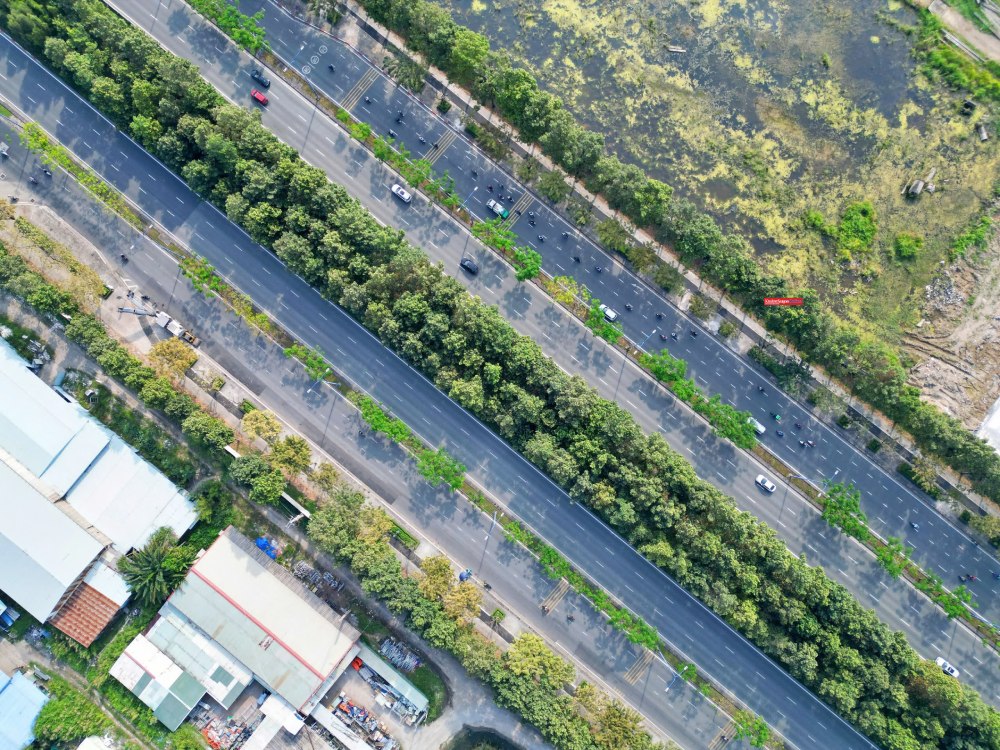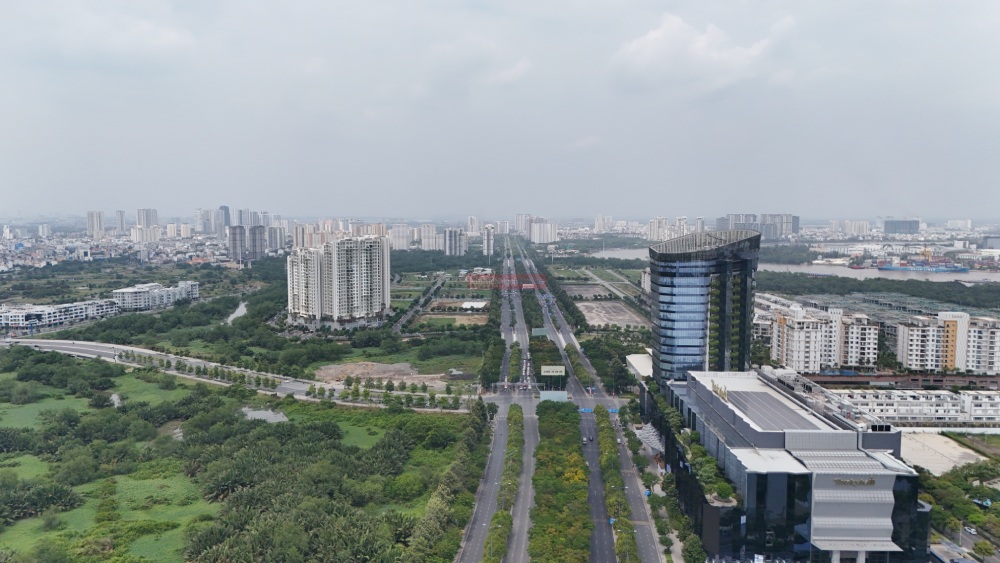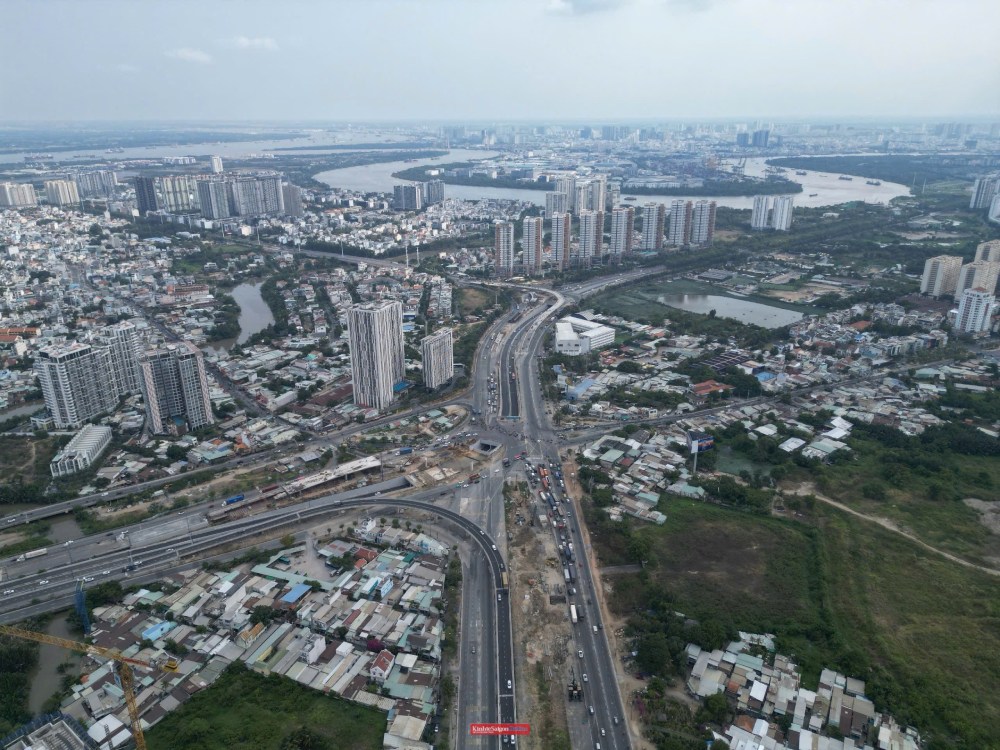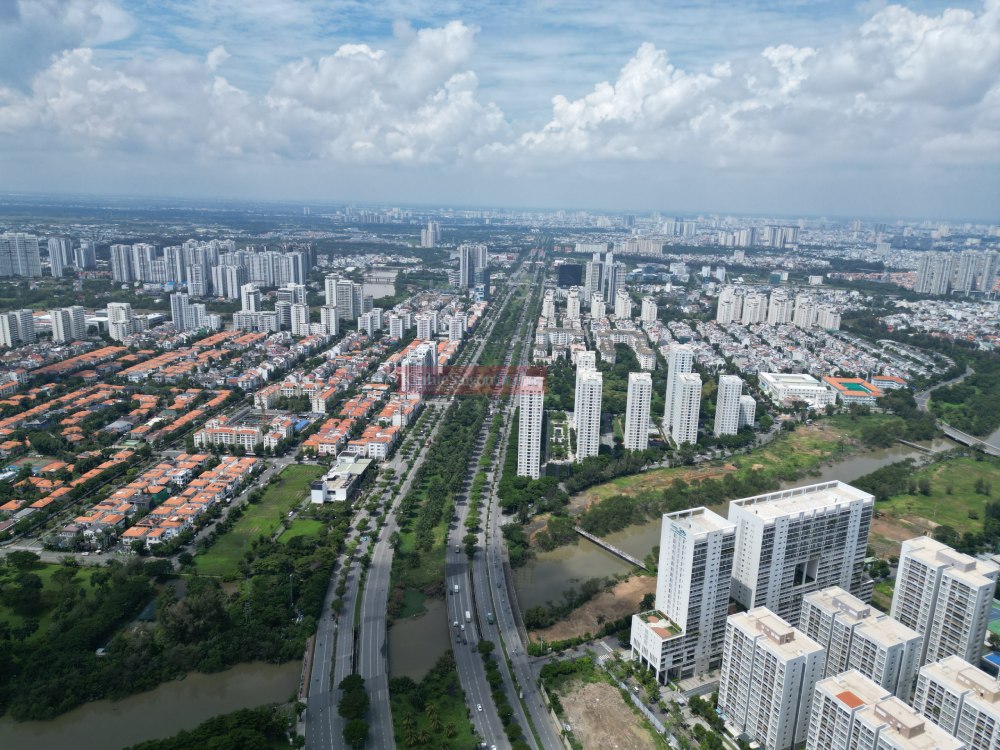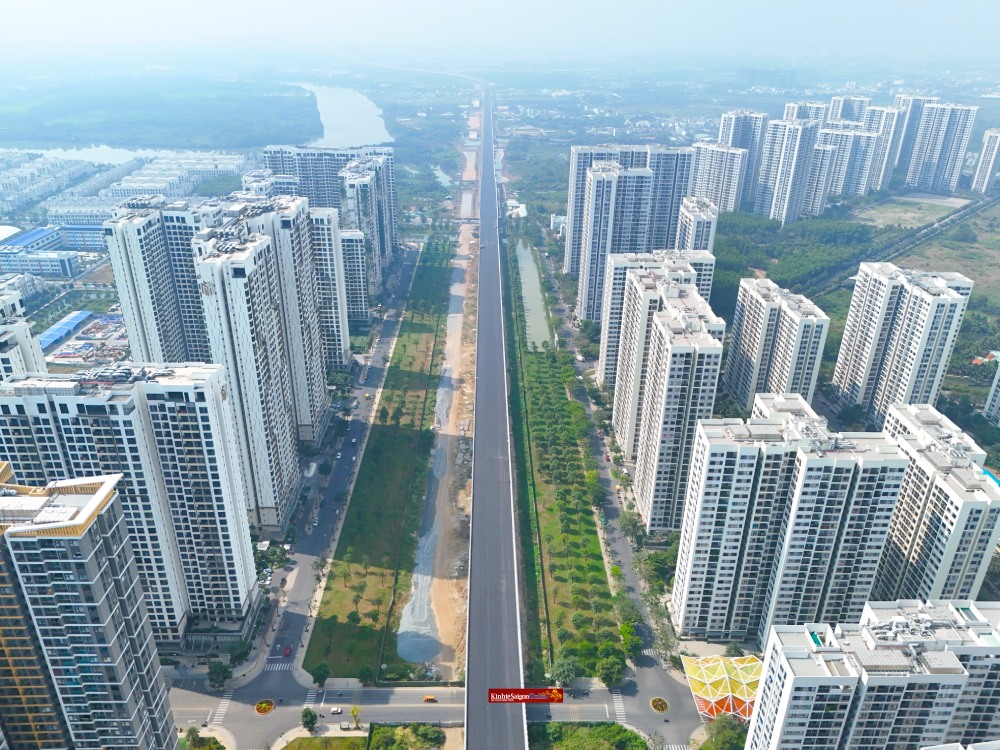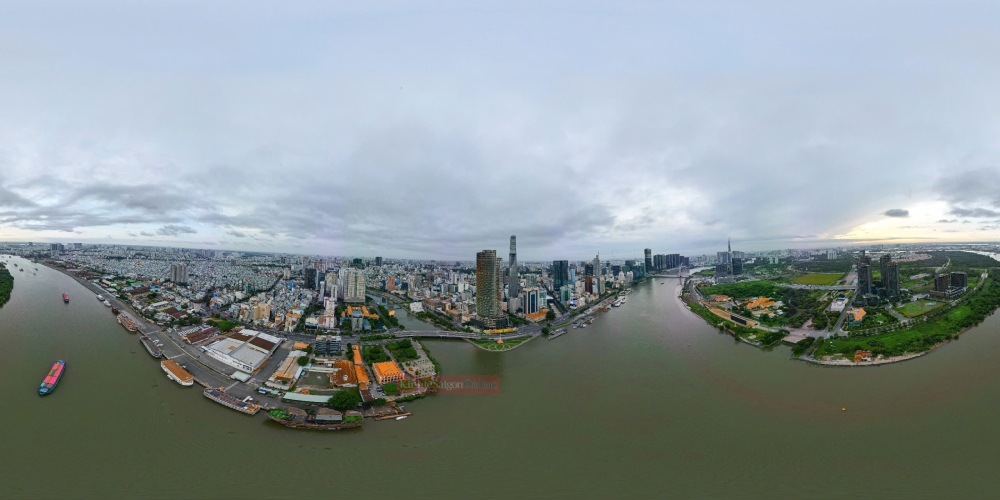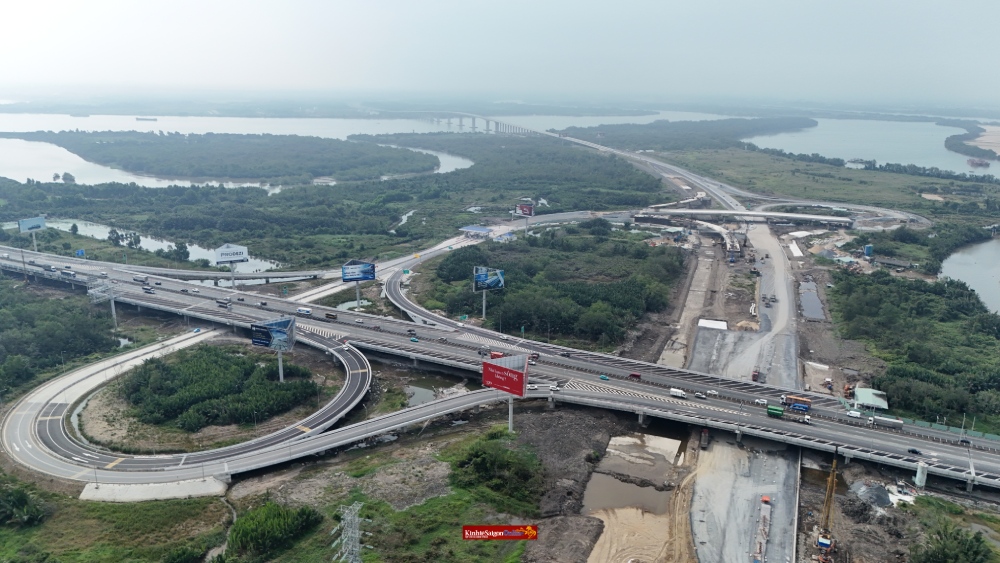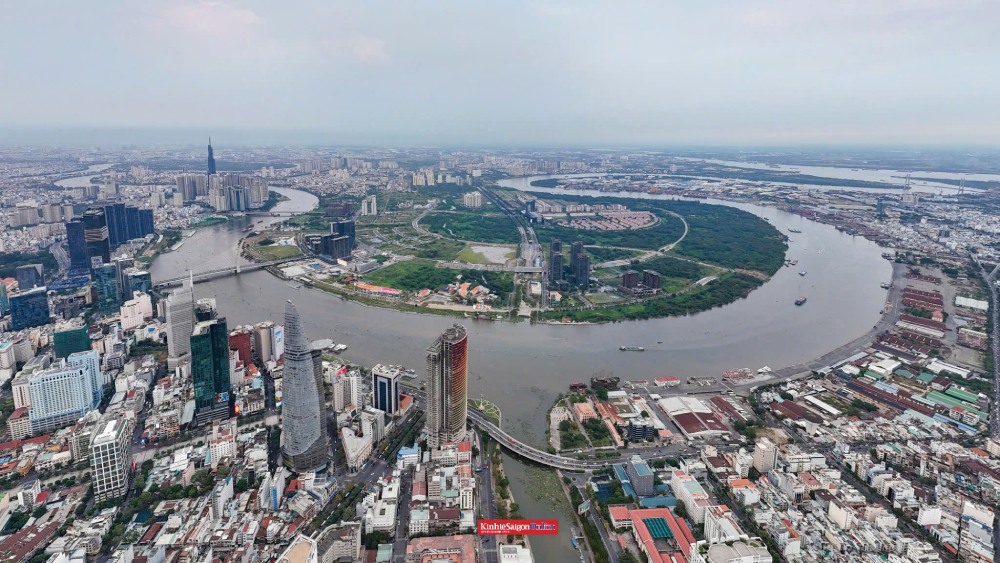
HCMC - Since the liberation of the south and the reunification of the nation on April 30, 1975, HCMC has undergone a sweeping transformation, driven by rapid urban infrastructure upgrades.
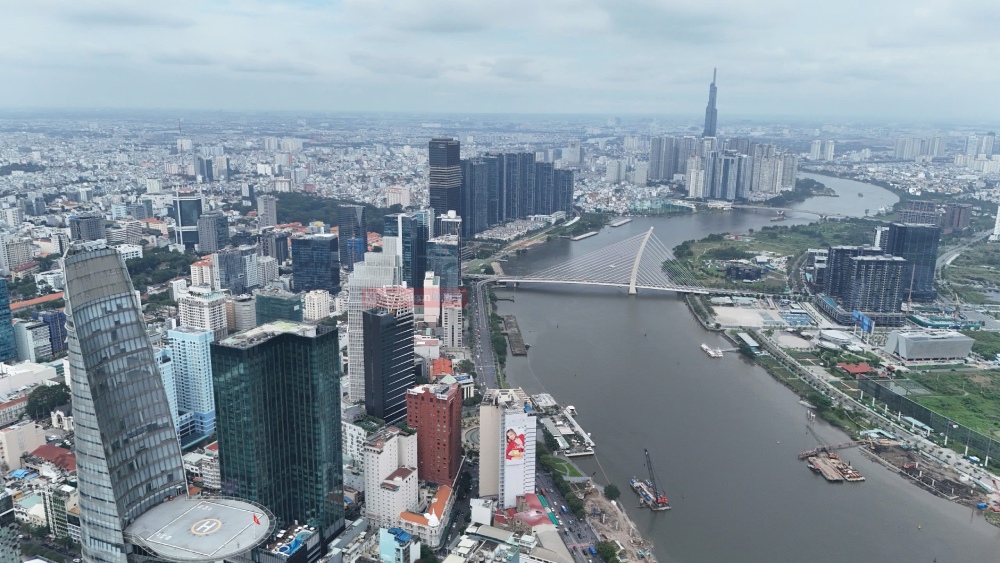
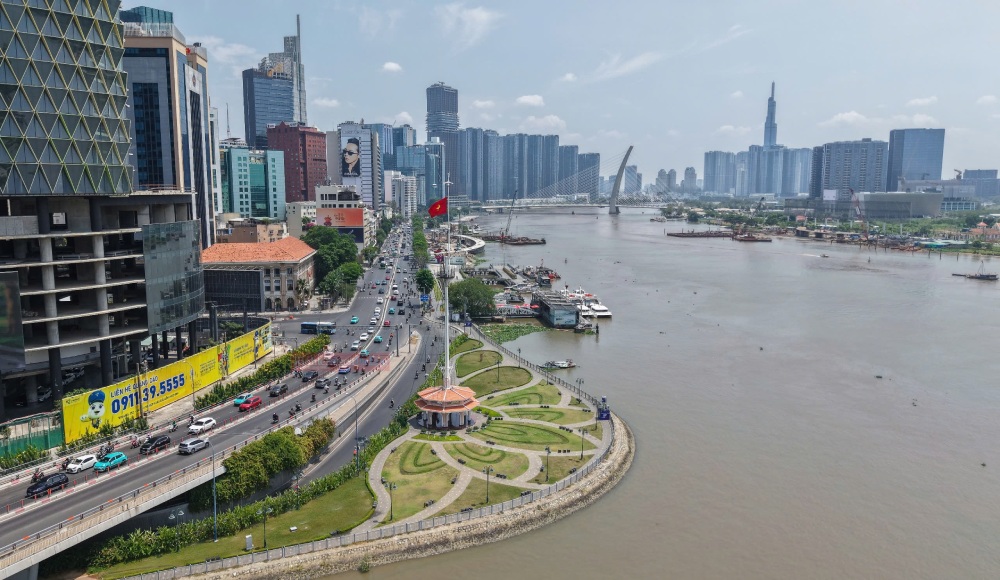
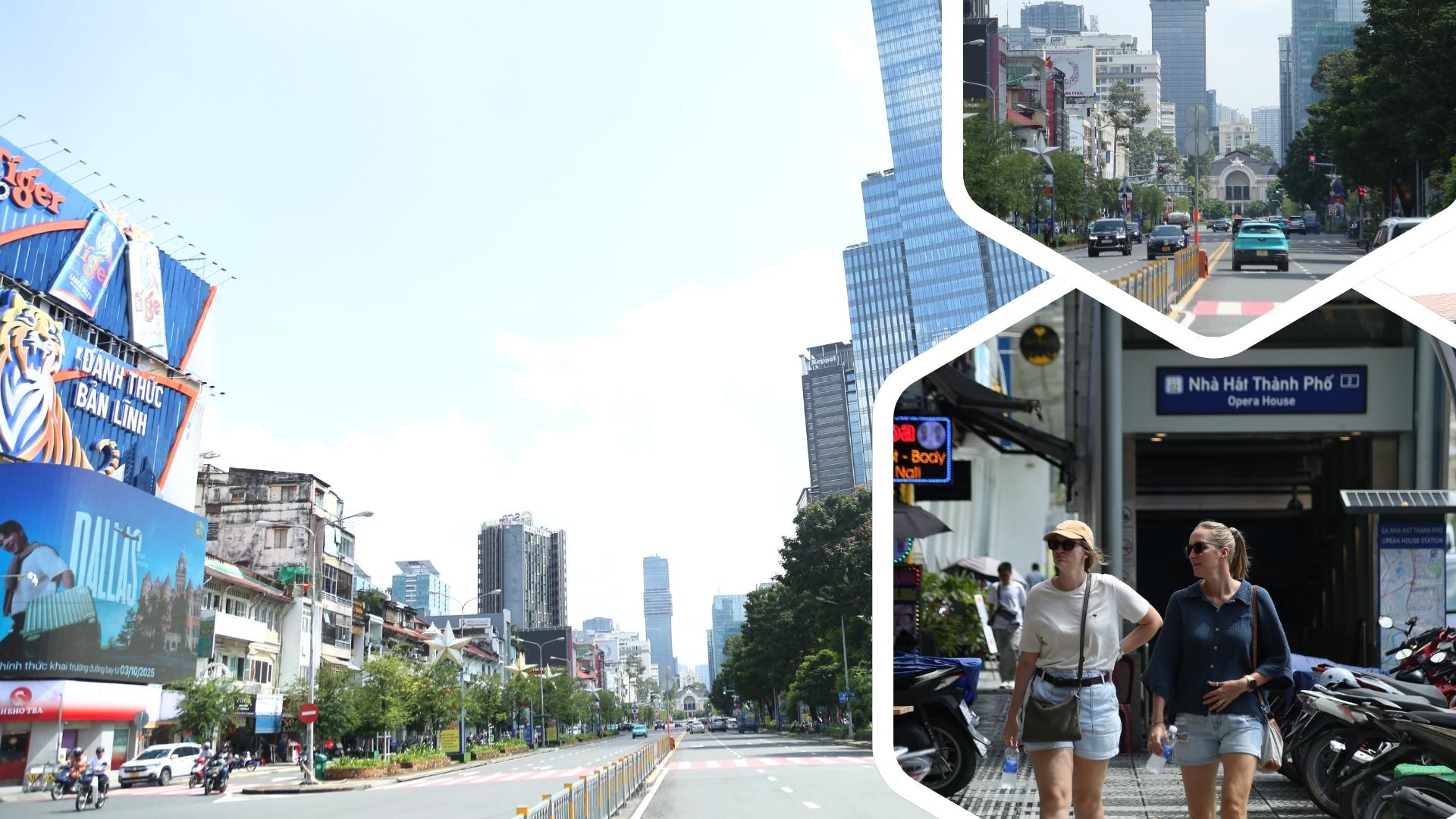
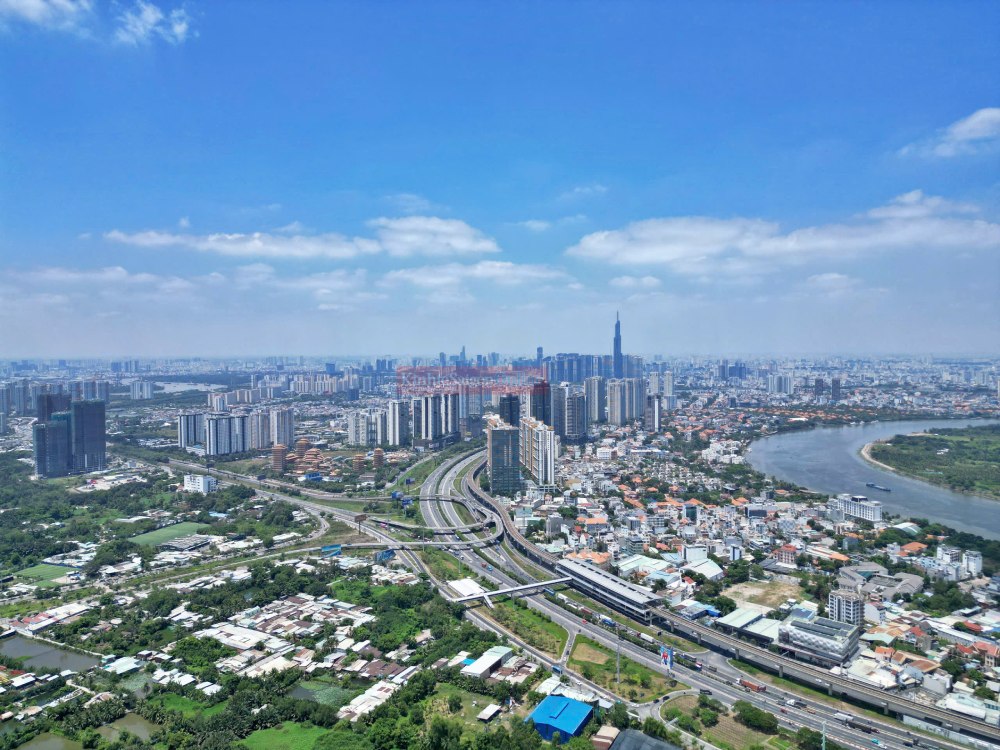
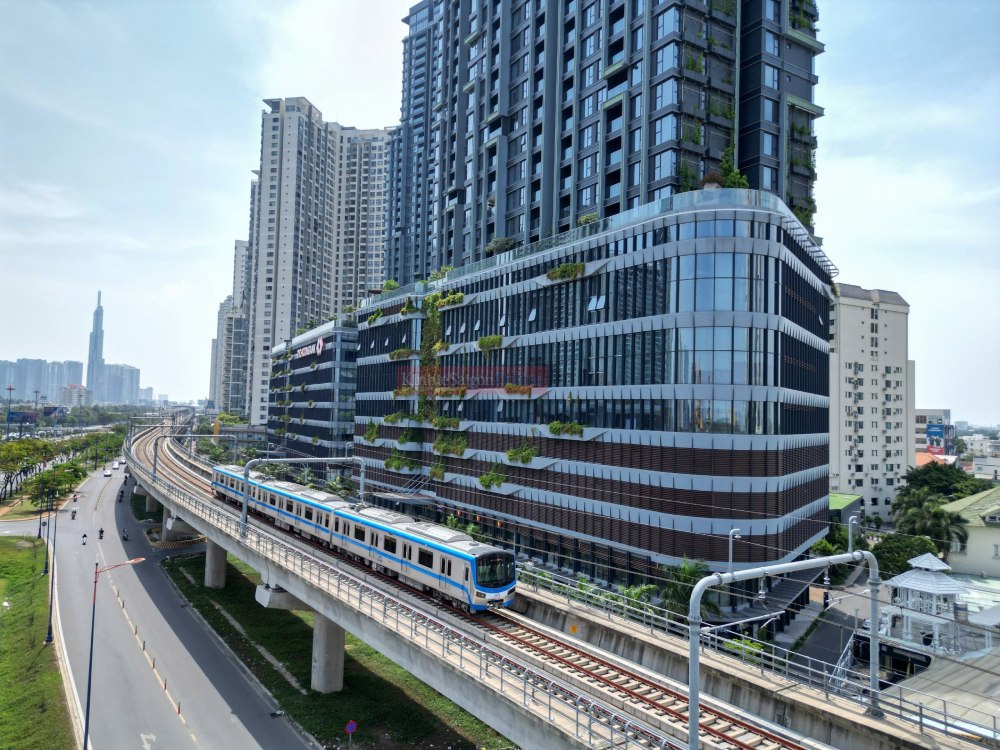
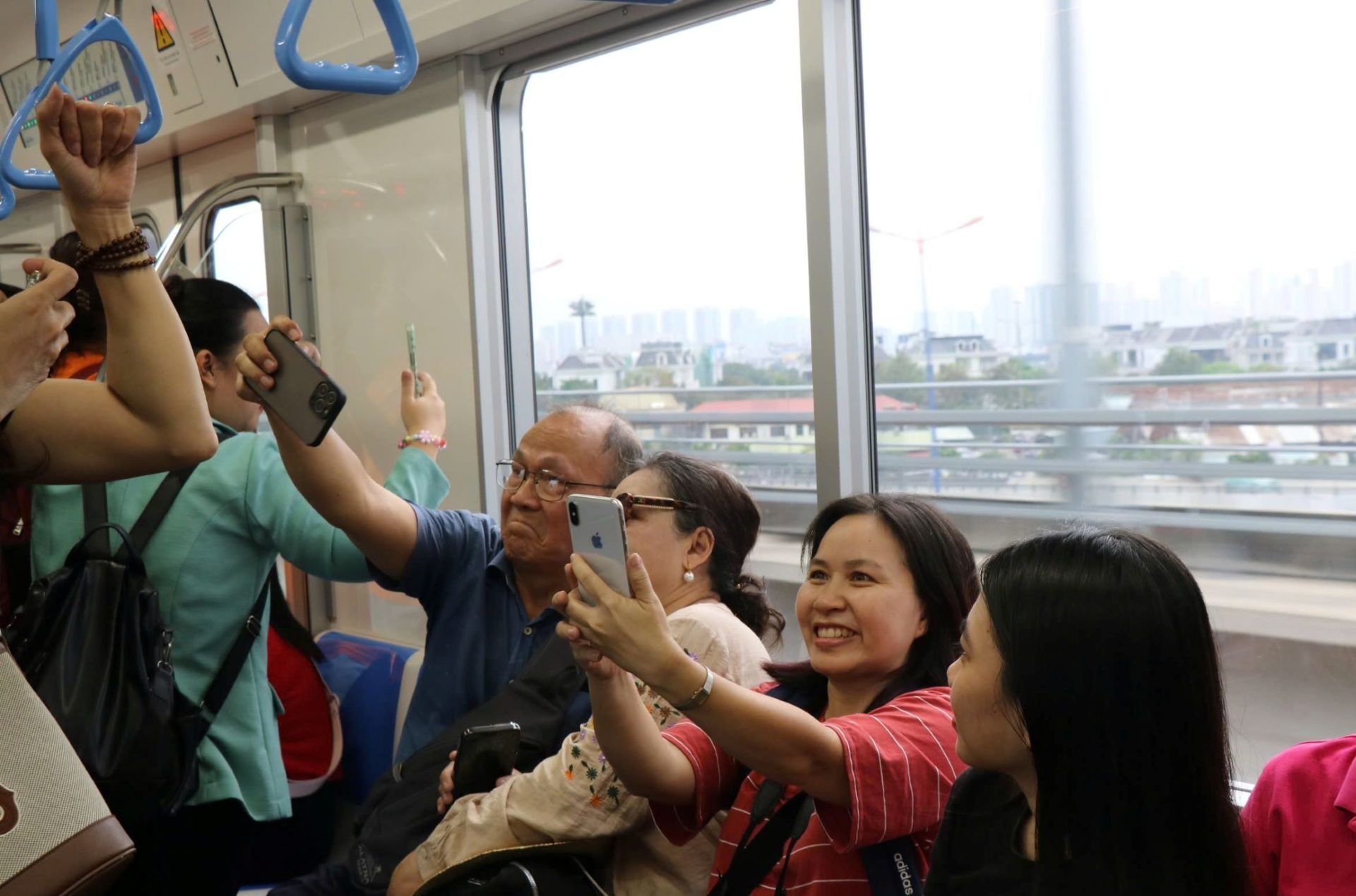
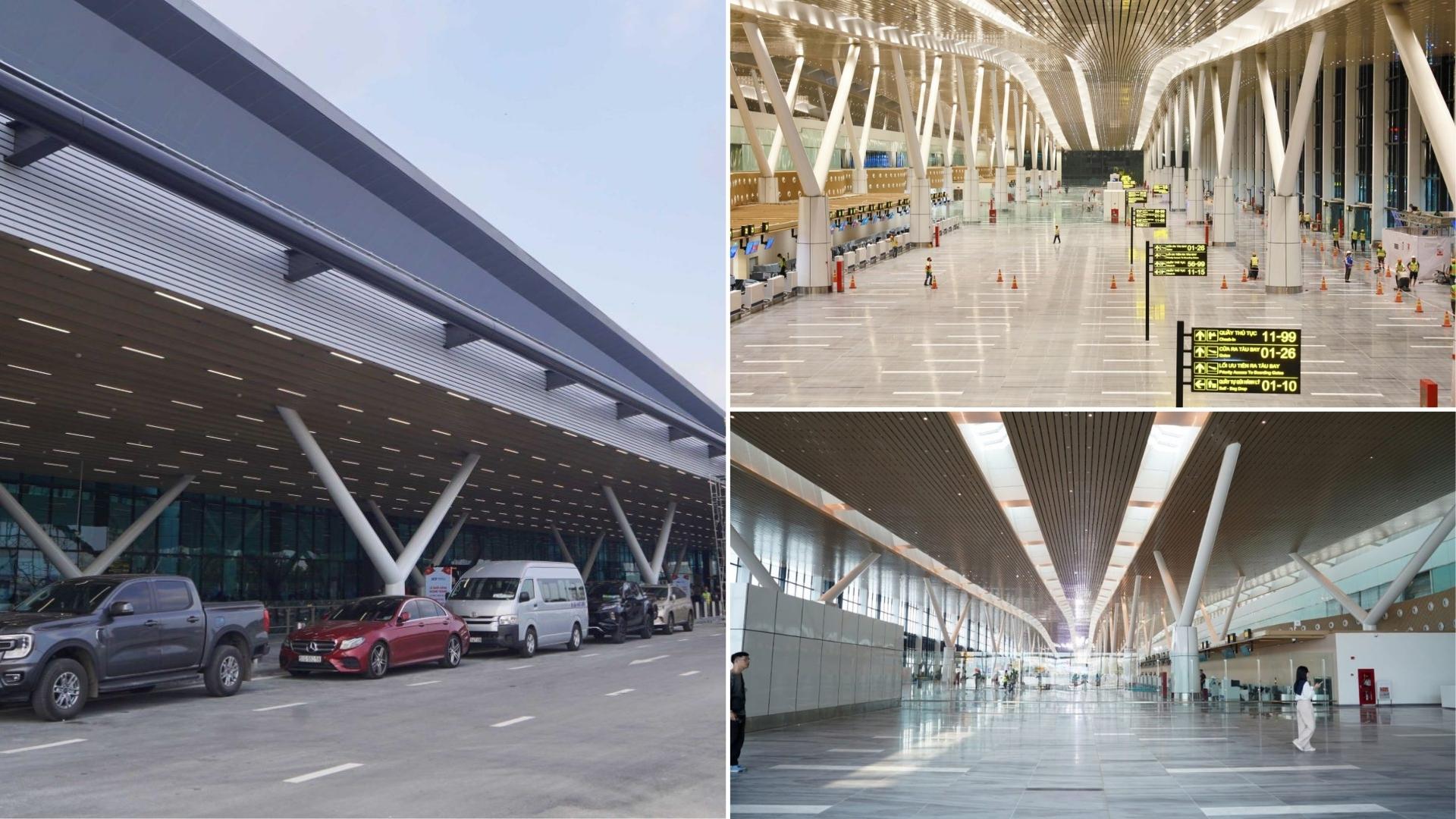
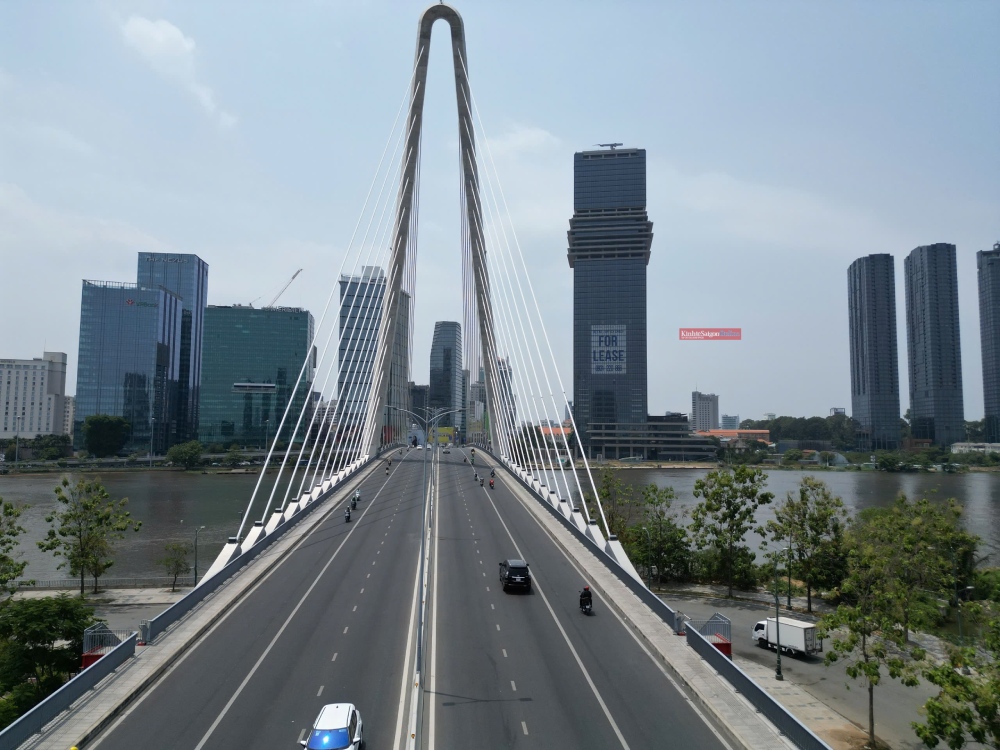
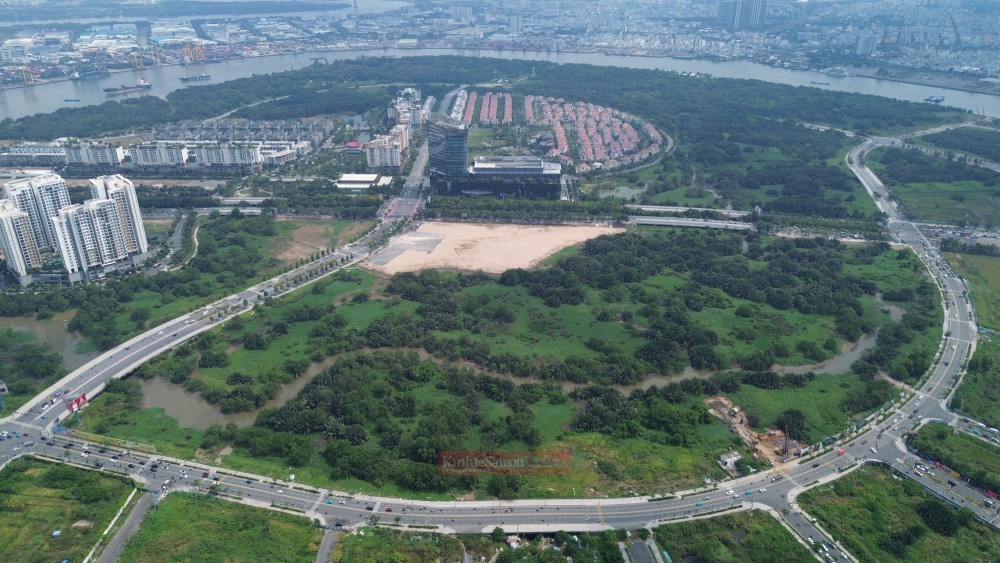
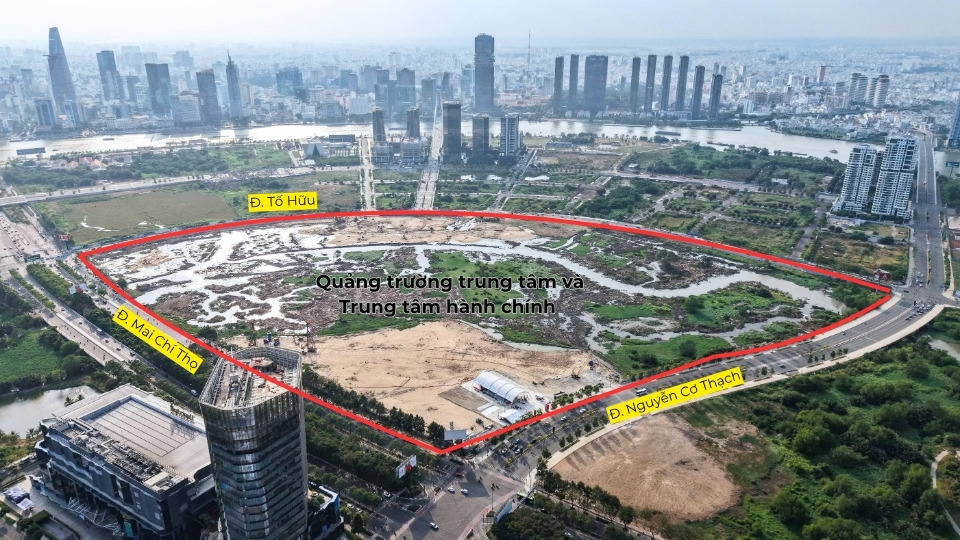
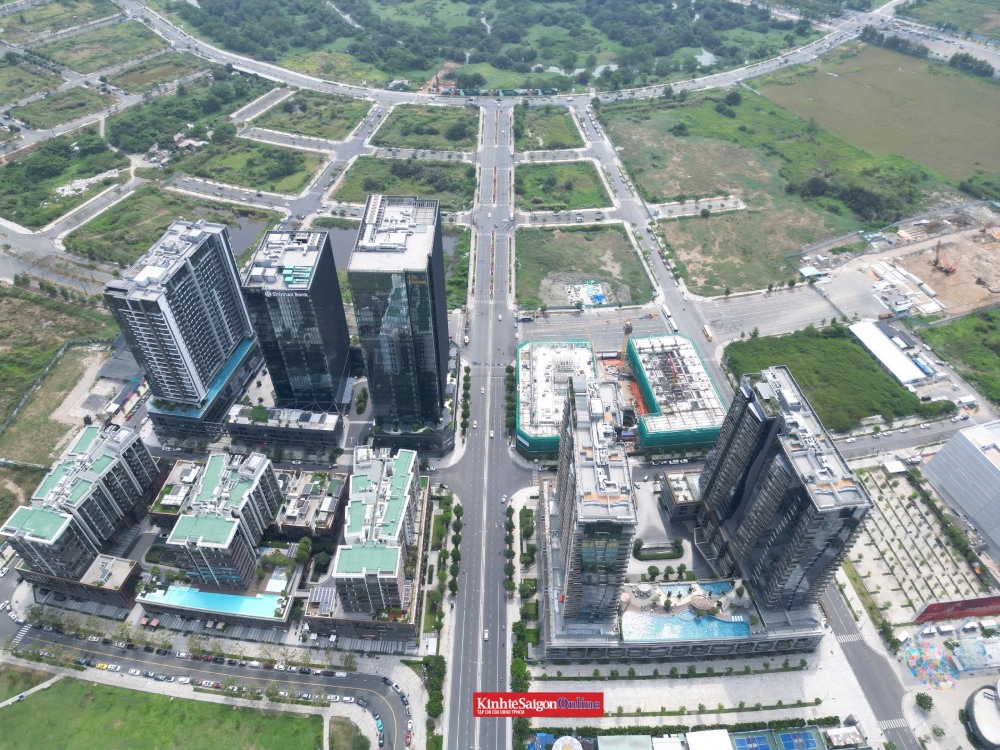
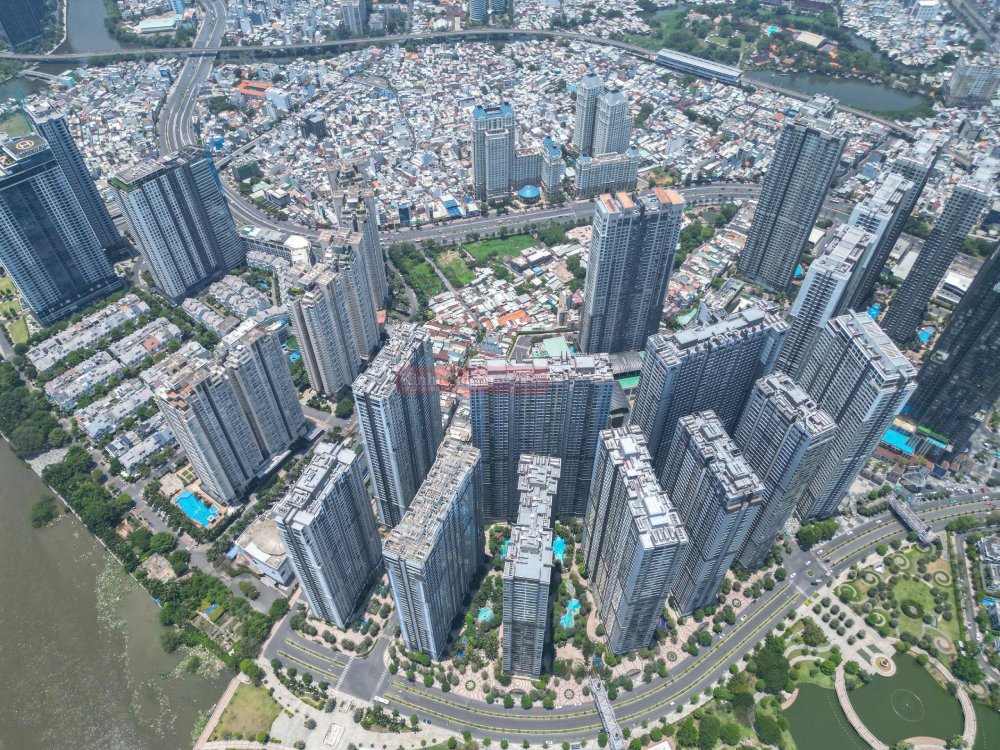
Expanding boulevards, major transport projects and a growing skyline of high-rise buildings are reshaping the city’s landscape, opening up new development space and supporting a shift toward a multi-centered urban model. HCMC’s urban landscape today is defined by new bridges, bustling urban areas, key arterial roads and an emerging metro network. This shift is more than a facelift, it reflects a deliberate “transport first” strategy to unlock economic potential and generate new growth momentum. Synchronized infrastructure investment is a decisive move to curb logistics costs and deepen connectivity across the southern key economic region. It provides the foundation for the city’s transition toward a multi-centered megacity, reinforcing its position as Vietnam’s economic hub while strengthening its regional competitiveness. Urban core and emerging landmarks In recent years, HCMC’s central area has undergone a marked transformation, as a wave of large-scale and iconic developments has emerged. These projects are reshaping the city center into a more modern and dynamic space with a growing international profile.