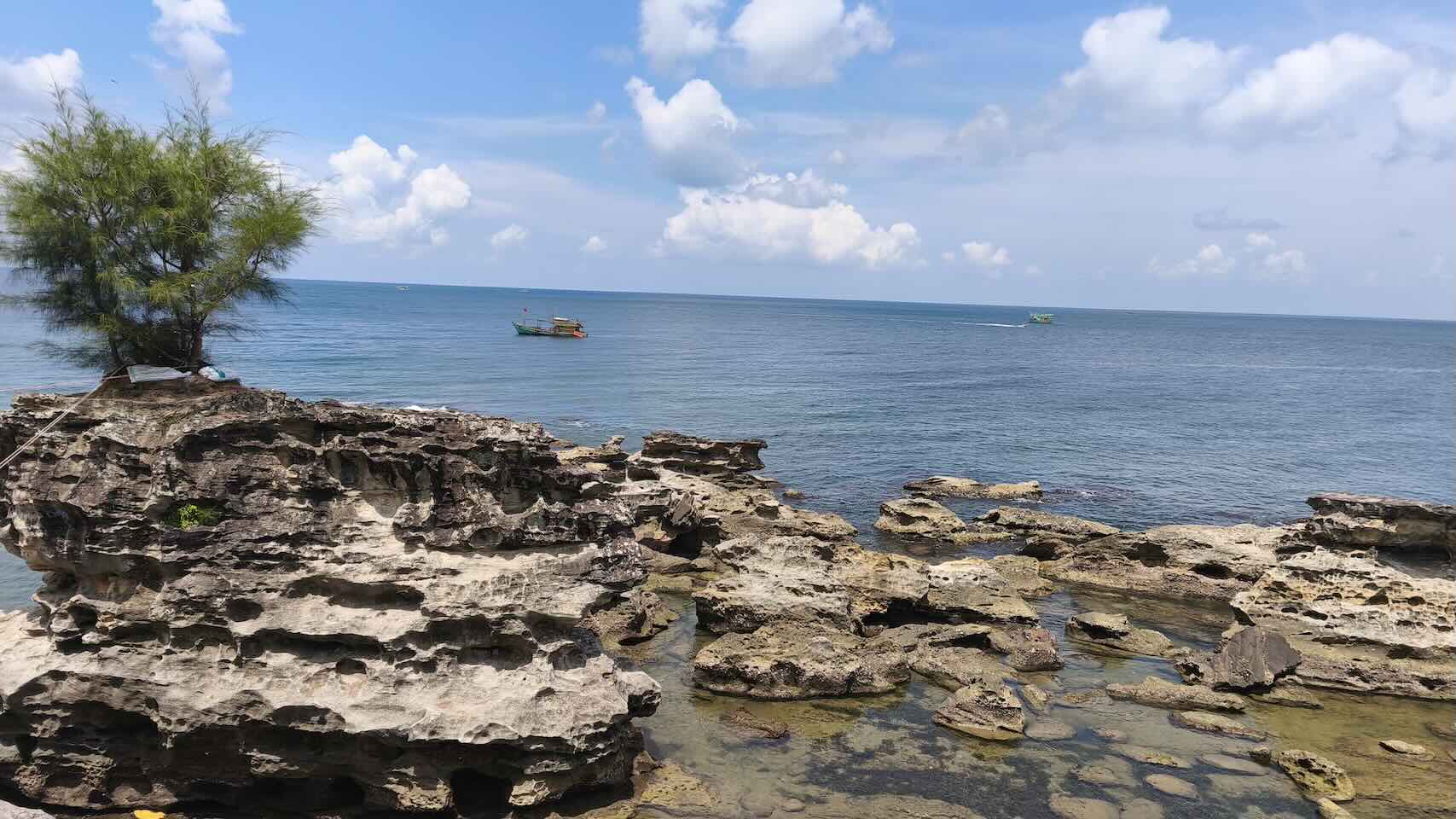
Perched on a rocky outcrop at the mouth of the sea in Phu Quoc Special Zone of An Giang Province, Dinh Cau Shrine is one of the island’s most iconic spiritual and cultural landmarks. The centuries-old shrine has long served as a symbol of protection for local fishermen venturing into often unpredictable waters.
The terraced fields of Vietnam’s Northwest are more than sweeping curves etched into mountain slopes. They are living masterpieces shaped by generations of ethnic communities, including the Mong, Dao, La Chi, Tay and Nung peoples, through hard work, ingenuity and patience.
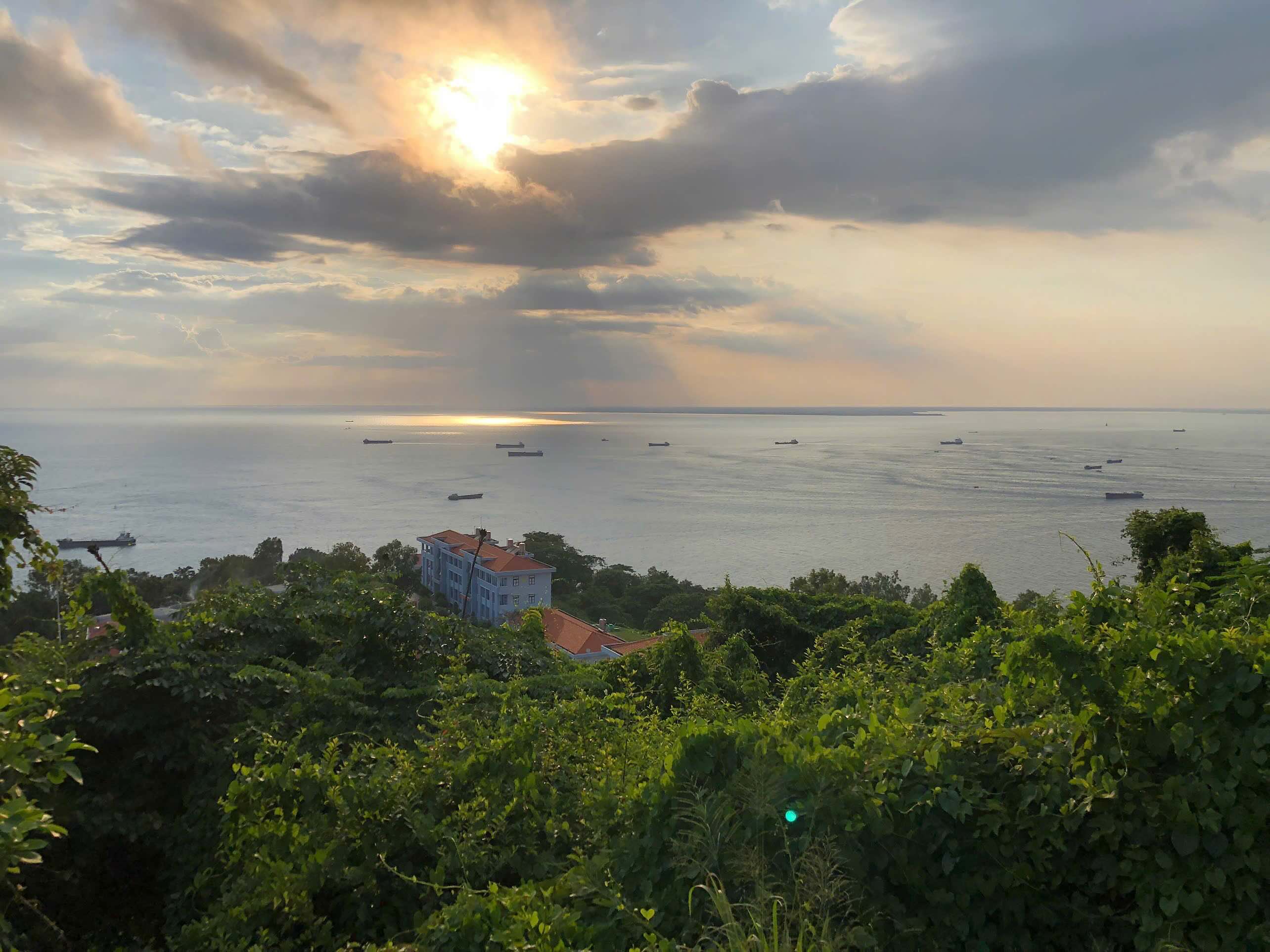
With its tranquil scenery and gentle hiking trail, Vi Ba Mountain has become an appealing destination for travelers seeking a peaceful escape, early-morning cloud hunting, and sweeping coastal views from above.
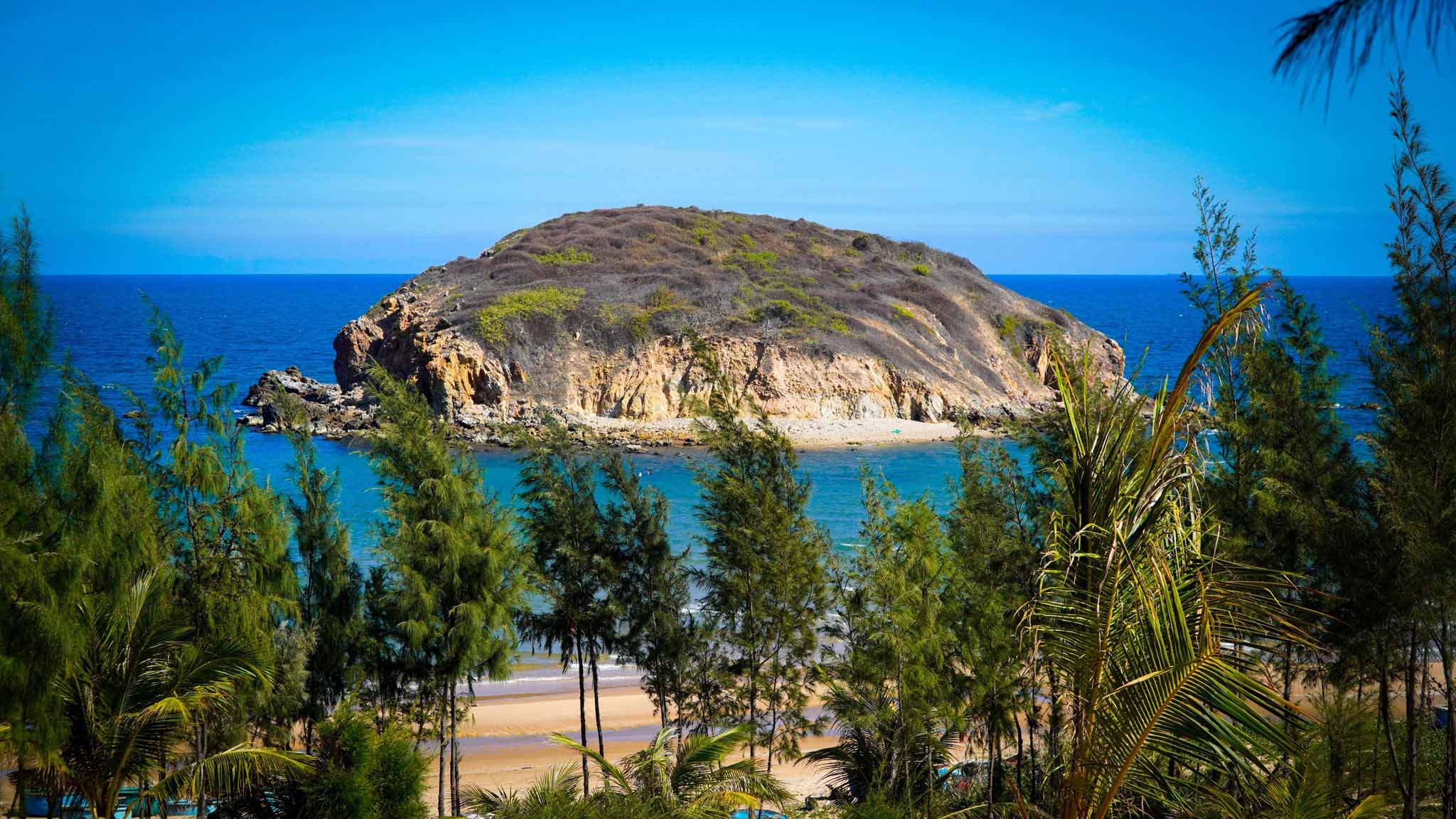
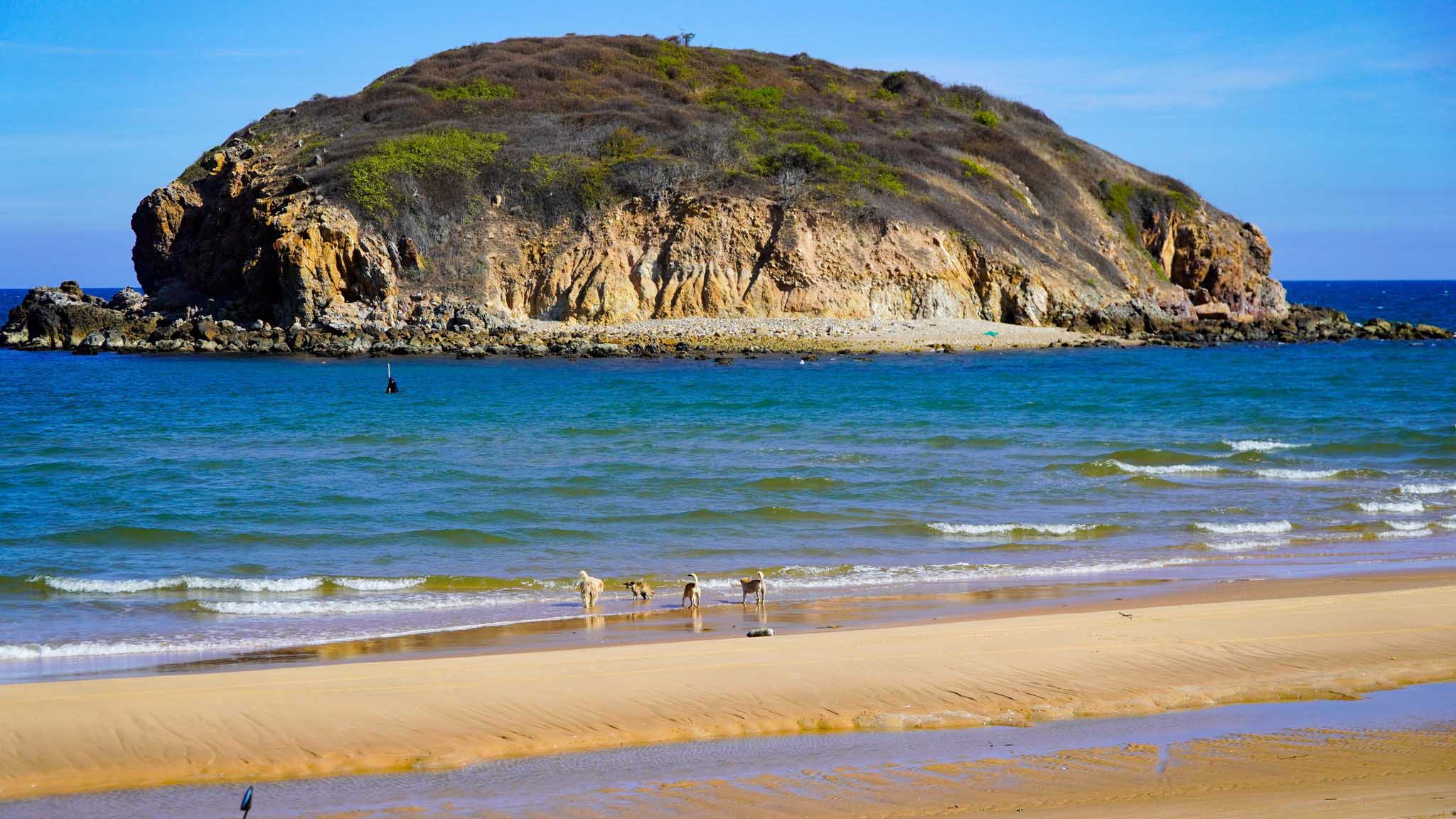
Hon Rua, a small islet off the coast of Lam Dong Province, is emerging as a quiet retreat for travelers seeking unspoiled natural beauty. Located more than 100 meters from the mainland, Hon Rua (Turtle Islet) is named for its turtle shell-like shape.
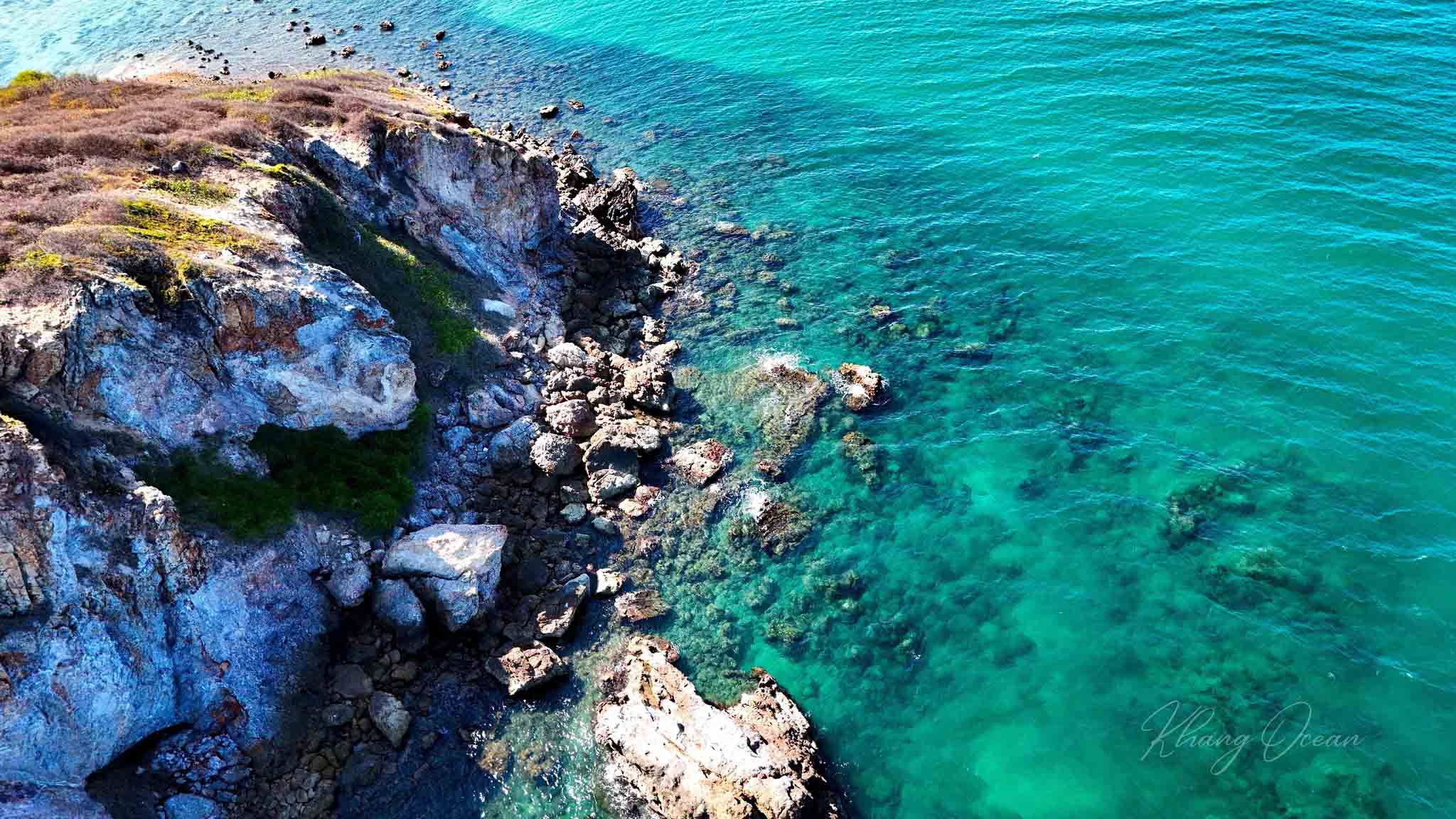
The islet is home to rocky cliffs, wild plants, and seabirds. Clear water, a diverse marine ecosystem, and rugged landscapes make Hon Rua one of the most attractive spots for nature lovers visiting the area.
From a distance, Hon Rua resembles a giant turtle swimming out to sea - PHOTOS: KHANG OCEAN
From a distance, it resembles a giant turtle swimming out to sea. The sea around the islet has a rare clarity, with underwater visibility of up to four meters, and coral reefs can be seen clearly below the surface.
Hon Rua’s beaches are not suitable for overnight camping because the tide rises quickly and the islet is far from shore. Day trips include hiking across rocky cliffs, swimming in natural pools, or enjoying outdoor meals. Some rock formations create small cavities and crevices that resemble natural sea caves. Travelers are advised to wear sturdy footwear, as the jagged rocks can be difficult to navigate.
The sea around Hon Rua has a rare clarity, with underwater visibility of up to four meters
Those visiting in the late afternoon can watch the sun set over the sea, casting a golden-red glow on the waves. Local fishing boats often return at this time, offering travelers a glimpse of the coastal community’s daily life.
The ideal time to explore Hon Rua is from October to April, when skies are clear and seas are calm. Visitors can reach the islet by boat, canoe, or guided tour. From Hon Rua, visitors can easily reach other attractions, including Mui Ne’s sand dunes, Hon Rom, Bai Rang Beach, and Mui Ne fishing village, where they can learn more about local culture and livelihoods.
Hon Rua’s combination of unspoiled scenery and quiet atmosphere appeals to travelers looking to escape the pace of urban life. With improved connectivity and recognition as a protected site, it is poised to become a key destination for eco-tourism in Vietnam’s south-central coastal region.
Some rock formations create small cavities and crevices that resemble natural sea caves
Perched on a rocky outcrop at the mouth of the sea in Phu Quoc Special Zone of An Giang Province, Dinh Cau Shrine is one of the island’s most iconic spiritual and cultural landmarks. The centuries-old shrine has long served as a symbol of protection for local fishermen venturing into often unpredictable waters.
The terraced fields of Vietnam’s Northwest are more than sweeping curves etched into mountain slopes. They are living masterpieces shaped by generations of ethnic communities, including the Mong, Dao, La Chi, Tay and Nung peoples, through hard work, ingenuity and patience.
With its tranquil scenery and gentle hiking trail, Vi Ba Mountain has become an appealing destination for travelers seeking a peaceful escape, early-morning cloud hunting, and sweeping coastal views from above.