Just 27 companies in HCMC IPs, EPZs able to make stay-at-work arrangements for workers
Must read
Japanese Consul General recalls The Saigon Times’ value since the 1990s

Japanese Consul General recalls The Saigon Times’ value since the 1990s

In the news June 25, 2026

“I first began reading The Saigon Times during my earlier posting at the Consulate-General of Japan in Ho Chi Minh City, from 1994 to 1998. Those were exciting times, with Vietnam opening up under the Doi Moi reforms and many Japanese companies were establishing their presence in southern Vietnam. As an officer responsible for economic affairs at the Consulate-General in those days, I found the up-to-date information The Saigon Times provided on Vietnam’s economy truly invaluable — and I am sure the Japanese business community here shared that sentiment.

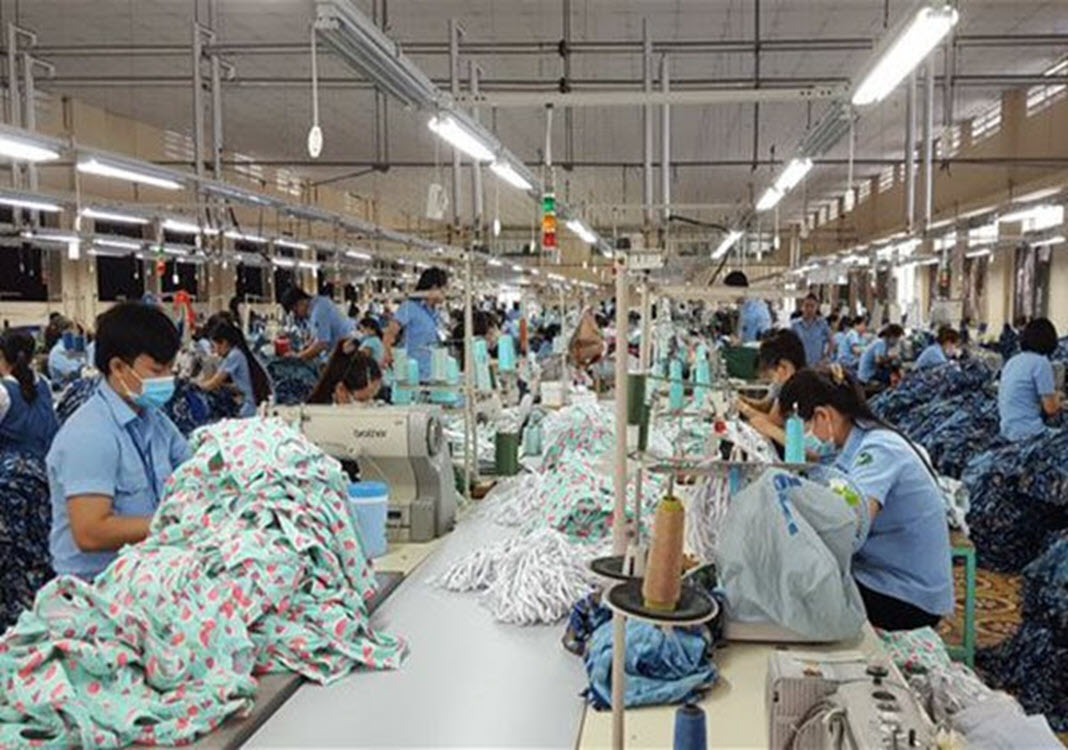
HCMC – As of yesterday, July 14, only 27 businesses in HCMC's industrial parks (IP) and export processing zones (EPZ) registered to make arrangements for employees to work, eat and sleep on their premises to prevent Covid-19 from spreading during the ongoing 15-day stay-at-home mandate in the city, according to a report released at a Covid-19-related meeting held yesterday.
On July 13, the HCMC government issued a decision requiring all businesses in the city to make stay-at-work arrangements for their workers; otherwise, they will have to suspend their operations to prevent the spread of the coronavirus. This order took effect from today. After these businesses signed up to adopt such arrangements, the HCMC Export Processing and Industrial Zones Authority (HEPZA) in coordination with the HCMC Department of Health and the relevant agencies will review these businesses’ compliance with anti-Covid-19 measures. From 8 a.m. today, HEPZA and the relevant agencies will jointly check the compliance with anti-virus regulations at businesses in the city’s IPs and EPZs. Businesses failing to meet the anti-virus requirements will be forced to suspend their operations starting today. Under the stay-at-work decision, businesses allowed to maintain operations must meet one of the following two requirements: they can arrange accommodation and meals at work for their staff or employers must arrange shuttle buses to transport their workers between their concentrated accommodation facilities and their factories. This means their workers are banned from using their own vehicles to get to work. The concentrated accommodation facilities could be dormitories or hotels meeting safety requirements. In related news, the authorities of HCMC’s District 7 recently rejected news reports that it suspended the operations of Tan Thuan EPZ after detecting Covid-19 cases at the EPZ. According to the District 7 government, the local health authority early this month conducted Covid-19 screening tests and found that many more workers of a number of businesses operating at the EPZ were suspected of having Covid. To promptly prevent the spread of the disease, the District 7 authorities requested HEPZA and the Tan Thuan Company, which operates Tan Thuan EPZ, to inform 33 businesses reporting suspected cases that they need to temporarily lock down their companies. Concurrently, HEPZA was asked to consider suspending the operations of these 33 businesses until they are safe. After working with the municipal government, HEPZA and the District 7 authorities jointly demanded that the businesses subject to the lockdown restrictions suspend their operations to combat the disease. They can only resume operations once they ensure compliance with safety protocols. Further, other businesses at the EPZ that had registered with HEPZA to apply the stay-at-work mode continue to adopt the mode and ensure that no one will leave the companies during the citywide stay-at-home mandate, except for emergencies, said the District 7 authorities.

Latest articles

Japanese Consul General recalls The Saigon Times’ value since the 1990s

Japanese Consul General recalls The Saigon Times’ value since the 1990s

In the news June 25, 2026

“I first began reading The Saigon Times during my earlier posting at the Consulate-General of Japan in Ho Chi Minh City, from 1994 to 1998. Those were exciting times, with Vietnam opening up under the Doi Moi reforms and many Japanese companies were establishing their presence in southern Vietnam. As an officer responsible for economic affairs at the Consulate-General in those days, I found the up-to-date information The Saigon Times provided on Vietnam’s economy truly invaluable — and I am sure the Japanese business community here shared that sentiment.