Rapid economic growth would play a crucial role in helping Vietnam escape the middle-income trap, narrow the gap with advanced countries, and move toward the goal of becoming a high-income economy within the next two decades. However, alongside the goal of fast growth, we must be highly vigilant and proactively address the potential downsides this process may bring.
Many lessons from other countries have shown that unsustainable growth can leave long-lasting consequences and even slow down the very process of development.
Risks of macroeconomic instability and asset bubbles
Excessively rapid economic growth may carry serious macroeconomic risks, particularly macroeconomic instability, high inflation, asset bubbles, rising public debt, and the threat of unsustainable growth. As the economy expands quickly, investment and spending demands will also surge, creating significant inflationary pressure on the demand side, putting a strain on currency depreciation, and increasing the nation’s external debt burden.
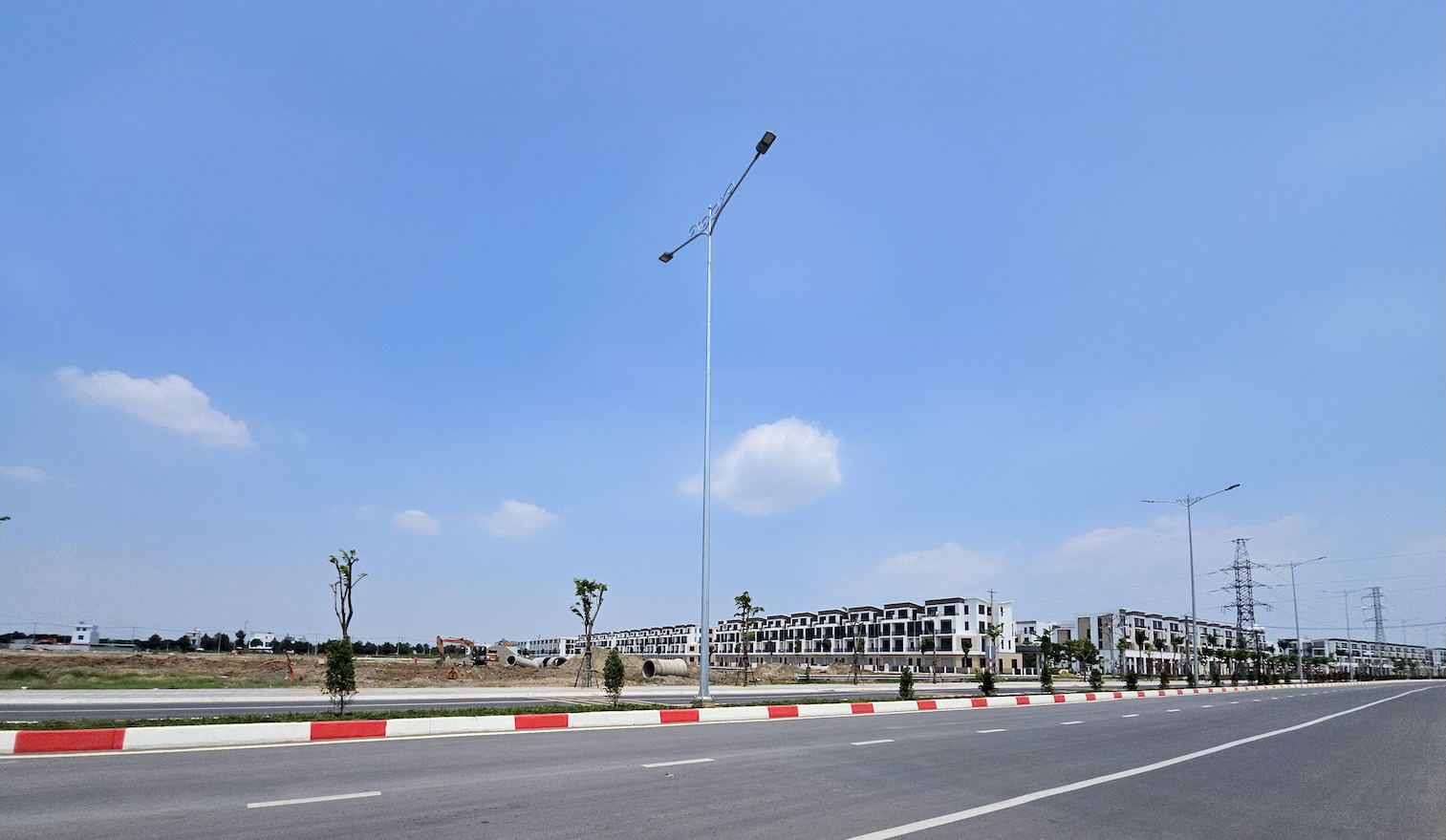
Lack of control and poor investment direction could lead to widespread and unfocused investment, reducing the efficiency of resource use. When businesses and localities compete to meet growth targets, capital may be allocated in an unstrategic manner, resulting in many inefficient and wasteful projects. As a result, numerous industrial zones, infrastructure projects, and new urban areas have been developed in large numbers but left underutilized, causing a significant waste. Deserted premium land, ghost towns, and slowly developed industrial zones are common sights in many parts of the country, reflecting a lack of proper planning, regulation, and investment allocation.
In addition, if investment capital is not effectively managed, markets could experience asset bubbles, particularly in real estate and stocks. When too many resources are funneled into sectors with quick but unsustainable returns, the economy would see long-term growth drivers slow down, and easily fall into a boom-bust cycle. When asset prices rise far beyond their real value, the risk of an economic crisis would become imminent. Furthermore, excessive credit expansion and borrowing for investment and consumption could increase both public and private debt burdens, push the banking system toward high levels of non-performing loans, and weaken the national financial system.
In reality, Vietnam’s economic engine has never been designed to operate at double-digit speeds, especially when many internal weaknesses remain unresolved.
Emerging social challenges
Beyond economic risks, excessively rapid growth also poses major social challenges. The wealth gap could widen if the majority of growth benefits are concentrated among a small group of large corporations and investors, while most small businesses and workers do not benefit proportionally. This inequality not only reduces access to economic resources but can also trigger social unrest and erode the trust of certain segments of the population.
Moreover, as the economy’s competitive advantage still relies on cheap labor rather than productivity, the pressure to sustain high growth rates could lead many businesses to exploit this advantage, negatively impacting workers’ health and quality of life. This further traps Vietnam in the vicious cycle of low-skilled labor – low productivity – low income. Without a comprehensive, forward-looking strategy to enhance workforce quality, the economy risks being stuck in a growth model focused on quantity rather than quality, curbing development potential and making it difficult to sustain long-term rapid growth.
Environmental and resource downsides
Rapid but poorly controlled economic growth can lead to resource depletion and environmental pollution, severely affecting long-term sustainable development. The rapid expansion of industries, including manufacturing and mining, may accelerate resource exhaustion, degrade ecosystems, and disrupt the natural balance. When forests are cleared for tourism development, industrial production, or agricultural expansion, the risks of soil erosion, flooding, and land degradation become more severe, directly threatening people’s livelihoods and biodiversity.
The overly rapid development of industrial zones and urban areas can exacerbate environmental pollution. More worryingly, the pursuit of growth without focusing on sustainability will worsen environmental challenges such as rising sea levels, droughts, salinization, and natural disasters. As ecosystems degrade, the economy’s ability to adapt to climate change also diminishes, leaving many people facing the risk of losing farmland and livelihoods.
Therefore, to ensure that economic growth does not come at the expense of the environment, the Government needs coordinated policies geared toward a green growth model. This includes promoting the use of renewable energy, improving resource efficiency, and tightening environmental protection regulations.
Risks of corruption
The pressure to maintain high growth rates may result in the hasty issuance of policies that lack transparency, creating opportunities for corruption and vested interests. Policies may be designed to favor certain investors and large corporations rather than opening up opportunities to all businesses, including small and medium-sized enterprises. Large conglomerates, particularly those with close ties to the public sector, may influence policy-making, reducing economic fairness. This not only makes the business environment less transparent but also erodes the trust of businesses and citizens in the state management system.
Rapid growth on a sustainable foundation
Rather than single-mindedly pursuing high growth targets, the Government should focus on the quality of growth over quantity. First and foremost, it is crucial to control inflation, maintain credit quality, and ensure macroeconomic stability to safeguard the national financial system, including both banking and public finance. The State Bank of Vietnam should regulate money supply and credit appropriately, avoiding excessive capital injections into sectors prone to asset bubbles. The Government should also enforce strict fiscal discipline, and prioritize investments in genuinely effective projects instead of scattering resources and causing a waste.
A fundamental solution is to develop a high-quality workforce by improving the education and vocational training systems to meet labor market demands. At the same time, green development should be accelerated by tightening environmental standards for businesses, investing in renewable energy, and protecting the nation’s valuable natural resources. Institutional reform efforts should be intensified, with greater policy transparency, stronger anti-corruption measures, and stricter controls on vested interests, thereby laying a solid foundation for fast and sustainable economic growth. The Government must foster a healthy and fair business environment, support private enterprises, and enable deeper participation in global value chains.
In summary, although rapid economic growth brings many benefits, without proper vision and strategy, it could trigger a series of risks related to the economy, society, environment, and institutions. Therefore, alongside pursuing high growth, the Government should prioritize sustainability, ensuring that growth is not only fast but also stable and inclusive. This requires a balanced approach, including controlling financial risks, limiting bad debt and scattered investments; developing a high-quality workforce to meet the demands of a digital economy; strengthening scientific and technological capacity to drive innovation; improving the business environment to ensure fair and transparent competition; enhancing national competitiveness to help Vietnam navigate global integration confidently; and protecting the environment and conserving natural resources for future generations. Only when all these elements are in place can Vietnam achieve an economy that is not only dynamic and fast-growing but also sustainable, resilient, and adaptable to global uncertainties.
(*) Do Thien Anh Tuan is a lecturer at Fulbright School of Public Policy and Management